
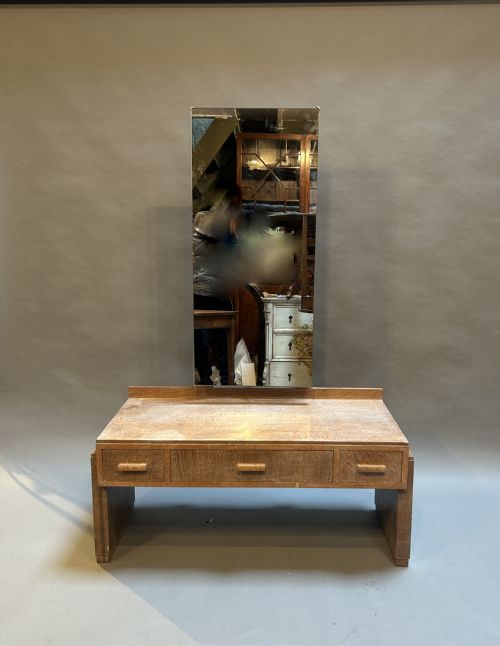


Art Deco Limed Oak
Art deco limed oak furniture brings pale, textured surfaces and clean geometric lines to modern rooms.
Art Deco Limed Oak
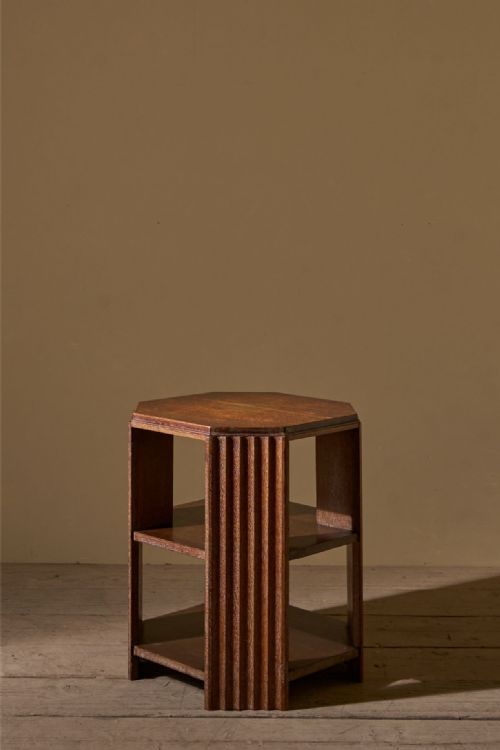
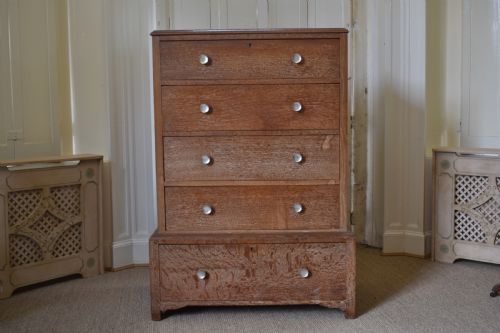
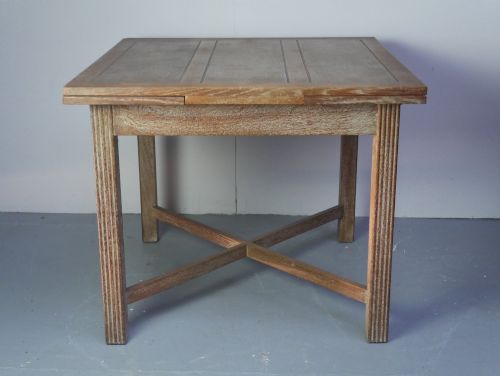
Art deco limed oak furniture centres on pieces made during the 1920s and 1930s, featuring bedroom suites, sideboards, dining tables, and small side tables. These domestic forms capture the light aesthetic favoured in interwar interiors, relying on the pale finish to soften heavy oak timber.
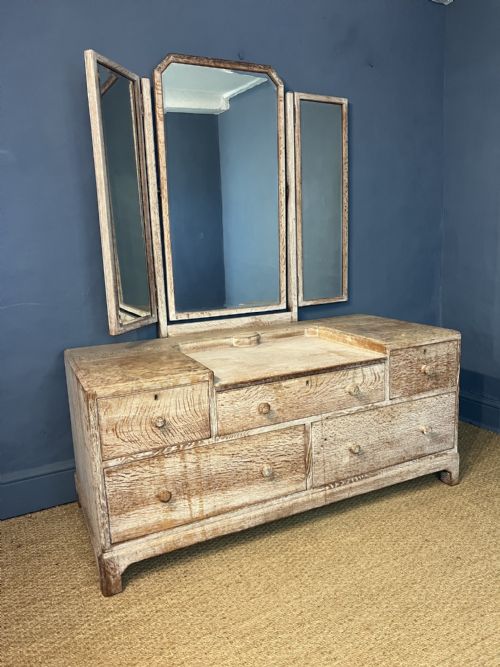
The version most commonly met on this page is the dressing table or bedroom piece associated with Heal's of London. Such items demonstrate the characteristic restrained geometry and light-toned grain that defined British modernism during the period.
Defining Quality
Quality rests in the crispness of the joinery and the evenness of the limed finish across large surfaces like sideboard doors and wardrobe panels. Superior examples maintain balanced proportions and subtle architectural details rather than heavy ornamentation.
Pieces bearing maker attribution show finer interior construction, such as dovetailed drawer linings and well-executed hardware, distinguishing them from generic commercial production.
Royal seating makes an unexpected appearance alongside bedroom suites and dressing tables.
Heals of London·B. North and Son
The Art Deco Limed Oak Glossary
- Limed oak
- Timber treated with a white pigment or lime compound to accentuate the grain pattern while lightening the overall tone. This finish became popular in British furniture design during the early twentieth century.
- Bedroom suite
- A matched set of furniture designed for sleeping quarters, typically comprising a wardrobe, dressing table, and chest of drawers. These suites ensure a unified aesthetic within the room.
- Pedestal desk
- A freestanding writing table supported by two banks of drawers rather than conventional legs. They provide substantial surface area and storage.
- Coronation stool
- Form built for official ceremonies, notably associated with specific royal events in the twentieth century. These sturdy wooden stools feature straightforward rectangular construction.
Art Deco Limed Oak: Frequently Asked Questions
What periods do these pieces date from?
The pieces span the early decades of the twentieth century, with the majority belonging to the 1920s and 1930s.
A small number of items date from around 1900, showing the earlier adoption of pale oak finishes before the height of the Art Deco movement.
How do I identify pieces by Heal's?
Heal's furniture often displays restrained architectural lines, honest construction methods, and occasionally maker marks or paper labels.
Attributed pieces match the proportion and limed timber treatments documented in archival records associated with the London firm.
Where were coronation stools used?
Coronation stools served guests attending major royal ceremonies, such as the crowning of King George VI.
Following the event, these sturdy oak seats entered the domestic market and remain practical items for everyday seating.
How should I care for limed oak surfaces?
Limed oak requires gentle dusting with a dry cloth to prevent moisture and dirt from settling into the open grain.
Avoid abrasive cleaners and excessive water, which can damage the delicate white pigment within the wood pores.