
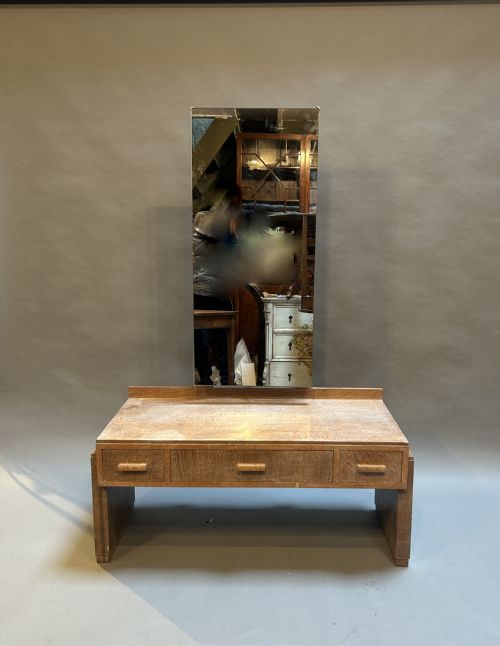


Limed Oak Chest
A limed oak chest brings a pale, textured finish to period bedroom furniture.
Limed Oak Chest
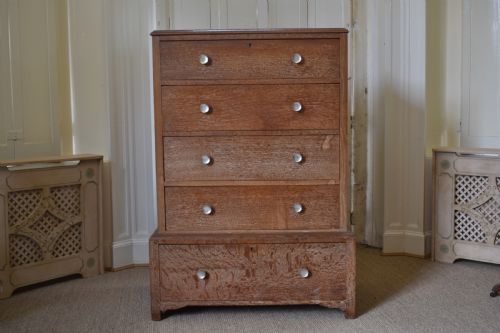
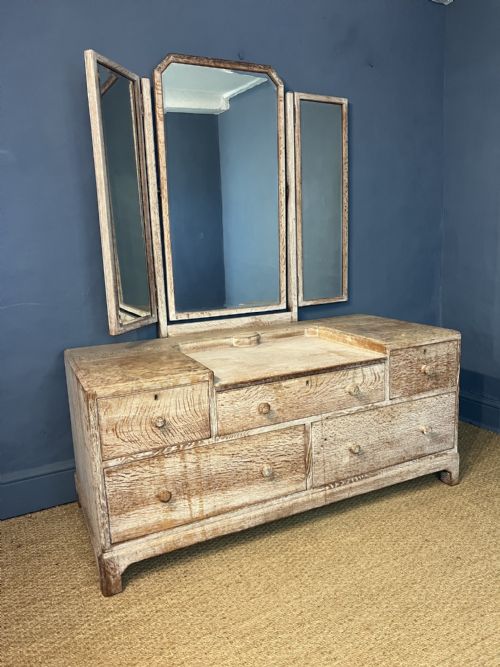
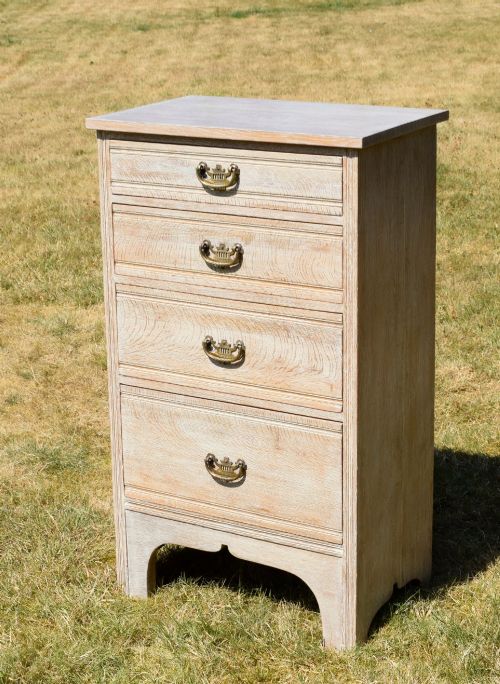
A limed oak chest takes the form of a chest of drawers, a tall chest, or a dressing table produced across several centuries. The most frequently seen version on this page dates from the twentieth century, specifically associated with the Art Deco, Edwardian, and Arts and Crafts periods.
Makers and workshops utilised oak as the primary timber, applying a limed finish that lightened the grain. Alongside standard chests of drawers, the record includes coffers and dressing chests featuring camphor wood, glass, and brass details.
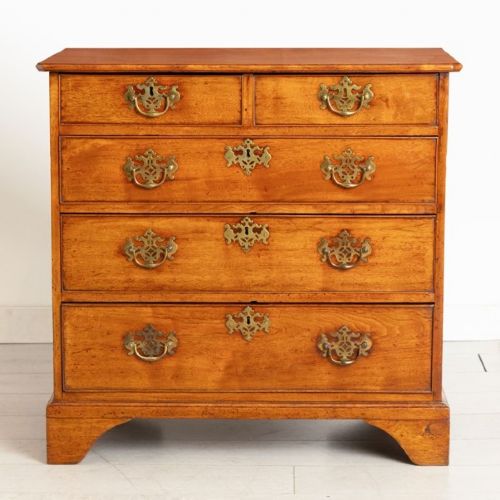
Origins stretch from English workshops in the style of Heal's and the Cotswold school to French Provincial and Dutch designs. Buyers encounter everything from compact twentieth-century pieces to eighteenth-century examples with bracket feet.
How they were made
Joiners constructed these pieces using solid oak, occasionally combining it with camphor wood for interior elements. The defining characteristic is the liming process, which whitened or pickled the grain to produce a pale, matte surface distinct from dark polished timber.
Hardware such as original brass handles and glass components completed the construction, particularly on eighteenth-century and Edwardian pieces. Twentieth-century examples display clean lines typical of Art Deco and Arts and Crafts production without heavy carving.
Listings span from the 18th century through to 1930, uniting oak, camphor wood, brass, and glass under various regional styles.
What varies in quality
The standard of execution depends heavily on the proportion and the retention of the original limed surface. Pieces bearing documented attribution to prominent makers or distinct design schools tend to hold greater interest.
Proportion dictates the visual weight of the furniture, distinguishing small, balanced chests from taller, more utilitarian storage units. The integrity of the timber finish and the presence of original hardware further separate standard examples from finer specimens.
Heals·Bath Cabinet Makers·Charles Richter
The Limed Oak Chest Glossary
- Limed oak
- Timber treated with a specialised finish that leaves a whitish residue in the open grain, lightening the overall appearance. This technique gained particular popularity during the early twentieth century.
- Bracket feet
- Architectural supports resembling small brackets that elevate a case piece off the floor. They are commonly found on eighteenth-century and Georgian chests.
- Arts and Crafts
- A design movement emphasising handcraftsmanship and simple forms rather than mass-produced ornamentation. Pieces from this tradition often display honest construction and minimal decoration.
- Bombe shape
- A swelling, outward-curved profile seen on continental furniture such as Dutch commodes. This contoured form requires advanced woodworking skill.
- Dressing chest
- A low storage chest incorporating a mirror and surface space for grooming. These items were widely produced during the Edwardian and Art Deco eras.
Limed Oak Chest: Frequently Asked Questions
How do I date a limed oak chest?
Dating relies on construction methods, handles, and stylistic cues like Art Deco geometry or Georgian bracket feet. Twentieth-century pieces usually show lighter framing and characteristic limed finishes.
Earlier examples from the eighteenth and nineteenth centuries feature heavier timber construction and different joining techniques that predate modern production methods.
What rooms suit a limed oak chest?
The pale, neutral tone of limed oak allows these pieces to sit easily in contemporary or traditional bedrooms and hallways. Their subdued grain complements minimalist and rustic interiors alike.
Smaller proportioned chests also function effectively as bedside tables or alternative storage units in compact living spaces.
Are limed oak chests original?
Many twentieth-century pieces left the workshop with their pale limed finish applied intentionally by makers such as Heal's. Some older oak pieces received liming treatments later in their lifespan to update their appearance.
Examining the depth of the finish within the grain helps determine whether the liming is period-appropriate or a later application.
How do I clean limed oak furniture?
Maintenance requires gentle dusting with a dry or slightly damp cloth to protect the delicate limed grain. Avoid harsh chemical polishes that can strip the pale finish from the timber.
Keeping the furniture away from direct heat sources prevents the oak from drying out and preserves the integrity of the surface.