



Art Deco Hanging Light
An art deco hanging light is a ceiling fixture from the nineteen thirties that brings geometric form and industrial elegance into a room.
What these art deco hanging lights are
When you search for an art deco hanging light, you encounter ceiling fixtures and pendant lights that define the nineteen thirties interior. These pieces distribute downward illumination while serving as architectural centrepieces in a room.
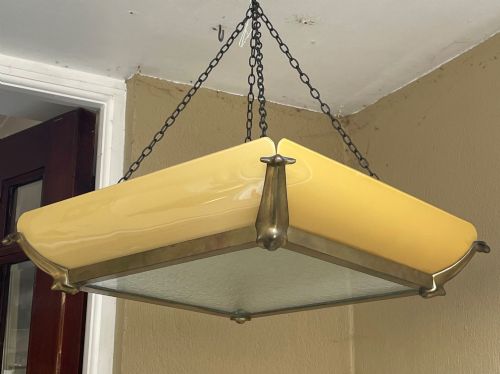
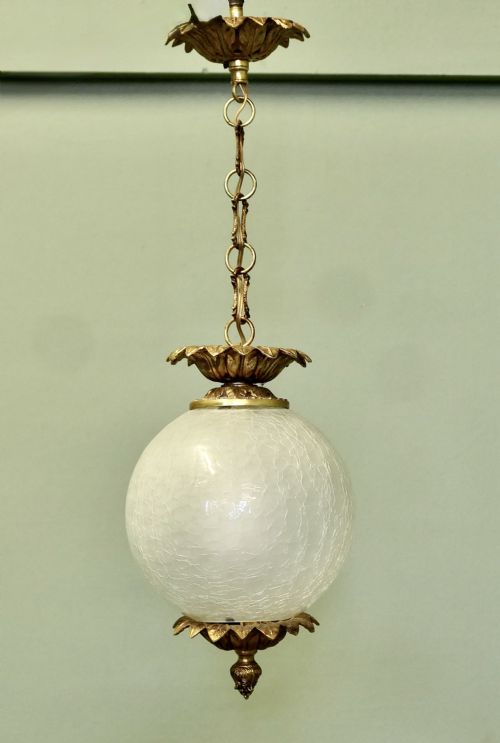
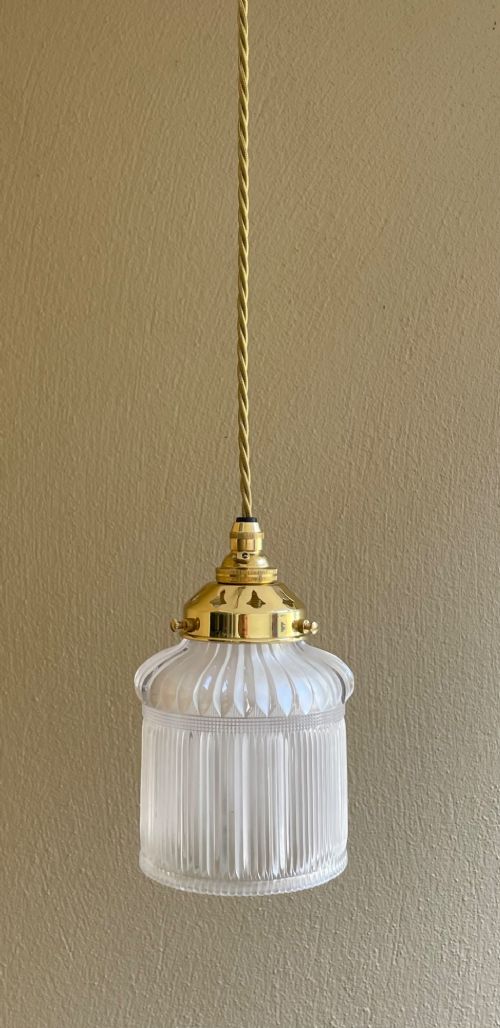
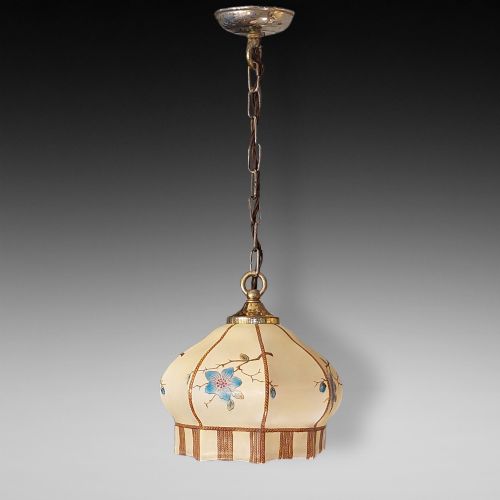
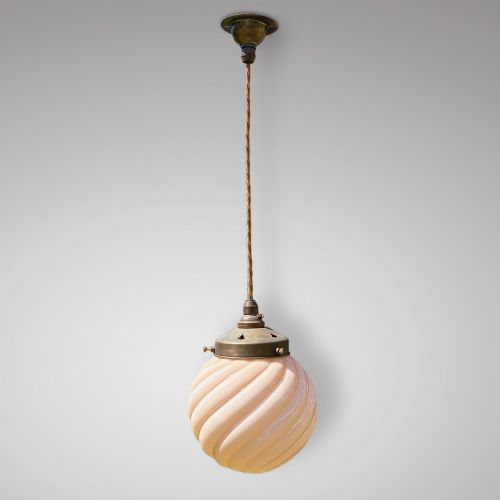
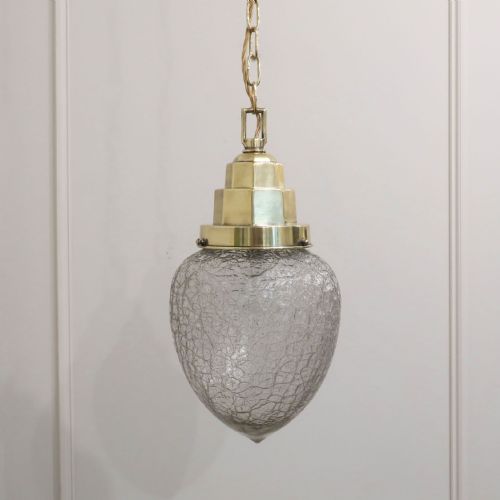
The most common version met on this page is the ceiling light or plafonnier, often suspended by a fabric cord, metal chains or a rigid stem. Globe and bowl forms predominate, hanging close to the ceiling or dropping further into the space.
Origins stretch across British and continental workshops, with numerous examples specifically originating from France. These fixtures utilise simple suspension systems to highlight the character of the glass or stone bowl below.
How they were made
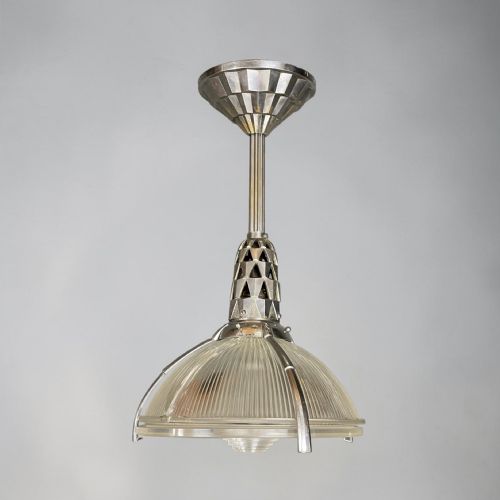
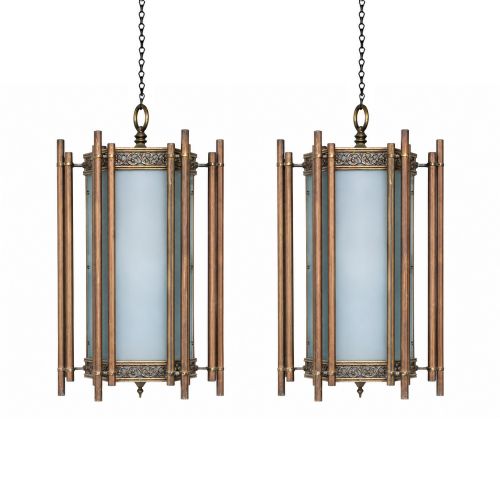
Makers constructed these fixtures using a combination of cast or spun metal components paired with heavy moulded glass and carved stone. Chrome plating and bronze provide the structural framework, housing electrical fittings and supporting the weight of the shades.
Glass elements range from clear frosted panes to opaline spheres and cut crystal cascades that diffuse the electrical illumination softly. Alabaster bowls are carved from natural stone to produce distinctive veining and a warm, glowing translucency when lit.
What varies in quality
The distinction between standard examples and superior pieces rests on the weight of the metalwork and the depth of the glass moulding. Heavier bronze mounts and thick, uniformly blown opaline or frosted glass demonstrate superior material investment.
Proportion and decorative restraint dictate the aesthetic tier of each ceiling light. Pieces that integrate complex geometric cutting or finely balanced alabaster bowls achieve a more cohesive presence than simpler utilitarian variants.
The Art Deco Hanging Light Glossary
- Plafonnier
- A ceiling-mounted light fixture designed to sit flush or very close to the ceiling surface. These bowls illuminate a space directly from above without a long suspension drop.
- Opaline glass
- A milky, semi-translucent glass type that diffuses light evenly across its surface. It creates a soft glow without harsh glare.
- Alabaster
- A fine-grained stone used for carved lighting bowls. Its natural translucency highlights mineral veining when illuminated from within.
- Frosted glass
- Glass treated on the surface to appear opaque and matte. This technique softens the light output of the internal bulb.
Frequently Asked Questions
How high should I hang an art deco ceiling light?
Suspension height depends on the ceiling clearance and the room traffic patterns. Pendants need enough clearance underneath for people to walk freely beneath them.
In hallways or bedrooms, ceiling-mounted plafonniers sit closer to the plaster to maximise headroom while casting adequate ambient light.
What is the difference between a pendant and a plafonnier?
A plafonnier mounts directly against or very near the ceiling surface, enclosing the bulb within a shallow bowl. This style suits rooms with standard ceiling heights.
By contrast, a pendant light hangs further down on a fabric cord, chain or metal rod, bringing the illumination lower into the living space.
Can these vintage lights use modern bulbs?
Most period fixtures accommodate modern LED or standard incandescent screw bulbs, provided the internal wiring and lampholders meet current safety standards. A qualified electrician should inspect the vintage lamp holders during installation.
Choosing low-heat LED bulbs also protects fragile historical fabric cords and glass shades from excessive thermal stress.
How do I identify a nineteen thirties lighting piece?
Key indicators include geometric moulding, symmetrical stepped motifs and characteristic materials like heavy opaline glass, chrome and alabaster. The presence of bronze or nickel plating on the metal mounts further points to this specific era.
Construction methods often rely on solid cast fitter rings and heavy screws to secure large glass bowls safely.