

Art Deco Glazed Bookcase
An art deco glazed bookcase brings geometric elegance and practical display to any room, offering clean lines alongside secure shelving.
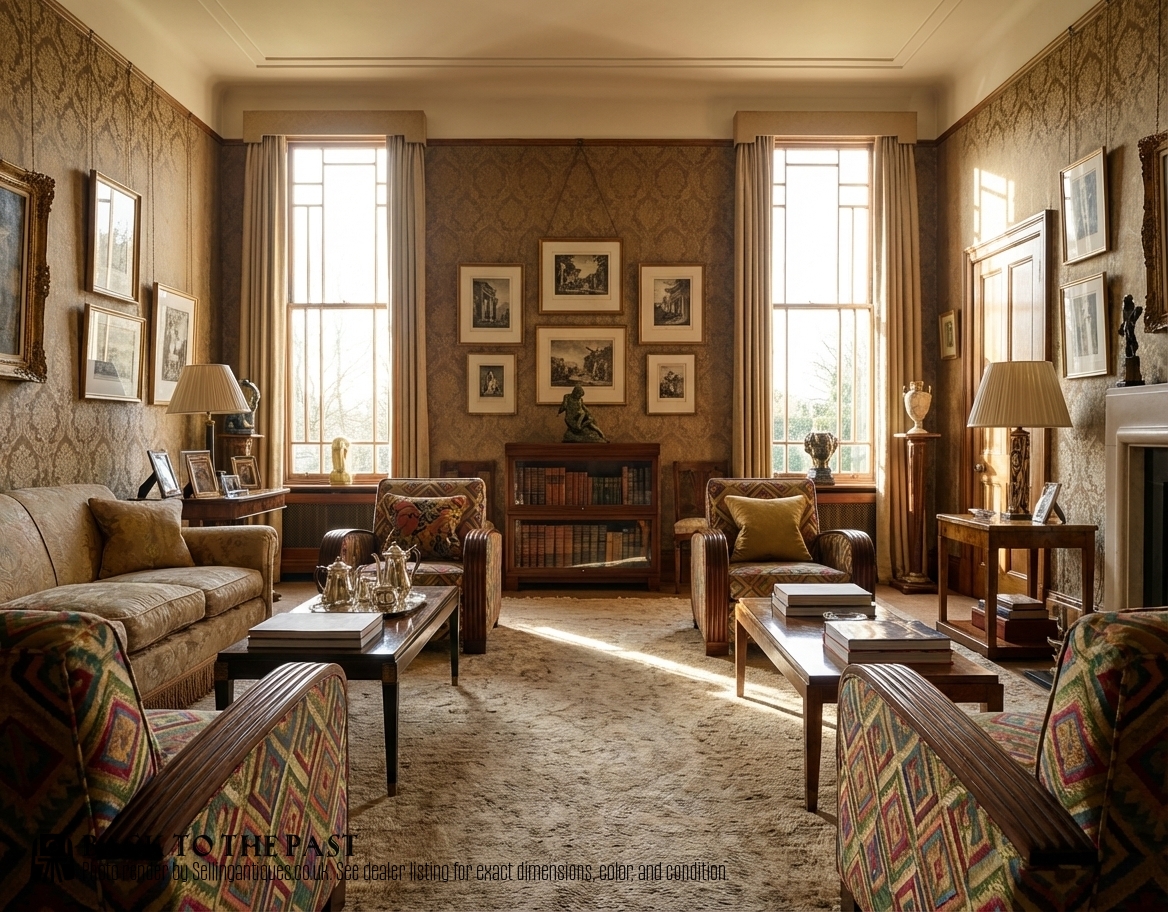
Identifying the art deco glazed bookcase
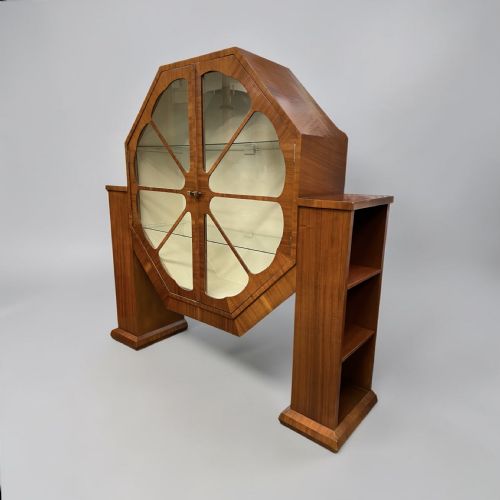
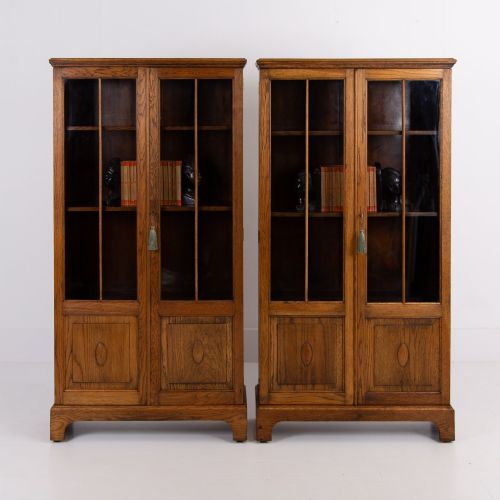
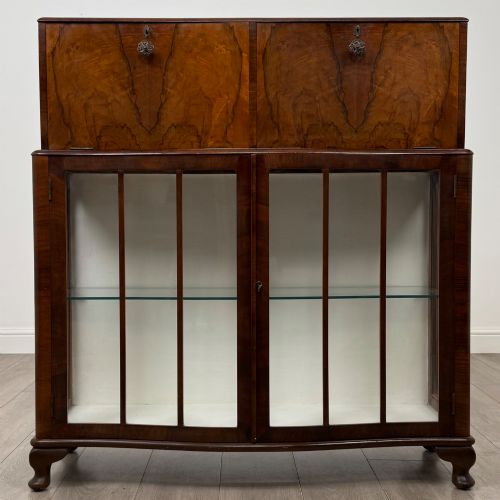
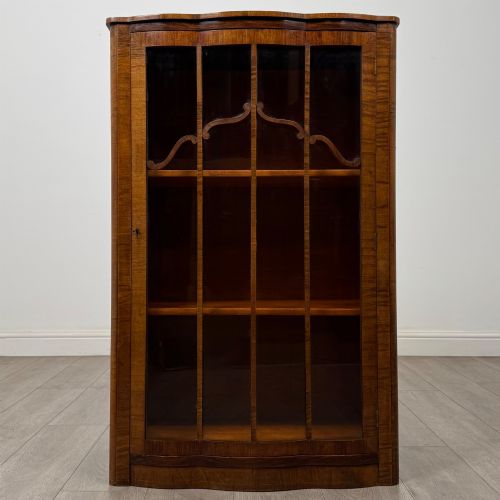
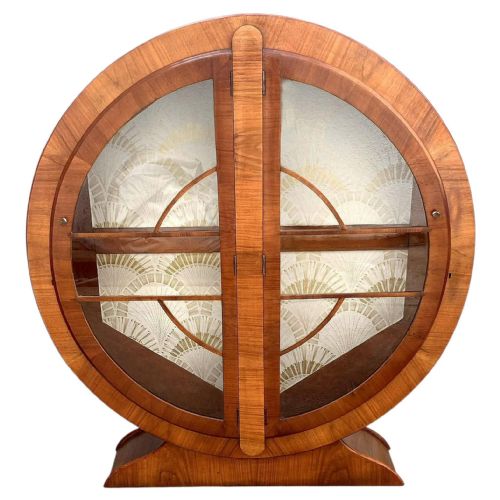
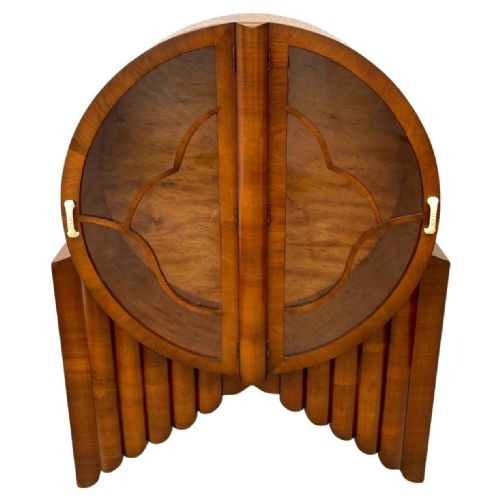
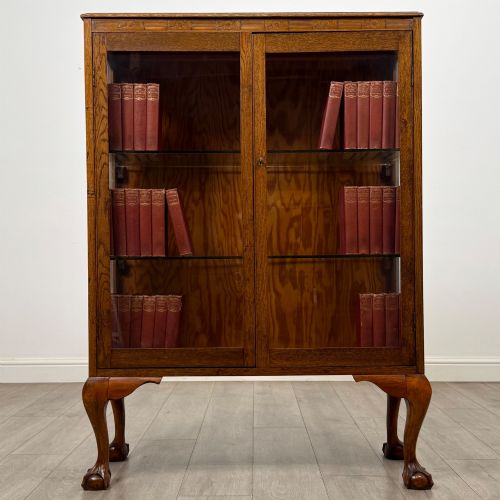
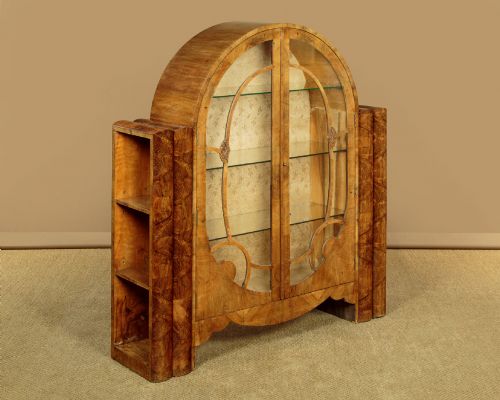
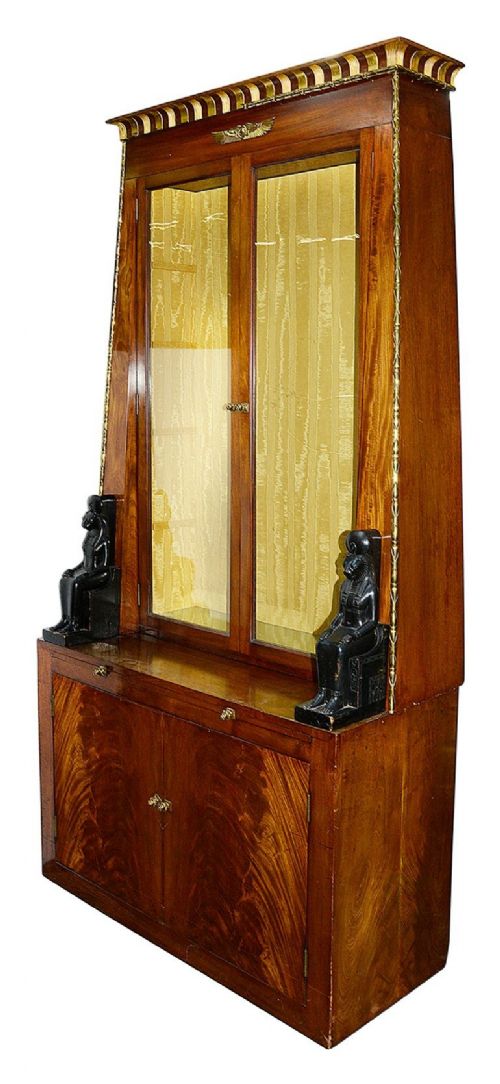
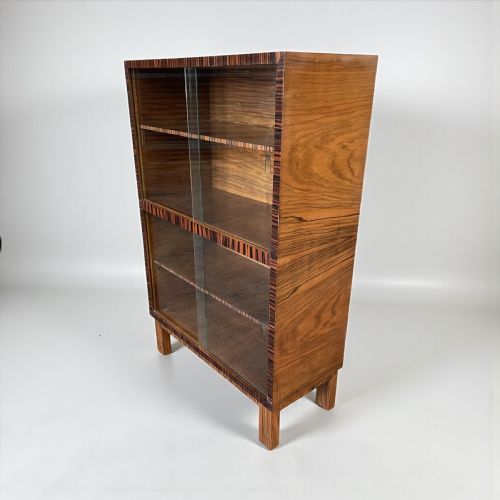
An art deco glazed bookcase combines visible timber grain with glass panels, creating a display space that keeps volumes protected from dust. These pieces generally date from around nineteen thirty, reflecting the streamlined aesthetic of the interwar period.
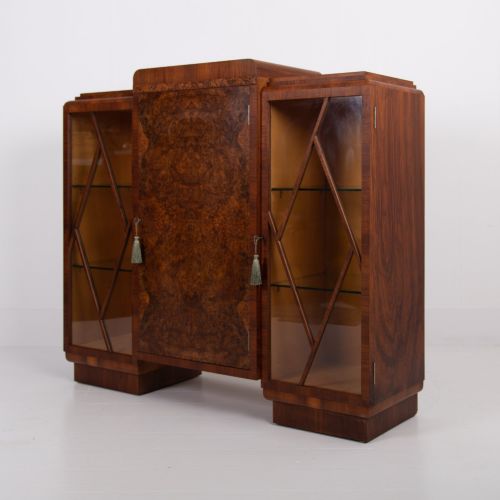
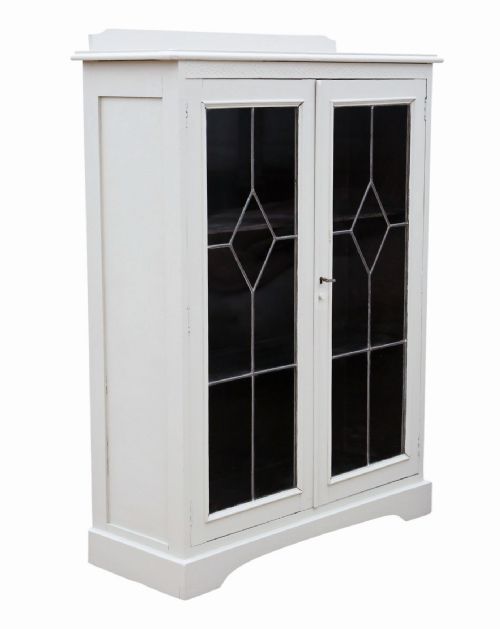
The format ranges from narrow upright cabinets to wider two-door or three-door arrangements. Buyers frequently encounter oak and walnut examples, often standing on plinth bases or short feet.
Makers such as Epstein and Heals of London contributed notable versions to this category. Pieces vary from light mahogany and golden oak to rich burr walnut and sycamore veneers.
Materials and construction methods
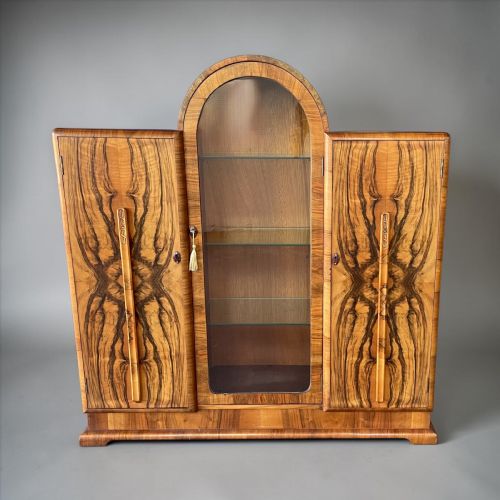
Cabinetmakers utilised solid timbers alongside decorative veneers such as burr walnut and sycamore to create striking surface patterns. Glass doors were fitted into timber frames, sometimes supplemented by brass hardware.
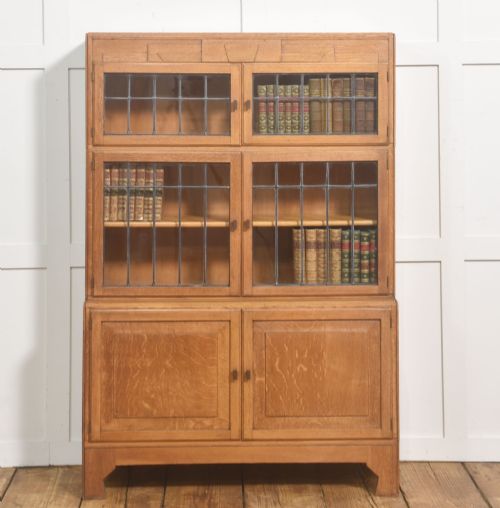
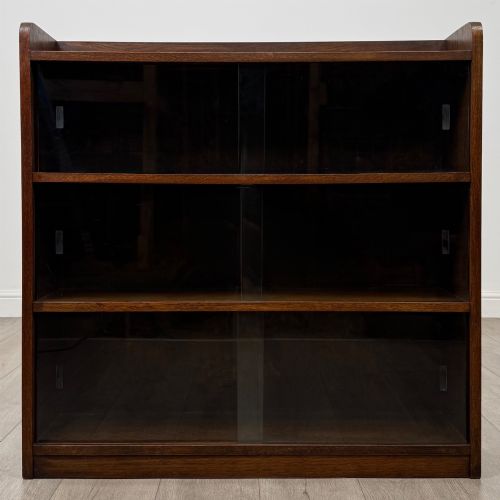
Sectional stacking designs also appear in this category, allowing individual glazed tiers to lift and slide. Wax and polish finishes were applied to highlight the natural figure of the wood.
Retail Price Guide 2026
Typical UK retail prices for art deco glazed bookcase, calculated from the Sellingantiques database of over a million retail prices indexed since 2003. This retail price guide relies exclusively on Sellingantiques data; no external sources or auction records are used, so the figures do not describe the wider market.
Some sections lift and slide so smoothly you will spend five minutes just opening and closing the empty glass doors.
Distinguishing quality across the range
The standard of an art deco glazed bookcase rests largely on the choice of veneer and the precision of the cabinetwork. Pieces employing finely figured burr walnut or contrasting sycamore banding exhibit a higher degree of ambition than plain oak alternatives.
Proportion and hardware integration further define the better examples. Original brass fittings and well-balanced glazing bars elevate the overall presence of the cabinet.
Epstein·Heals of London
The Art Deco Glazed Bookcase Glossary
- Burr walnut
- A highly figured timber harvested from walnut tree growths, prized for its swirling grain patterns. It provides a decorative surface on cabinet doors.
- Sycamore
- A pale hardwood often used for contrasting inlay or banding within interwar furniture. Its light tone balances darker walnut veneers.
- Glazing
- The fitting of glass into doors or sides to display contents while protecting them. It defines the primary function of these bookcases.
- Plinth base
- A solid rectangular block or platform supporting the lower section of the cabinet. It grounds the geometric forms typical of the period.
Frequently Asked Questions
What woods were used for an art deco glazed bookcase?
Makers utilised a variety of timbers, most commonly oak, walnut, and mahogany. More decorative examples featured burr walnut and sycamore veneers.
Lighter finishes also appear, reflecting the shifting tastes of the nineteen thirties towards brighter interiors.
How do sectional bookcases work?
Sectional bookcases consist of stacked modular tiers with glass doors that lift and slide inward. This design allows sections to be added or rearranged easily.
Such pieces combine utilitarian flexibility with the distinctive geometry of the period.
Where should I place a glazed bookcase?
These cabinets suit studies, living rooms, and libraries where books or display items require protection from dust. Their glazed doors keep contents visible while maintaining a tidy interior.
Positioning them away from direct sunlight preserves the polished timber and delicate veneers.
Are these bookcases freestanding?
The majority of pieces in this category are heavy, freestanding cabinets resting on plinths or short feet. They require stable flooring to support their glass doors and timber frames.
Their solid construction ensures they remain secure without needing wall attachment.