



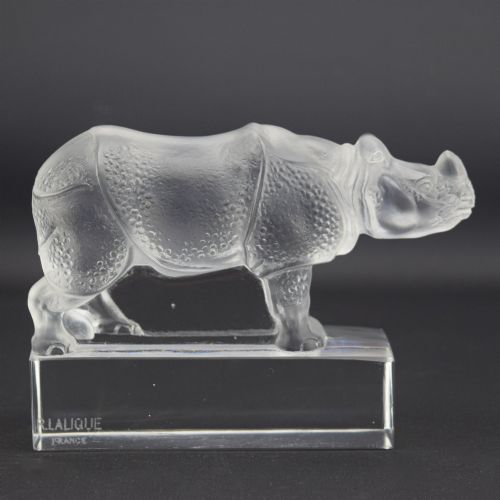

Art Deco Glass Sculpture
Art deco glass sculpture brings together figures, mascots and paperweights in moulded and frosted finishes from the interwar years.
Art Deco Glass Sculpture
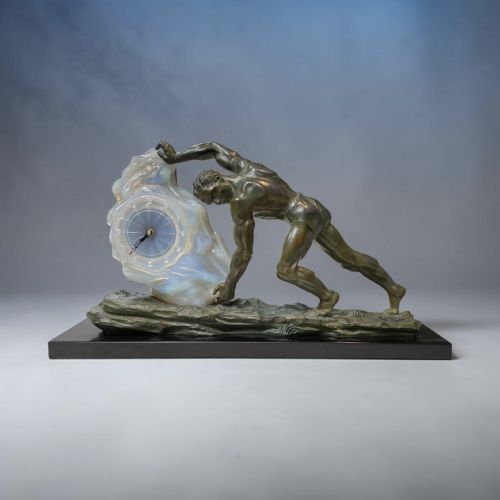
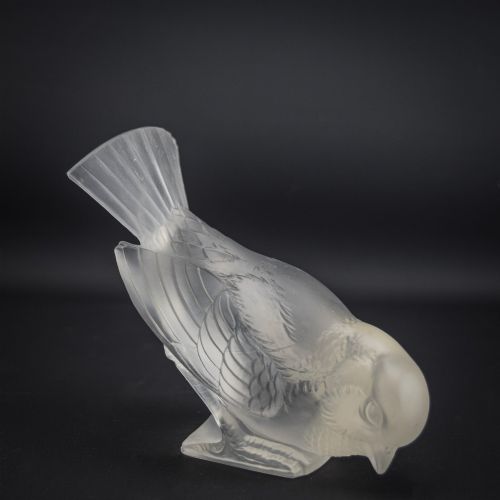
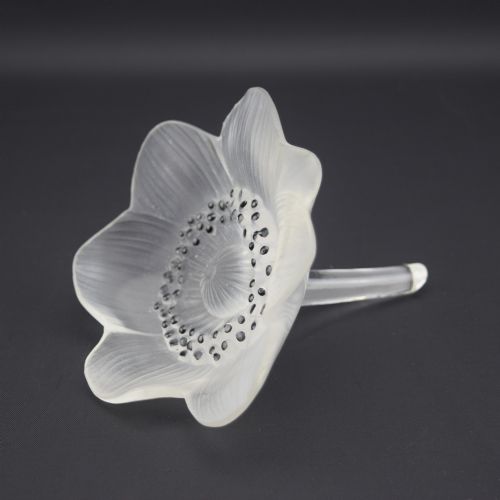
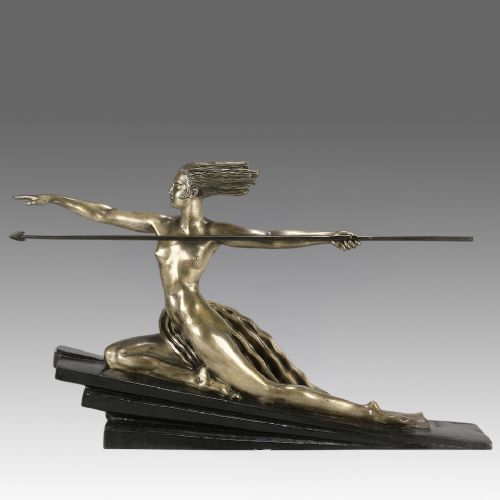
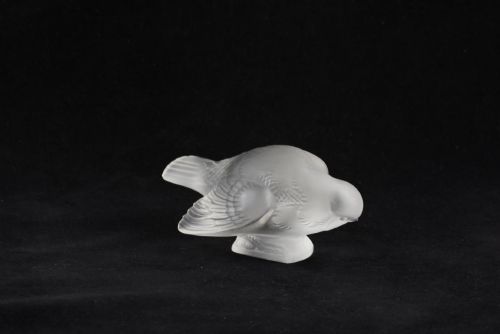
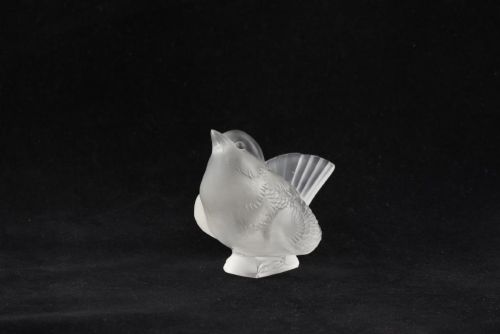
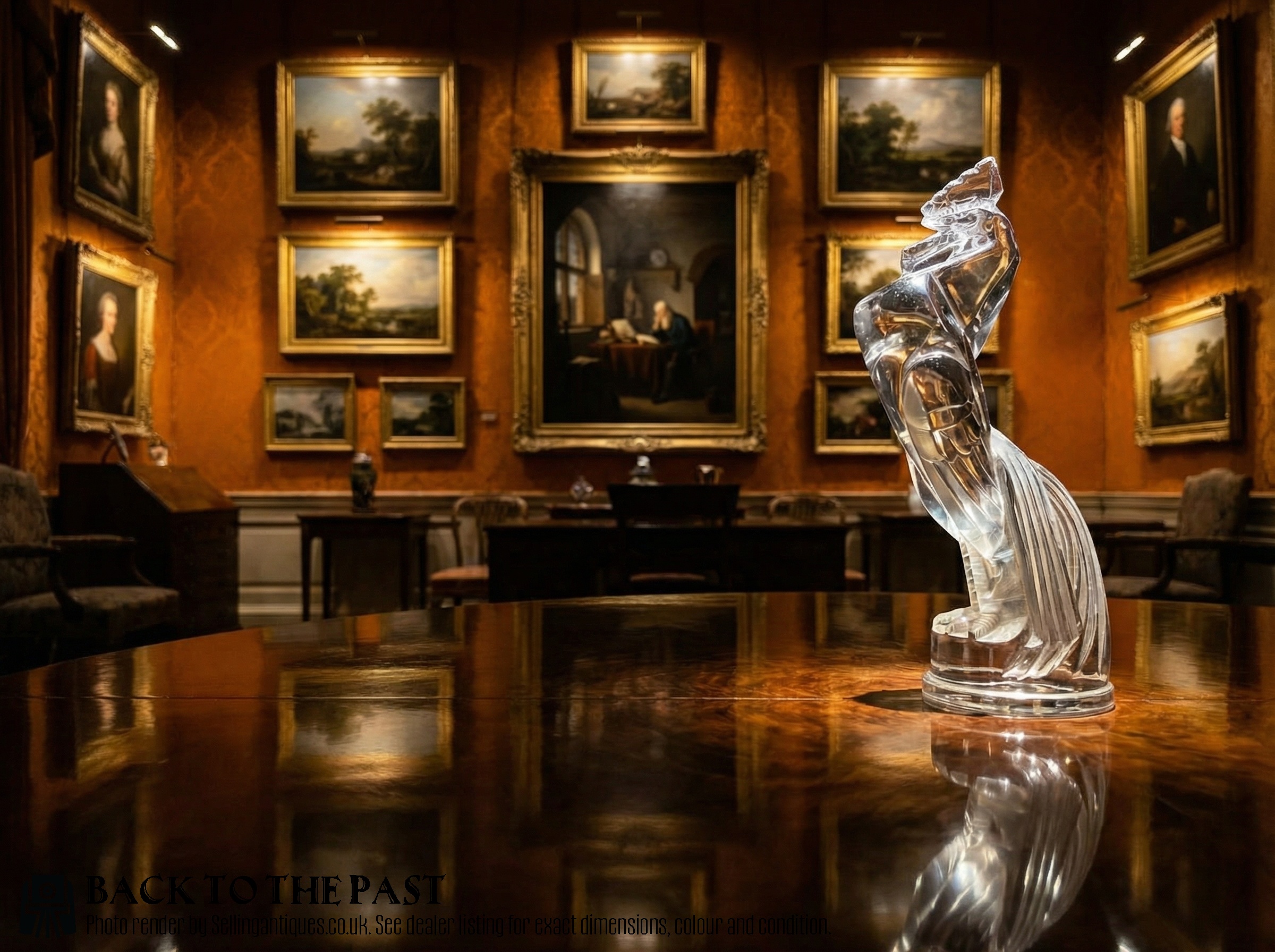
Art deco glass sculpture comprises figurines, statuettes, paperweights and car mascots produced primarily during the 1920s and 1930s. These pieces capture the distinctive aesthetic of the period through stylised forms and dynamic subjects ranging from wildlife to the human figure.
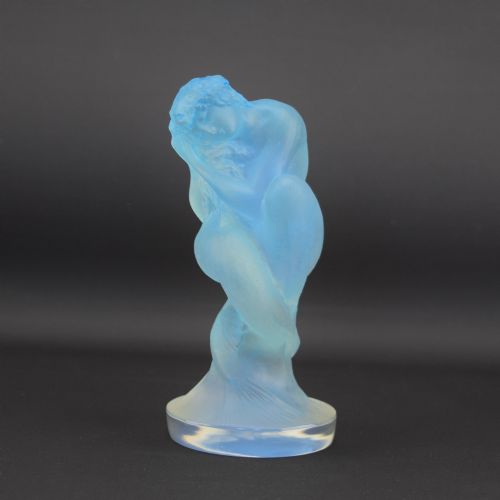
The examples most commonly encountered on this page originate from French workshops and makers, frequently cast in opalescent, frosted or clear glass. They combine sculptural volume with the optical properties of specialised glass to catch and refract light.
Forms vary from practical desk objects like paperweights to decorative statuettes and radiator ornaments designed for motor cars. Each category reflects the period's taste for sleek lines and modern materials.
How they were made
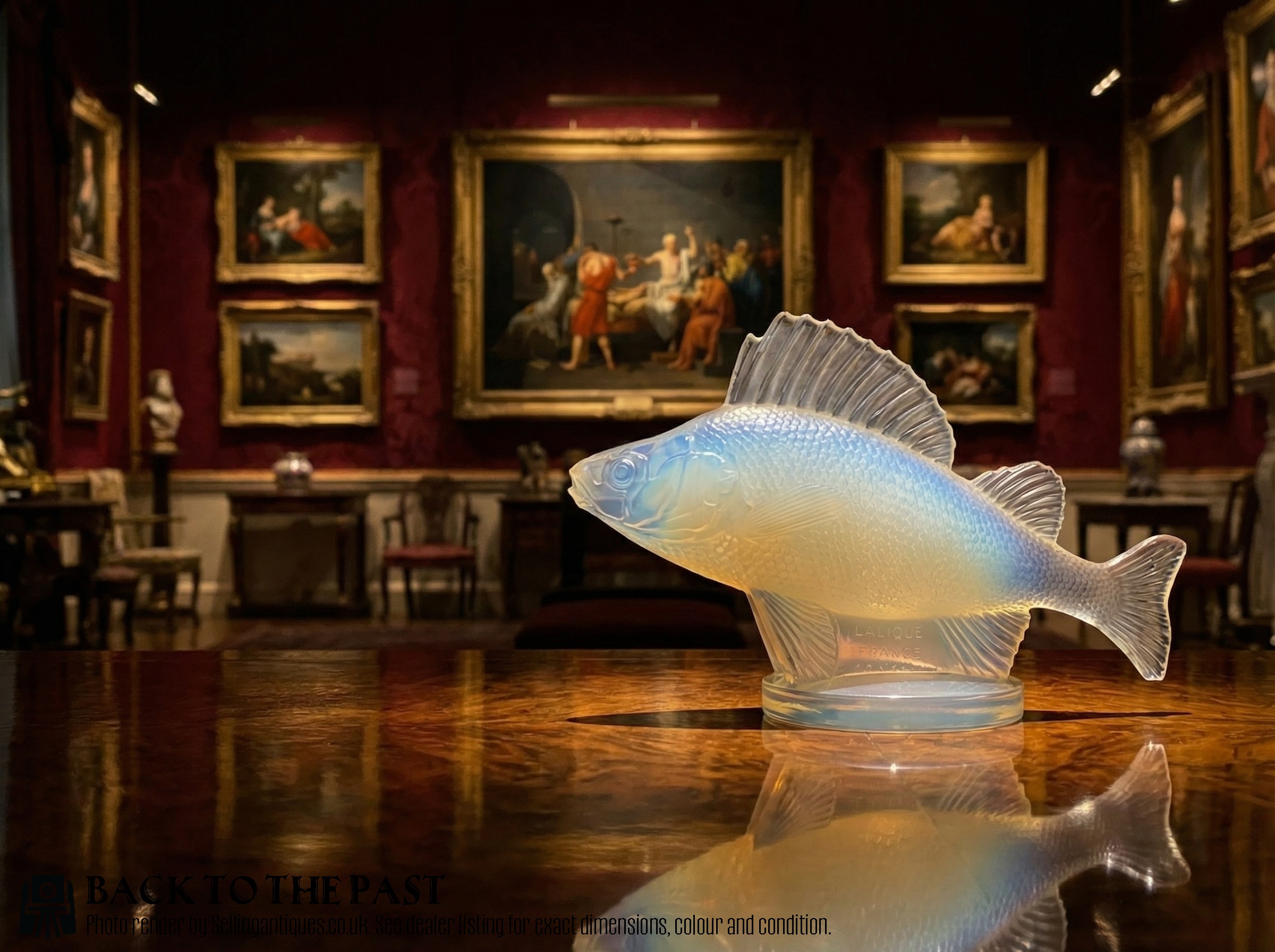
Makers utilised techniques such as moulding and frosting to achieve contrasting textures within a single piece. Molten material was pressed into metal moulds, allowing intricate details like feathers, fins and drapery to emerge with sharp definition.
Opalescent and crystal glass required precise chemical formulations to create milky, light-catching effects that shifted tone depending on the viewing angle. Some figures were subsequently mounted on bases of metal or wood to complete the composition.
Art Deco Glass Sculpture Retail Price Guide 2026
Typical asking prices for art deco glass sculpture among the pieces listed under this phrase on Sellingantiques today, from the lower quarter to the upper quarter. They describe what is for sale here now, not the wider market.
The listings span the 1920 and 1930 periods, featuring moulded, frosted, opalescent and clear glass alongside metal and wood mounts.
What varies in quality
Quality rests upon the crispness of the moulded detail and the sophistication of the glass formulation itself. Superior pieces exhibit subtle shifts in opalescence and clean lines that retain their definition across complex forms.
The integration of the glass sculpture with its secondary materials, such as metal or wood mounts, also distinguishes finer examples. Subtle surface finishes like selective frosting enhance the three-dimensional impact of the subject.
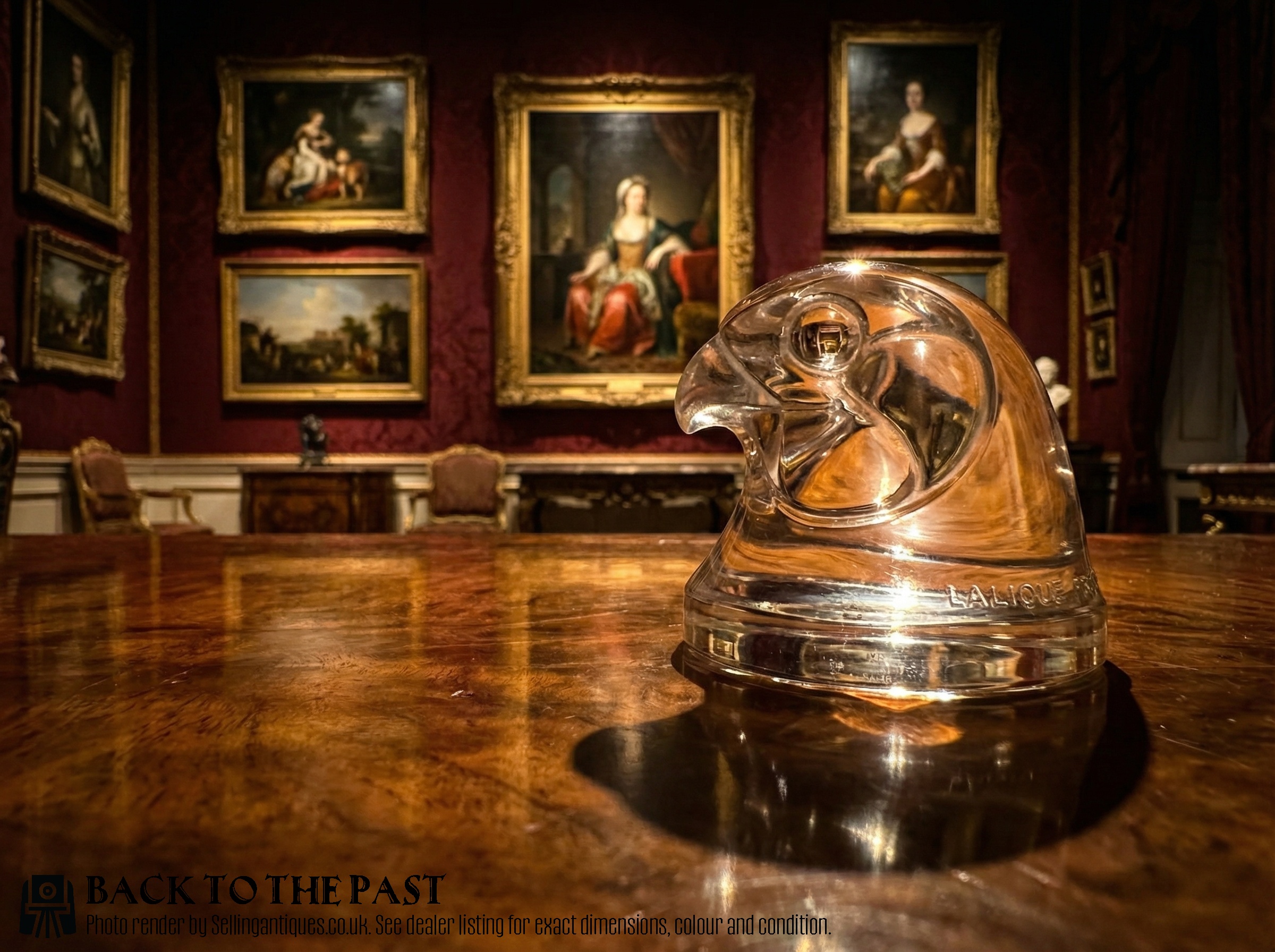
Rene Lalique·Etling·Lucille Sevin·Curt Schlevogt
The Art Deco Glass Sculpture Glossary
- Opalescent glass
- Glass that displays a milky, bluish lustre when lit from the front and a warm amber tone against the light. This optical property was a hallmark of advanced interwar glassmaking.
- Frosted glass
- A finish achieved by acid-etching or sandblasting the surface to create a matte texture. It was frequently used on figurative sculptures to highlight anatomical details and clothing.
- Car mascot
- A decorative ornament mounted on the radiator cap of a motor car during the 1920s and 1930s. Many were cast in heavy glass so they could be illuminated from below.
- Paperweight
- A small, weighted desk object designed to hold loose sheets of paper in place. In this period, they often took the form of stylised birds and animals modelled in solid glass.
Art Deco Glass Sculpture: Frequently Asked Questions
What is an art deco glass sculpture?
It is a decorative object or car mascot produced in moulded, frosted or opalescent glass during the 1920s and 1930s. These pieces often depict figures, birds or fish in stylised modern forms.
They reflect the design priorities of the interwar period, combining sculptural presence with innovative glass chemistry to play with light.
How were car mascots used?
Car mascots were mounted on the radiator caps of luxury automobiles as personal statements of style. Many were hollow or heavy enough to be fitted with internal lighting systems.
Today, they are collected and displayed as independent sculptures rather than mounted on vehicles.
How do I identify opalescent glass?
Opalescent glass shifts in colour depending on the direction of the light source. It typically appears milky blue from the front and warm orange or yellow when backlit.
This effect was achieved by adding specific minerals to the molten batch before moulding.
How should I display these sculptures?
Display them where natural or artificial light can pass through the glass to activate the opalescence and frosted surfaces. Placing them on stable wooden or glass shelves away from edges ensures their safety.
Avoid direct, intense heat sources that might stress vintage glass formulations.