

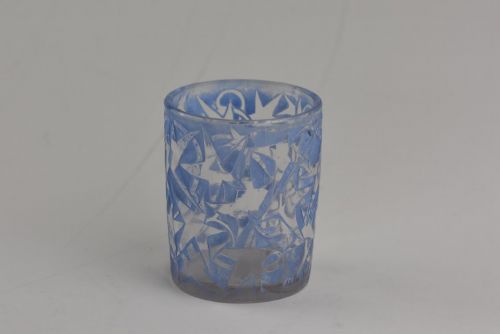


Art Deco Glass Pot
An art deco glass pot brings geometric elegance to a dressing table, combining heavy cut crystal with coloured enamel and sterling silver mounts.
Art Deco Glass Pot
An art deco glass pot typically takes the form of a vanity jar, powder box, dressing table accessory, or condiment container designed during the early twentieth century. The selection ranges from cut crystal vanity vessels with sterling silver lids to moulded glass boxes carrying vibrant blue, pink, or bronze enamel details.
Vessels from the 1920s and 1930s predominate, reflecting the height of the modernist geometric movement alongside lingering Edwardian refinement and earlier Art Nouveau sensibilities. Buyers encounter everything from small dressing table pots to lidded bowls and desk inkwells.
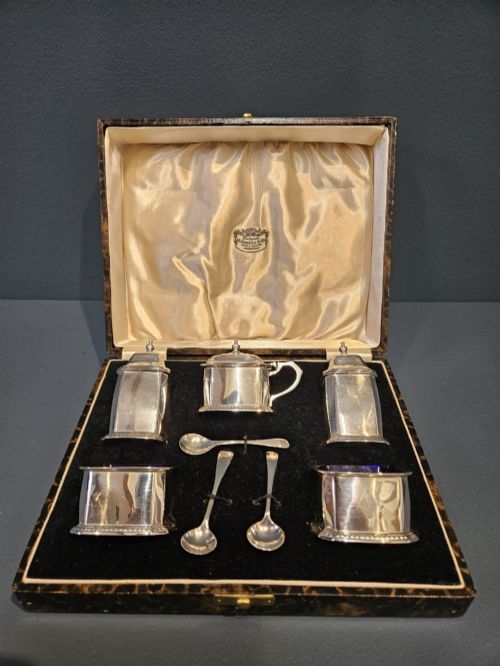
Functional items such as preserve dishes, mustard pots, and teapot stands also appear alongside cosmetic containers. These dual-purpose table wares bring utilitarian charm into domestic spaces.
How they were made
Makers combined heavy lead crystal and clear glass with sterling silver collars, mounts, and lids. Glass bodies received deep geometric cutting or acid etching, whilst silver components were frequently assayed in Birmingham or London.
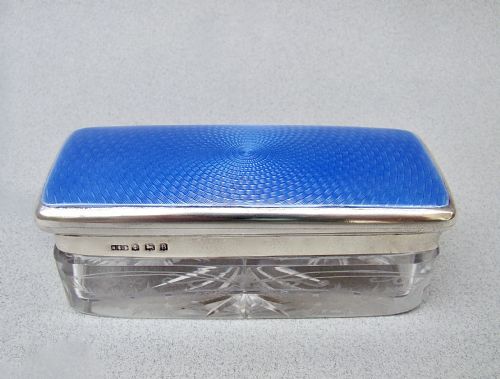
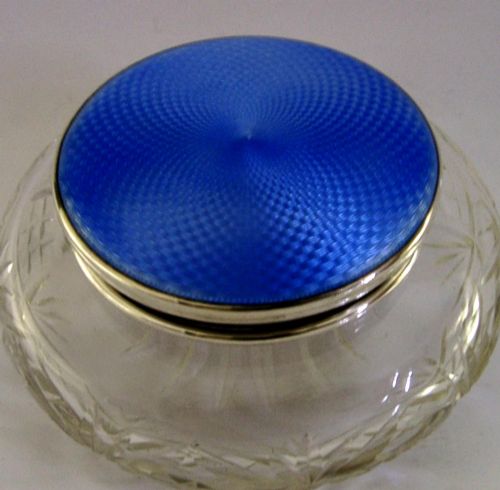
Coloured enamel, guilloché engine-turned patterns, and tortoiseshell inserts decorated the metal lids. Artisans fused glass, silver, and enamel to create crisp contrasts between polished metal and textured crystal.
Dogs and horses occasionally join the dressing table, appearing on novelty silver teapot stands alongside traditional floral motifs.
What varies in quality
The crispness of the glass cutting and the weight of the crystal determine the underlying substance of the piece. Thick, deeply faceted vessels sit at the upper end of the scale compared to lighter, plain moulded alternatives.
The complexity of the lid decoration dictates visual distinction. Intricate guilloché enamel work, undamaged tortoiseshell panels, and substantial silver mounts elevate standard vanity containers into exceptional examples of period craftsmanship.
Henry Clifford Davis·William Neale·Rene Lalique·The Adie Brothers
The Art Deco Glass Pot Glossary
- Guilloche enamel
- A decorative technique where translucent enamel is layered over machine-turned metal engraving. This creates repetitive geometric patterns that catch the light beneath the colour.
- Sterling silver
- An alloy consisting of silver and other metals, typically copper, standardised for durability. It forms the protective collars and fitted lids on many glass vessels.
- Vanity jar
- A small lidded container designed to hold cosmetics, trinkets, or pins on a dressing table. These pieces often feature glass bases paired with precious metal tops.
- Frosted glass
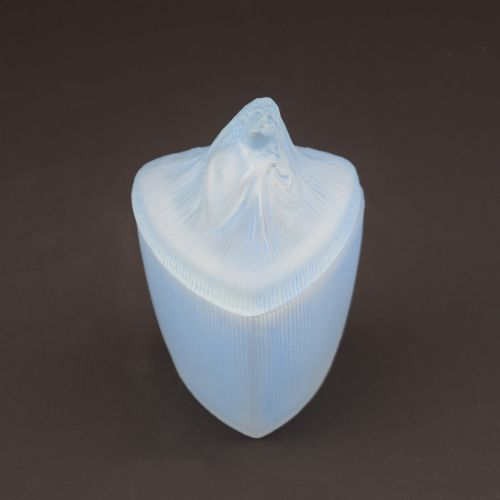
- Glass treated with acid etching or sandblasting to create a matte, translucent surface. This technique highlights sculptural details and contrasts with polished clear glass.
- Inkwell
- A small lidded pot designed to hold liquid writing ink for a desk. They frequently incorporate heavy glass bases to prevent tipping during use.
Art Deco Glass Pot: Frequently Asked Questions
What were art deco glass pots used for?
These vessels served primarily on dressing tables to hold face powder, rouge, pins, and cosmetics. Others functioned on dining tables and desks as mustard pots, jam dishes, or inkwells.
Their dual utility as decorative objects and practical containers made them staple accessories in early twentieth-century homes.
How do I date an art deco glass pot?
Assay marks and hallmarks stamped onto the sterling silver mounts provide the most reliable dating evidence, showing the specific town and year of manufacture. Stylistic markers such as geometric enamel patterns or moulded frosted glass also point towards the 1920s and 1930s.
Maker signatures on the glass base help attribute pieces to specific designers or workshops active during the period.
How do I clean the silver and glass?
Wash the glass body gently in warm soapy water, avoiding harsh abrasives that might scratch the surface or damage frosted areas. Clean the silver mounts and enamel lids separately with a soft microfibre cloth, keeping polish away from any exposed glass.
Careful handling protects delicate hinges and prevents moisture from seeping under glued or fitted mounts.