


Dressing Table Powder Box
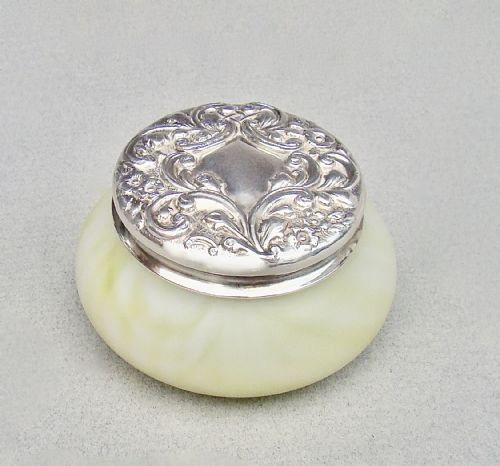
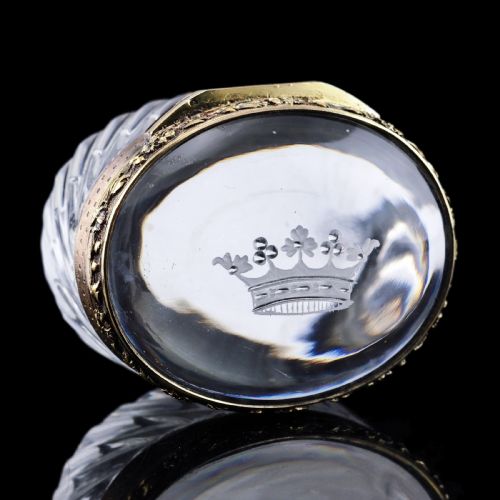
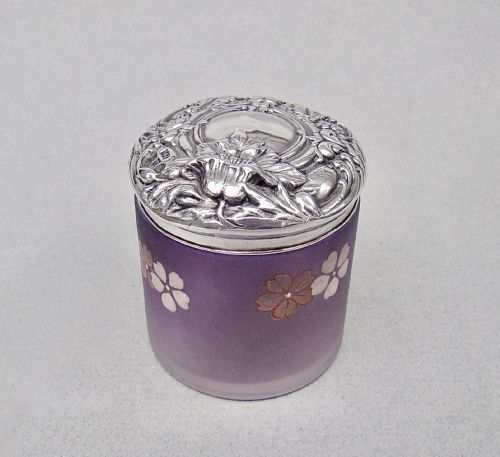
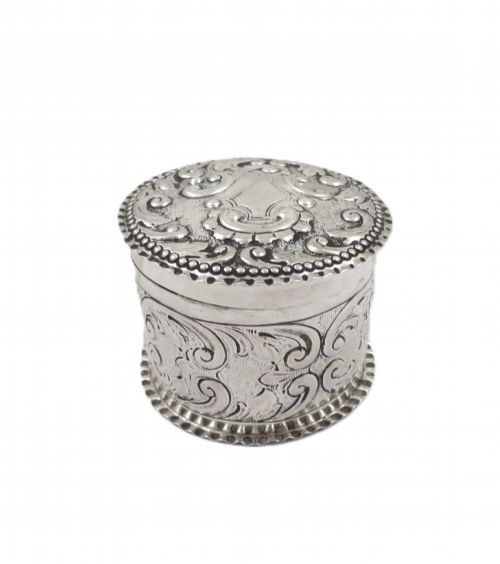
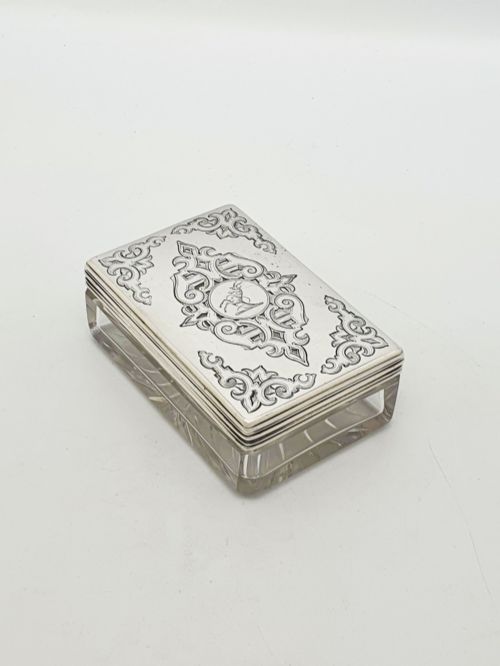
These dressing table powder boxes range from Georgian silver-mounted crystal to Art Deco ceramic flapper figures, designed to hold cosmetics and adorn a dressing room.
Dressing Table Powder Box
A dressing table powder box is a container designed for cosmetics, holding loose powder, puffs, and trinkets on a vanity or dressing table.
The pieces seen here span from the 19th Century through the Edwardian period and into the 1930s, reflecting changing habits in personal grooming.
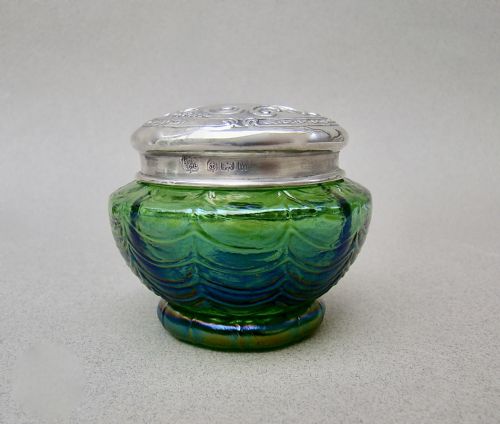
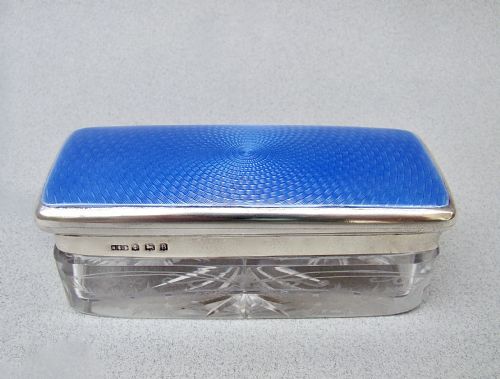
Makers produced these objects in diverse forms, ranging from crystal jars with sterling silver lids to moulded glass bowls and ceramic bathing belle figures.
Materials and construction
Craftsmen utilised sterling silver for hinged and loose lids, frequently hallmarked in Birmingham, London, and Chester.
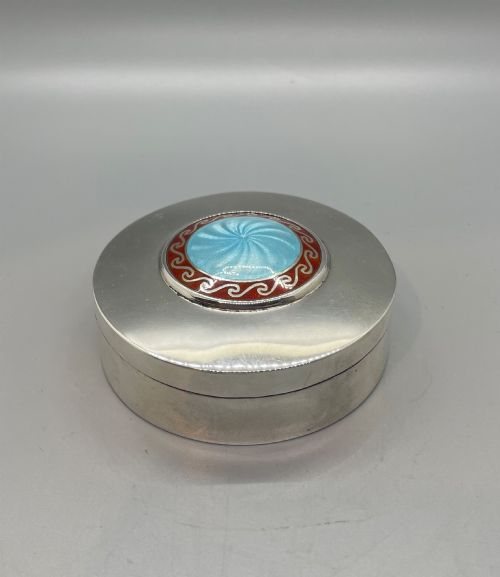
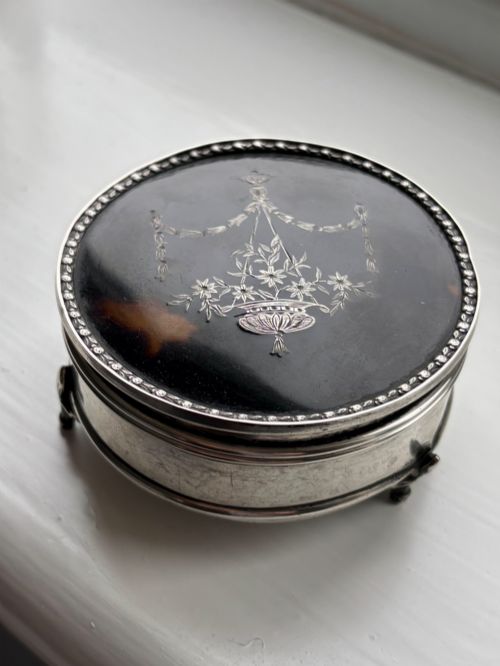
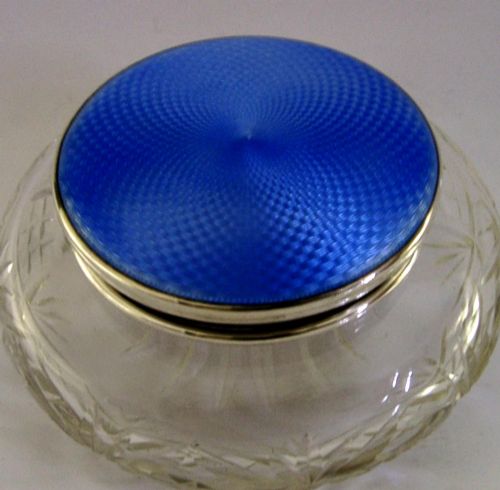
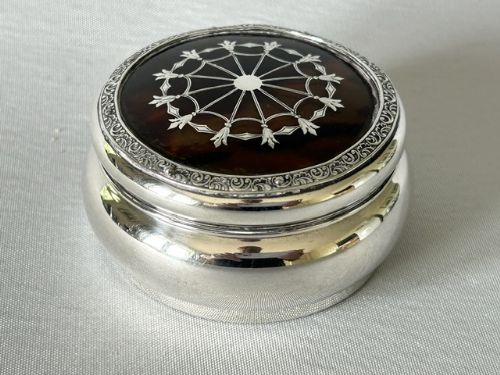
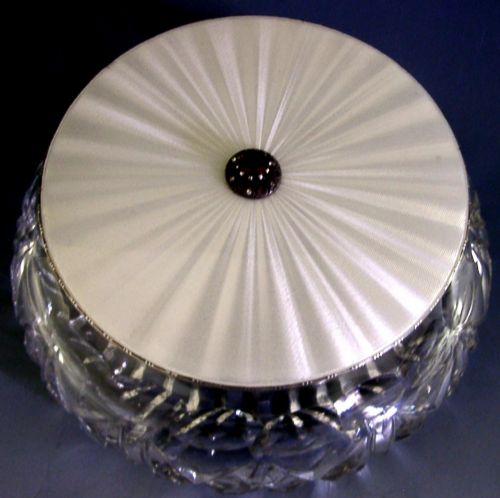
Bodies were formed from cut glass, crystal, enamel, and ceramic, often paired with guilloché enamel, tortoiseshell, and pique work.
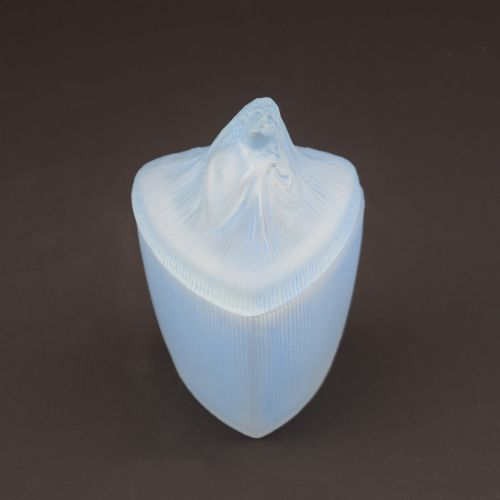
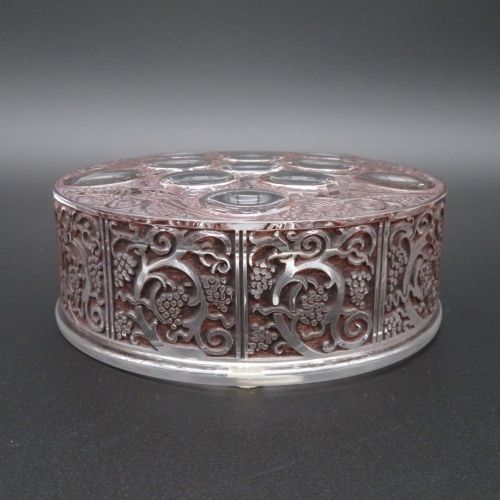
Pressed glass techniques allowed makers such as Lalique and Kralik to produce textured frosted surfaces and intricate motifs.
Materials span sterling silver, cut glass, enamel, porcelain, and frosted glass across Edwardian, Victorian, and Art Deco styles.
Distinctions in quality
Quality rests on the precision of the metalwork, the clarity and depth of the cut or moulded glass, and the execution of the enamel.
Signed pieces by notable makers and silversmiths command attention through superior weight, finer detail in mounts, and well-preserved finishes.
A. J. Pepper & Co·Ollivant & Botsford·Henry Clifford Davis·A. Bromet & Co·Paul Storr·Rene Lalique·Asprey & Co·Elkington & Co·Posen·Cartier London·Henry Williamson Ltd
The Dressing Table Powder Box Glossary
- Guilloché enamel
- A decorative technique where a precise geometric pattern is機械 engraved beneath a translucent enamel layer. This method was widely used on silver lids during the 1920s and 1930s.
- Sterling silver
- An alloy containing 92.5 percent silver by mass, standard for British dressing table mounts and boxes. Hallmarks stamped into the metal indicate the maker, town, and year of assay.
- Frosted glass
- Glass treated to achieve a matte, non-reflective surface, often utilised in Art Deco designs for tactile contrast. It appears frequently in pieces associated with continental makers.
- Pique work
- The art of inlaying tiny pins of gold or silver into tortoiseshell or ivory. This decorative technique appears on Edwardian vanity boxes.
Dressing Table Powder Box: Frequently Asked Questions
What are dressing table powder boxes?
These items are lidded receptacles designed to sit on a vanity table, serving as tidy vessels for face powder, puffs, and small jewellery.
They unite utilitarian function with decorative arts, reflecting the aesthetic preferences of their period of manufacture.
How were powder boxes used?
Owners placed loose cosmetic powder inside the bowls or jars, often accompanied by a swansdown puff for application during daily toilet routines.
Beyond cosmetics, they functioned as receptacles for rings, pins, and trinkets when not in active use.
How do I date a silver lidded box?
British silver boxes bear hallmarks that include a date letter indicating the exact year of assay, alongside the maker's mark and town assay office symbol.
Stylistic cues, such as Edwardian restraint or Art Deco geometric enamel, help corroborate the period of manufacture.
How should I clean a silver and glass box?
Glass bodies benefit from warm soapy water and a soft cloth, taking care to keep moisture away from any glued or lined interiors.
Silver mounts require targeted polishing with a non-abrasive cloth, avoiding contact with enamel, tortoiseshell, or glass surfaces.