





Blue Glass Powder Box
A blue glass powder box brings colour and elegance to any dressing table, combining practical storage with the decorative arts of past decades.
Blue Glass Powder Box
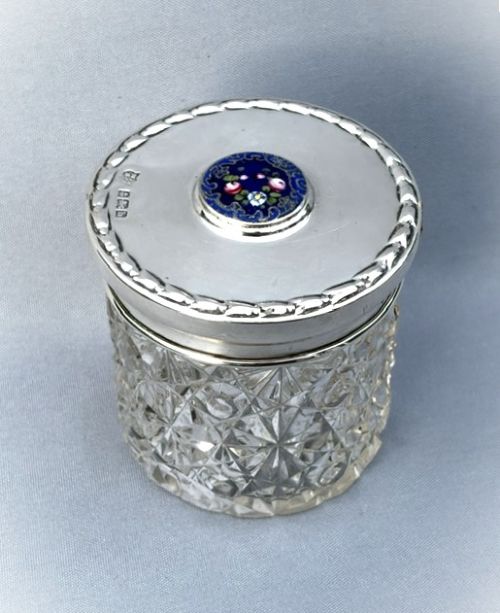
A blue glass powder box serves as a charming vessel for cosmetics on a dressing table, taking forms such as vanity jars, dressing table jars, and dedicated powder boxes. When searching for a blue glass powder box, a buyer encounters pieces originating from the nineteenth century through to the art deco and edwardian periods.
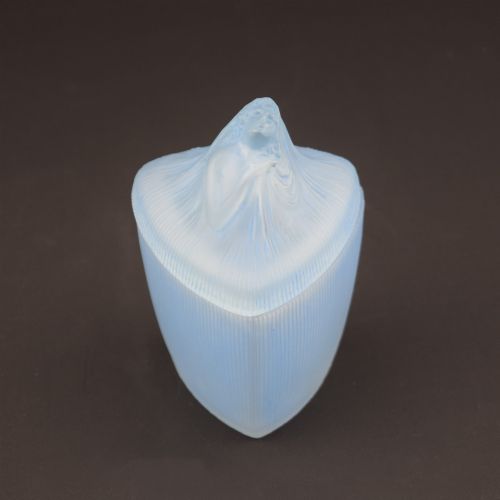
The selection ranges from nineteenth century French and English enamel and silver lidded jars to geometric art deco items and moulded pieces by Rene Lalique. These containers often arrive paired with matching vanity sets or perfume bottles, reflecting the dressing table customs of their respective eras.
How they were made
These objects combine glassmaking traditions with metalwork, frequently pairing blue glass, Bristol glass, or Clichy glass with sterling silver and enamel. Makers utilised techniques such as cutting glass and applying guilloche enamel to create textured and coloured surfaces.
Lalique pieces demonstrate moulded opalescent and frosted glass techniques, often featuring figural designs like tete de femme or amours integrated directly into the lid and body of the box.
Blue Glass Powder Box Retail Price Guide 2026
Typical asking prices for blue glass powder box among the pieces listed under this phrase on Sellingantiques today, from the lower quarter to the upper quarter. They describe what is for sale here now, not the wider market.
Powder boxes once doubled as miniature stages for tiny portraits of lovers hidden beneath translucent enamel lids.
What varies in quality
Quality in these items rests upon the crispness of the glass moulding, the weight and purity of the sterling silver mounts, and the fine detail preserved in the guilloche or hand-painted enamel decoration. Pieces bearing clear hallmarks or the signature of established makers like Rene Lalique display a superior level of artistry.
The integration between the glass body and the metal lid determines the overall finish, where tight closures and undamaged decorative panels distinguish finer examples from standard dressing table wares.
Henry Clifford Davis·Rene Lalique
The Blue Glass Powder Box Glossary
- Guilloche enamel
- A decorative technique where an intricate mechanical pattern is engraved beneath a translucent layer of coloured enamel. This method creates a shimmering background effect frequently seen on art deco silver lids.
- Bristol blue glass
- A distinctive deep blue glass produced in Bristol during the eighteenth and nineteenth centuries. It often provides the vivid colour base for antique dressing table jars and vanity boxes.
- Opalescent glass
- A milky, translucent glass that displays shifting tones of blue and other colours when lit from different angles. It is a defining characteristic of many moulded pieces from the early twentieth century.
- Sterling silver
- An alloy of silver containing ninety-two point five percent pure silver and seven point five percent other metals, usually copper. This durable metal forms the weighted rims, collars, and hinged lids found on many powder boxes.
Blue Glass Powder Box: Frequently Asked Questions
What are blue glass powder boxes used for?
These jars served historically to hold loose face powder, cosmetics, or small trinkets upon a Victorian, Edwardian, or Art Deco dressing table.
Today, they function as decorative containers or as collector's display pieces that bring period charm to a modern bedroom or bathroom.
How do I identify an art deco powder box?
Art deco examples typically feature geometric lines, stylised motifs, and machine-turned guilloche enamel work set into sterling silver mounts.
They generally date from the nineteen twenties and nineteen thirties, contrasting with the more ornate florals of earlier Edwardian or nineteenth century French pieces.
Are Lalique powder boxes marked?
Rene Lalique pieces often carry moulded or engraved signatures such as Lalique or R. Lalique on the underside or edge of the glass.
These signatures help confirm the origin of figural designs like the Roger, Coty, or Amours boxes produced in the early twentieth century.