





Art Deco Glass Dishes
Art deco glass dishes bring tactile geometry and luminous opalescent depth directly to the table.
Art Deco Glass Dishes
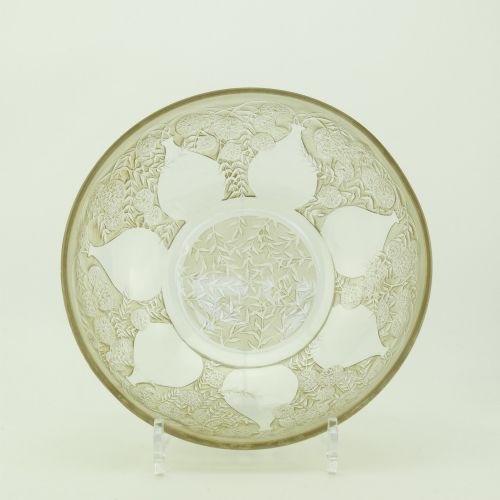
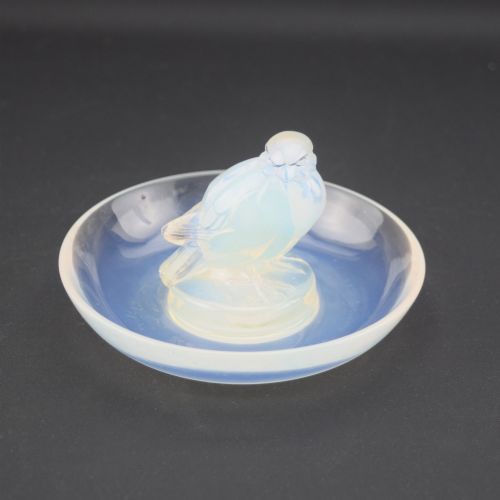
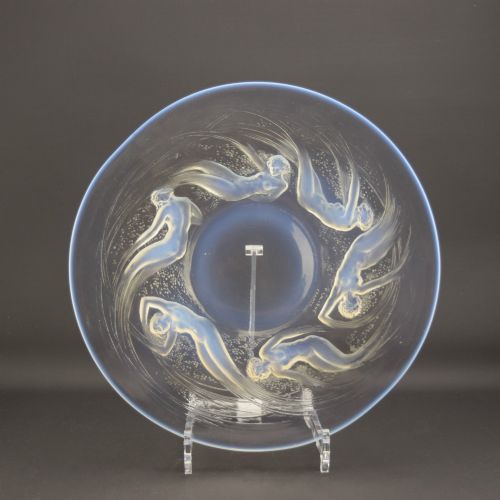
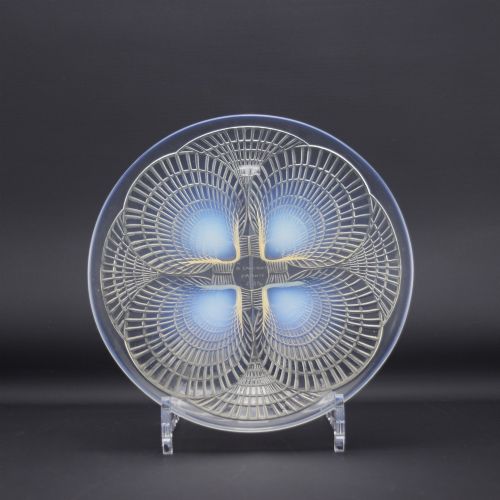
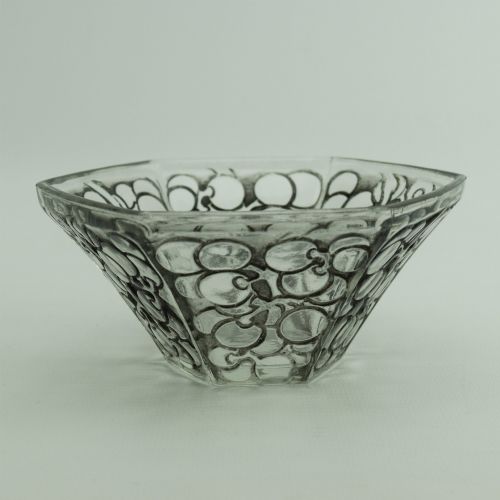
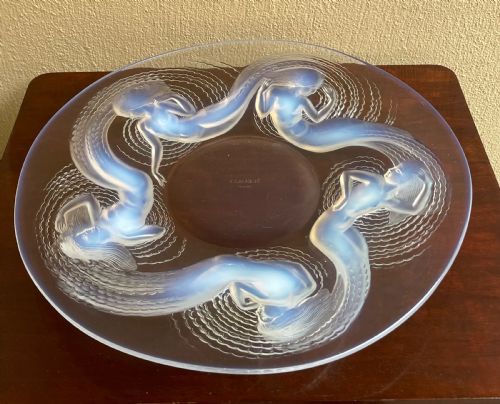
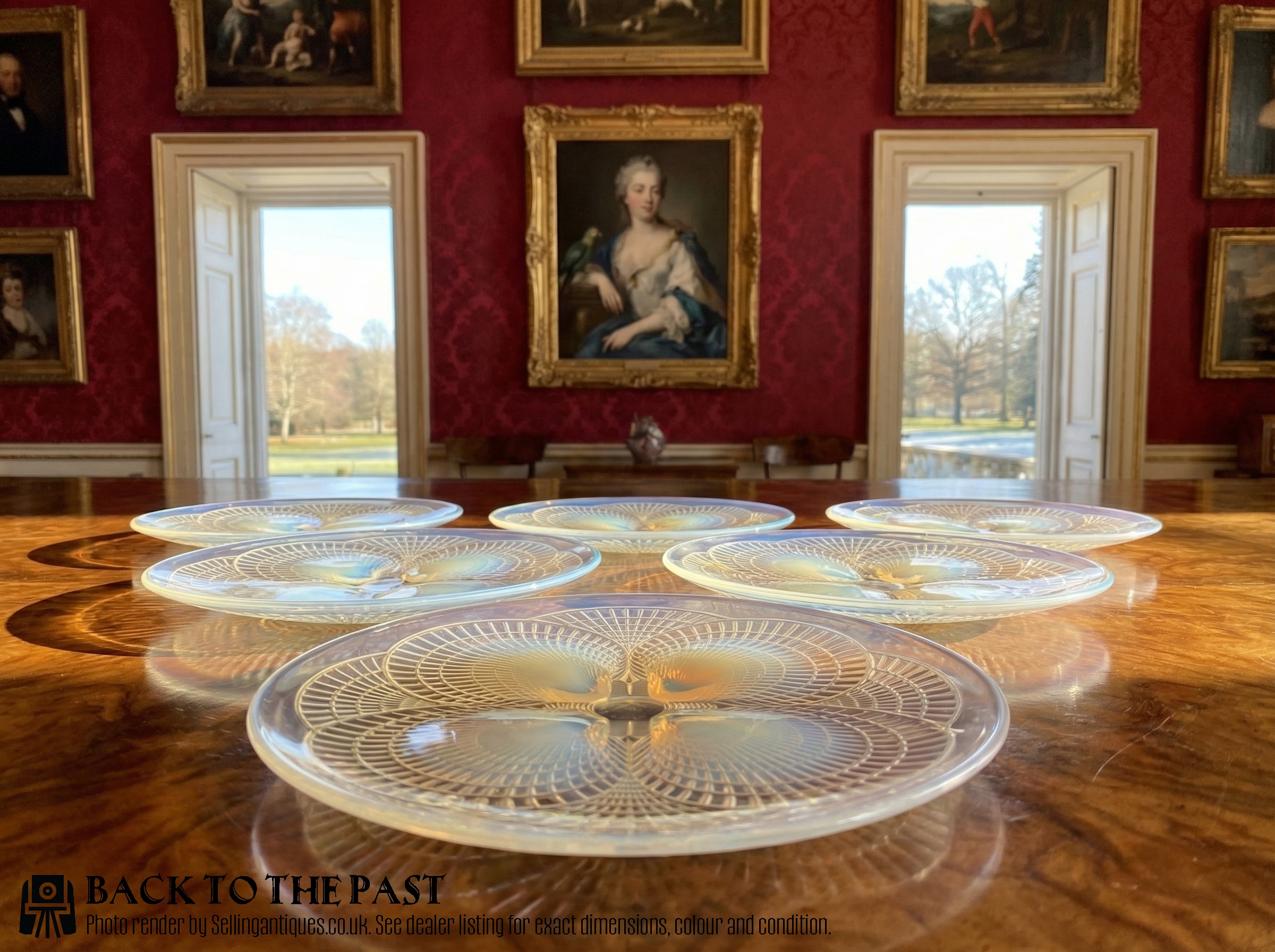
Art deco glass dishes encompass decorative bowls, plates, pin dishes, chargers, and vanity jars produced during the early twentieth century. You will frequently encounter opalescent glass, frosted glass, and moulded forms bearing plant, animal, or geometric motifs from the 1920 and 1930 periods.
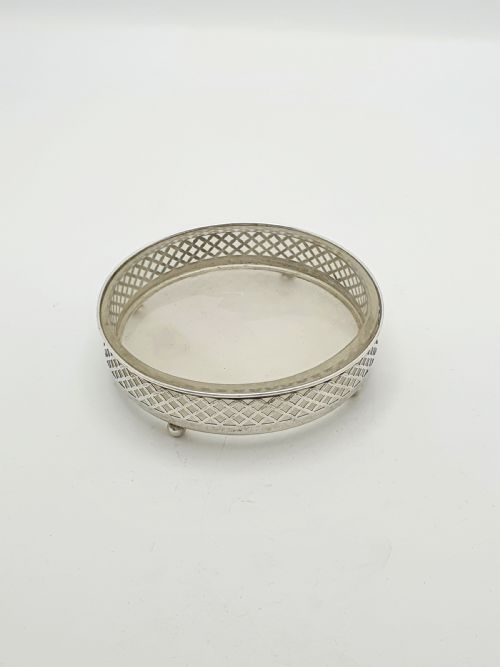
The selections span utilitarian serving vessels with silver-plated or sterling silver mounts, such as butter dishes and salt cellars with cobalt glass liners, alongside sculptural glass art pieces. French and British workshops dominate the forms, moving from Edwardian roots toward distinct modernist styles.
How they were made
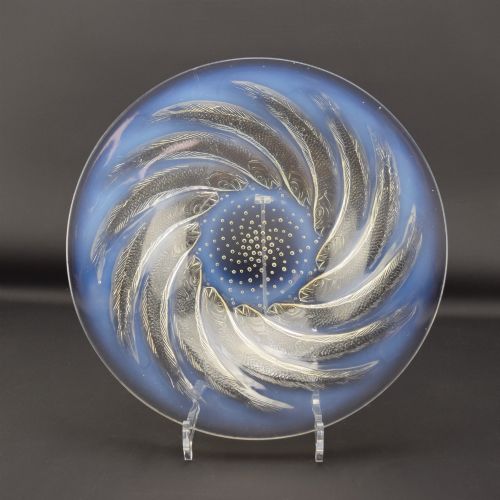
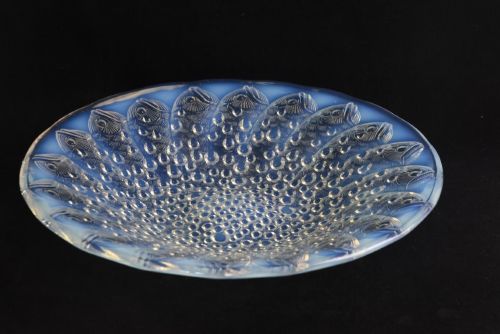
Makers utilised pressed and moulded glass techniques, often employing opalescent or frosted finishes to catch and diffuse light across raised surface designs. Molten material entered heavy metal moulds to achieve high relief patterns representing flowers, fish, and abstract geometry.
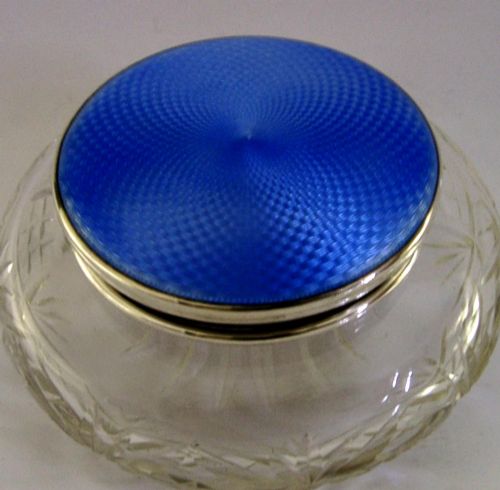
Many items incorporate metalwork components, pairing crystal or coloured glass liners with pierced sterling silver, silver plate, or vibrant enamel covers. Artisans then applied patinas, sepia staining, or enamelling to accentuate the contours of the moulded glass.
The documented periods span from Edwardian times through the 1910, 1920, and 1930 decades.
What varies in quality
The distinction in quality rests upon the crispness of the moulded detail, the depth and milkiness of the opalescence, and the integration of metal mounts. Superior pieces display sharp relief in motifs like fish or foliage without blurring at the edges.
Design attribution also governs standing, with marked examples from renowned designers and factories commanding attention for their artistic execution. The weight of the crystal and the subtlety of colour transitions further separate standard production items from masterworks.
Rene Lalique·G Vallon·Val St Lambert·Jobling Opalique·Etling
The Art Deco Glass Dishes Glossary
- Opalescent Glass
- Glass that exhibits a milky, bluish lustre when viewed by reflected light while appearing amber or warm by transmitted light. This optical effect is achieved by adding specific agents to the molten batch during manufacturing.
- Coupe Ouverte
- An open bowl or shallow dish designed for display or serving. These forms frequently feature wide rims decorated with moulded flora or fauna.
- Sterling Silver
- An alloy of silver containing ninety-two point five percent pure silver and seven point five percent other metals, typically copper. It appears frequently in mounts, rims, and liners alongside glass.
- Taza
- A stemmed shallow bowl or cup used for serving fruit or sweets. In art deco design, these pieces elevate moulded glass above a footed base.
- Enamel
- A glassy substance fused to metal through firing to provide vibrant colour decoration. It often highlights silver lids and collars on dressing table jars and pots.
Art Deco Glass Dishes: Frequently Asked Questions
How were art deco glass dishes used?
These vessels served both decorative and functional roles in households of the nineteen-twenties and thirties. Dining tables featured bowls and plates for fruit, butter, and sweets, while dressing tables held powder jars and pin dishes.
Silver-plated and sterling silver mountings allowed glass liners to hold condiments, salts, or butter safely. Many pieces functioned purely as art objects, displayed on sideboards to catch light through opalescent or coloured crystal.
What is opalescent glass?
Opalescent glass is a semi-translucent material that shifts in colour depending on the light source. It typically glows with a milky blue sheen from the front while showing warm amber tones when backlit.
Makers achieved this effect by reheating specific chemical agents within the glass mixture during the moulding process. This quality gave raised motifs on bowls and plates a luminous, ethereal depth.
How do I distinguish 1920s pieces from 1930s pieces?
Items from the nineteen-twenties frequently retain lingering art nouveau fluidity alongside emerging geometric transitions. Floral and animal subjects like fish, leaves, and birds dominate these earlier moulded designs.
By the nineteen-thirties, aesthetics shifted toward starker industrial geometry, streamlined curves, and bolder Scandinavian modern influences. Maker signatures, registration numbers, and accompanying silver hallmarking dates also provide precise chronological markers.
How should I clean glass dishes with silver mounts?
Care requires separating the glass body from any metal mounts or enamel lids if the construction allows. Wash the glass gently in lukewarm water with mild soap, avoiding harsh abrasives that could scratch frosted or opalescent surfaces.
Silver-plated and sterling silver components need dedicated metal polish applied carefully away from the glass. Enamelled sections demand particular caution to preserve the coloured glass fusion.