


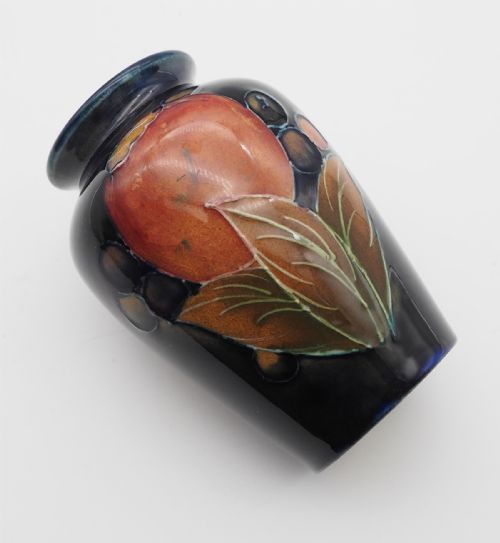


Art Deco Floral Vase
An art deco floral vase brings bold geometric energy and vibrant botanical motifs straight into your room, offering an instant focal point for any mantelpiece.
Art Deco Floral Vase
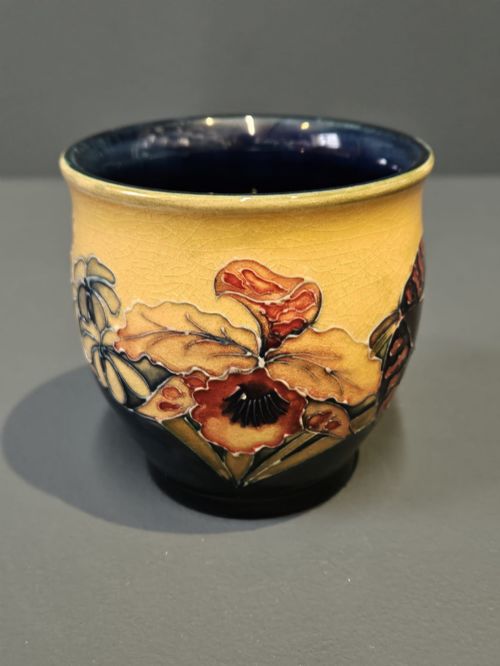
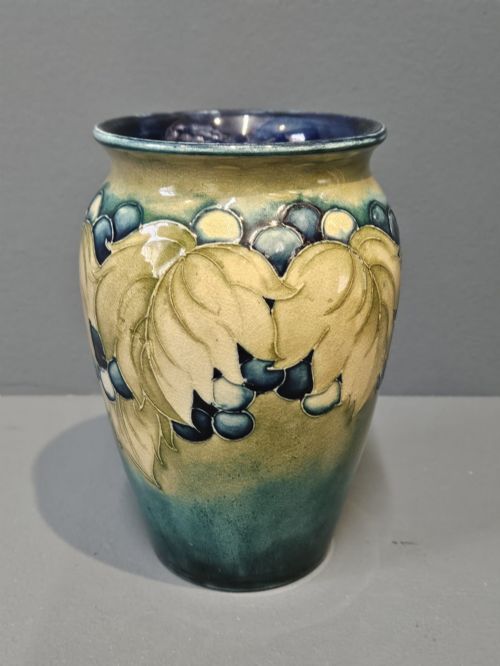
When you search for an art deco floral vase, you encounter decorative vessels shaped by the design movements of the early twentieth century. The selection spans earthenware, ceramic, and moulded glass forms produced during the 1920s and 1930s, alongside occasional Victorian predecessors.
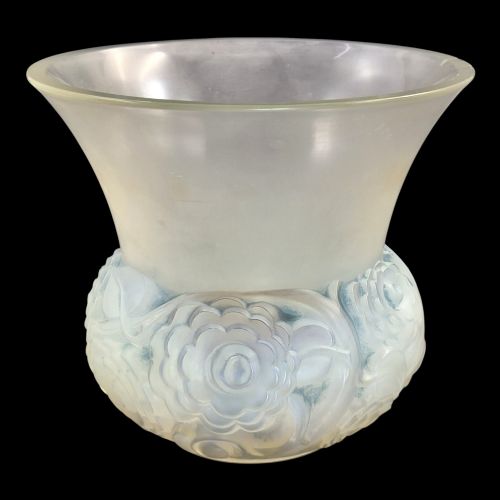
Most pieces on display showcase botanical decoration, merging stylised flowers, leaves, and berries with the characteristic linear geometry of the period. You will find earthenware jugs, frosted glass cylinders, and miniature flower vases reflecting both British pottery traditions and continental glassmaking.
Beyond standard vases, the inventory includes covered vessels and posy holders designed for floral arrangement or display. These objects capture a distinct era of domestic ornamentation, uniting functional utility with stylised natural ornament.
How they were made
Maker's methods rely heavily on moulded glass and thrown earthenware, finished with hand-painted enamels, coloured glazes, or surface carving. Works in frosted and opalescent glass utilise specialised moulding techniques to create tactile relief decoration on the body of the vessel.
Pottery examples combine traditional shaping on the wheel or slip-casting with hand-painted surface patterns under transparent or opaque glazes. Artisans applied coloured pigments and metallic oxides before a final firing to set the vibrant ground colours and botanical details.
Some posy holders come equipped with built-in ceramic frogs, ensuring your blooms stay neatly separated without resorting to sticky tape.
What varies in quality
Quality rests upon the crispness of the moulded relief, the precision of the hand-painted enamelling, and the depth of the glass or glaze finish. Superior examples display clean separation in multi-coloured ceramic patterns and sharp definition across pressed glass motifs without surface distortion.
The reputation of the studio or maker also shapes the standing of each piece, distinguishing factory-produced wares from signed designer glass or distinctive studio pottery. Weight, material purity, and the complexity of the decorative scheme further separate standard vessels from exceptional works.
Moorcroft·Thomas Webb and Sons·R Lalique·Charlotte Rhead·Royal Doulton·Royal Winton·René Lalique·Karl Palda·Poole Pottery·Crown Ducal
The Art Deco Floral Vase Glossary
- Earthenware
- A porous pottery body fired at lower temperatures, typically requiring an impermeable glaze to hold water. It forms the foundation for many decorated domestic vessels.
- Opalescent glass
- A translucent glass type that diffuses light and exhibits milky, glowing colour shifts across its surface. It was widely utilised by interwar glassmakers to highlight moulded relief details.
- Enamel
- A durable vitreous composition fused to glass or ceramic surfaces through firing to introduce bright, decorative colour. It provides sharp contrast against plain or frosted grounds.
- Posy holder
- A small vessel or insert designed to support short-stemmed cut flowers upright. These items often feature dedicated lids or interior frogs to space the stems evenly.
Art Deco Floral Vase: Frequently Asked Questions
How do I clean my art deco floral vase?
Clean ceramic and glass pieces gently using warm water and a mild detergent, avoiding abrasive cloths that might damage painted or enamelled surfaces.
Dry the vessel thoroughly with a soft towel, and take care when handling delicate glass rims or miniature handles.
Can I use these vases for fresh flowers?
Many glazed earthenware and glass vessels remain suitable for holding water and displaying fresh botanical arrangements.
Check the interior for any hairline cracks or unglazed porous areas before filling older ceramic pieces.
How do I identify an art deco period piece?
Look for characteristic design elements such as stylised floral motifs, symmetrical geometric patterns, and moulded relief work typical of the interwar decades.
Maker marks, signatures on glass bases, and characteristic glaze palettes also help confirm the era of manufacture.
What is the difference between earthenware and glass?
Earthenware is an opaque, fired ceramic material that accepts rich painted glazes and hand-applied patterns. Glass relies on transparency, moulding, and chemical treatments to catch and refract light.