




Antique Glass Display Vessel
An antique glass display vessel brings history into a room, capturing light and holding objects or liquids within clear, painted, or cased walls.
Antique Glass Display Vessel
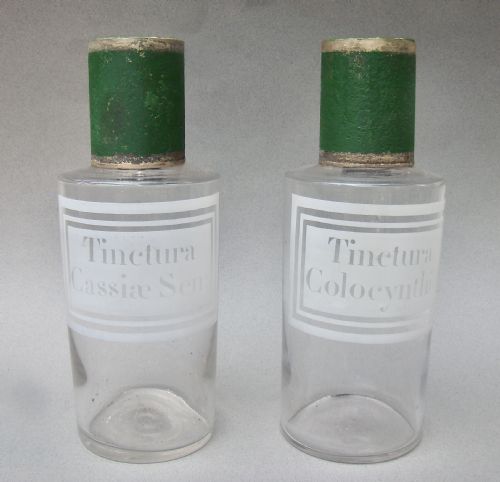
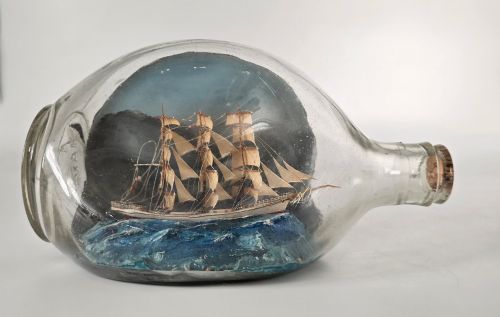
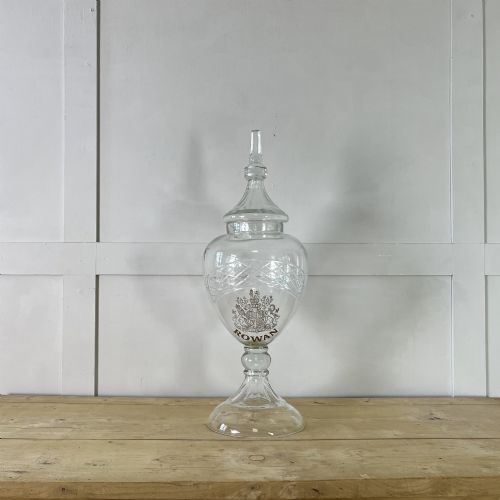
An antique glass display vessel encompasses practical apothecary jars, carboys, decorative vases, decanters, cased dioramas, and model ships housed within glass. These items span the Victorian, Edwardian, and Art Deco periods, reaching back to the nineteenth century.
A buyer frequently encounters apothecary jars and carboys alongside decorative vases and cased maritime models. French, Bohemian, Scottish, and Italian origins appear across the selection.
The assortment moves between utilitarian pharmacy containers and purely decorative glassware intended for display. Each piece relies on glass as the primary medium to contain or exhibit its contents.
How they were made
Makers utilised blown glass, cut glass, and opalescent techniques to shape vessels, frequently adding gold leaf, enamel, paint, and thread for surface decoration. Wood and clear glass combine in framed dioramas and bottled ship displays.
Surface treatment ranges from simple etching and engraving to elaborate gilding and multi-layered casing. Artisans manipulated molten or solid materials to achieve opaque finishes, geometric patterns, and millefiori designs.
Listings feature items spanning the 19th Century, Victorian, Edwardian, and Art Deco eras, constructed from glass, gold leaf, paint, wood, enamel, and thread.
What varies in quality
Execution separates standard utility items from masterwork pieces, particularly in the precision of cut facets, hand-painted details, and etched designs. The clarity of the glass and the complexity of multi-layered casing indicate superior craftsmanship.
Condition and originality dictate desirability, especially when delicate elements like gold leaf, enamel work, and internal model rigging remain intact. The depth of historical context and the sophistication of form elevate individual examples.
The Antique Glass Display Vessel Glossary
- Carboy
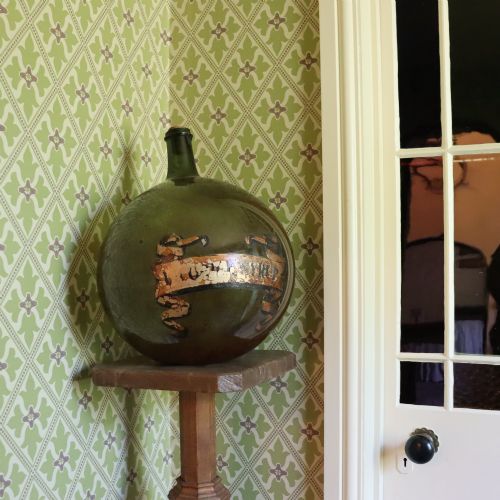
- A large bulbous glass container traditionally used for holding liquids. These vessels often served in apothecaries and laboratories before finding new life as decorative display objects.
- Casing
- The technique of fusing layers of different coloured glass together. This method allows artisans to cut through the outer layers to reveal contrasting colours beneath.
- Millefiori
- A glasswork technique producing distinctive patterned mosaic designs. Multi-coloured glass canes are bundled, fused, and sliced to create intricate floral motifs.
- Diorama
- A three-dimensional scene enclosed within a glass-fronted case. Historical examples often depict maritime subjects using model ships, painted backgrounds, and natural materials.
- Etching
- A process utilising acid or tools to cut designs into the glass surface. This method creates frosted decorative patterns that diffuse light across the vessel.
Antique Glass Display Vessel: Frequently Asked Questions
How do I clean an antique glass vessel?
Dust gently with a soft dry cloth and avoid harsh chemical cleaners that might damage painted or gilded surfaces.
Interior moisture should be removed naturally without submerging decorated or cased exterior parts in water.
Were apothecary jars used in real shops?
Many large carboys and labelled jars originated in nineteenth-century pharmacies to store dry drugs or liquids.
Their substantial size and legible lettering served both a practical storage function and a commercial display purpose.
How do I date an Art Deco piece?
Art Deco items typically display geometric motifs, stylised floral patterns, or opaque opalescent finishes characteristic of the nineteen-thirties.
Signatures from makers such as Lalique or Monart help confirm the exact period of production.
Can I display these vessels in direct sunlight?
Direct sunlight highlights the colour and clarity of blown and cased glass, but prolonged exposure can fade painted decoration or gold leaf.
Positioning pieces away from intense heat sources protects the structural integrity of the material.