




Art Deco Female Bronze
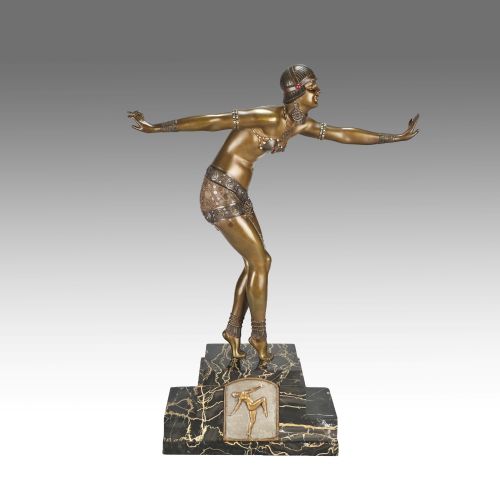
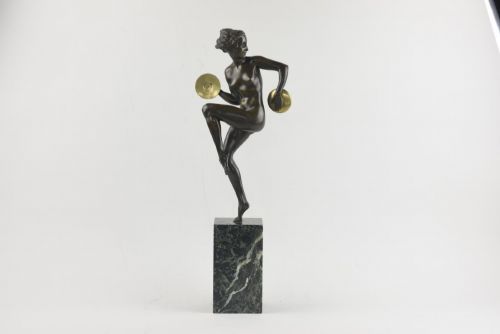
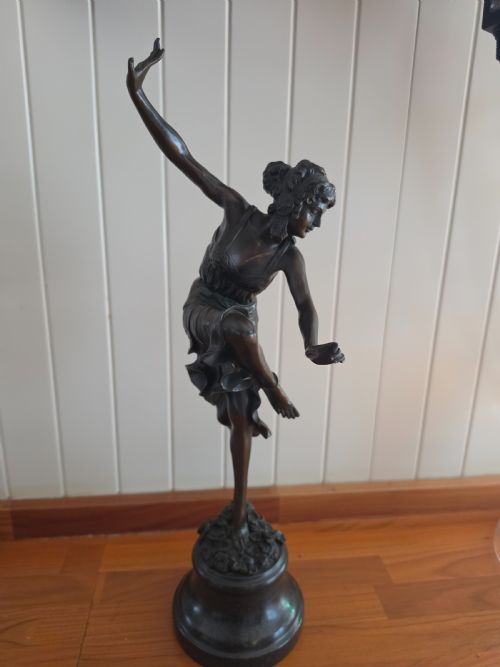
When you search for art deco female bronze, you enter a world of dancers, acrobats, and stylised figures captured in metal during the early decades of the twentieth century.
Art Deco Female Bronze
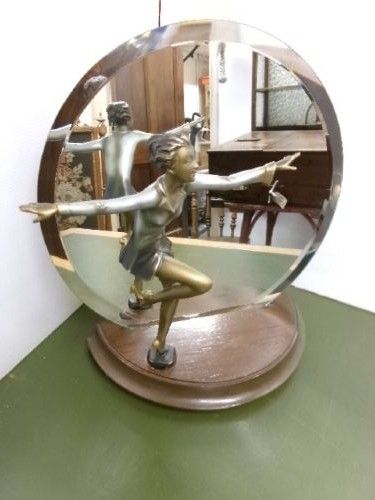
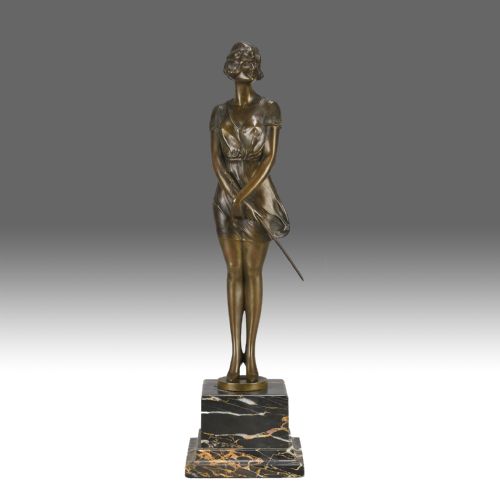
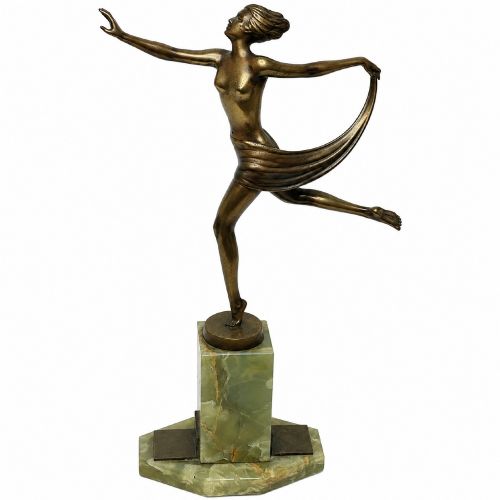
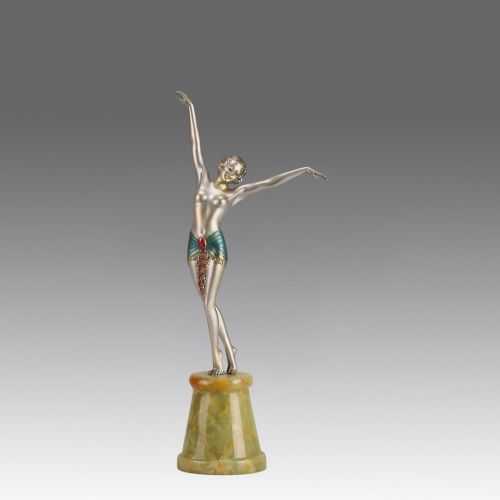
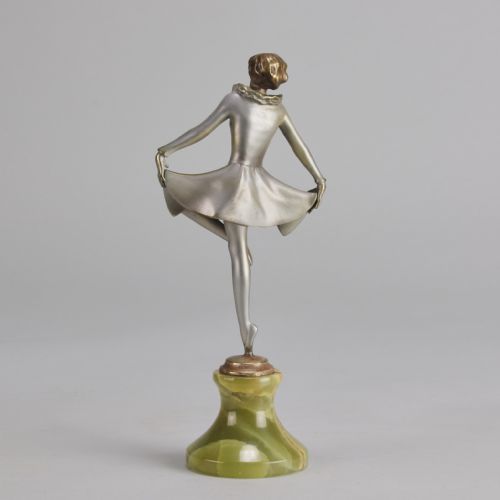
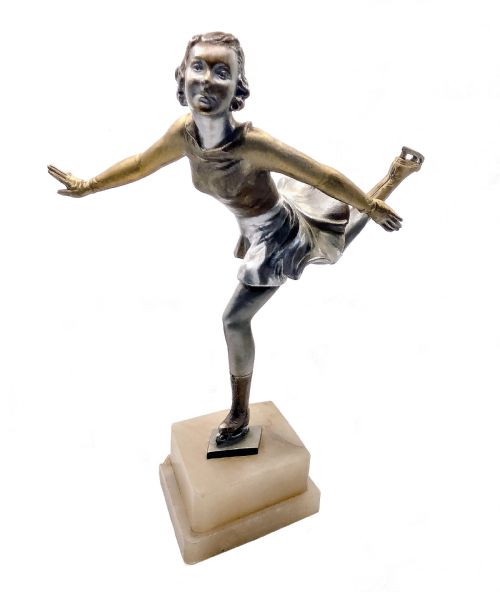
An art deco female bronze represents the human form through the lens of early twentieth century design, drawing heavily on the aesthetics of the 1920s and 1930s. The most common manifestations on this page are dancers, bathers, and allegorical figures cast during the height of the modernist period.
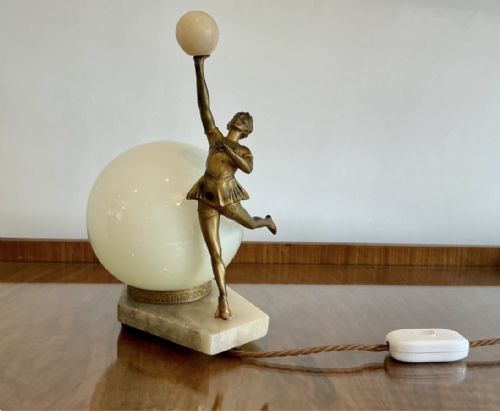
These pieces range from cabinet-sized figurines and table lamps to substantial sculptural studies produced across France, Austria, and wider Europe. Figures often appear mid-motion, capturing high kicks, balanced poses, and fluid gestures associated with cabaret and theatrical performance.
The objects bridge the gap between traditional foundry practice and avant-garde sculpture, serving as decorative items that reflect the changing social roles of women and the fascination with athleticism during the interwar years.
Materials and Techniques
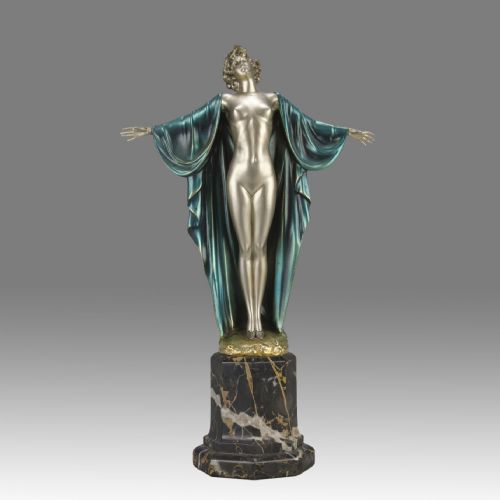
Foundries utilised the lost-wax method for casting these figures, allowing for intricate detail in drapery, hair, and posture. The primary metal employed is bronze, often complemented by cold-painted surfaces, gilt finishes, or patinated metal layers.
Listings feature works spanning the Edwardian era through the 1920s and 1930s, using materials including bronze, marble, onyx, spelter, and glass.
Distinctions in Quality
Quality rests in the crispness of the casting and the precision of the chasing work applied after the metal left the mould. Superior examples retain fine details in the facial expressions, fingers, and textures of clothing without relying on heavy paint to mask soft edges.
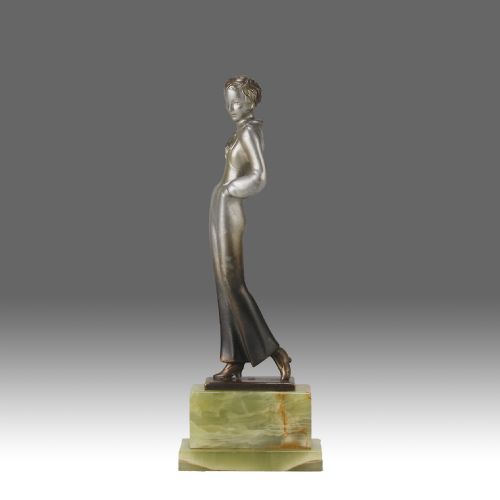
The choice and integration of the base material also dictate standing. Heavy, well-veined marble or custom-shaped onyx plinths that complement the dynamic posture of the female figure indicate a higher standard of manufacture.
Bruno Zach·Pierre le Faguays·Ferdinand Preiss·Josef Lorenzl·Demetre Chiparus·Aurore Onu·C J R Colinet·Zoldan Kovats·Georges-Charles Coudray·Sibylle May·Maurice Guiraud Riviere·Paul Philippe·Prof O Poertzel·C Charles·Marcel Bouraine
The Art Deco Female Bronze Glossary
- Cold-painted
- A technique where paint is applied to metal without the use of high-temperature firing. This finish appears frequently on Viennese bronzes to render colourful garments.
- Patinated metal
- A chemical treatment applied to the surface of the bronze to alter its colour and create aged tones. It protects the metal while defining highlights and shadows on the figure.
- Spelter
- An alloy of zinc and lead used as a budget-friendly alternative to bronze. These figures mimic the appearance of bronze but are lighter and softer in the metal.
- Chryselephantine
- A term describing sculptures combining bronze with ivory. The technique allows makers to carve faces and limbs from ivory while casting garments in metal.
Art Deco Female Bronze: Frequently Asked Questions
What materials make up these sculptures?
The primary material is cast bronze, often complemented by patinated finishes, cold-painted surfaces, or gilt applications. Many pieces also feature bases made from marble or onyx.
Some examples utilise spelter as a substitute for bronze, whilst rarer works incorporate carved ivory for the face and hands.
How do I display a bronze figure?
These sculptures suit stable, flat surfaces such as sideboards, mantelpieces, or dedicated display cabinets where the silhouette can be viewed from multiple angles. Weight distribution requires a solid piece of furniture to support stone bases safely.
Keep pieces away from direct heat sources and strong sunlight to preserve the patination and any cold-painted details on the metal.
Are these figures signed by artists?
Many examples bear the signature or foundry mark of the designer inscribed directly into the bronze or onto the marble base. Signatures from prominent designers often appear near the feet of the figure or along the edge of the plinth.
Unsigned works also exist from the period, sometimes attributed based on stylistic similarities, casting methods, and known proportions.
How can I tell bronze from spelter?
Bronze offers a heavier weight, a resonant sound when lightly tapped, and a warmer touch than spelter. Spelter is softer, more brittle, and tends to show grey metal beneath any worn surface paint.
Foundry marks and crisper casting details generally point towards bronze, whilst simpler decorative items often rely on the cheaper zinc alloy.