


Art Deco Electric Clock
An art deco electric clock combines modernist design with early electrical innovation, bringing period character and reliable timekeeping to any mantel or wall.
Art Deco Electric Clock
When you search for an art deco electric clock, you encounter timepieces dating from the nineteen-twenties through to the nineteen-forties. These pieces span mantel clocks, wall clocks, and specialised skeleton or mystery mechanisms designed for domestic and commercial interiors.
The version you are most likely to meet on this page is a mantel clock housed in glass, chrome, brass, or oak, often bearing the mark of major British and continental makers of the period.
How they were made
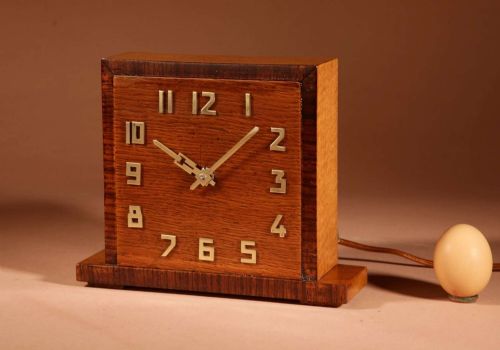
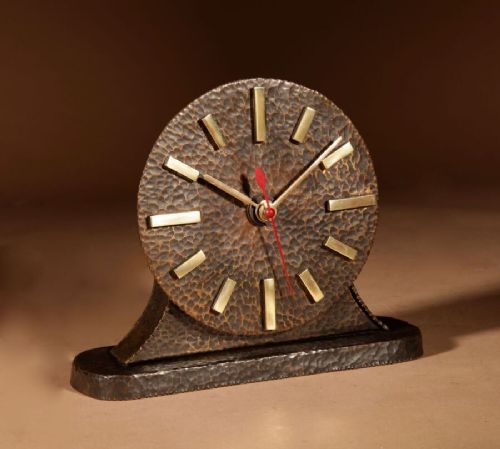
Maker workshops utilised a striking combination of traditional cabinet woods such as oak and rosewood alongside emerging industrial materials like Bakelite, chrome, and coloured glass. Metal components frequently feature patinated brass, hammered finishes, or copper plating to achieve distinct modernist textures.
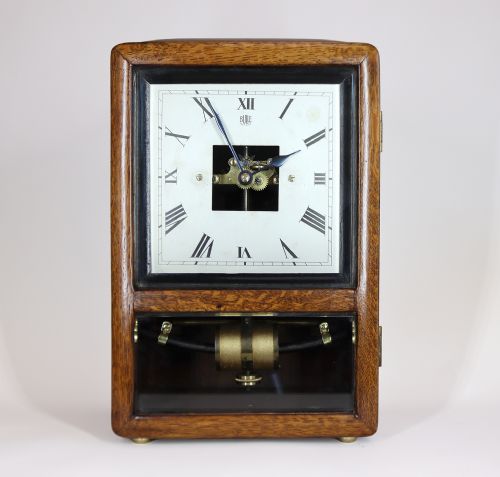
Movements relied on early electrical systems, including Bulle patent designs and synchronous mains coils by manufacturers such as Smiths and Temco, pairing mechanical gears with electromagnetic or electrical propulsion.
Art Deco Electric Clock Retail Price Guide 2026
Typical asking prices for art deco electric clock among the pieces listed under this phrase on Sellingantiques today, from the lower quarter to the upper quarter. They describe what is for sale here now, not the wider market.
What varies in quality
Quality rests in the integrity of the housing and the preservation of the original electrical or mechanical components. Pieces retaining their original movement mechanisms distinguish themselves from those later altered to quartz.
The sophistication of the casing materials, from heavy bevelled blue or green glass to finely cast patinated brass and polished walnut, sets apart standard production models from exceptional signed examples.
Maurice and Marcel Moulin Favre-Bulle·Charvet·Smiths·Rene Lalique·Temco·Ferranti·BEM Ltd
The Art Deco Electric Clock Glossary
- Bulle clock
- A type of electric clock utilising a pendulum with a built-in coil passing over a permanent magnet. This ingenious patent drove countless early electrical timepieces.
- Bakelite
- An early synthetic thermosetting plastic popular in the interwar period. It allowed makers to mould complex, smooth housings in dark tones.
- Mystery clock
- A timepiece where the drive mechanism is concealed, making the hands appear to move without connection to a visible movement. These often employ glass dials.
- Sectric
- The trademark used by Smiths for their domestic electric clocks introduced in the interwar decades. These mains-powered movements became staples in households and hospitals.
- Amsterdam School
- An architectural and design style originating in the Netherlands, known for rounded brickwork, expressive forms, and rich timber detailing. Clocks in this style showcase heavy oak and rosewood craftsmanship.
Art Deco Electric Clock: Frequently Asked Questions
How do electric clocks from the 1930s work?
These pieces operate using early electromagnetic systems or synchronous mains motors. Many rely on oscillating pendulums powered by battery-driven coils or direct electrical current.
Over time, some movements were replaced with modern quartz mechanisms, so checking the internal components helps determine originality.
Are these clocks suitable for daily use?
Original electric movements can keep accurate time when serviced correctly by a specialist familiar with vintage wiring and coils. Mains-powered examples require compatible voltage and safe wiring checks.
Placement should avoid damp areas and direct sunlight to protect delicate glass panels, Bakelite casings, and polished wooden veneers.
How do I identify an Amsterdam School clock?
Amsterdam School pieces emphasise expressive woodwork, often pairing dark oak with warm rosewood. Their silhouettes feature sculptural, rounded geometry distinct from strict geometric Art Deco.
Such clocks frequently incorporate hammered patinated brass details that reflect the handcrafted ethos of the movement.
What is a mystery clock?
A mystery clock hides its drive train, creating the illusion that hands float across a transparent glass dial. The movement is usually concealed within the outer metal bezel or base.
Smiths produced notable examples of these glass-faced electric designs during the nineteen-thirties.