


Round Brass Clock
A round brass clock brings precise mechanical timekeeping and crisp industrial form into a room.
Round Brass Clock
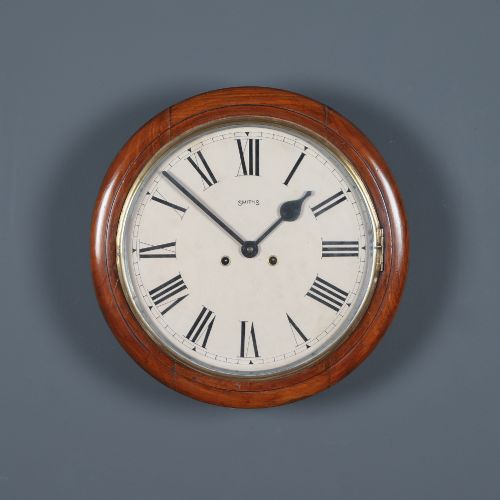
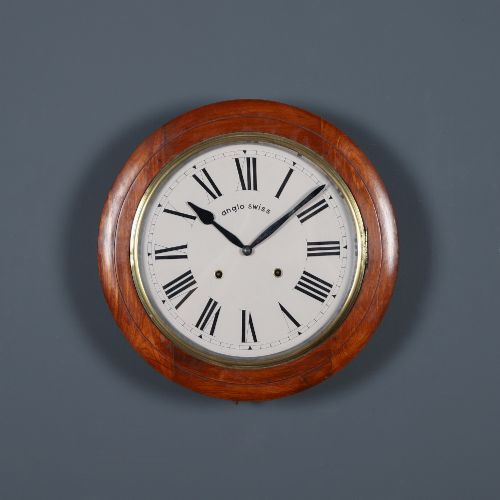
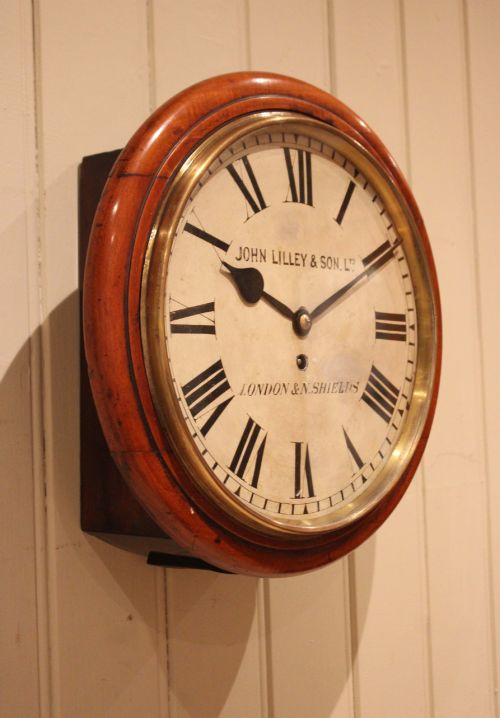
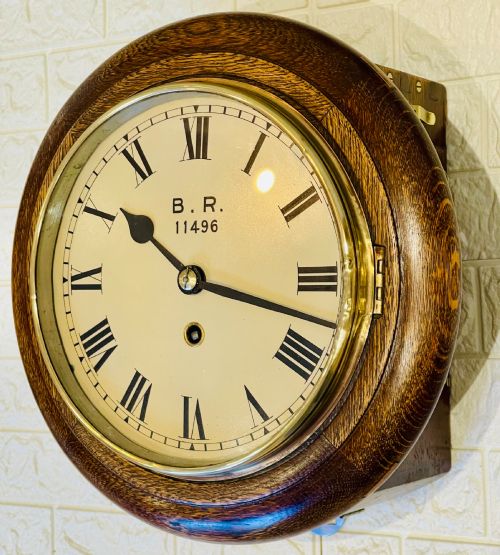
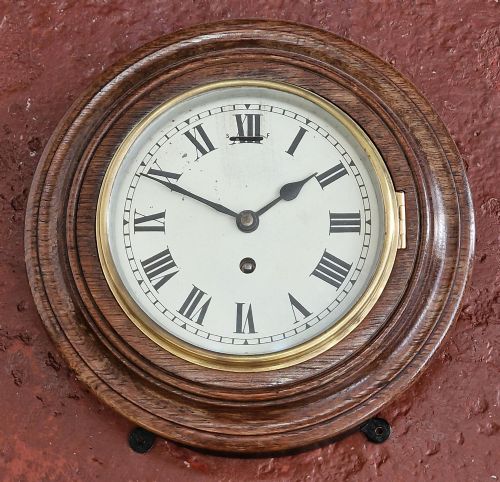
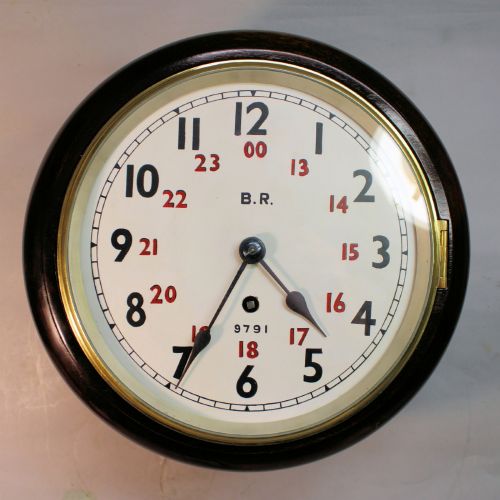
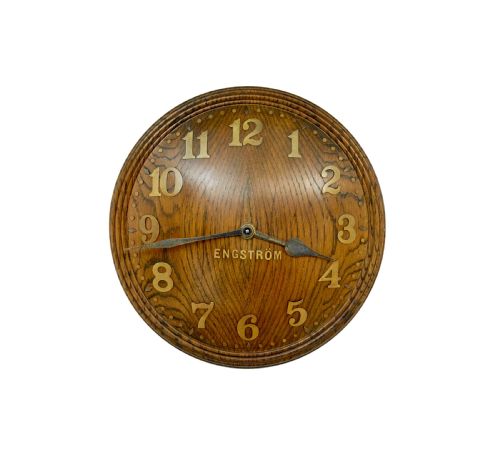
When you search for a round brass clock, you encounter timepieces that span the Victorian era through to the mid-twentieth century. The selection ranges from robust railway station wall dials to delicate desk and mantel pieces housed in brass, gilt metal, and glass.
You are most likely to meet wall-mounted dial clocks encased in mahogany or oak with brass bezels, alongside sophisticated desk models from makers such as Imhof and Jaeger-LeCoultre. These items reflect utilitarian origins in railway offices and schools as well as domestic elegance.
The periods represented stretch from the late nineteenth century to the 1960s, capturing shifts in design from traditional British fusee movements to Art Deco and Mid-Century Modern aesthetics.
Judging quality in timepieces
Quality rests in the crispness of the dial markings, the weight and finish of the brass bezel, and the sophistication of the internal movement. A fusee movement with clean, well-cut gear teeth and original brass hands sits at a higher level than a standard mass-produced spring-driven alternative.
The provenance adds distinction, particularly when associated with named makers, retailers such as Harrods, or verified railway networks like the London & North Eastern Railway. The integrity of the timber case, whether carved mahogany or golden oak, dictates the overall retention of character.
Some railway station clocks bear the exact scars of platform soot and decades of hurried station master winds.
John Walker·Imhof·Jaeger Le Coultre·Van Cleef And Arpels·William Long·Zenith
The Round Brass Clock Glossary
- Fusee
- A conical pulley used in older clocks to maintain even power as the mainspring unwinds. It ensures consistent timekeeping across the duration of the wind.
- Bezel
- The metal ring, frequently brass, that holds the glass face in position over the clock dial. It often hinges open to allow hand-setting.
- Dial
- The face of the clock where the hours and minutes are displayed. These are frequently painted white with Roman or Arabic numerals.
- Atmos clock
- A mechanical timepiece manufactured by Jaeger-LeCoultre that runs using temperature and atmospheric pressure changes in the environment.
- Timepiece
- A clock that indicates the time without including a striking or chiming mechanism. It focuses purely on the motion of the hands.
Round Brass Clock: Frequently Asked Questions
What is a fusee clock?
A fusee clock uses a conical pulley and chain mechanism to equalise the declining power of the mainspring as it unwinds.
This traditional British system ensures the clock maintains steady accuracy throughout its running period.
Where were dial clocks used?
Many round dial clocks originated in railway stations, schools, offices, and municipal buildings across Britain.
Their clear painted faces and robust wooden cases were designed for public legibility and daily reliability.
How do I wind an antique clock?
Antique mechanical clocks require a specialised key inserted into the dial winding hole to tension the mainspring.
Care must be taken not to overwind the mechanism, stopping as soon as resistance is felt.
How do I identify the date?
Dating relies on stylistic clues such as the shape of the mahogany case, the font on the enamel dial, and recorded maker marks.
Movement types and railway company inscriptions also help narrow the decade of manufacture.