



Art Deco Drink Stand
An art deco drink stand gathers friends, holding bottles and glassware in polished style.
Art Deco Drink Stand
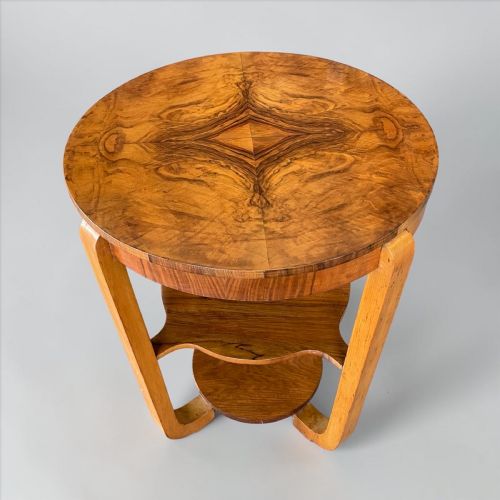
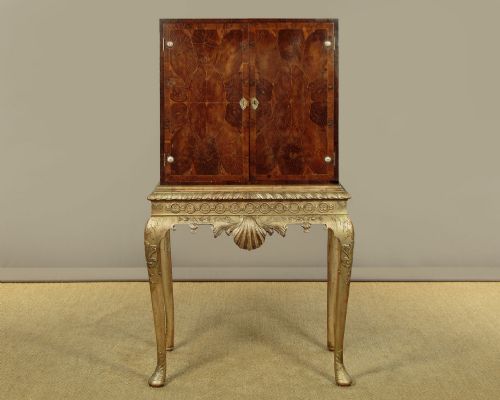
When you search for an art deco drink stand, you look for furniture designed to hold beverages, glasses, and barware from the early twentieth century. These pieces range from cocktail cabinets and occasional tables to specific serving stands and cabinets on stands.
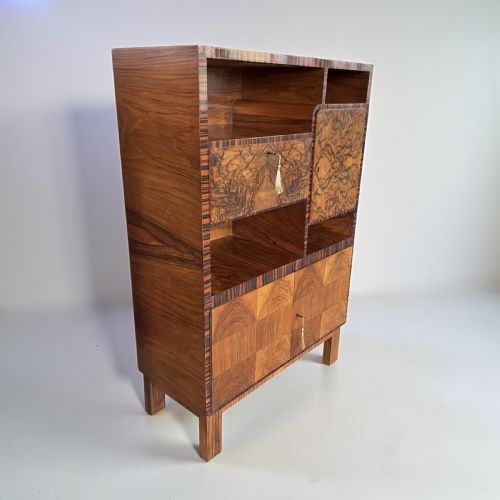
Burr walnut and mahogany form the core of the items seen here, often paired with brass, glass, and veneer. The pieces reflect the 1930 and 1920 periods predominantly, alongside occasional Victorian or Regency revival influences.
The selection includes specialised items such as coffee tables, lamp tables, and cabinets featuring double bow fronts. Many double as cocktail cabinets with sliding shelves or fitted interiors designed for entertaining.
Differentiating quality levels
The choice of surface veneer determines much of the visual distinction, with richly figured burr walnut commanding attention over plain wood surfaces. Master cabinetmakers from notable firms applied precise matching of grain patterns across double bow fronts and cabinet doors.
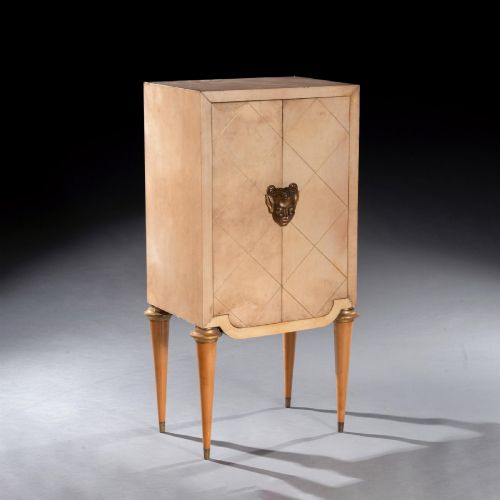
The integration of specialised materials like parchment inlay or silver gilt finishes elevates certain items above standard production pieces. Structural complexity, such as cabinets on dedicated stands versus simple occasional tables, also separates the output.
Attribution to recognised makers or notable retailers adds historical weight, distinguishing signed or documented furniture from unbranded items. The condition of internal fittings and sliding mechanisms completes the assessment.
Items span the 1920 to 1940 period, supplemented by occasional Victorian examples.
Maurice Jallot·Hille·Sudre·Elkington·Epstein and Co Furniture·Liberty's of London
The Art Deco Drink Stand Glossary
- Burr walnut
- A wood veneer taken from the warted growths of walnut trees, prized for its swirling, highly figured grain patterns. Cabinetmakers used it extensively on the exterior doors of drinks cabinets.
- Cocktail cabinet
- A specialised piece of furniture designed specifically to store bottles, shakers, and glassware for entertaining. These often feature drop-down preparation flaps and specialised interior compartments.
- Veneer
- A thin layer of choice wood glued to a base of cheaper timber to give a decorative surface without the cost of solid hardwood. Master craftsmen laid these out symmetrically to create striking geometric patterns.
- Demitasse
- A small cup used for serving strong espresso or Turkish coffee after a meal. These often appear alongside liqueur sets in vintage barware collections.
- Bakelite
- An early form of synthetic plastic used for handles and decorative elements on barware and accessories. Its presence helps date objects to the twentieth century.
Art Deco Drink Stand: Frequently Asked Questions
What is an art deco drink stand?
An art deco drink stand encompasses furniture and serving equipment created to store and present beverages during the 1920s and 1930s. These pieces include cocktail cabinets, occasional tables, and barware sets.
They combine practical storage for bottles and glassware with the sleek, geometric styling characteristic of the period.
How were these cabinets used?
These pieces served as dedicated stations for hosting guests and mixing drinks in domestic settings. Owners stored spirits, liqueurs, shakers, and glasses within easy reach for evening gatherings.
Many featured drop-down surfaces that acted as miniature bars for pouring cocktails.
What woods are common?
Walnut and burr walnut dominate the selection, offering rich brown tones and complex grain patterns. Mahogany also appears frequently among the cabinet designs.
Makers often applied these timbers as veneers over sturdy wooden carcases.
Are all pieces from the 1930s?
While the majority date from the 1920s and 1930s, the selection includes items from the 1940s and the Victorian era. Revival styles such as Regency and Queen Anne also influence some designs.
Construction details and materials help indicate the specific era of manufacture.