

Art Deco Cocktail
Art deco cocktail pieces bring together the bold geometry and fine craftsmanship of the interwar years for modern entertaining and personal wear.
Art Deco Cocktail
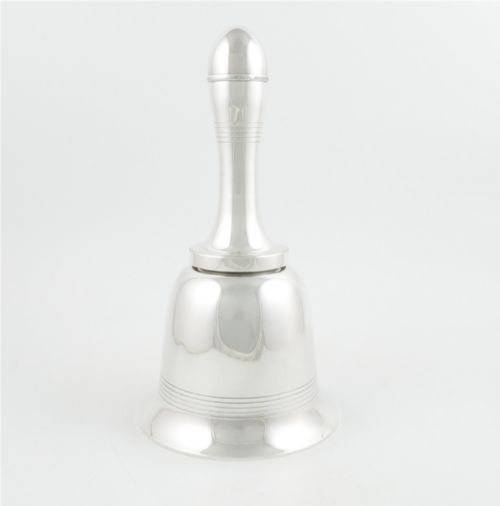
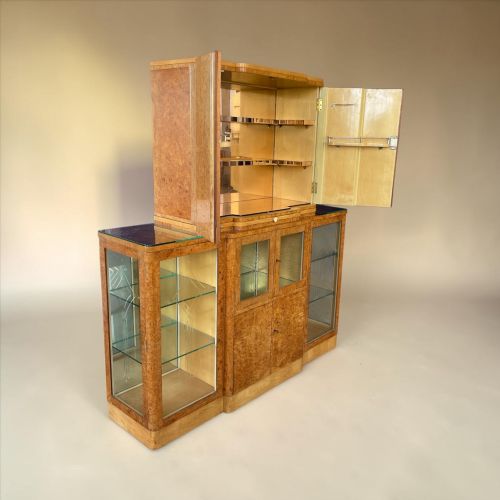
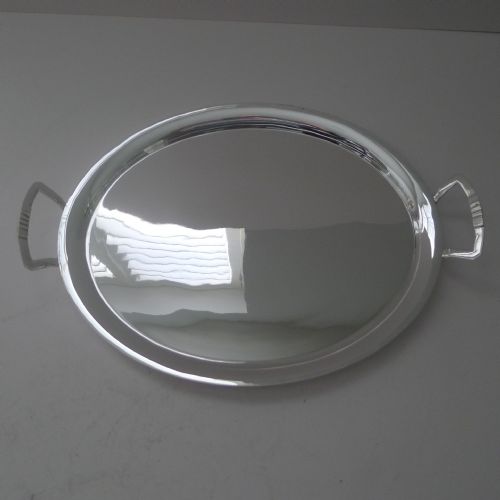
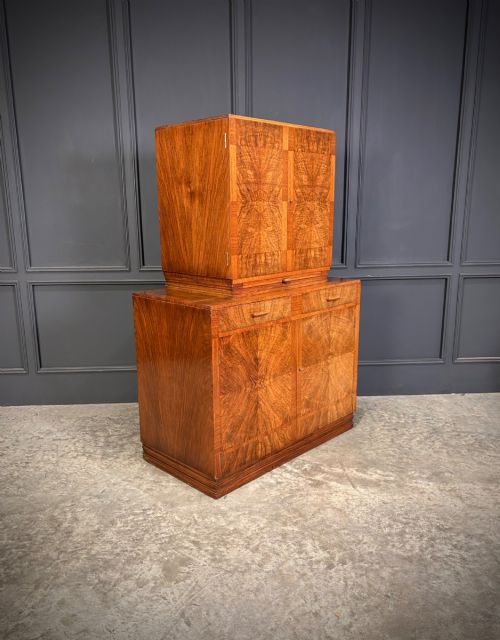
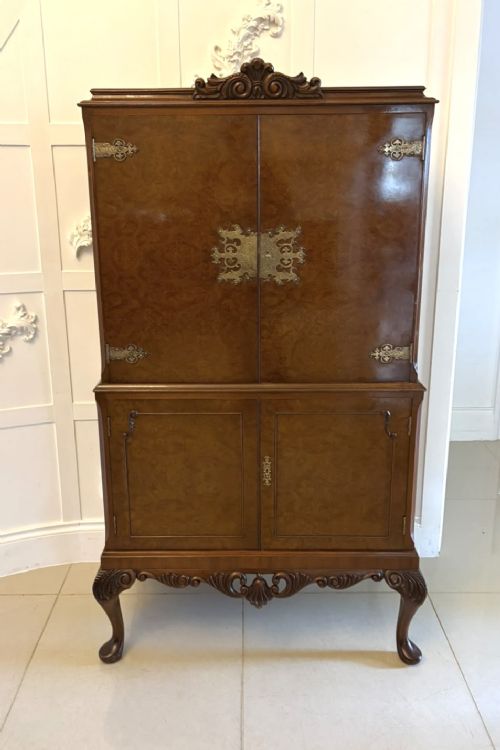
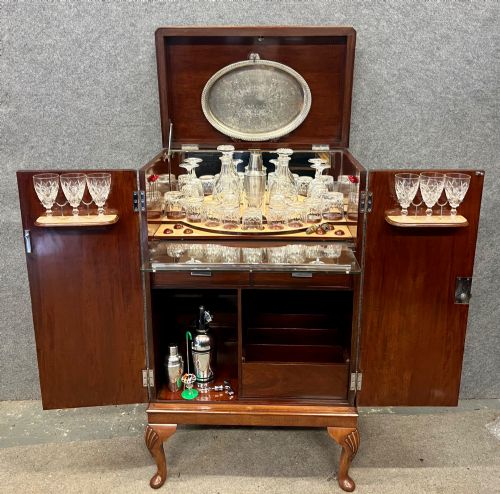
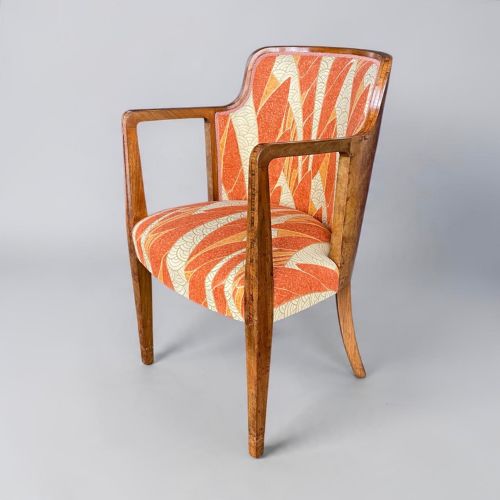
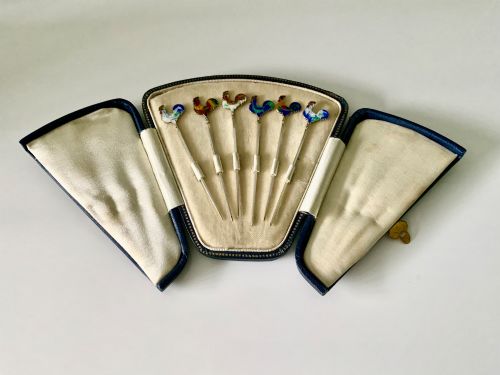
When searching for art deco cocktail items, buyers encounter a dual offering comprising prominent furniture and barware alongside high-carat gemstone rings traditionally worn to social gatherings. The furniture selection encompasses figured walnut cabinets, sideboards, coffee tables, and display units originating primarily from the nineteen-twenties and nineteen-thirties. Barware and accessories range from silver plated trays and ice buckets to lemon squeezers, bitters jiggers, and enamel cocktail sticks.
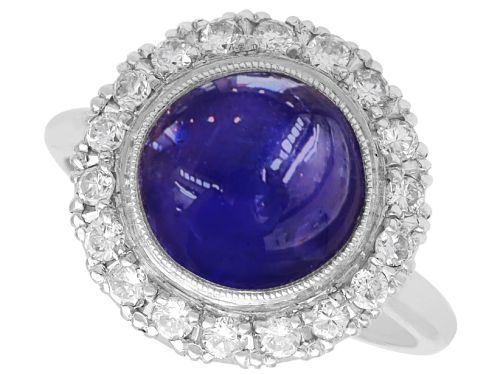
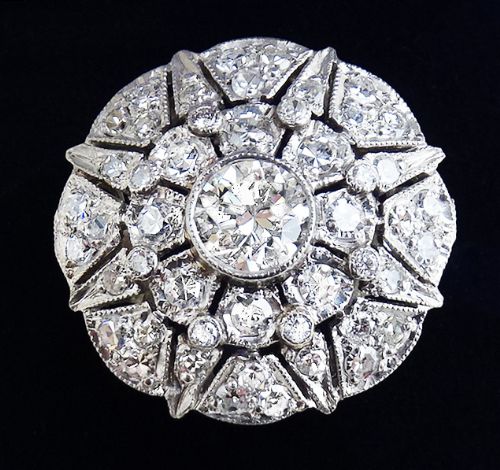
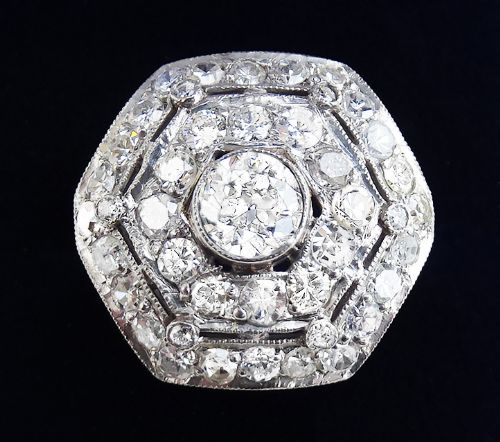
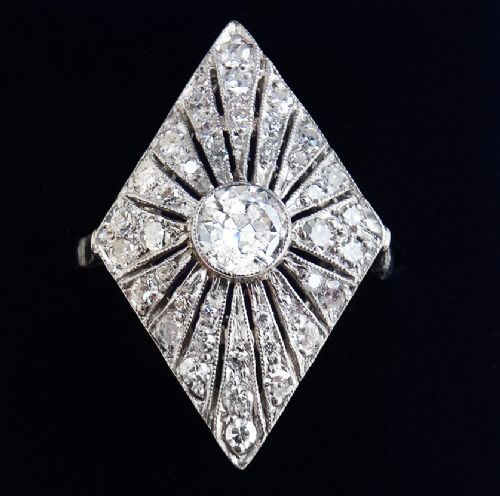
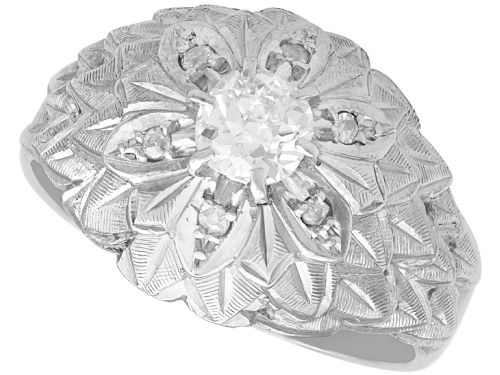
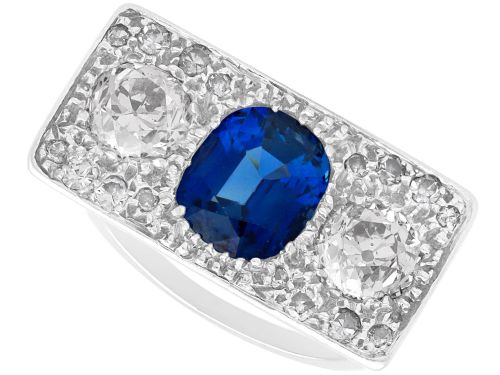
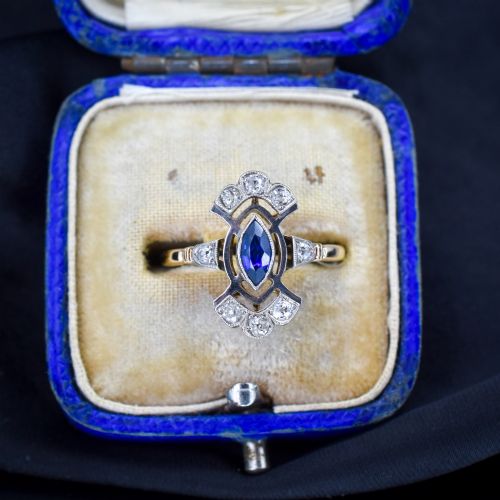
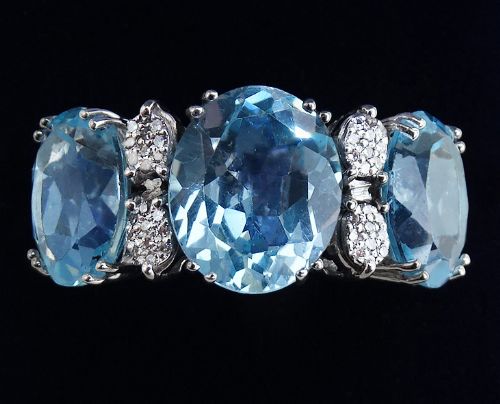
Jewellery forms a substantial portion of the available inventory, specifically cocktail rings featuring large central stones such as sapphire, aquamarine, zircon, tourmaline, and diamond set in platinum or white gold. These pieces reflect the lavish social habits of the period, combining domestic entertaining equipment with striking personal adornment. Most examples date from the nineteen-twenties through to the nineteen-forties, drawing on French and English design aesthetics.
Materials and construction
Cabinetry relies on figured and burr walnut veneers applied over solid timber frames to create symmetrical grain patterns typical of the period. Metalware utilises silver plate, brass, and wrought iron, often combined with original glass elements in coffee tables and bar accessories. Jewellery construction depends on platinum and white or yellow gold mounts holding substantial multi-carat gemstones secured in cluster, navette, or ballerina configurations.
Surface treatments emphasise polished reflective finishes on both metal barware and wood surfaces. Enamel work frequently decorates small accessories such as cocktail sticks, while stone settings in rings employ precise claw and bezel techniques to frame coloured gemstones with small accent diamonds.
Art Deco Cocktail Retail Price Guide 2026
Typical asking prices for art deco cocktail among the pieces listed under this phrase on Sellingantiques today, from the lower quarter to the upper quarter. They describe what is for sale here now, not the wider market.
Silver and enamel cocktail sticks add a splash of bright colour to olive service, proving that interwar hosts took their garnishes very seriously indeed.
Gradations in quality
Quality differences in jewellery hinge upon the carat weight, clarity, and natural origin of central gemstones like Ceylon sapphires or Burmese rubies, paired with the precision of the platinum or gold mount. Superior rings display balanced proportions in cluster designs and secure, intricate stone settings that remain tight within the metal framework.
For furniture and barware, distinction lies in the selection of veneer figures - such as burr walnut - and the integrity of original maker marks or attributed designs from known silversmiths and manufacturers. Items retaining original glass panels, uncompromised silver plating, and substantial structural weight stand apart from simpler utilitarian productions.
Christofle Paris·Keith Murray·Mappin And Webb·Rolex Tudor Royal
The Art Deco Cocktail Glossary
- Navette
- A boat-shaped gemstone setting that tapers to a sharp point at both ends. This elongated silhouette is characteristic of jewellery from the nineteen-twenties.
- Ballerina ring
- A central gemstone surrounded by a dense fringe of tapered baguette-cut diamonds that resemble a dancer's tutu. The arrangement creates a multi-layered halo effect.
- Burr walnut
- A highly figured wood grain harvested from tree growths, valued for its swirling patterns. It was frequently utilised on the doors of cabinets and sideboards.
- Bitters jigger
- A small measuring vessel used by bartenders to dispense aromatic bitters into mixed drinks. These implements often feature silver mounts and precise internal calibrations.
- Cocktail ring
- A large, showy ring featuring prominent coloured stones and diamonds designed to draw attention during social events. They gained widespread popularity during the prohibition era.
Art Deco Cocktail: Frequently Asked Questions
What defines an art deco cocktail ring?
These rings typically feature a large central coloured gemstone, such as an aquamarine, sapphire, or tourmaline, surrounded by smaller diamonds set in platinum or white gold. The overall geometry relies on sharp lines, symmetrical clusters, or navette shapes.
Such designs were created to be noticed during evening social gatherings, contrasting sharply with the more delicate styles of preceding decades.
How were cocktail cabinets used?
Cocktail cabinets served as dedicated home bars for storing spirits, liqueurs, glassware, and mixing tools within living and dining spaces. Their interior fittings often included mirrored surfaces, glass shelves, and pull-down preparation slides.
These pieces allowed hosts to prepare drinks for guests directly within entertaining rooms rather than fetching supplies from a scullery.
How do I care for burr walnut furniture?
Burr walnut surfaces require protection from direct sunlight and excessive moisture to prevent veneer lifting and fading. Regular dusting with a soft, dry cloth maintains the polished finish without damaging the grain.
Application of appropriate wood waxes helps preserve the natural oils within the timber over time.
Are cocktail watches different from standard watches?
Cocktail watches function as pieces of fine jewellery that happen to tell the time, often incorporating precious metals and gemstones into the bracelet and case. The watch face itself is frequently concealed beneath a hinged cover or integrated seamlessly into a cluster design.
They were intended for formal evening wear rather than daily practical timekeeping.
What is the difference between silver plate and solid silver?
Silver plate consists of a thin layer of pure silver bonded to a base metal core, such as brass or copper. This technique allowed manufacturers to produce large items like trays and ice buckets with the appearance of solid silver at a lower weight and cost.
Examining hallmarks and wear patterns on edges helps distinguish plated items from solid precious metal pieces.