



Art Deco Burr Wood Table
An art deco burr wood table brings striking grain and geometric form into a room, offering both practical surface space and a distinct period centrepiece.
Art Deco Burr Wood Table
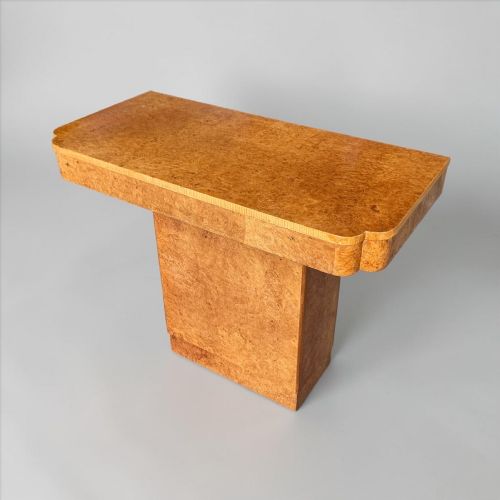
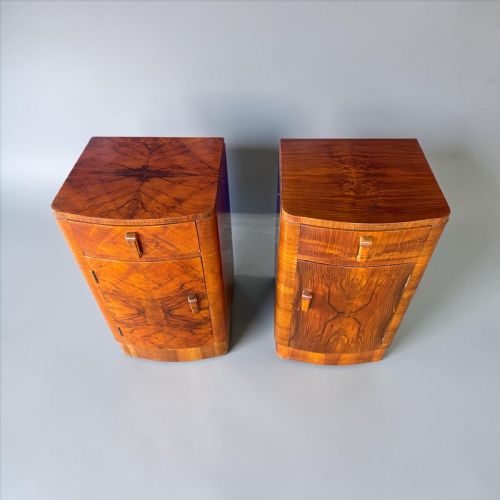
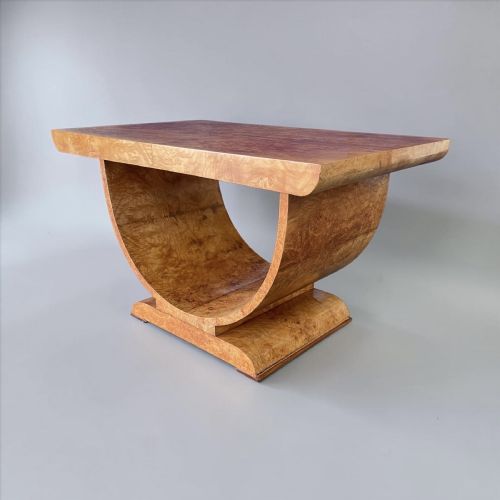
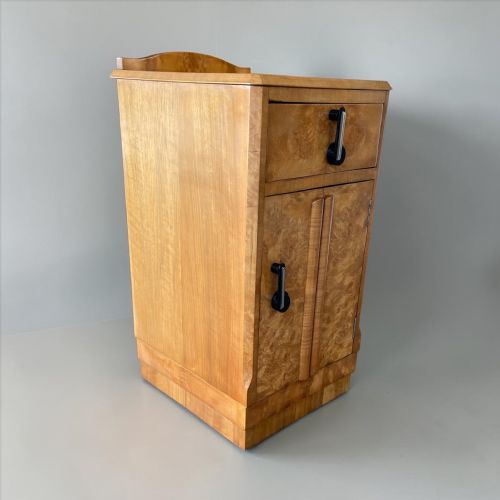
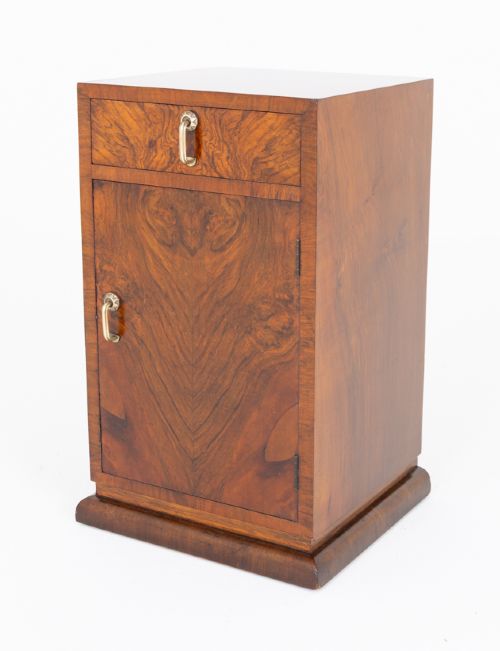
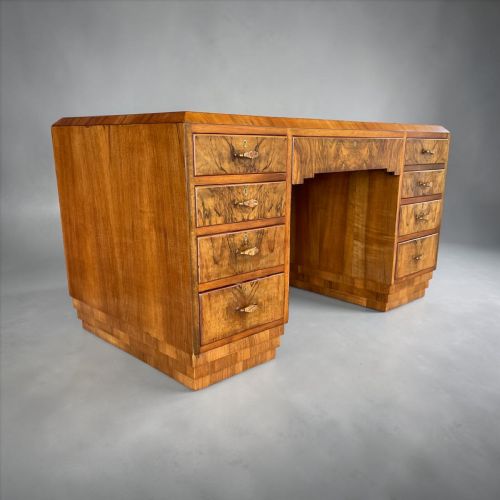
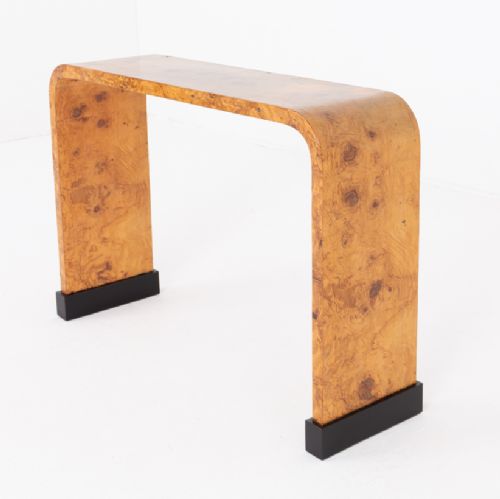
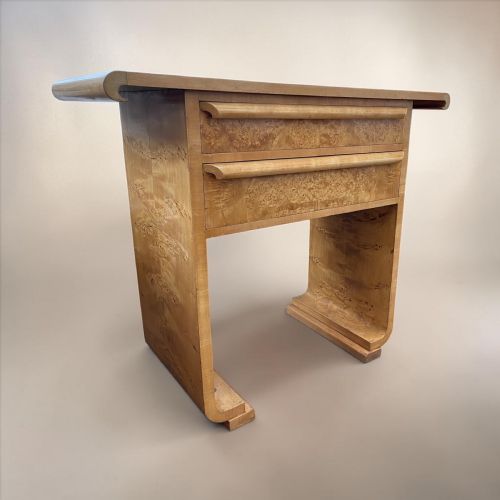
An art deco burr wood table encompasses a variety of domestic forms produced primarily during the 1930s, alongside examples from the 1920s and 1940s. The selection on this page centres heavily on coffee tables, console tables, and bedside tables, alongside larger dining suites and desks.
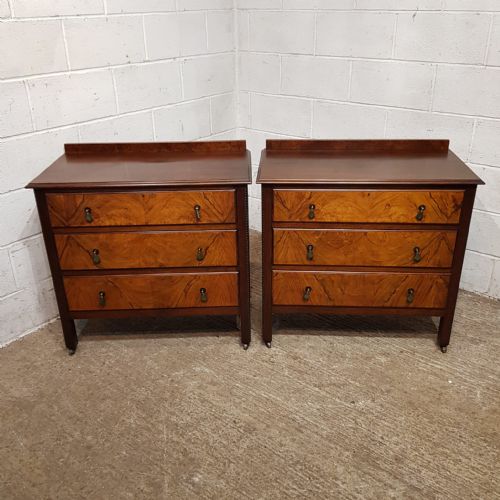
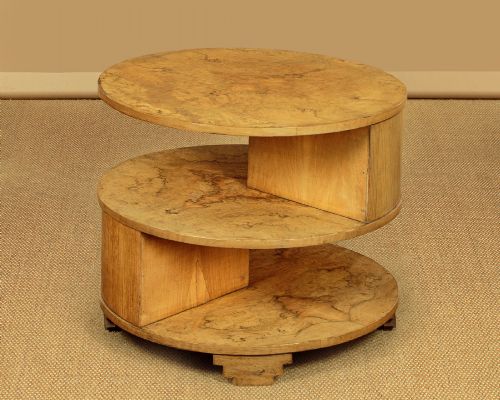
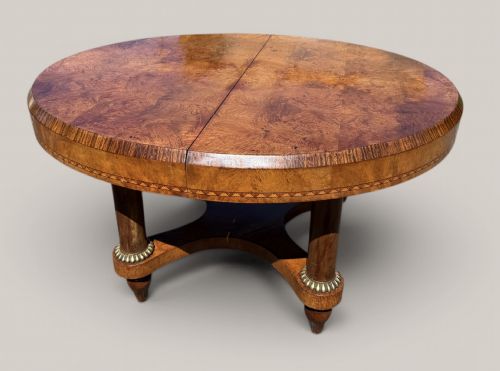
Makers and workshops utilised distinctive veneers to create bold focal points within interiors, ranging from compact occasional pieces to large extending dining tables. Alongside standard coffee and console tables, buyers frequently encounter paired bedside cabinets and tiered modernist designs.
The aesthetic bridges utilitarian function with decorative flair, employing rich timber patterns that define the period. These pieces originate from distinct design traditions within the broader art deco movement, occasionally blending with revival influences.
How they were made
Cabinet makers constructed these pieces using timber frames overlaid with wood veneer, notably burr walnut, burr maple, and burr elm. The application of highly figured veneers required skilled hand-cutting to create symmetrical grain patterns across tabletops and cabinet fronts.
Secondary timbers and solid wood framing provided structural stability beneath the decorative surfaces. Workshops occasionally incorporated brass details and ebony stringing to accentuate the clean, architectural lines characteristic of the era.
Some clever three-tiered tables were designed to fold or step neatly apart when guests arrived for evening cocktails.
What varies in quality
Quality in an art deco burr wood table rests primarily on the choice and symmetry of the veneer figure. Master craftsmen selected burr sections with intense grain movement, arranging them thoughtfully to form striking visual patterns across the surface.
The integrity of the construction and the subtlety of the proportions further distinguish standard production items from workshop pieces. Original details, such as matching pairs and integrated brass or ebony elements, elevate the standing of a piece.
Fortnum and Mason·Hille·Maurice Adams
The Art Deco Burr Wood Table Glossary
- Burr wood
- A growth deformity on a tree that produces intricate, swirling grain patterns when sliced into veneer. This material was prized by period cabinet makers for its decorative impact.
- Console table
- A wall-mounted or freestanding table designed for placement against a wall in hallways or living rooms. They often feature narrow proportions and decorative front legs.
- Occasional table
- A small, movable table designed for specific, intermittent domestic use. Examples include coffee tables, tea tables, and tiered modernist side pieces.
- Modernist
- A design approach prioritising clean lines, functional forms, and minimal ornamentation. This style influenced many of the tiered and geometric tables produced during the period.
Art Deco Burr Wood Table: Frequently Asked Questions
What rooms suit an art deco burr wood table?
These tables fit comfortably into living rooms, dining spaces, and bedrooms depending on the specific form chosen. Coffee and console versions anchor sitting rooms, while bedside cabinets and desks serve private quarters.
The rich grain patterns complement both neutral contemporary interiors and traditional settings. Pairing them with complementary period seating creates a cohesive interior scheme.
How do I identify a 1930s burr wood table?
Look for distinctive geometric silhouettes, stepped profiles, and symmetrical burr walnut or maple veneers. The construction typically relies on veneered surfaces over sturdy timber frames characteristic of interwar cabinet making.
Hardware and secondary materials like brass or ebony often provide subtle period clues. Examining the underside and interior construction helps confirm the manufacturing era.
Are burr wood tables durable for daily use?
Yes, these tables were built for functional domestic service using stable core timbers beneath decorative veneer layers. Proper daily use involves normal precautions against excessive moisture and heat.
Routine maintenance preserves the polished finish and protects the delicate grain patterns. Using coasters and mats prevents surface marks on antique timber.
What is the difference between walnut and burr walnut?
Standard walnut displays a relatively straight, uniform grain pattern derived from the main trunk of the tree. Burr walnut comes from a specialised tree growth that creates dense, swirling patterns.
Cabinet makers reserved burr veneers for prominent exterior surfaces to maximise visual impact. This distinction largely separates decorative display pieces from plain utility furniture.
Can I seat many guests at an art deco dining table?
Dining tables from this period range from compact four-seaters to large extending models and suites accommodating eight chairs or more. Selecting the right size depends on your available floor space and hosting requirements.
Matching chair sets often accompany larger tables to maintain a unified design aesthetic. These suites form substantial focal points in dedicated dining rooms.