


Honey Wood Coffee Table
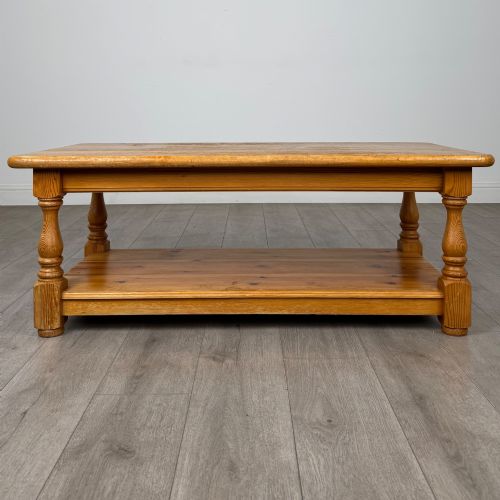
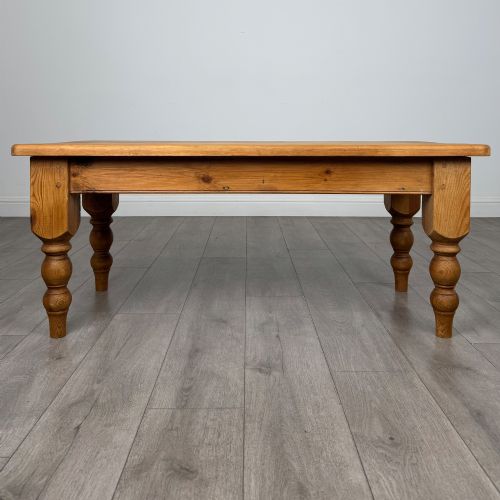
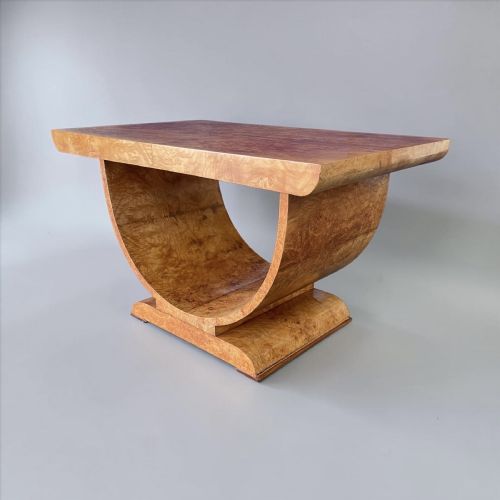
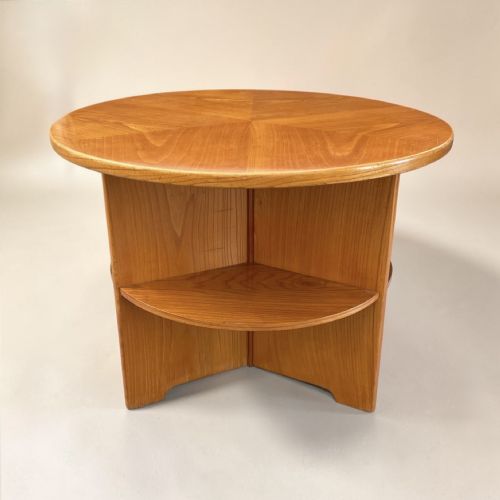
These honey wood coffee table pieces bring warmth to a room through varied timbers, spanning periods from the eighteenth century to the twentieth.
Honey Wood Coffee Table
A honey wood coffee table brings together low surfaces and warm timber tones, encompassing coffee tables, occasional tables, and low tables. When you search for a honey wood coffee table, you find a selection shaped by diverse eras and regions rather than a single workshop.
The pieces on this page draw from periods including the eighteenth century, the nineteenth century, the Edwardian era, and the nineteen-thirties. Forms range from farmhouse boards to Art Deco designs and occasional tables.
Origins stretch across British, French, Swedish, and Chinese traditions, incorporating styles like Biedermeier Revival, Swedish Grace, and rustic farmhouse. You are most likely to meet pine and elm examples alongside burl maple and satinwood.
How they were made
Construction relies on solid timbers such as pine, elm, birch, alder root, fruitwood, and mahogany, shaped into boards and frames. Joinery supports the structure of low tables, blanket boxes, and nests of tables without obscuring the natural grain.
Decorative surfaces utilise burr maple and satinwood veneers, alongside carved elements seen in Swedish pieces. Brass fittings appear on select items, adding metallic detail to timber surfaces.
Listings feature timbers including pine, elm, burr maple, satinwood, and mahogany across pieces dating from the eighteenth to the twentieth century.
What varies in quality
Quality rests in the selection of the timber and the depth of the grain, particularly in burr elm, burr maple, and satinwood surfaces. Finer examples display thoughtful arrangement of natural figures and tones across the top.
Construction methods distinguish everyday farmhouse boards from refined Art Deco or Biedermeier Revival creations. The harmony of proportions between the low top and the supporting legs marks the distinction at the upper end of the range.
Heal's
The Honey Wood Coffee Table Glossary
- Burr maple
- A wood cut from the growth burls of a maple tree, displaying swirling patterns and rich honey tones.
- Satinwood
- A durable timber with a natural sheen and a pale, golden colour used for fine occasional tables.
- Biedermeier Revival
- A nineteenth-century style style that reinterprets clean lines and domestic comfort, often utilising domestic woods.
- Swedish Grace
- A twentieth-century architectural and design movement that balanced classicism with modern restraint.
- Occasional table
- A small, movable table designed for specific, temporary uses in a reception room or parlour.
Honey Wood Coffee Table: Frequently Asked Questions
What periods do these tables cover?
The pieces span several centuries, beginning with eighteenth-century fruitwood low tables and moving through nineteenth-century Victorian and Swedish examples. Twentieth-century pieces bring in Edwardian pine items and Art Deco designs.
This broad timeline means construction methods and timber treatments shift noticeably depending on the decade of origin.
What woods are common in these listings?
Pine, elm, and timber form the basis of many farmhouse and rustic pieces, while burr maple and satinwood offer more decorative surfaces. Mahogany, alder root, and fruitwood also appear across the nineteenth and eighteenth-century examples.
Each material responds differently to light and age, developing distinct patinas over time.
Are all these pieces strictly coffee tables?
The selection includes dedicated coffee tables, low tables, and occasional tables, alongside side tables and nest of tables. Some items originated as blanket boxes or kitchen tables before finding use as low surfaces.
This variety reflects how older furniture adapts to modern living spaces.
How do I identify a Biedermeier Revival piece?
Biedermeier Revival pieces typically feature restrained forms, smooth surfaces, and warm honey-coloured woods like burr elm. They focus on the natural beauty of the timber rather than heavy carved ornamentation.
This style emerged to bring comfort and elegance to domestic interiors.
Where do Swedish pieces fit in?
Swedish pieces in the selection include mid-nineteenth-century alder root tables and twentieth-century carved birch and elm designs. They often showcase pale, luminous woods and precise craftsmanship.
These items represent distinct Scandinavian design traditions across different eras.