


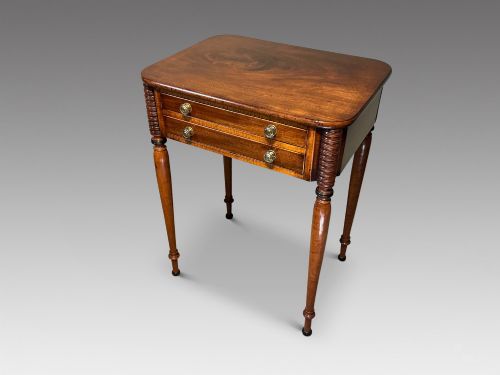


Vintage Maple Side Tables
These vintage maple side tables bring rich grain and clean lines to a room, offering both surface space and period character.
Vintage Maple Side Tables
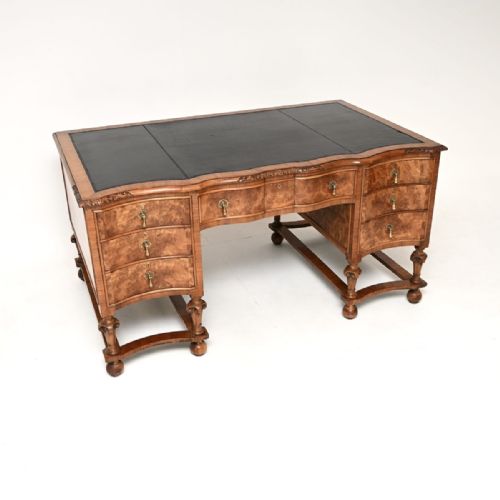
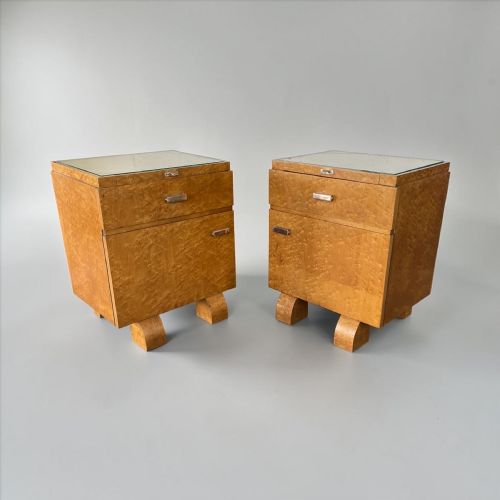
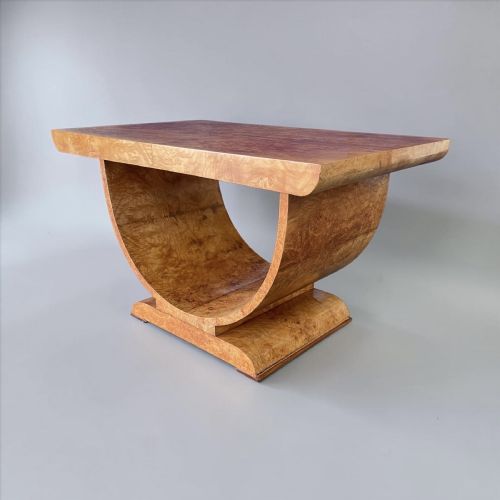
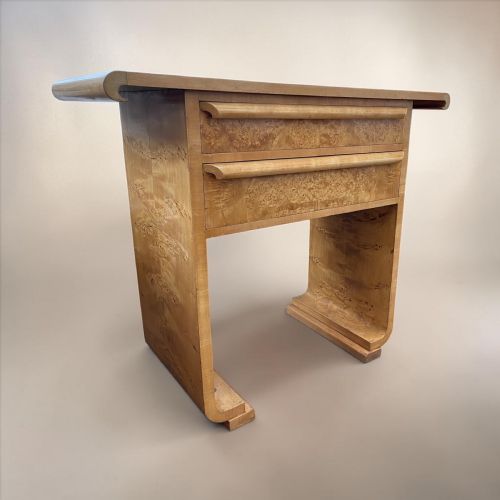
Buyers seeking vintage maple side tables encounter forms such as two-tier occasional tables, bedside cupboards, and coffee tables often paired with contrasting timbers like walnut, rosewood, and ebonised details. The selection spans compact bedroom furniture as well as larger reception room centre tables.
While many listings feature geometric Art Deco designs from nineteen thirty, others showcase earlier Edwardian craftsmanship and nineteenth-century American work tables. The predominant aesthetic relies on the natural figuring of the wood rather than heavy carving.
What varies in quality
The quality of these tables depends upon the selection and matching of the maple veneer, where symmetrical figuring elevates the visual impact of the surface. Superior examples demonstrate precise grain alignment across drawers, aprons, and table tops.
Construction methods also distinguish the pieces, with tight joinery and stable secondary woods marking the work of established firms and skilled cabinetmakers. The integration of contrasting timbers like rosewood or ebonised trim further indicates the level of design ambition.
The listings feature pieces spanning the Regency period, the Edwardian era, and nineteen thirty Art Deco.
Maple and Co·Fortnum and Mason·The Hille Furniture Company
The Vintage Maple Side Tables Glossary
- Birds Eye Maple
- A figure in maple wood resembling tiny swirling eyes caused by local disruptions in the grain growth. This decorative pattern appears often on twentieth-century Art Deco furniture.
- Art Deco
- A design style spanning the nineteen twenties and thirties characterised by streamlined geometric forms and sleek surfaces. Pieces from this era frequently employ contrasting exotic veneers.
- Edwardian
- A stylistic period spanning the reign of King Edward the Seventh, noted for lighter proportions and revivals of earlier eighteenth-century furniture designs. Tables from this era often feature satinwood and maple.
- Occasional Table
- A small, movable table designed for a specific, intermittent function within a reception room or bedroom. These include coffee tables, tea tables, and two-tier display surfaces.
Vintage Maple Side Tables: Frequently Asked Questions
What periods do these maple tables come from?
The selection spans several distinct eras, ranging from early nineteenth century Regency work tables to Edwardian pieces and numerous Art Deco examples from nineteen thirty. Each period brings characteristic forms and finishing techniques to the furniture.
Buyers will find that nineteen thirty Art Deco designs predominate, alongside occasional Edwardian and nineteenth-century examples that utilise maple alongside walnut and satinwood.
How do I care for a vintage maple surface?
Polished wood surfaces require protection from direct sunlight and excessive moisture to prevent the veneer from fading or lifting. Regular dusting with a soft, dry cloth helps maintain the sheen.
Avoid placing hot cups or damp items directly onto the timber without protective coasters. A quality wax polish applied periodically preserves the finish of the maple and contrasting veneers.
Where should I place a two-tier occasional table?
A two-tier occasional table works well beside a sofa or armchair where the lower shelf provides convenient storage for books or small objects. Their compact footprint also suits placement in hallways or corners.
Because these tables often feature decorative birds eye or burr maple veneers, placing them where light catches the grain enhances their visual presence in a room.
Are bedside cabinets and tables matching?
Many listings include pairs of bedside tables or cupboards designed to sit symmetrically on either side of a bed. These often date from the Art Deco period and feature matched wood grains.
Individual bedside pieces also appear, allowing buyers to mix periods or incorporate a single cabinet into an established bedroom scheme without requiring a matching set.