


Art Deco Burr Walnut Cabinet
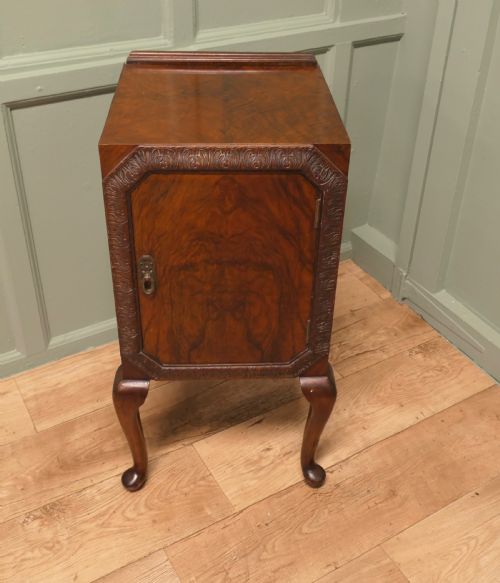
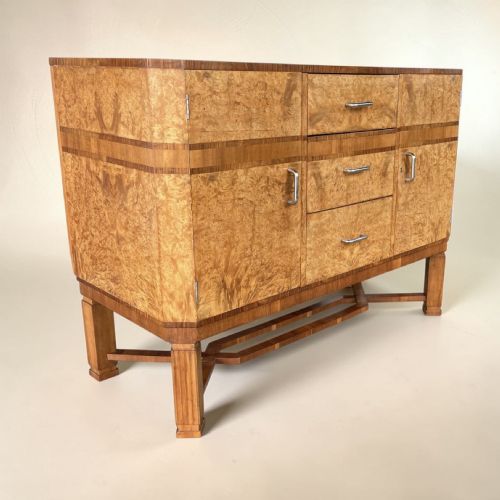
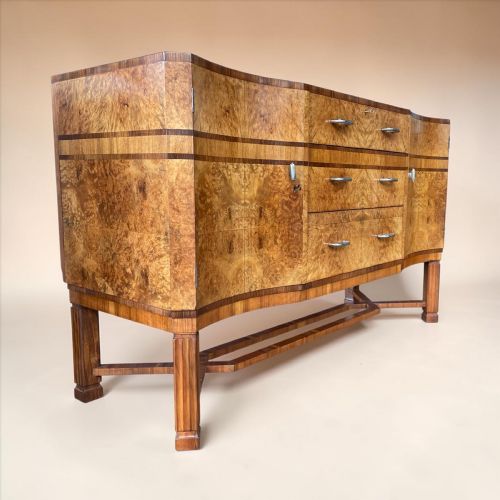
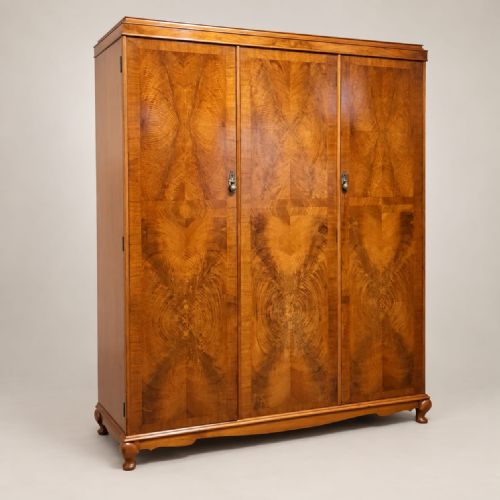
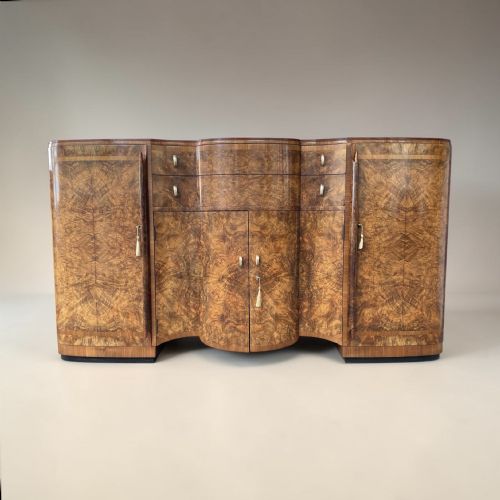
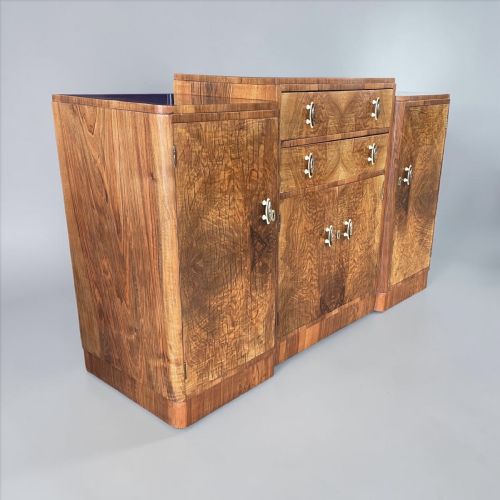
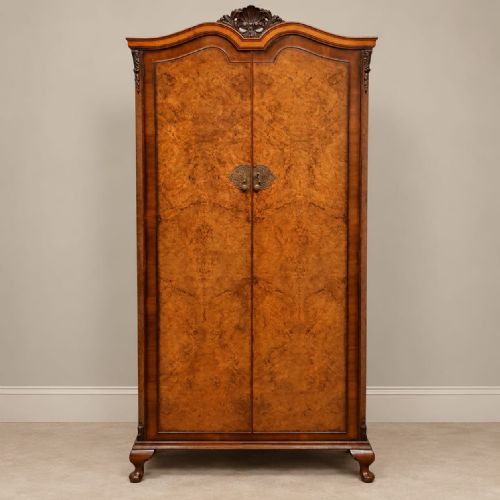
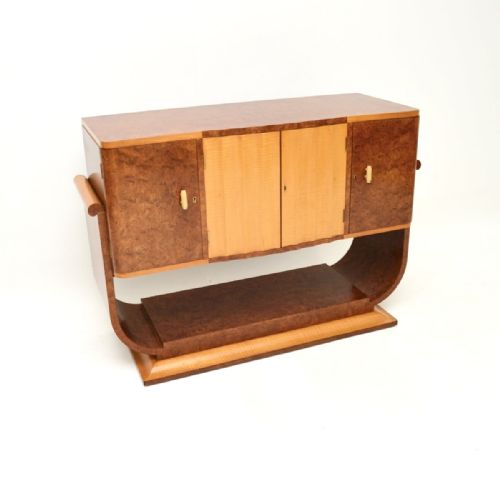
When you search for art deco burr walnut cabinet, you are looking at striking storage pieces defined by swirling grain patterns and geometric lines.
Art Deco Burr Walnut Cabinet
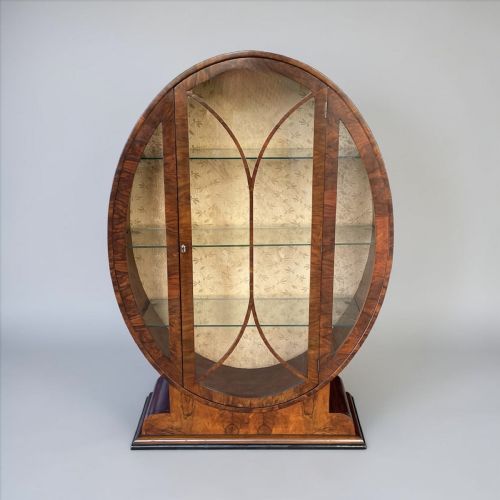
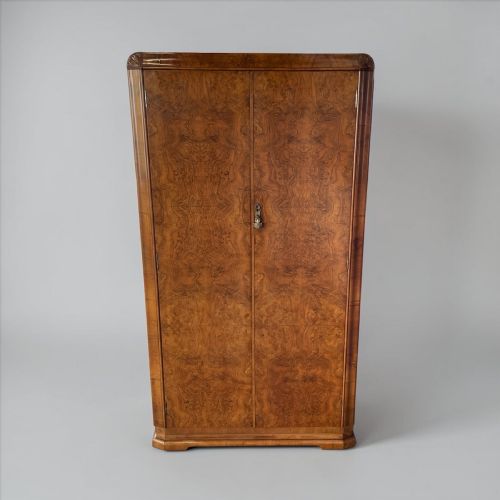
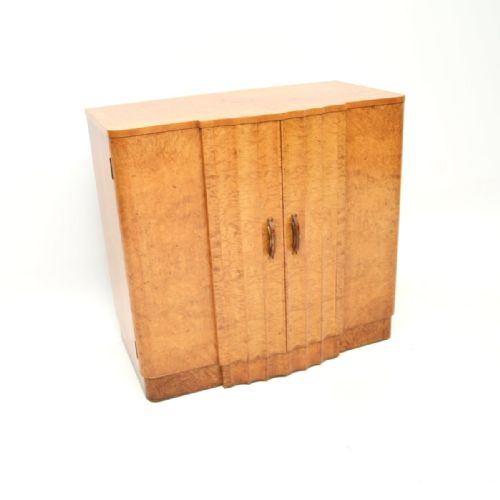
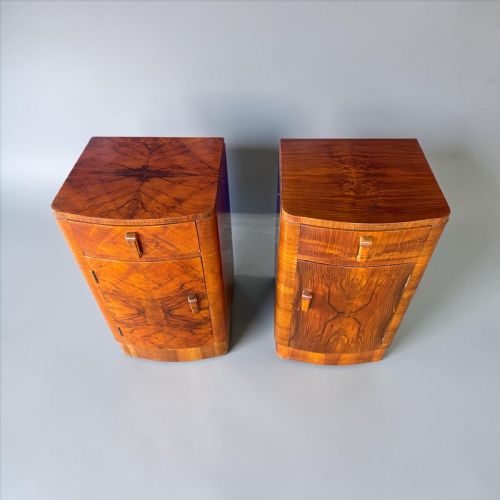
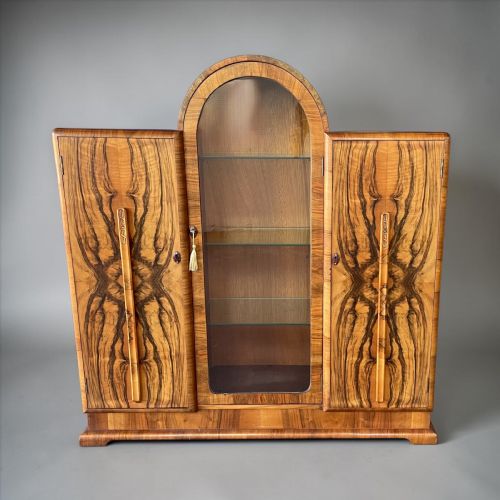
An art deco burr walnut cabinet encompasses a range of utilitarian and entertaining furniture, most commonly appearing as cocktail cabinets, bedside cabinets, sideboards, and display cabinets. These pieces date predominantly from the 1930s and 1920s, reflecting the modernist design movements of the interwar period.
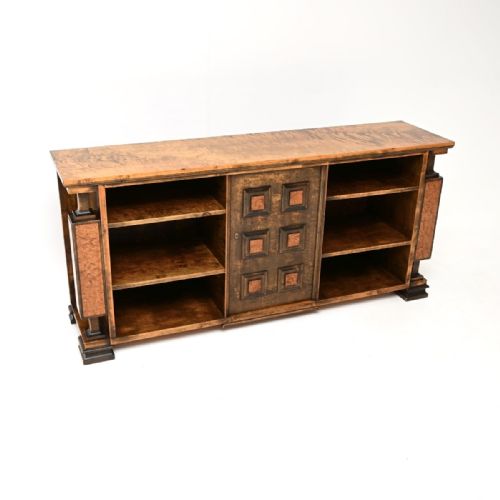
Cocktail cabinets and bedside cabinets dominate the selection, offering fitted interiors for glassware or compact bedside storage. Alongside these, buyers will frequently encounter larger sideboards, compactums, and display units designed to anchor a dining room or living space.
Origins span English workshops and department stores like Harrods, alongside notable French examples and Scandinavian pieces in satin birch and walnut. The unifying thread across all these forms is the bold application of figured veneers to flat surfaces and curved carcases.
How They Were Made
Cabinet makers utilised burr walnut veneer applied over solid carcases to create hypnotic, swirling grain patterns across the front of each piece. This veneer work was frequently paired with contrasting timbers such as sycamore or birch to accentuate geometric borders and internal fittings.
Metal and glass components played a functional and decorative role, incorporating solid brass handles, chrome trim, and Bakelite details alongside bevelled glass doors. Interiors often featured fitted mirrors, pull-out slides, and concealed lighting for cocktail service.
What Varies in Quality
The visual impact of an art deco burr walnut cabinet rests heavily on the symmetry and book-matching of the veneer grain across the doors and drawers. Pieces bearing maker attributions to prominent workshops command greater interest due to superior internal engineering and casework.
The complexity of the interior architecture, such as revolving mechanisms in dry bars or fully fitted cocktail compartments with pull-out mixing trays, separates standard storage from exceptional design.
Maurice Adams·Harry and Lou Epstein·Walter Carter Harrods·Hille·Leemings of Halifax
The Art Deco Burr Walnut Cabinet Glossary
- Burr Walnut
- A figured wood harvested from the wart-like growths on walnut trees, yielding complex, swirling grain patterns highly prized in cabinet making. This veneer requires specialist application to prevent lifting.
- Compactum
- A multi-functional wardrobe combining hanging space, shelves, and drawers within a single compact unit. These pieces maximise storage efficiency in smaller bedrooms.
- Book-matching
- A technique where adjacent slices of veneer are opened like a page to create a symmetrical mirror-image pattern across a cabinet door. This highlights the natural beauty of the wood grain.
- Cocktail Cabinet
- A specialised piece designed for home entertaining, featuring drop-down or sliding doors that reveal a mirrored interior, glass shelves, and bottle storage. They became immensely popular during the interwar period.
- Sycamore
- A pale hardwood frequently used alongside darker walnut veneers to provide sharp contrast in art deco banding and stringing. Its uniform grain complements busier timber selections.
Art Deco Burr Walnut Cabinet: Frequently Asked Questions
How were cocktail cabinets used?
These specialised units served as home bars during the interwar period, holding bottles, glassware, and mixing accessories behind lockable doors. The central flap often folded down to create a hygienic preparation surface for drinks.
Interior lighting and mirrored backs added theatrical flair when hosting guests in the evening.
Where should I place a bedside cabinet?
Bedside cabinets pair well beside low-framed beds typical of mid-century and art deco bedroom layouts. Their compact drawers provide concealed storage for nighttime essentials while displaying a lamp on top.
Matching pairs help anchor the symmetry favoured in period interior design.
How do I care for walnut veneer?
Keep wooden surfaces away from direct sunlight and excessive heat to prevent the underlying veneer from drying or cracking. Regular dusting with a soft, dry cloth preserves the polished finish.
Avoid liquid cleaners and silicone sprays that can penetrate microscopic fissures in old polish.
What defines the art deco style?
Art deco design relies on streamlined geometry, symmetrical arrangements, and luxurious materials rather than heavy carving. The aesthetic celebrates modernity through clean architectural lines and polished surfaces.
Burr walnut provided the ideal natural canvas for these bold, sweeping curves.