


Art Deco Bureau
An art deco bureau brings together crisp geometry and warm timber, offering a drop-down writing surface alongside practical storage for the modern study.
Art Deco Bureau
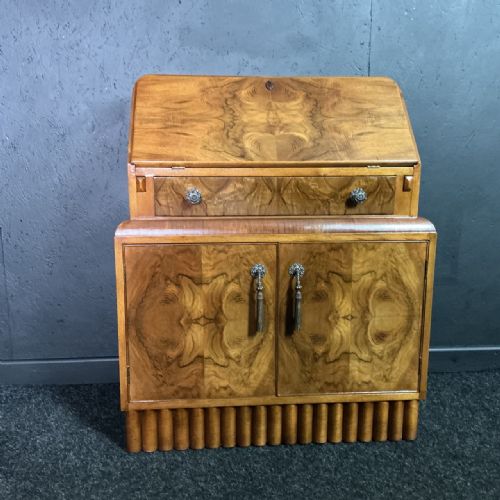
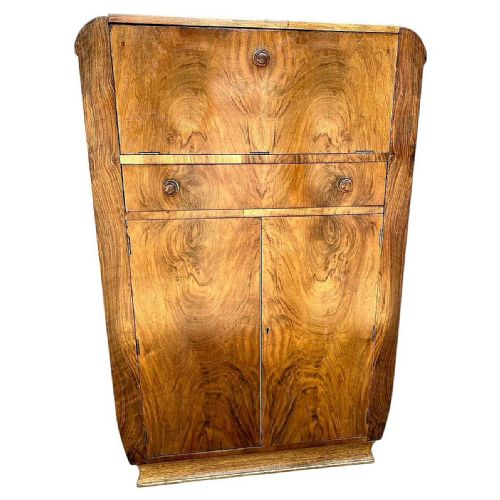
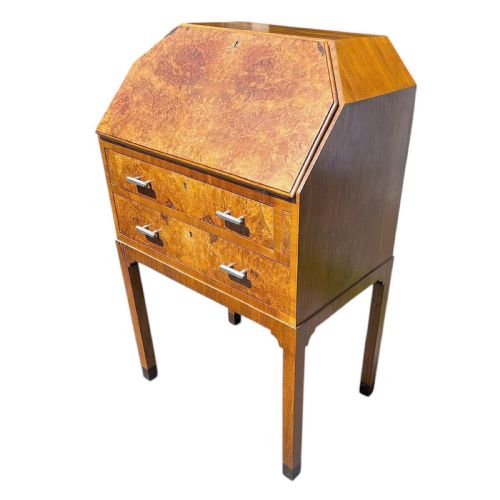
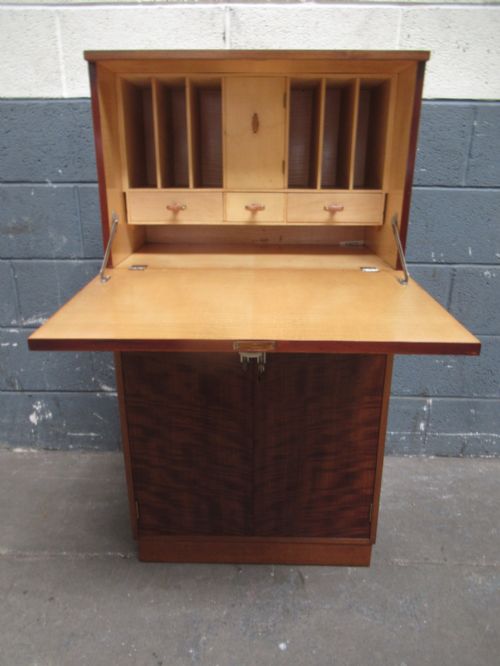
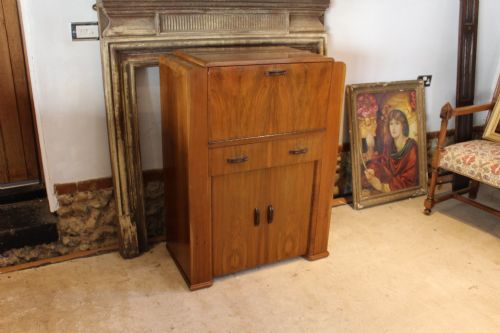
When searching for an art deco bureau, buyers encounter compact writing cabinets and large bookcase combinations designed during the interwar decades. The version most commonly met on this page is the English or French walnut writing bureau from around nineteen thirty, often featuring a sloping fall-front that conceals fitted pigeonholes.
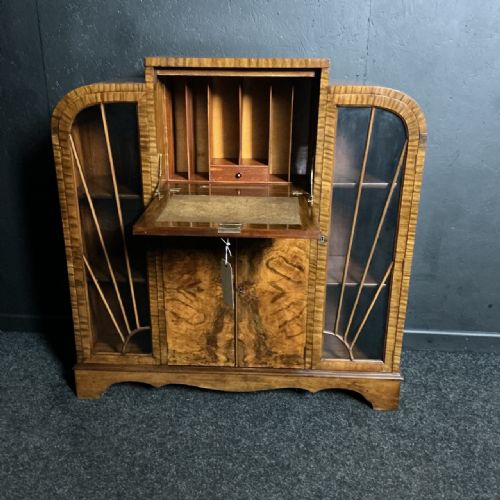
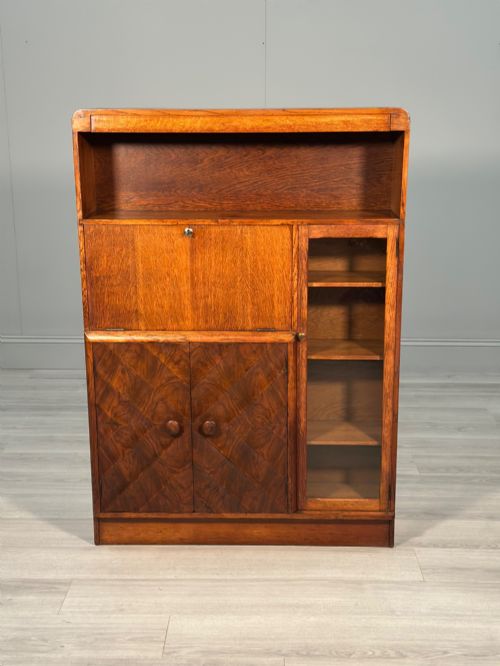
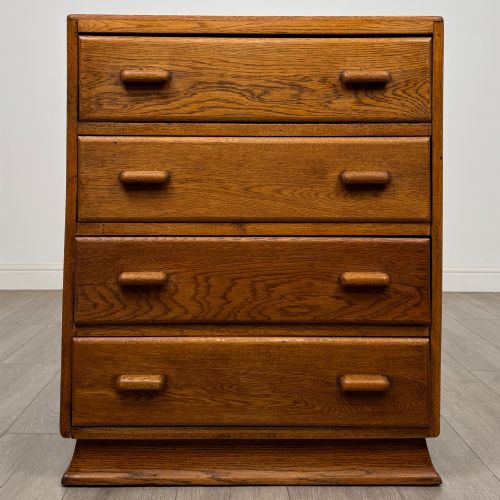
Makers and workshops also produced these writing desks in various oaks, including limed oak and golden oak, alongside pieces built with bureau bookcase sides. These forms merge the traditional writing slope with vertical display space, reflecting the domestic needs of the period.
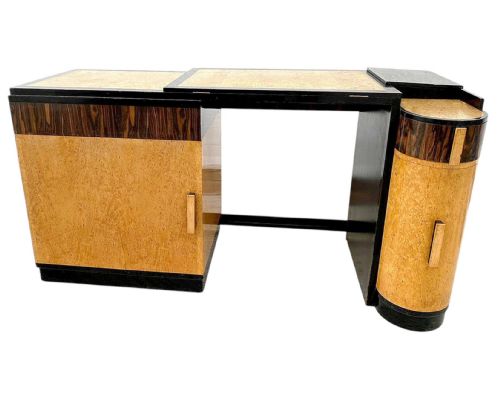
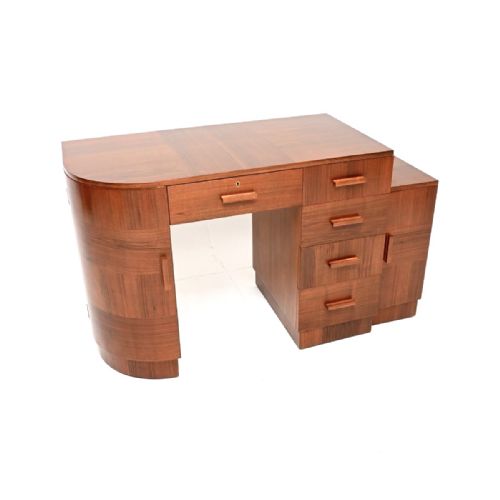
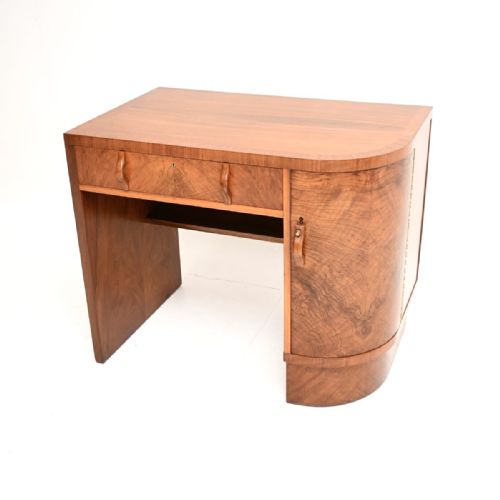
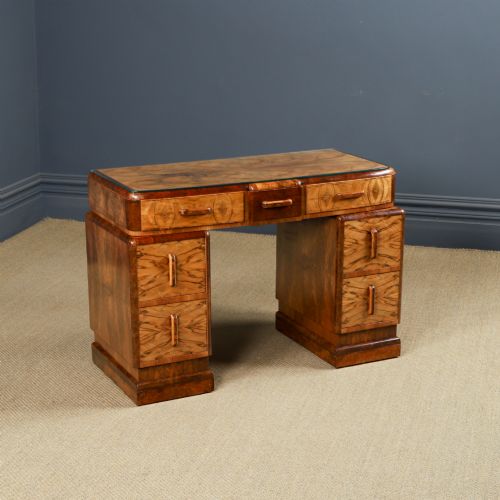
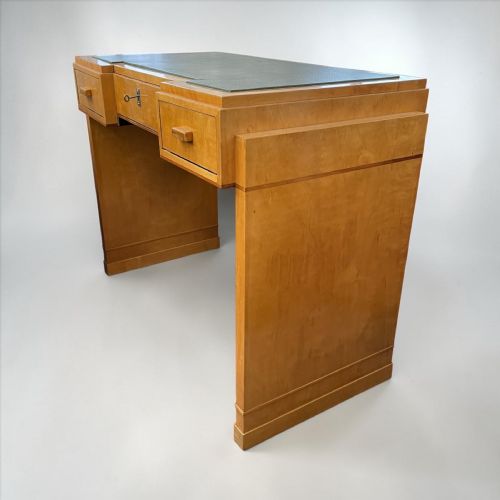
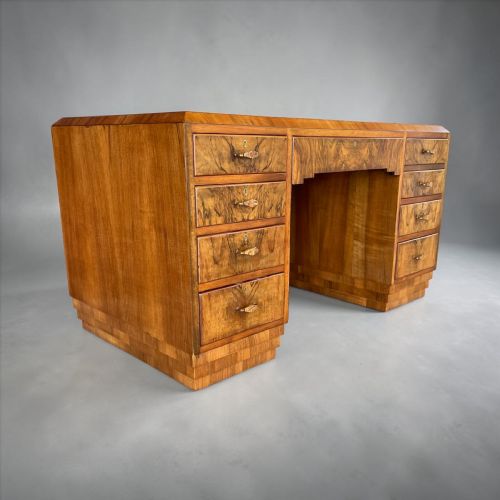
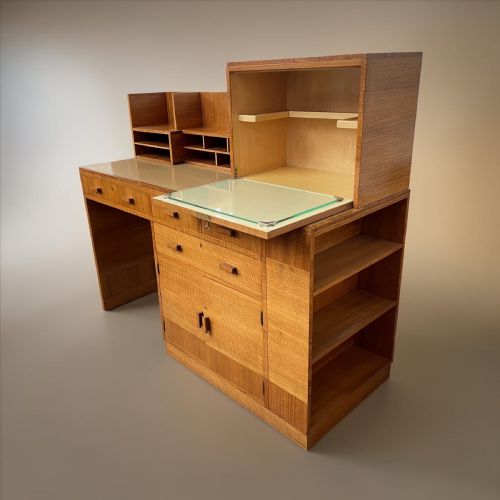
Alongside standard upright models, variations include cloud-shaped writing bureaux and pedestal formats that blur the line between a traditional bureau and a modern office desk. Walnut veneer and burr walnut dominate the selection, giving these pieces their characteristic swirling grain patterns.
How they were made
Cabinet makers utilised solid timbers alongside finely cut veneers like burr walnut, walnut, and occasional mahogany over oak carcases. This technique allowed craftsmen to display symmetrical wood grains across large curved surfaces and flat fall-fronts.
Metal elements such as brass and general hardware provided structural accents, whilst glass found use in skyscraper pedestal desks and bookcase doors. Construction methods combined traditional joinery with the sweeping, streamlined curves characteristic of the period.
Art Deco Bureau Retail Price Guide 2026
Typical asking prices for art deco bureau among the pieces listed under this phrase on Sellingantiques today, from the lower quarter to the upper quarter. They describe what is for sale here now, not the wider market.
Listings feature items built from walnut, burr walnut, oak, limed oak, mahogany, and silky oak across the nineteen twenties, nineteen thirties, and nineteen fifties.
What varies in quality
The standard of a piece rests upon the choice of timber veneer and the precision of its grain matching. Highly figured burr walnut displays a depth and movement that elevates a bureau far beyond plain domestic utility.
Construction integrity defines the upper tier of these desks, visible in the smooth action of the fall-front mechanism and the fitted interior layout. Pieces attributed to known makers or distinctive regional workshops maintain a stronger presence through considered proportions and thoughtful detailing.
F.H. Marshall And Co Glasgow·Heal's·Étienne Kohlmann·Maurice Adams·De Coene
The Art Deco Bureau Glossary
- Bureau
- A writing desk featuring a sloping hinged lid or fall-front that opens to reveal small drawers and compartments. This form provides a concealed workspace when closed.
- Burr walnut
- A timber harvested from walnut tree growths, producing intricate, swirling grain patterns. Cabinet makers prized this material for decorative veneering on prominent surfaces.
- Fall-front
- A hinged panel that drops down to form a horizontal writing surface. It typically rests on pull-out wooden supports.
- Bureau bookcase
- A combination furniture piece uniting a writing bureau at the base with enclosed shelving above. Glazed doors frequently protect the upper cabinet section.
- Bureau plat
- A freestanding double-sided writing table with drawers, originating in France. Unlike a traditional drop-front bureau, it lacks an upper cabinet or sloping lid.
Art Deco Bureau: Frequently Asked Questions
What is an art deco bureau?
An art deco bureau is a compact writing cabinet featuring a drop-down flap that covers internal compartments for stationery. These pieces date predominantly from the interwar period and combine practical storage with distinct geometric styling.
Craftsmen built them using native and exotic timbers, frequently applying decorative veneers to the exterior while maintaining functional desk space within.
How do walnut and oak bureaus differ?
Walnut versions generally showcase rich, figured grain patterns and sleek, rounded silhouettes typical of high-style urban furniture. Oak examples, including limed and golden oak finishes, tend to offer a sturdier, more straightforward aesthetic.
Both materials were common, but walnut often signalled a more decorative approach suitable for reception rooms, whereas oak served both domestic studies and commercial offices.
Where should I place a bureau?
These desks suit home studies, living rooms, and bedrooms due to their compact footprint and dual function as storage and writing space. Closing the fall-front instantly hides paperwork and clutter.
Positioning them away from direct sunlight protects the timber veneers from fading and keeps the wood from drying out over time.
How do I identify a nineteen thirties bureau?
Nineteen thirties pieces usually display characteristic waterfall edges, cloud-shaped outlines, and symmetrical veneer layouts without excessive traditional carving. The hardware often incorporates simple brass pulls or streamlined metal details.
Interior fittings also offer clues, featuring clean-lined pigeonholes and small drawers arranged in balanced, geometric formations rather than ornate Victorian shapes.