



Art Deco Armoire Cupboard
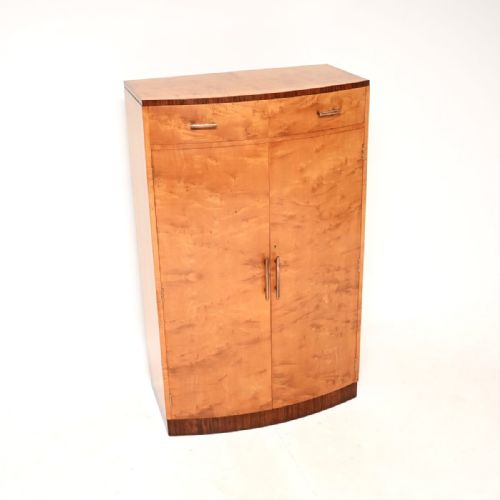
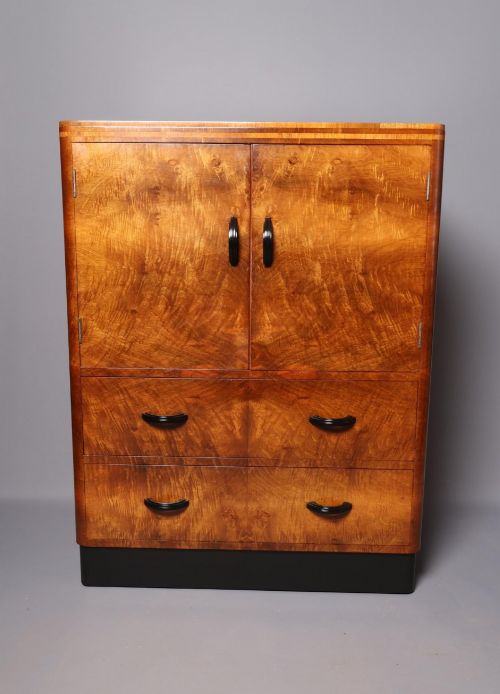
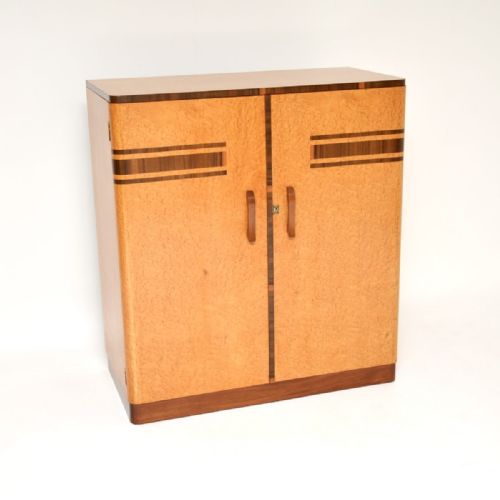
These art deco armoire cupboard pieces bring bold geometric forms and striking grain patterns to the bedroom, offering substantial storage with distinct period character.
Art Deco Armoire Cupboard
An art deco armoire cupboard combines architectural presence with practical interior storage, appearing across variants such as compactums, tallboys, and multi-door wardrobes. These pieces originate primarily from the 1920s, 1930s, and 1940s, embodying the transition from traditional cabinetry to modernist design.
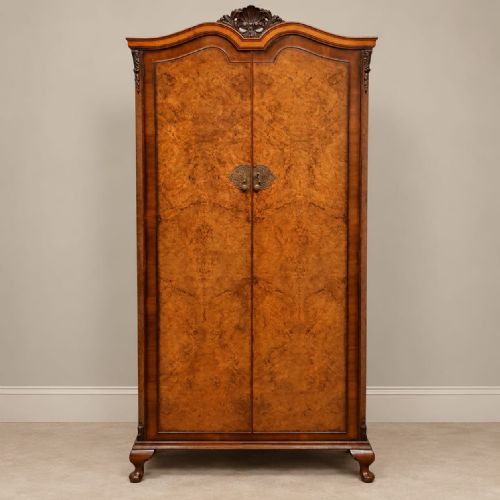
You will encounter single, double, and triple configurations alongside fitted interiors designed for modern clothing storage. Styles range from strict geometric Art Deco to Swedish Grace and occasional revivals like Queen Anne, reflecting diverse European tastes of the period.
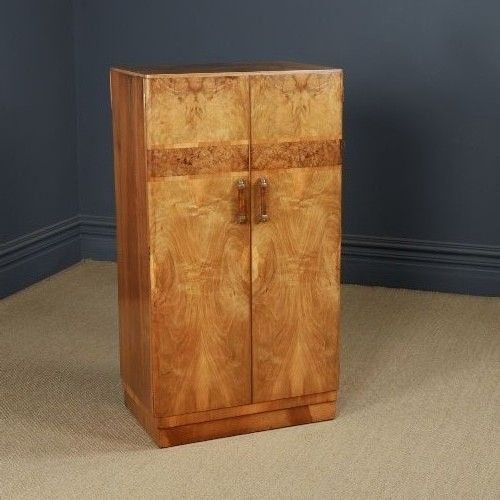
The forms span tall upright wardrobes, low compactums, and specialised cabinets utilising traditional cabinetry layout adapted for interwar domestic use. Each variant demonstrates the characteristic vertical emphasis and streamlined silhouette associated with the interwar decades.
Materials and construction methods
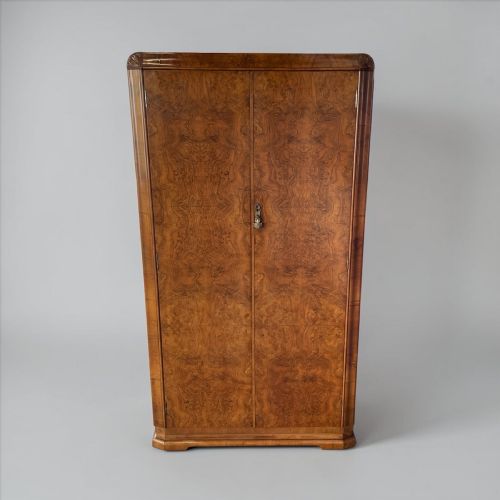
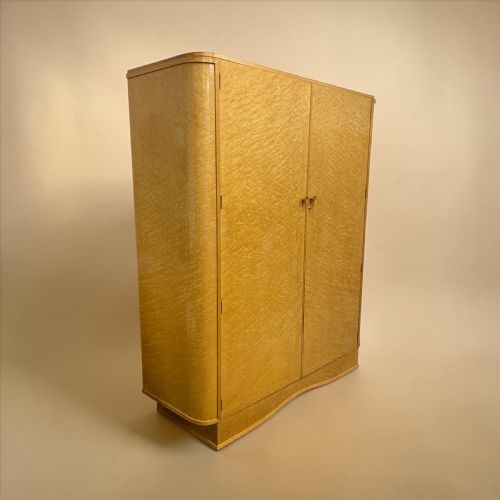
Cabinetmakers utilised rich timber veneers such as burr walnut, cloud walnut, satin birch, and birds eye maple applied over stable secondary woods to create striking symmetrical grain patterns on large flat surfaces. This technique allowed makers to showcase natural wood figures across expansive door panels.
Metal elements including brass and occasionally bakelite feature as handles, hinges, and decorative trim, providing sharp contrast to the warm polished timber facades. Construction relies on solid joinery frameworks designed to support heavy timber doors and internal fitted shelving or hanging space.
Some compactum doors open to reveal hidden tie racks and velvet-lined compartments designed for the meticulous gentleman of the 1930s.
Assessing quality in period pieces
Quality reveals itself in the selection and matching of wood veneers across the main elevation, where superior examples display book-matched grain that flows symmetrically from panel to panel. Finer pieces also maintain crisp architectural mouldings and original functional hardware.
Internal fitting sophistication separates standard wardrobes from exceptional compactums, with top-tier examples incorporating bespoke pigeonholes, sliding trays, and integrated drawers behind the primary doors. The structural integrity of the main carcase and the smooth operation of heavy doors further distinguish high workshop production.
Heals of London·Harry and Lou Epstein·Otto Schulz for Boet
The Art Deco Armoire Cupboard Glossary
- Compactum
- A multi-functional wardrobe combining hanging space with internal drawers, shelves, and compartments in a single unified unit. This form maximises interior storage capacity without requiring an oversized footprint.
- Burr walnut
- A highly figured timber veneer harvested from the warted growths on walnut trees, prized for its swirling, organic patterns. It forms the primary decorative surface on many high-end interwar cabinets.
- Book-matching
- A veneer technique where adjacent slices of timber are opened like a page to create a symmetrical mirror-image pattern. This method highlights the natural grain across large cabinet doors.
- Tallboy
- A tall storage piece combining a wardrobe section with lower or internal drawers, offering vertical capacity for compact bedroom spaces. The proportion emphasises height alongside floor-standing stability.
- Swedish Grace
- A refined Scandinavian classicist style bridging neoclassical restraint and early modernist simplification during the interwar decades. Pieces in this style utilise pale timbers and subtle geometric details.
Art Deco Armoire Cupboard: Frequently Asked Questions
How do I fit a tall wardrobe in a modern bedroom?
Measure your ceiling height and floor space carefully before purchasing, ensuring adequate clearance for opening large timber doors. Many interwar pieces offer generous internal volume that can replace several smaller contemporary storage units.
Position the cabinet away from direct heat sources and strong sunlight to protect delicate wood veneers and polished finishes from drying out over time.
What is the difference between an armoire and a compactum?
An armoire traditionally provides open hanging space behind large doors, whereas a compactum integrates specialised internal compartments, drawers, and shelving alongside the wardrobe section. Both forms serve primary bedroom storage needs through different internal layouts.
Examine the internal configuration to determine which style best suits your storage requirements for garments, linens, and accessories.
How do I care for walnut veneer surfaces?
Dust the exterior regularly with a soft, dry cloth and apply a quality furniture wax sparingly to maintain the natural moisture and lustre of the timber. Avoid using modern chemical sprays or silicone polishes that can degrade the historic finish.
Keep the room humidity relatively stable to prevent the underlying wood from expanding or contracting, which protects the delicate veneer from cracking or lifting.
How can I tell a 1930s piece from a later revival?
Examine the construction methods, secondary timbers inside the carcase, and the type of hardware used on the doors and internal drawers. Period pieces from the interwar decades exhibit specific joinery techniques and material combinations typical of European workshops active at that time.
Look for maker stamps, retailer labels, or characteristic design motifs such as contrasting light and dark wood stringing that align with documented production eras.