



Art Deco Birch Cabinet
An art deco birch cabinet brings striking grain and clean geometry into a room, making it a sought-after piece for mid-century interiors.
Art Deco Birch Cabinet
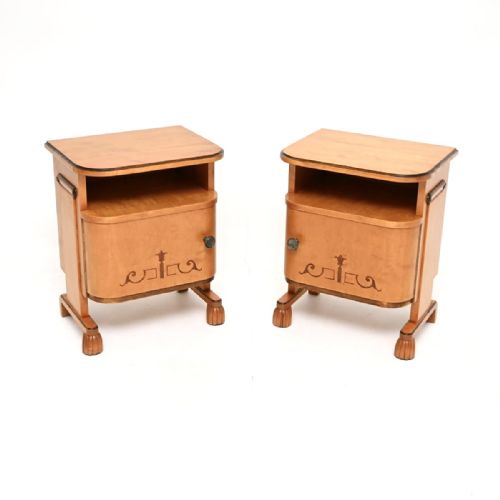
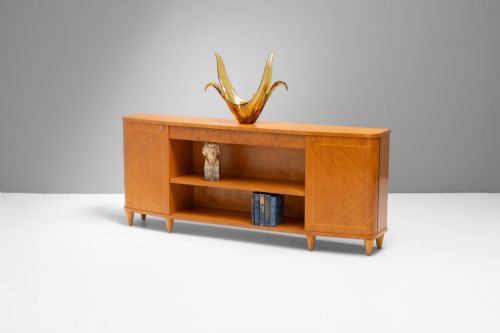
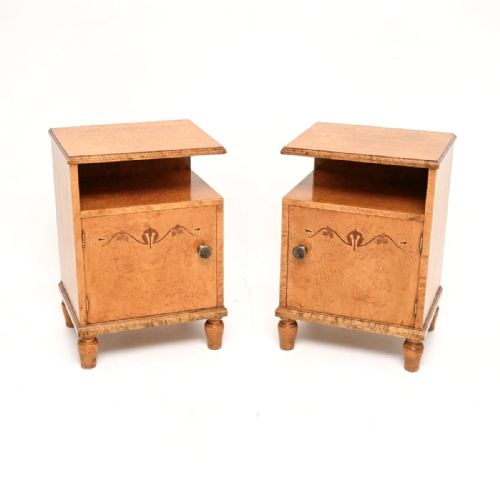
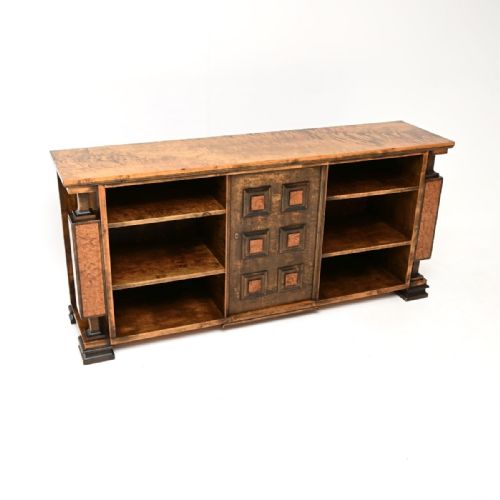
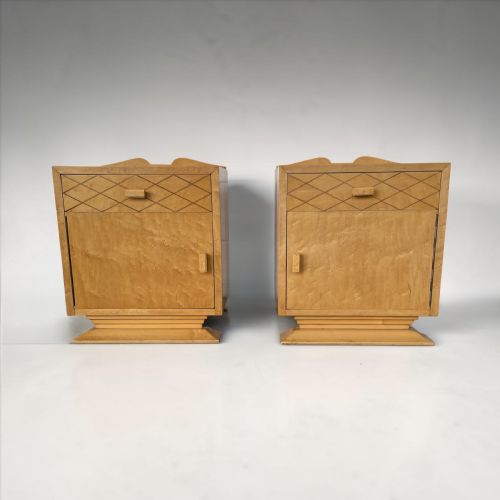
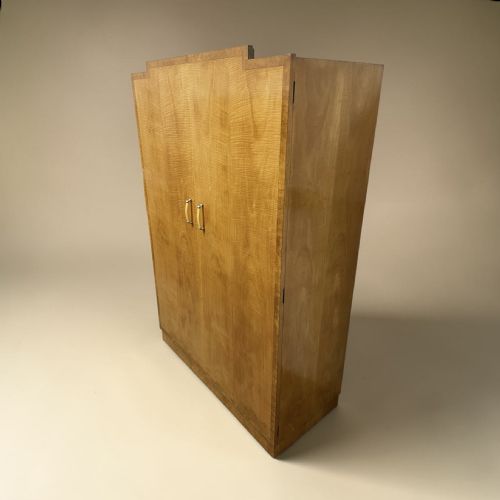
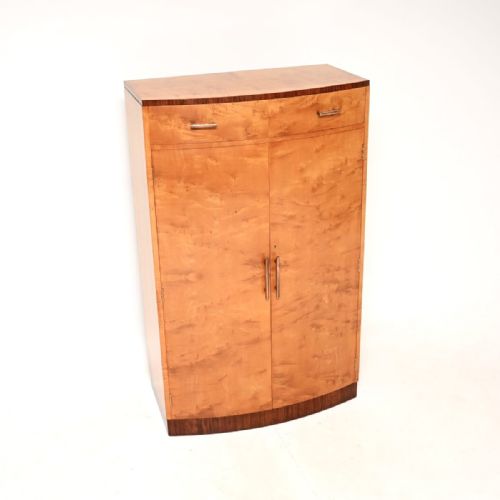
When you search for an art deco birch cabinet, you are looking at modernist storage furniture defined by pale timber, architectural silhouettes, and Scandinavian origins. The pieces appearing here span compact bedside cupboards and low open bookcases to grand sideboards and tall wardrobes.
The version you are most likely to meet on this page is a Swedish or Scandinavian design from the nineteen-thirties. These examples often pair pale birch veneer with darker contrasting timbers like walnut or elm, creating distinct geometric patterns across the front.
Alongside dedicated cabinets, the selection frequently includes related forms such as compactum wardrobes, side cabinets, and coffee tables sharing the same vocabulary of materials and style. They reflect a period when cabinet-makers moved away from heavy Victorian ornamentation in favour of functional elegance.
What varies in quality
The distinction between standard production and exceptional quality lies in the selection and book-matching of the birch veneer. Master makers arranged the grain patterns symmetrically across doors and drawers to create striking visual movement, whereas lesser pieces display random or plain figuring.
Construction methods also set pieces apart, visible in the precision of the joinery and the integration of secondary woods. Pieces originating from known workshops or specific designers demonstrate a higher level of finish in internal fittings and hardware detailing.
Art Deco Birch Cabinet Retail Price Guide 2026
Typical asking prices for art deco birch cabinet among the pieces listed under this phrase on Sellingantiques today, from the lower quarter to the upper quarter. They describe what is for sale here now, not the wider market.
Bath Cabinet Makers·Sandberg & Co·Otto Schulz for Boet
The Art Deco Birch Cabinet Glossary
- Birch veneer
- A thin slice of birch timber applied to a core structure. This technique allowed makers to utilise highly figured wood grains efficiently across wide cabinet doors.
- Compactum wardrobe
- A fitted multi-compartment wardrobe combining hanging space, drawers, and shelving within a single unit. These efficient storage items became popular during the nineteen-thirties.
- Swedish Grace
- A transitional style bridging neoclassical design and early modernism in Sweden. It predates strict functionalism and is characterised by refined proportions and understated ornamentation.
- Satin birch
- Birch timber exhibiting a natural sheen and shimmering grain pattern. It was heavily favoured by Scandinavian designers for its bright, reflective surface quality.
Art Deco Birch Cabinet: Frequently Asked Questions
How do I clean a birch cabinet?
Dust the surface regularly with a soft, dry cloth to prevent dirt accumulation. Avoid harsh chemical cleaners that can damage the polish or veneer.
Feed the timber periodically with a quality furniture wax designed for light woods to maintain its natural lustre. Keep the piece away from direct sunlight and heat sources to prevent the wood from drying out or warping.
Where were these cabinets made?
The majority of these pieces originate from Sweden and Finland, reflecting strong Scandinavian design traditions of the interwar period. Workshops in Britain also produced comparable items influenced by continental modernist trends.
Regional differences often appear in the choice of secondary woods and the specific geometry of the veneer work. Swedish pieces particularly dominate the selection with their characteristic use of pale satin birch.
What is satin birch?
Satin birch is a natural variant of standard birch featuring a tight, reflective grain that catches the light. It provides a luminous finish when polished, making it a primary choice for decorative cabinet facades.
Cabinet-makers prized this timber for its ability to create dramatic patterns when book-matched across double doors or drawer fronts.
How do I date an art deco cabinet?
Dating relies on stylistic markers, construction techniques, and materials characteristic of the nineteen-thirties and the preceding decades. The presence of Swedish Grace or early modernist influences helps narrow the period of manufacture.
Maker stamps, paper labels, and branded signatures inside drawers or on the back panels offer definitive evidence of origin and date.