

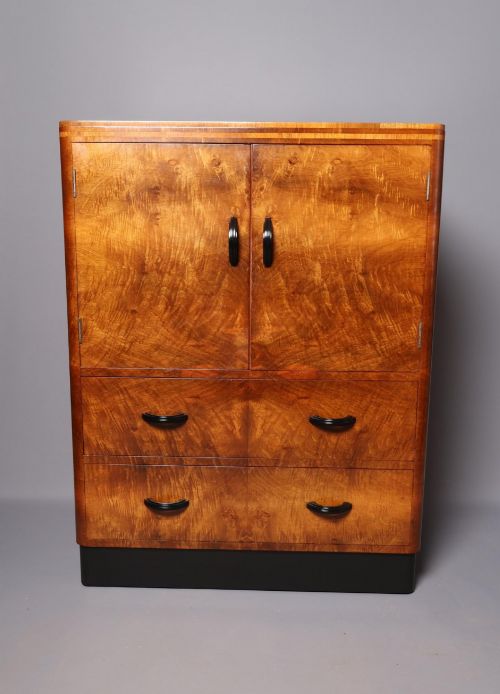


Art Deco Double Cupboard
An art deco double cupboard brings striking twentieth-century symmetry to a room, offering generous enclosed storage in distinctive period timbers.
Art Deco Double Cupboard
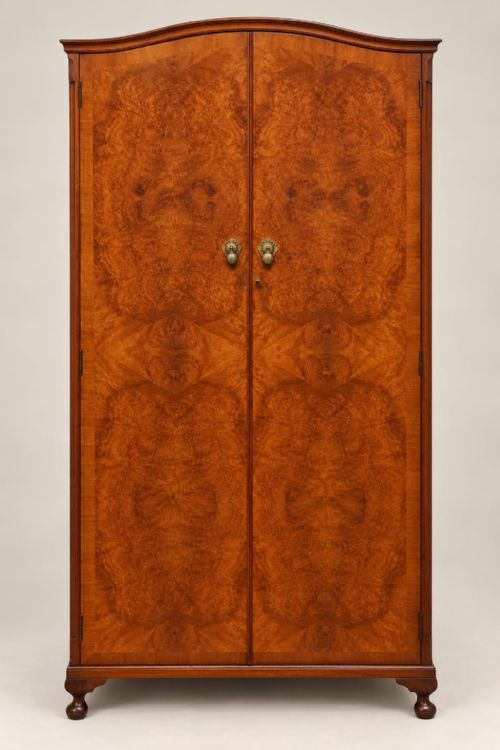
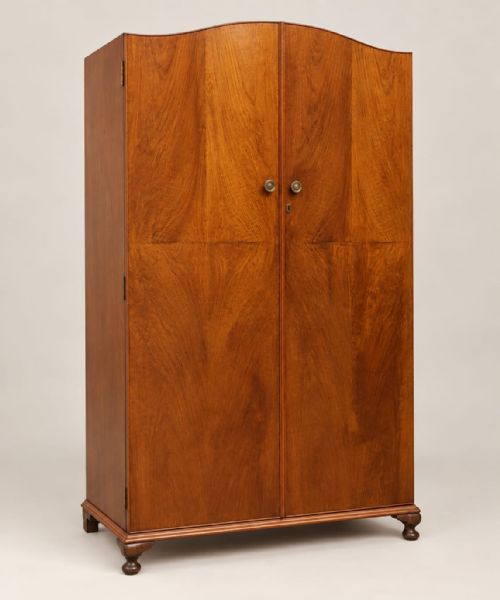
An art deco double cupboard represents the architectural forms and linear grace characteristic of interwar design, frequently appearing as compactums, tallboys, and fitted wardrobes. Buyers searching for an art deco double cupboard generally encounter substantial storage pieces designed to anchor a bedroom or living space with bold geometric presence. The selection spans pieces from the 1920s, 1930s, and 1940s, capturing the transition from exuberant early twentieth-century luxury to streamlined functionalism.
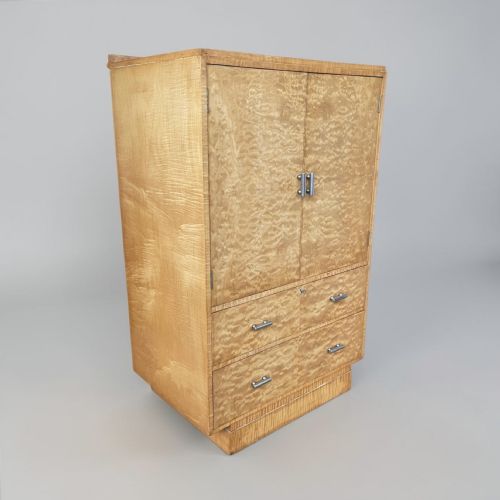
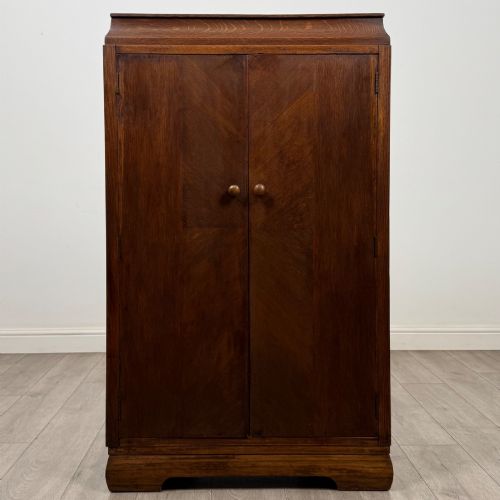
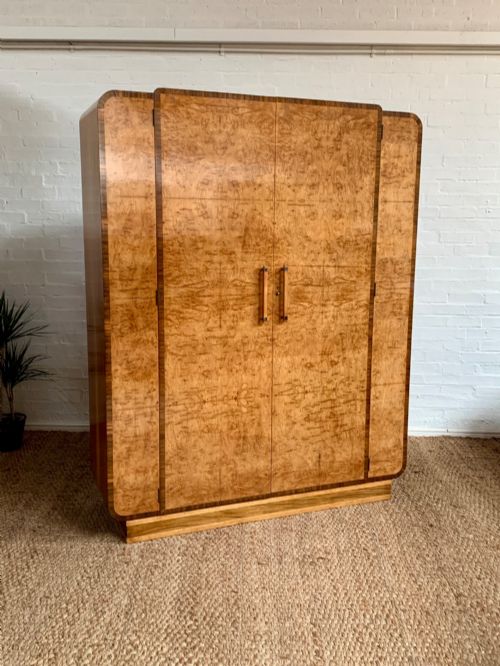
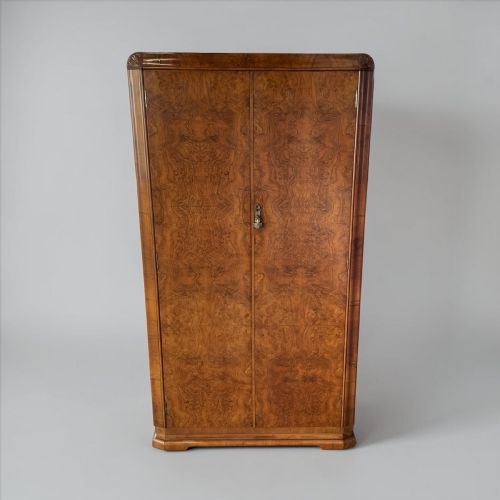
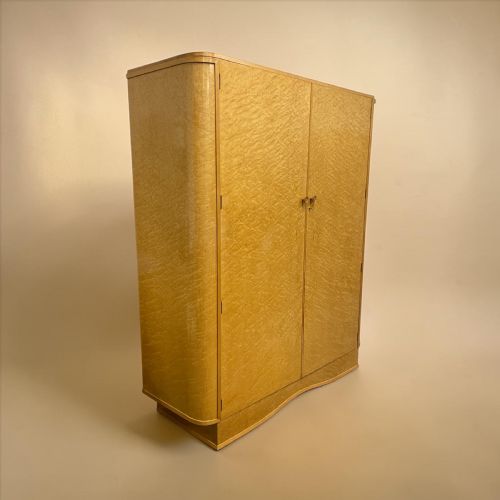
The evidence shows these storage forms arriving in various configurations, including compactum wardrobes, cocktail cabinets, and sideboards alongside traditional tallboys. Walnut, burr walnut, and birds-eye maple veneers dominate the visible surfaces, often contrasted with birch, satinwood, or metal details. While strict double cupboard terminology applies to specific twin-door layouts, the broader group incorporates triple wardrobes and bow-fronted refreshment cabinets sharing the same aesthetic vocabulary.
Materials and construction
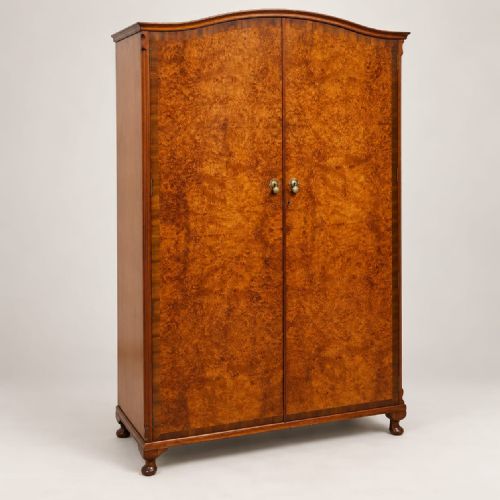
Cabinet makers of the period utilised figured wood veneers laid over stable secondary woods to create striking grain patterns across large double doors. Burr walnut and birds-eye maple provide the characteristic swirling or spotted decorative faces that define the visual impact of these items.
Metal components such as brass, aluminium, and bakelite appear as functional hardware, structural framing, or decorative trim. These materials reflect both the traditional cabinet maker's craft and the emerging industrial influences of the era.
Art Deco Double Cupboard Retail Price Guide 2026
Typical asking prices for art deco double cupboard among the pieces listed under this phrase on Sellingantiques today, from the lower quarter to the upper quarter. They describe what is for sale here now, not the wider market.
Some adventurous makers incorporated aeroplane-grade aluminium into their cabinetry, ensuring your sideboard is tougher than a vintage Spitfire.
Assessing quality in period cabinetry
The standard of an art deco double cupboard rests largely upon the selection and matching of the wood veneers across the front panels. Master craftsmen took great care to mirror grain patterns symmetrically, creating harmonious book-matched designs that elevate a standard storage carcass into a work of art.
The integration of contrasting timbers, such as birch or satinwood stringing, alongside thoughtful metal or bakelite hardware distinguishes finer workshops from mass production. Superior construction is further evident in the weight of the doors, the precision of internal fittings, and the stability of the timber foundations beneath the veneer.
The Art Deco Double Cupboard Glossary
- Compactum
- A multi-functional wardrobe or cabinet combining hanging space, drawers, and shelving within a single enclosed unit. This form maximises internal storage while maintaining a compact footprint.
- Burr Walnut
- A specialised wood cut from the abnormal growth of a walnut tree, yielding highly decorative, swirling grain patterns. Cabinet makers prized this veneer for the dramatic visual texture it brought to double doors.
- Birds Eye Maple Veneer
- A timber sheet displaying small, swirling circular markings resembling tiny eyes across the light surface. It provides a luminous contrast to darker woods in interwar furniture.
- Tallboy
- A vertical storage cabinet standing taller than a standard chest of drawers, often featuring cupboards above or below waist height. It offers substantial capacity without demanding excessive floor space.
Art Deco Double Cupboard: Frequently Asked Questions
What is an art deco double cupboard?
An art deco double cupboard is a storage piece featuring two doors, dating predominantly from the 1920s to the 1940s. These items range from compactum wardrobes to cocktail cabinets.
They utilise striking veneers like burr walnut and birds-eye maple, embodying the geometric symmetry and functional elegance of the period.
How were these cabinets used originally?
These cabinets served primarily for domestic storage, holding clothing, linens, or glassware depending on the internal configuration. Wardrobes and compactums organised garments, while specialised pieces housed cocktail sets and refreshments.
Their dual-door designs kept contents neatly concealed behind decorative wooden facades that enhanced the room's interior design.
How do I care for walnut veneer?
Walnut veneer requires protection from direct sunlight and excessive moisture to prevent fading and lifting of the wood surface. Regular dusting with a soft, dry cloth maintains the natural sheen without building up chemical residues.
Applying occasional specialist beeswax helps nourish the timber and preserves the depth of the grain patterns.
How do I distinguish 1920s from 1940s pieces?
Pieces from the 1920s often display more flamboyant shapes, such as bow fronts and exuberant burr walnut graining. The 1940s examples tend toward simpler, more utilitarian lines with restrained decoration and alternative timbers like birch.
Examining the hardware and internal construction methods also helps reveal the specific decade of manufacture.