
Architectural Wood Panel
An architectural wood panel brings tangible history into a room, offering tactile depth and structured ornament derived from centuries of master carpentry.
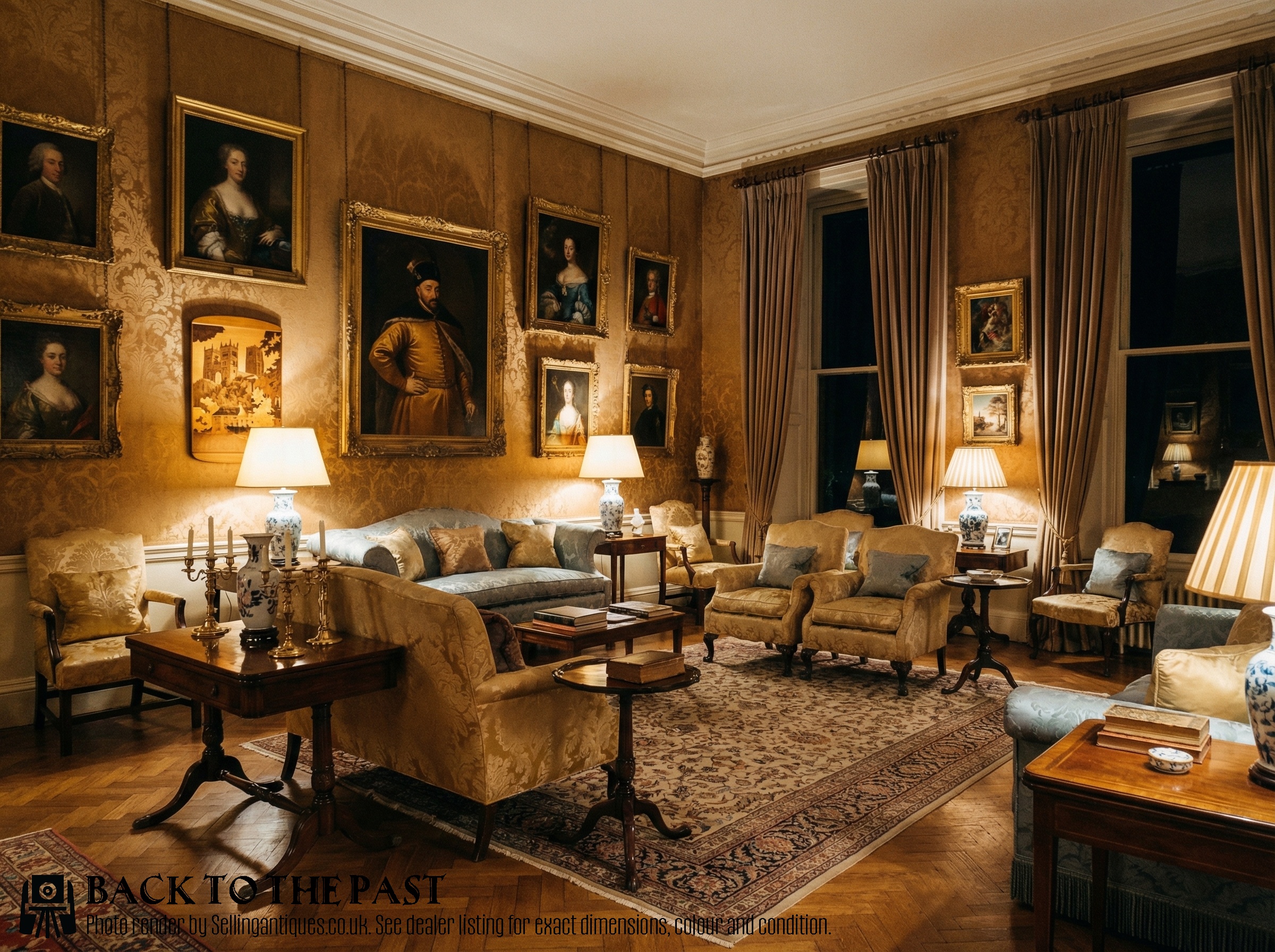
Architectural Wood Panel
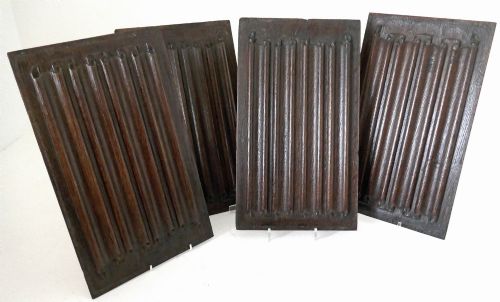
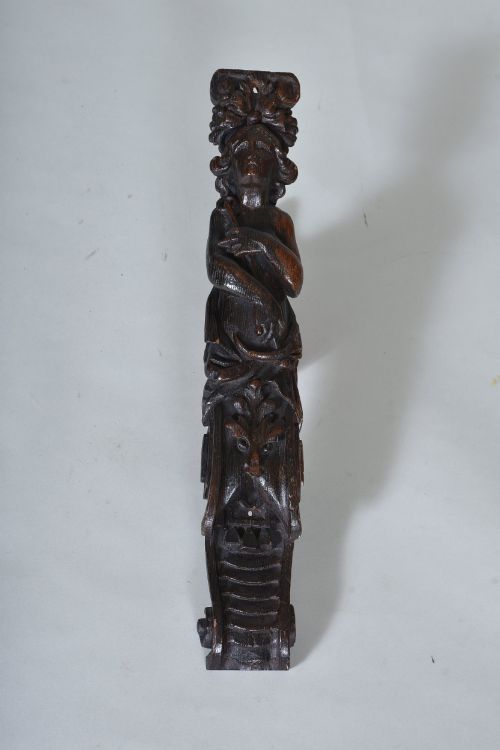
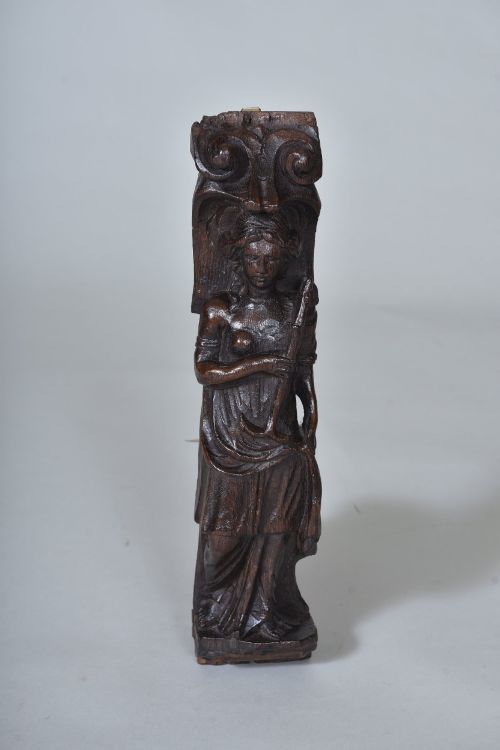
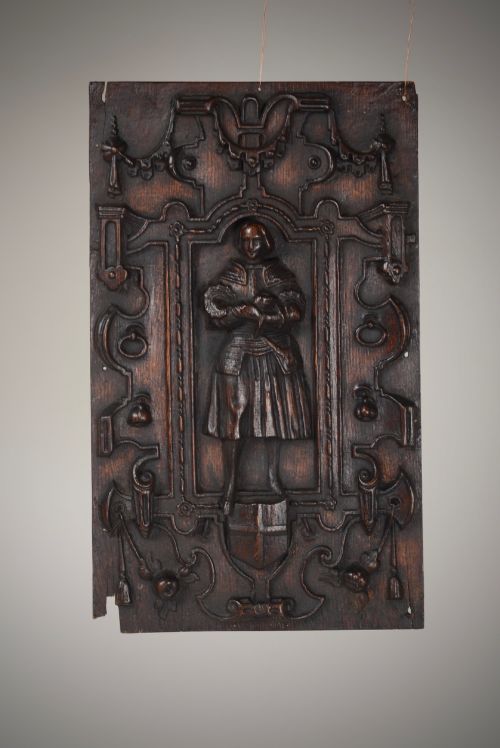
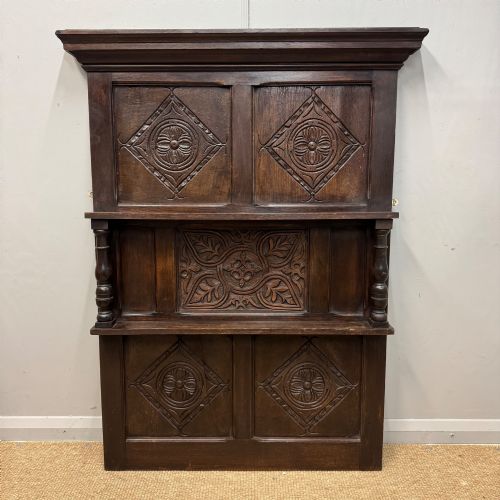
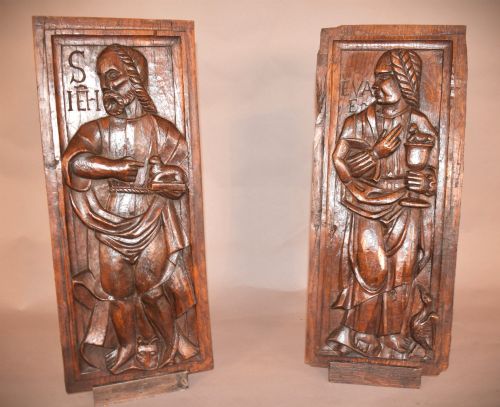
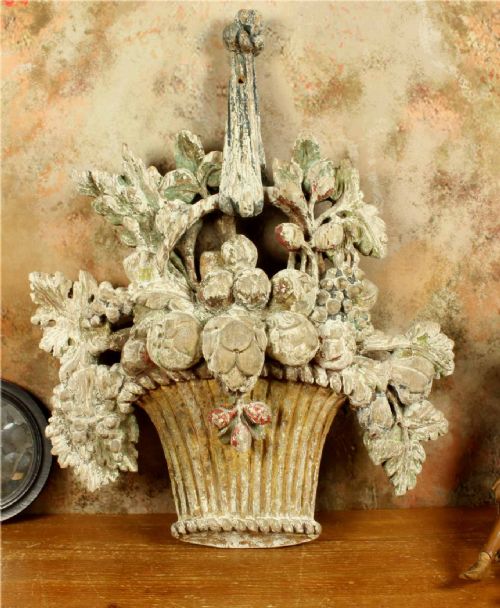
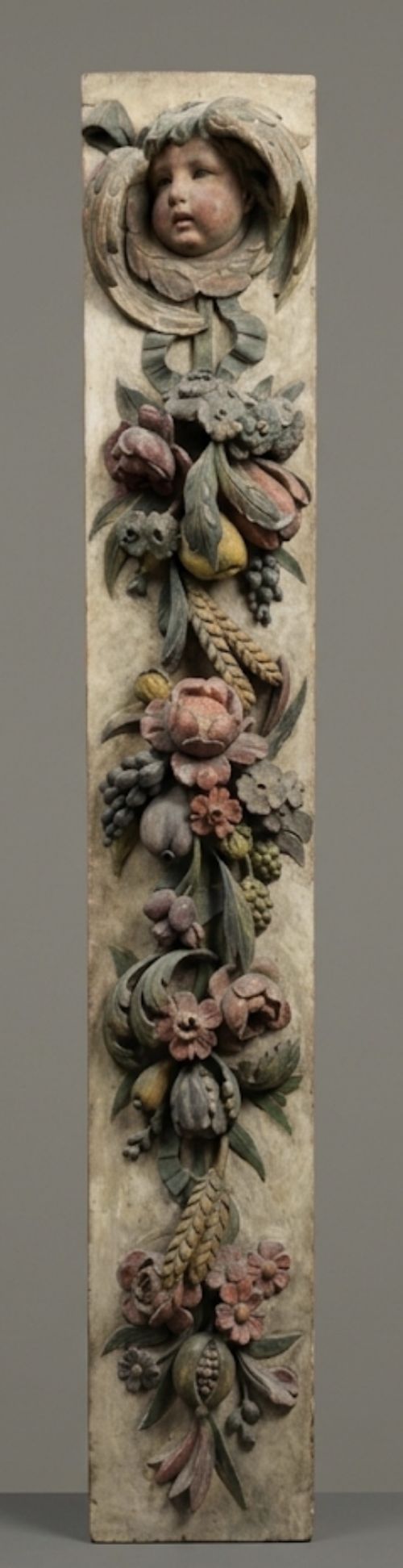
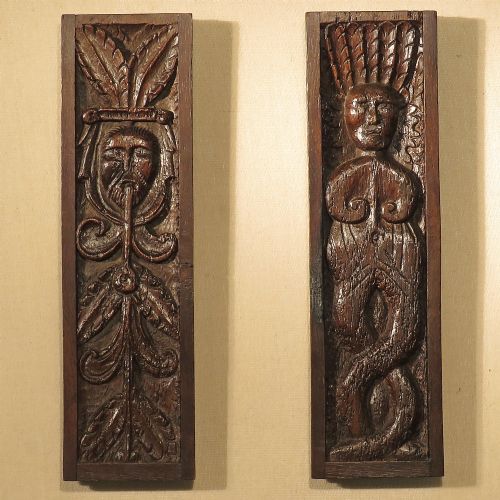
An architectural wood panel is a salvaged fragment or dedicated wall ornament drawn from historic domestic and sacred interiors. When you search for architectural wood panel, you encounter everything from austere early Tudor partitions to ornate Baroque overmantels and overseas temple carvings. The pieces on this page span several centuries, with oak and pine forming the structural backbone of the domestic items.
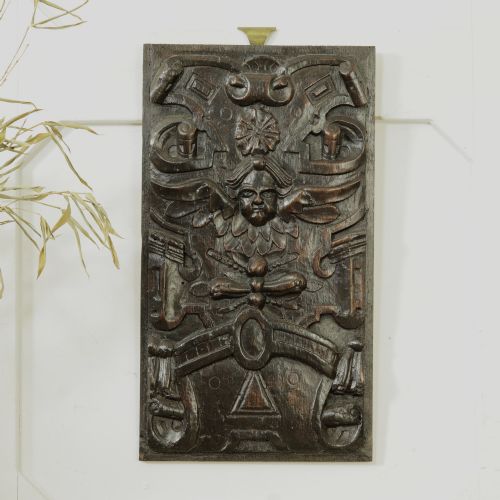
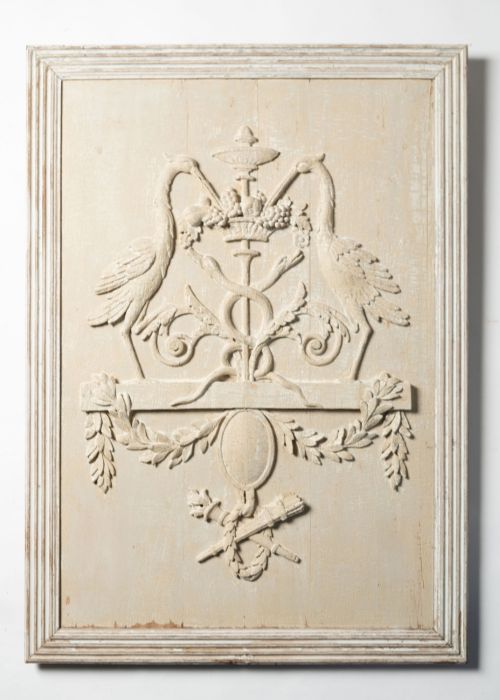
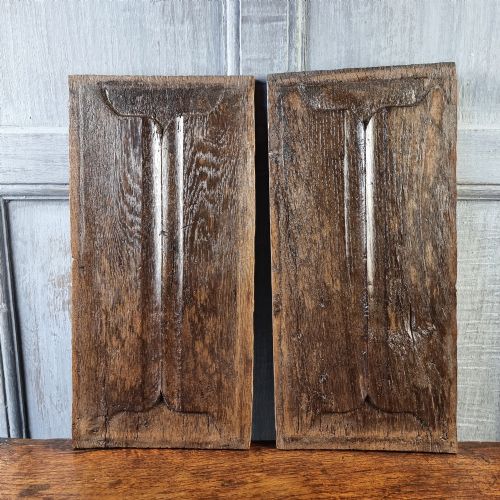
The most common formats you meet here are rectangular wall panels, relief carvings, and overdoors salvaged from European and Asian buildings. Early examples favour repetitive linenfold motifs or deeply undercut figural scenes, whilst later pieces embrace neoclassical symmetry or regional vernacular styles. These items function today as independent wall art, mounted above fireplaces or integrated directly into modern wall schemes.
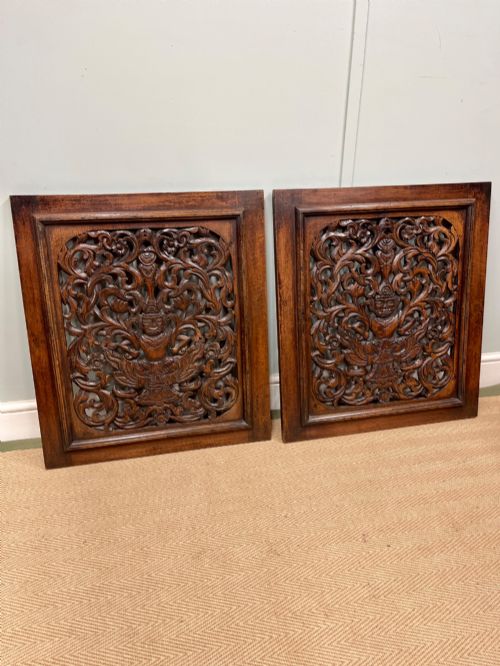
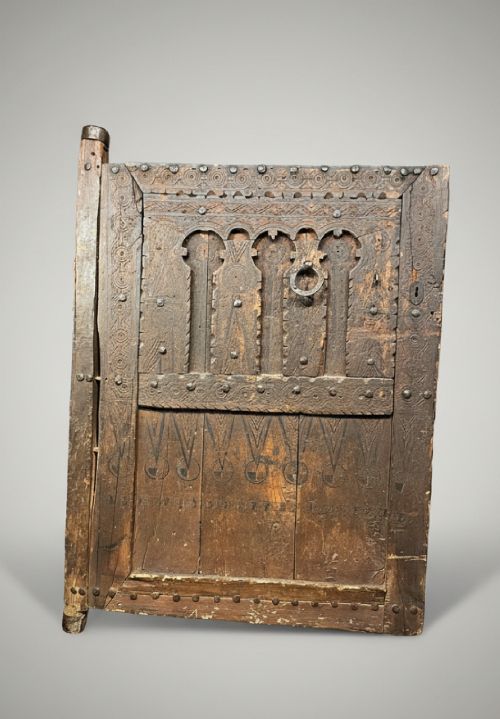
Origin dictates the character of each piece, ranging from English oak and French chateau fragments to Chinese gilt wood temple panels and Burmese carvings. The chronological spread reaches from the sixteenth century through to the early twentieth century, incorporating revival periods like the Gothic Revival and Jacobean styles. Each piece carries the marks of its original architectural context, whether intended for a ceiling rose, a pierced ceiling boss, or an entrance door.
Materials and construction
Oak and timber provide the primary physical substrate for the majority of these panels, chosen for durability and dense grain structure. Carvers worked directly into the seasoned wood using gouges and chisels to achieve high-relief figures, foliate scrolls, and geometric linenfold patterns. Secondary materials such as gesso, gold leaf, and polychrome paint frequently coat the timber surface to add colour and light reflection.
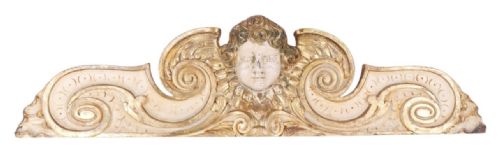
Specialised regional techniques distinguish the various traditions represented in the woodwork, from the pierced fretwork of Chinese temple panels to the intricate parcel gilt work of European pediments. Craftsmen joined framing members using traditional pegged mortise and tenon joints, accommodating seasonal wood movement within the wall structure. Surface finishes range from natural waxed oak to layered historical paint schemes and delicate lacquer.
Listings feature sixteenth-century oak linenfold panels alongside nineteenth-century Burmese carvings, Chinese gilt wood plaques, and eighteenth-century Italian doors.
Assessing quality and execution
The distinction between ordinary joinery and superior work lies in the crispness and depth of the carving. Master carvers achieved anatomical accuracy and naturalistic movement in figures and foliage, whereas lesser pieces display stiff, shallow incisions and repetitive tool marks. The crisp undercutting of leaves and drapery separates exceptional seventeenth-century oak panels from routine commercial production.
Condition and originality heavily influence the standing of any panel within its type. Intact historical surfaces, original polychrome, or untouched patinated oak command greater appreciation than heavily stripped or later re-carved timber. The coherence of the design, whether in a formal neoclassical pediment or a rustic vernacular plaque, determines the visual impact of the piece on the wall.
Edward Pearce·Thomas Chippendale·Grinling Gibbons·Paul-Élie Gernez·Francisco Sancha
The Architectural Wood Panel Glossary
- Linenfold
- A style of relief carving imitating folded linen or parchment, popular on sixteenth-century oak panels. This motif creates a textile-like texture across flat wooden surfaces.
- Overmantel
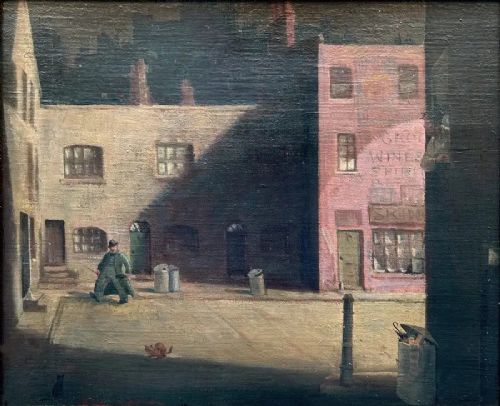
- A decorative panel or painting fitted horizontally above a fireplace mantelpiece. These architectural elements frequently feature elaborate carved wood reliefs or oil paintings.
- Pediment
- A triangular or segmented architectural ornament placed above doors, windows, or overmantels. In historic joinery, these often receive carved foliate enrichment and parcel gilding.
- Green Man
- A sculptural architectural motif consisting of a human face surrounded by or disgorging vines and foliage. This symbol of rebirth appears frequently in early wood carvings.
- Ceiling Boss
- A projecting block of carved wood placed at the intersection of ceiling ribs. These structural nodes often take the form of carved leaves, rosettes, or grotesque masks.
Architectural Wood Panel: Frequently Asked Questions
How were architectural wood panels originally used?
These panels served as structural wall linings, decorative friezes, overmantels, and overdoors within grand domestic or ecclesiastical interiors. They provided insulation, draught exclusion, and visual display of status.
Over centuries, buildings were altered or demolished, leading to the salvage of these wooden elements as portable works of art or architectural ornaments for collectors.
How do I hang a heavy wooden panel safely?
Heavy carved oak or timber panels require robust wall fixings anchored directly into studs or masonry rather than dry lining alone. Heavy-duty metal brackets or French cleats are typically employed to support the substantial weight.
Professional installation is strongly advised for large overmantels and architectural fragments to ensure secure weight distribution across the wall surface.
How do I tell sixteenth-century panels apart from later copies?
Early sixteenth-century panels exhibit distinct tool marks left by hand adzes and primitive chisels, alongside natural timber shrinkage and dry oxidation. The wood grain shows organic undulations that modern machine cutting cannot replicate.
Later revival copies often display uniform machine milling on the reverse and lack the genuine wear patterns accumulated through centuries of environmental exposure.
Should I clean or wax an antique wood panel?
Historic wood benefits from gentle dusting with a dry microfibre cloth and occasional applications of microcrystalline wax to nourish dry timber. Avoid liquid furniture polishes and aggressive cleaning agents that strip historical patination.
Original painted or gilded surfaces require specialist conservation assessment to prevent accidental removal of fragile historical pigment layers.