


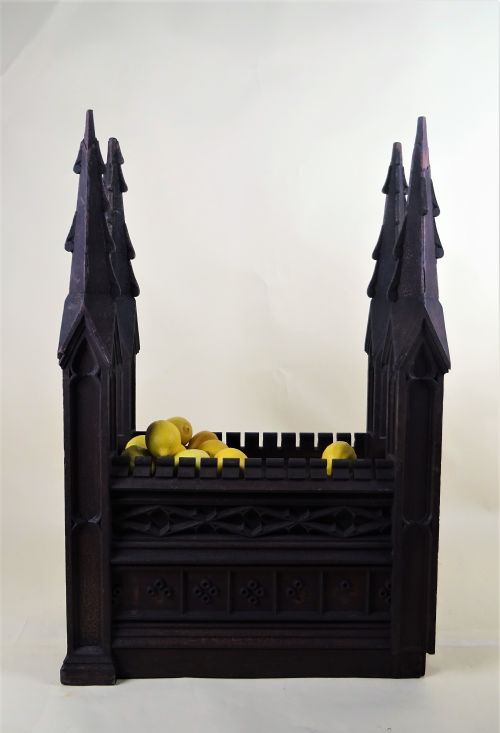


Architectural Wood Fragment
An architectural wood fragment brings centuries of carving skill into a room, offering genuine historical depth through salvaged panels, corbels and figures.
Architectural Wood Fragment
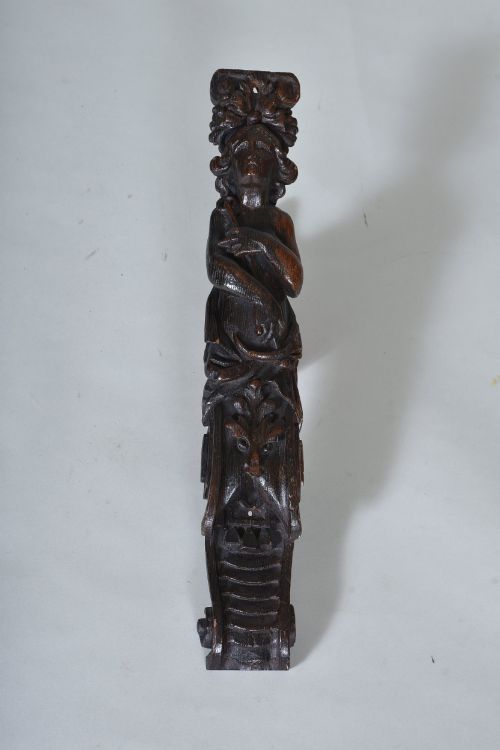
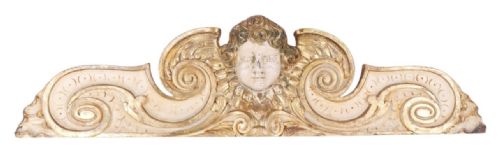
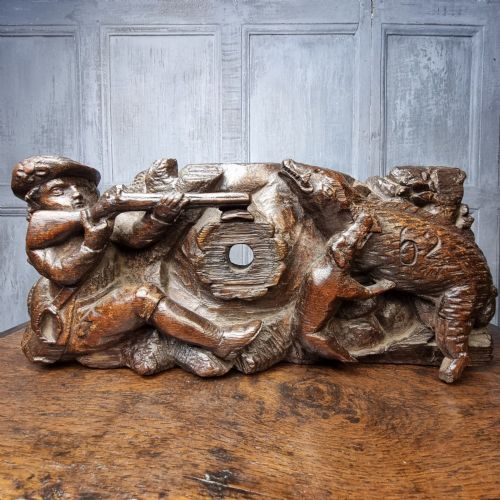
When you search for an architectural wood fragment, you are looking at remnants of historic buildings, furniture and religious interiors that have survived the centuries. These pieces take many forms, from oak ceiling bosses and carved friezes to figurative panels and roof decorations.
The selections span significant historical periods, with seventeenth century oak and sixteenth century gothic elements appearing alongside eighteenth century walnut carvings and later fairground fragments. Pieces originate from diverse European and global traditions, including Flemish, Italian, English and Indian workshops.
Most examples function today as wall art, mounted sculptures or decorative panels that display historic joinery and ornament. They let you bring tangible architectural history into a modern interior without requiring structural restoration.
Materials and construction methods
Oak and walnut form the structural backbone of these carvings, chosen for their density and durability over centuries of use. Artisans worked these hard timbers using hand chisels and gouges to achieve deep relief work and intricate tracery.
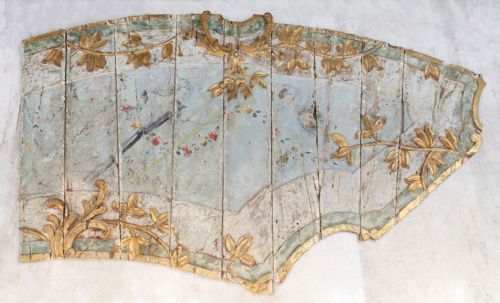
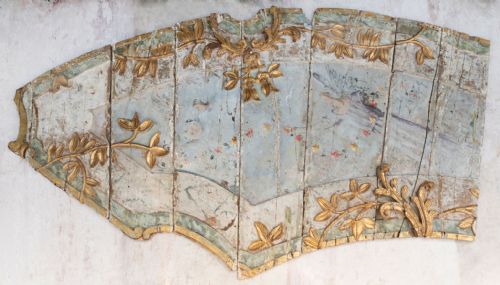
Many surfaces retain original or historic treatments such as gold leaf, gesso, polychrome paint and parcel gilt highlights. Iron fixings and pegs often remain embedded in the timber, pointing to the original methods of joining the elements to larger structures.
A grinning polychrome monkey and elephant once looked down from a Burmese temple before finding their way onto the open market.
What sets finer examples apart
The distinction between ordinary salvaged timber and superior sculpture lies entirely in the confidence and depth of the hand carving. Master carvers brought anatomical precision and expressive movement to figures like cherubs, lion heads and allegorical reliefs, whereas lesser work remains stiff and shallow.
Condition and surface integrity also dictate the standing of a piece, particularly where original gilding, gesso or polychrome pigment survives beneath centuries of wear. The crispness of the edges and the complexity of the design, such as pierced ceiling bosses or tracery, separate standard decorative elements from museum-grade fragments.
Grinling Gibbons·Hugues Sambin
The Architectural Wood Fragment Glossary
- Ceiling boss
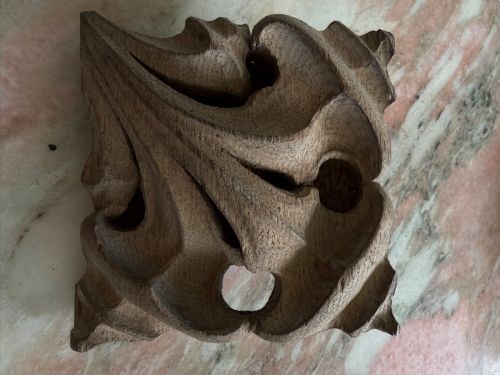
- A projecting decorative block placed at the intersection of ceiling ribs or beams. They are often carved with foliage, leaves or figurative motifs.
- Giltwood
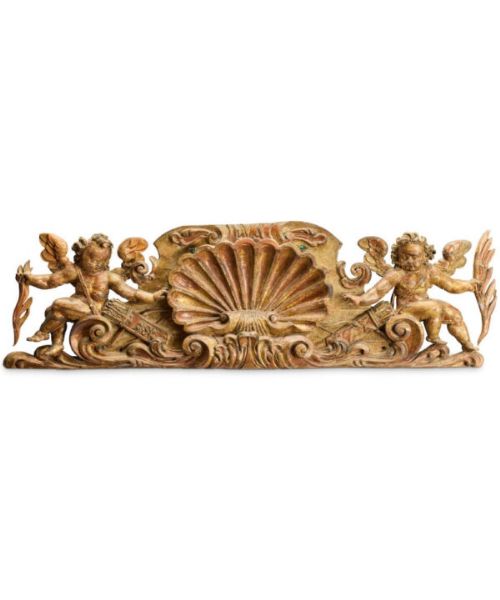
- Timber that has been coated with a thin layer of gold leaf or gold paint. This finish was commonly applied to architectural pediments and appliqués.
- Tracery
- Openwork ornamentation in stone or wood, most frequently seen in gothic design. It creates intricate geometric patterns within window heads and panels.
- Terme
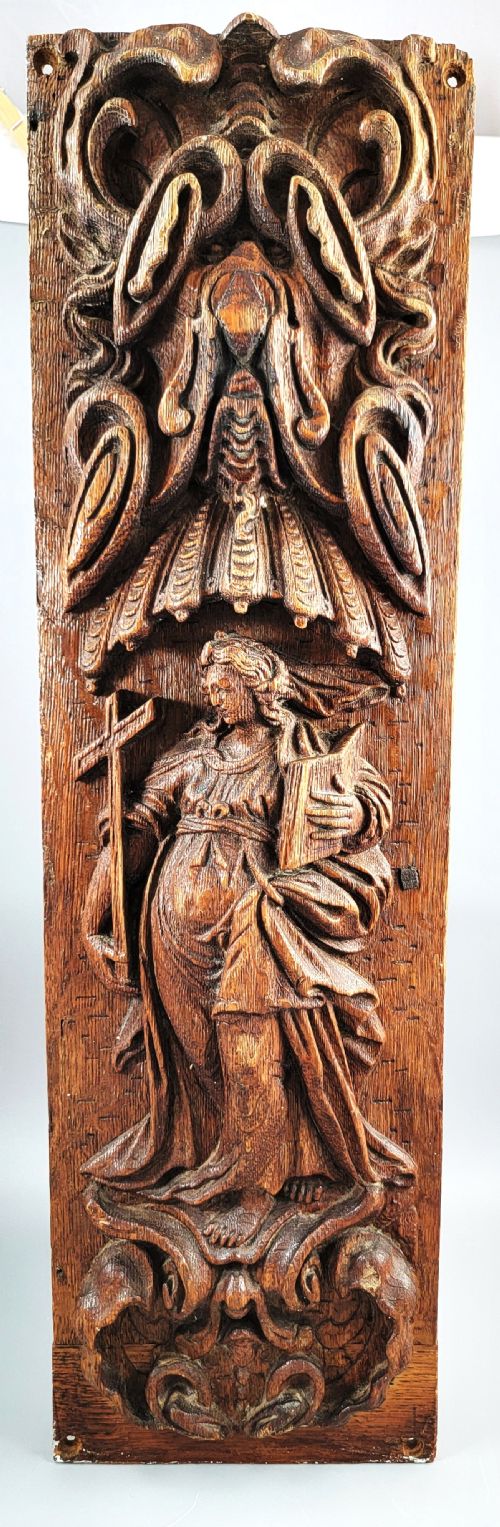
- A pillar or pedestal that tapers toward the base and is surmounted by a bust or figure. Sixteenth century examples often follow classical models.
- Parcel gilt
- Woodwork that is partially gilded, leaving specific areas of the natural timber exposed alongside the gold leaf.
Architectural Wood Fragment: Frequently Asked Questions
Can these fragments be displayed outside?
These wooden fragments are intended exclusively for interior display. Exposure to moisture, frost and direct sunlight will rapidly degrade historic timbers, gesso and gold leaf.
Keep them away from direct heat sources such as radiators to prevent the dry timber from splitting. Stable indoor humidity preserves the original carved surface.
How do I clean an antique wood carving?
Dust the surface gently with a soft dry brush or a clean microfibre cloth. Avoid using water, polishes or chemical cleaners, which can strip away historic paint, gesso and wax.
If the piece requires deeper conservation, consult a professional restorer rather than attempting to clean it yourself. Preserving the dry surface patina is vital for maintaining the character of the fragment.
How can I tell the period of a carved panel?
Dating relies on stylistic clues, tool marks and the choice of wood species. Sixteenth and seventeenth century pieces typically use dense oak with deep hand-chiseled relief, while later periods introduced different woods and mechanical aids.
Look at the back of the panel for joinery methods, tool ridges and signs of historical wear. Comparing the carving style to documented architectural motifs helps narrow down the century of origin.