
Architectural Wall Relief
Architectural wall relief pieces bring centuries of carved timber, gilt wood and classical ornament directly into domestic interiors.
Architectural Wall Relief
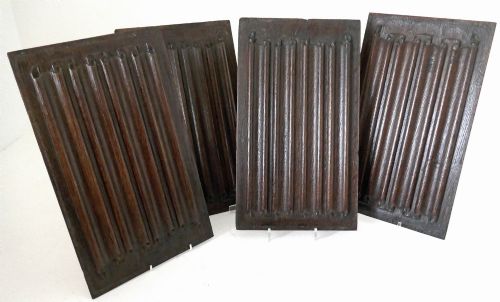
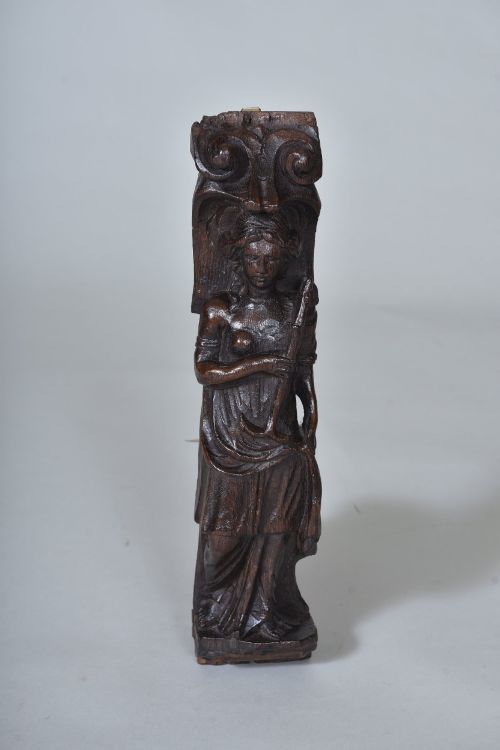
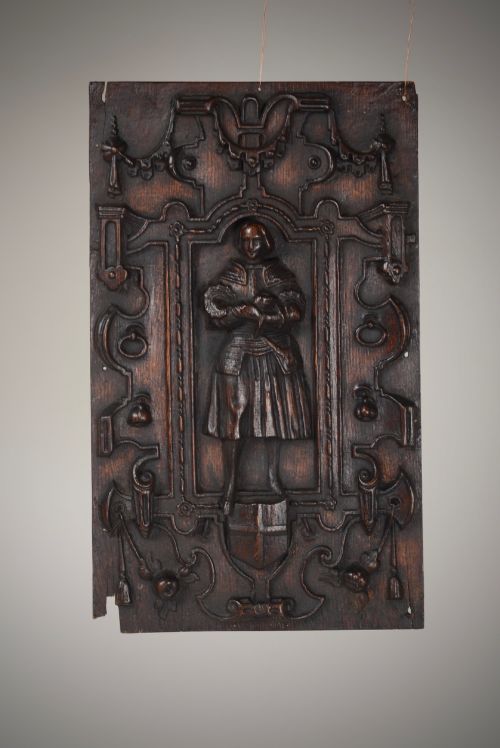
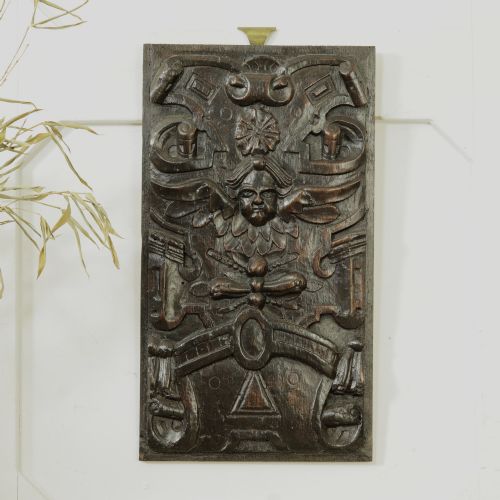
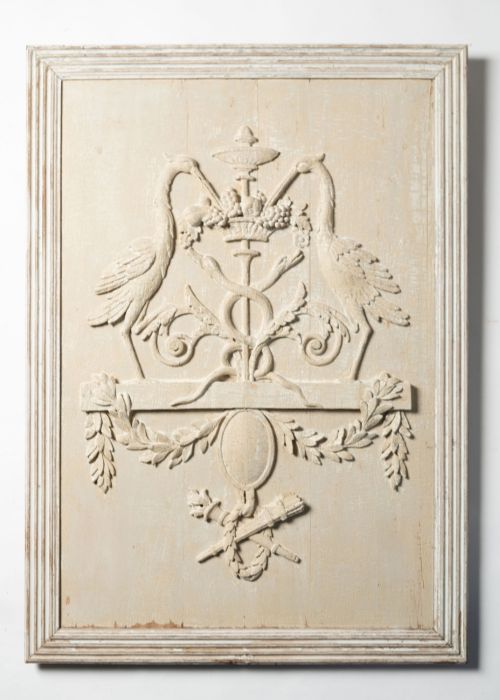
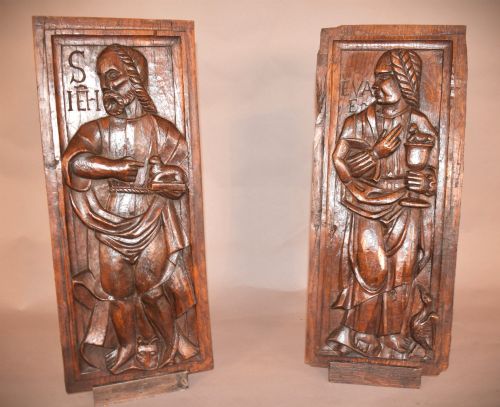
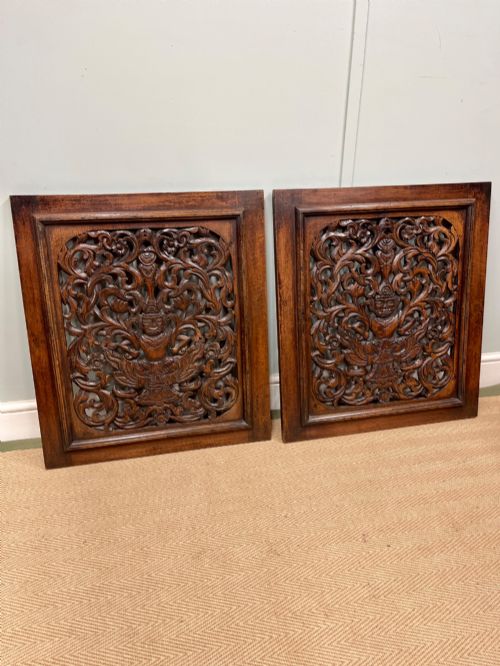
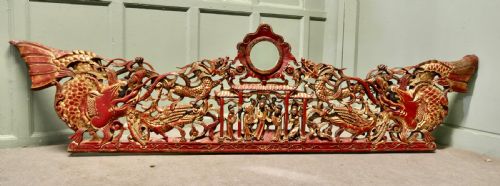
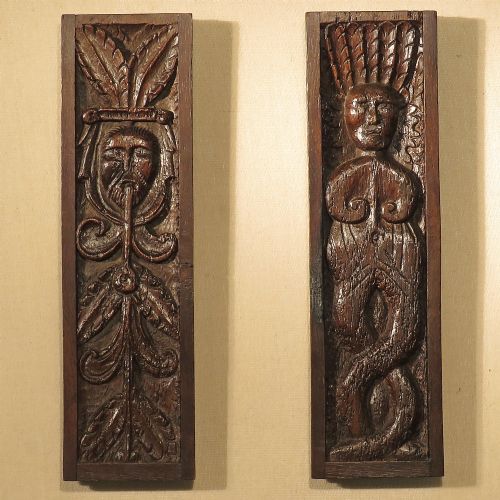
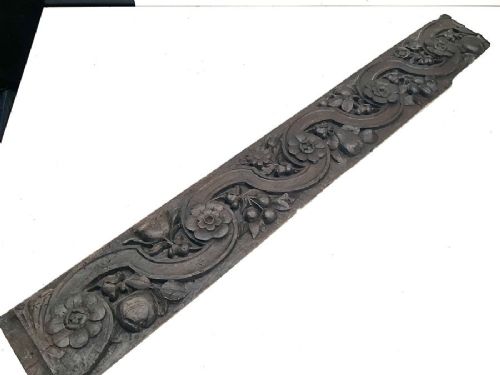
An architectural wall relief takes many forms across this selection, from early Tudor linenfold panels and seventeenth-century oak carvings to eighteenth-century French boiserie and nineteenth-century Chinese temple plaques. Buyers searching this category frequently encounter timber panels, carved friezes, and overdoor decorations sourced from historic buildings.
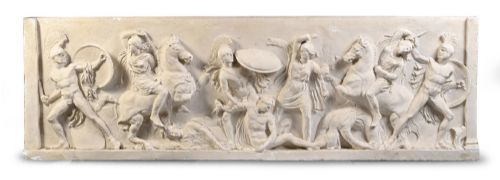
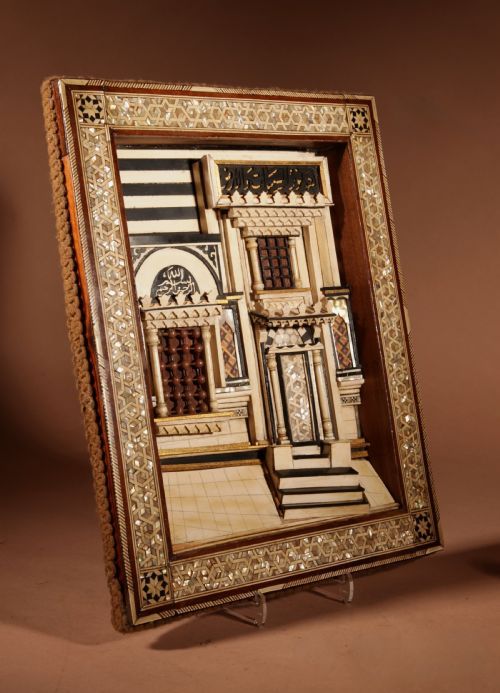
The periods represented span from the sixteenth century through the Victorian era and the twentieth century, incorporating styles such as Baroque, Neoclassical, Gothic Revival, and Qing Dynasty. Pieces range from small floral plaques and armorial shields to large architectural pediments and figural dioramas depicting scenes like the Amazonmachy.
Materials and Carving Techniques
The construction relies heavily on solid timbers such as oak, walnut, limewood, and exotic woods, shaped through hand carving and piercing. Artisans utilised chisels and gouges to achieve high-relief depth, often working directly into structural elements salvaged from historic structures.
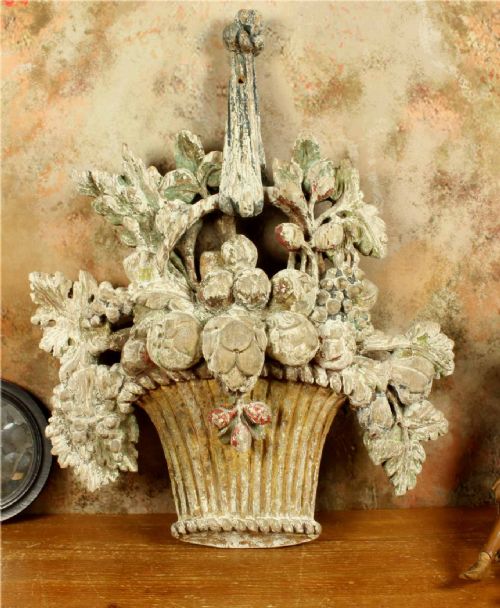
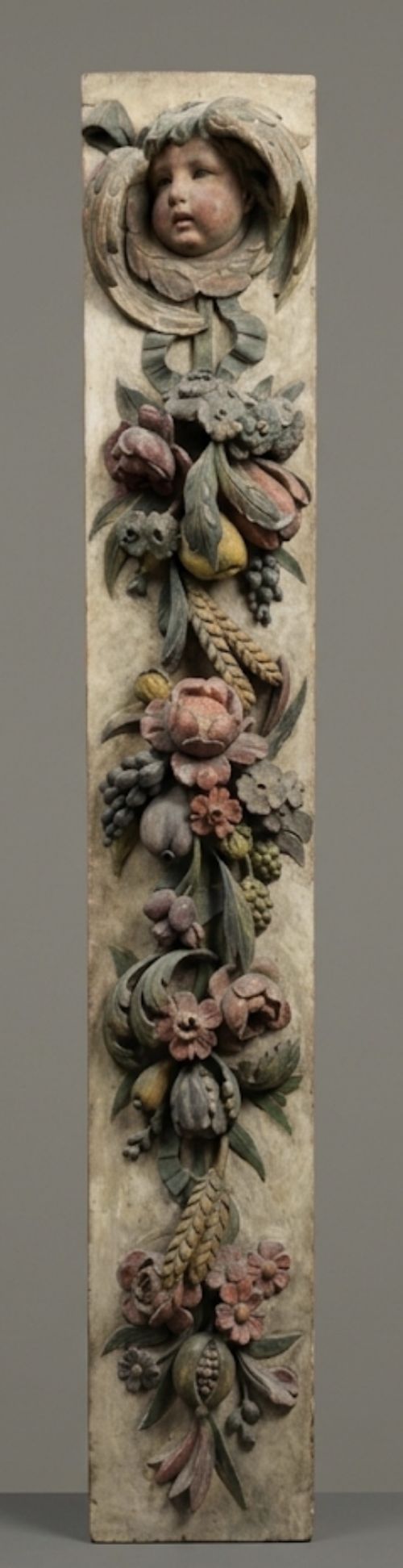
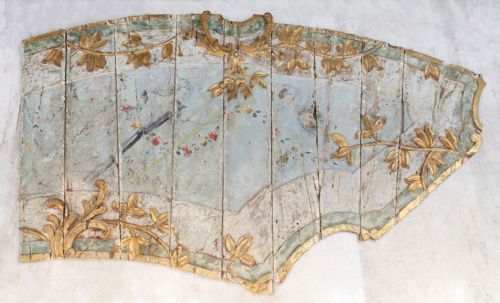
Surface decoration frequently involves gold leaf, gesso, polychrome paint, and parcel gilt highlights applied over the carved wood. Some specialised pieces incorporate materials like marble dust and leathermaché to build up intricate sculptural details.
Listings feature timbers such as oak, walnut, and limewood alongside surface finishes including gold leaf, gesso, and polychrome paint.
Judging the Depth and Detail of Carving
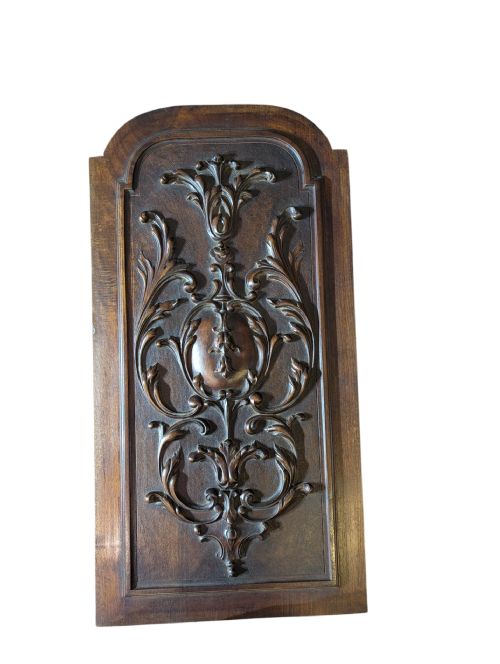
Quality in these carvings rests upon the crispness of the chisel work and the depth of the relief, distinguishing master carvers from standard commercial workshops. Crisp undercut acanthus leaves, finely rendered facial expressions, and well-balanced proportions indicate superior craftsmanship.
The integrity of the original material and the preservation of historic surface treatments, such as early paint or gilding layers, heavily influence the character of each piece. Retaining structural components like original peg joints or frieze borders adds significant historical weight.
Edward Pearce·Thomas Chippendale·Grinling Gibbons
The Architectural Wall Relief Glossary
- Linenfold
- A style of wooden panelling carved to resemble folded vertical strips of linen. This motif is particularly prevalent in sixteenth-century English interior woodwork.
- Boiserie
- French interior wood panelling, often carved, painted, or gilded. These decorative wall coverings defined eighteenth-century salon design.
- Pediment
- A triangular or segmental architectural element placed above doors, windows, or panels. In wall reliefs, carved wooden pediments often display intricate foliage or armorial bearings.
- Gesso
- A plaster-like mixture applied to wood surfaces as a base for gilding or painting. It allows carvers to build up smooth, intricate relief details before applying gold leaf.
- Acanthus
- A carved ornamental motif based on the Mediterranean plant with deeply lobed leaves. This classical pattern appears frequently on Baroque and Neoclassical panels.
Architectural Wall Relief: Frequently Asked Questions
How were architectural wall reliefs originally used?
These carvings served as structural and decorative elements within grand domestic interiors, churches, and public buildings. They were integrated into overdoors, staircases, ceilings, and wall panelling.
Over centuries, many pieces were salvaged from historic structures during remodelling, transitioning from functional architectural components into standalone works of art displayed on interior walls.
How do I secure heavy carved panels to a wall?
Due to the substantial weight of dense timbers like oak and walnut, secure mounting requires fixing directly into wall studs or masonry using appropriate heavy-duty brackets. Many antique panels retain their original framing or structural battens which assist with hanging.
Consulting a professional art installer ensures the weight is distributed evenly, protecting both the historic timber and the wall surface from damage.
How do I distinguish sixteenth-century oak from later copies?
Early sixteenth- and seventeenth-century panels display distinct tool marks left by hand chisels rather than mechanical saws. The timber typically exhibits heavy shrinkage, natural grain darkening, and pegged joinery consistent with period construction methods.
Examining the reverse side of the wood often reveals hand-riven surfaces and tool signatures that distinguish genuine early period work from nineteenth-century revival pieces.
Can these wooden reliefs be cleaned safely?
Routine maintenance requires only gentle dusting with a soft, dry brush to prevent particulate buildup within the deep recesses of the carving. Moisture and modern chemical cleaners should be avoided, as they can damage historic painted or gilded surfaces.
If the wood appears exceptionally dry, a professional conservator can advise on applying appropriate microcrystalline waxes to nourish the historic timber.