

Architectural Salvage Wood Panels
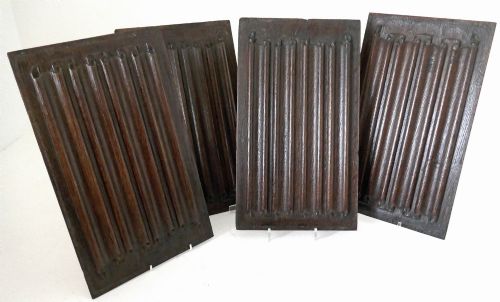
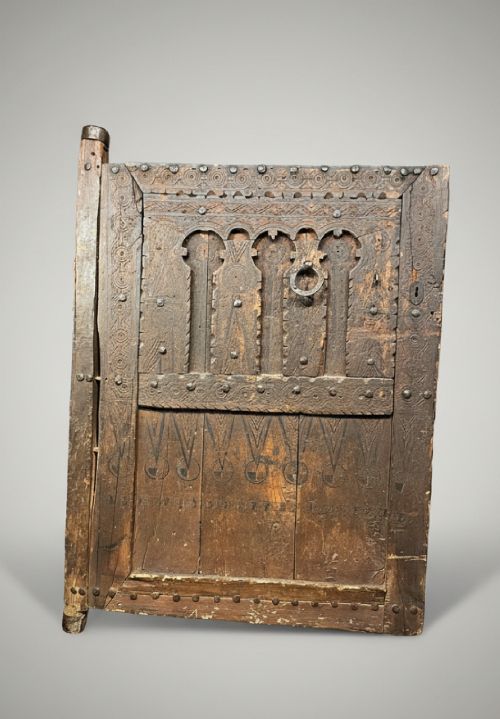
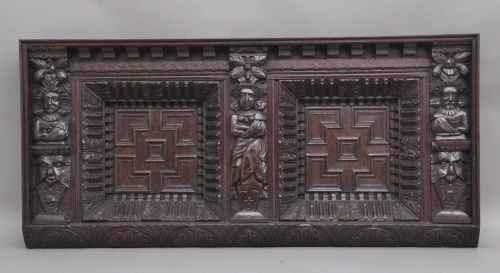
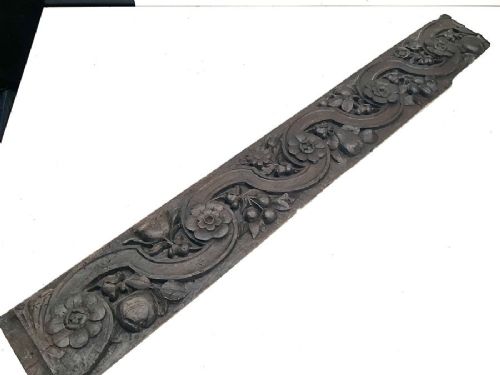
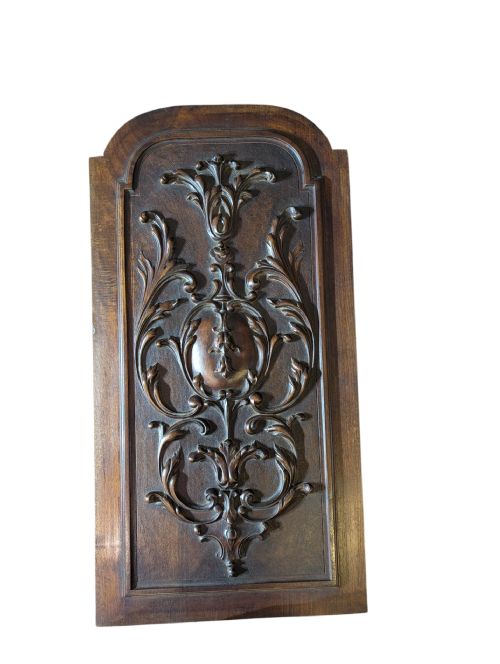
These architectural salvage wood panels bring historic hand carving, linenfold motifs and rich timber patination directly into domestic interiors.
Architectural Salvage Wood Panels
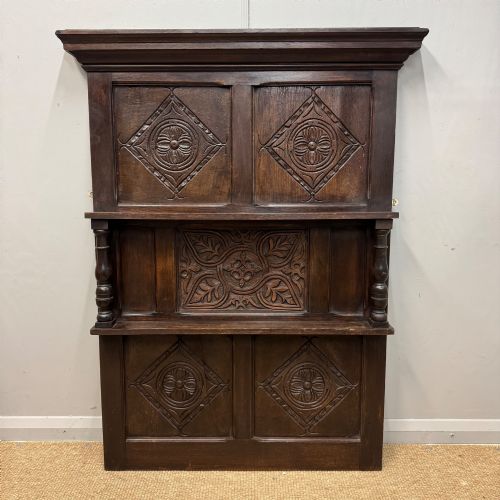
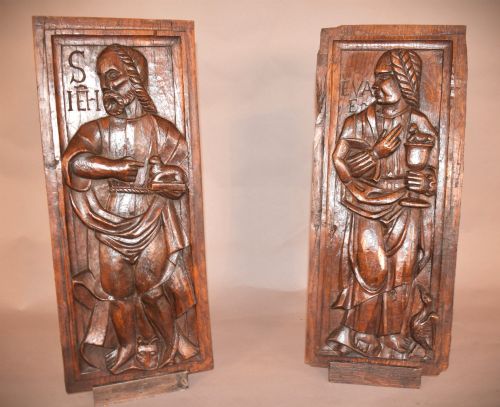
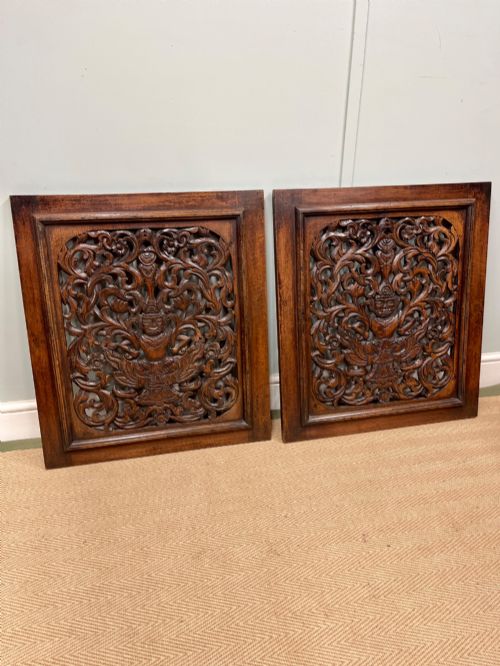
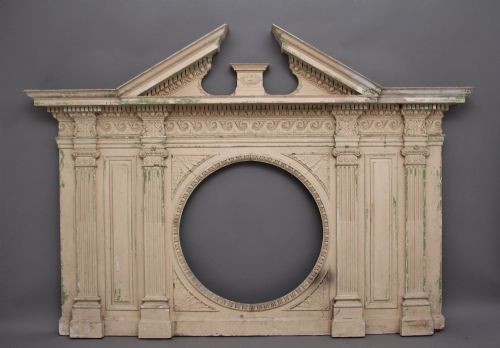
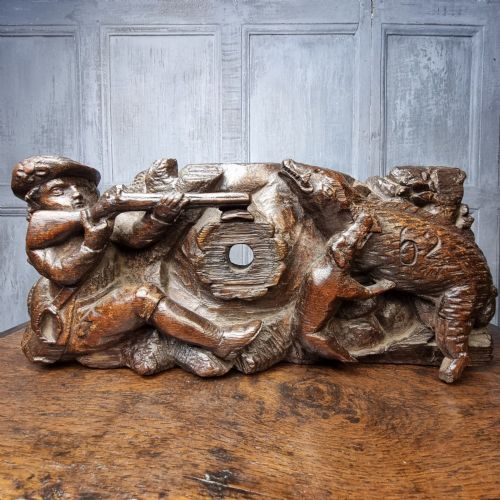
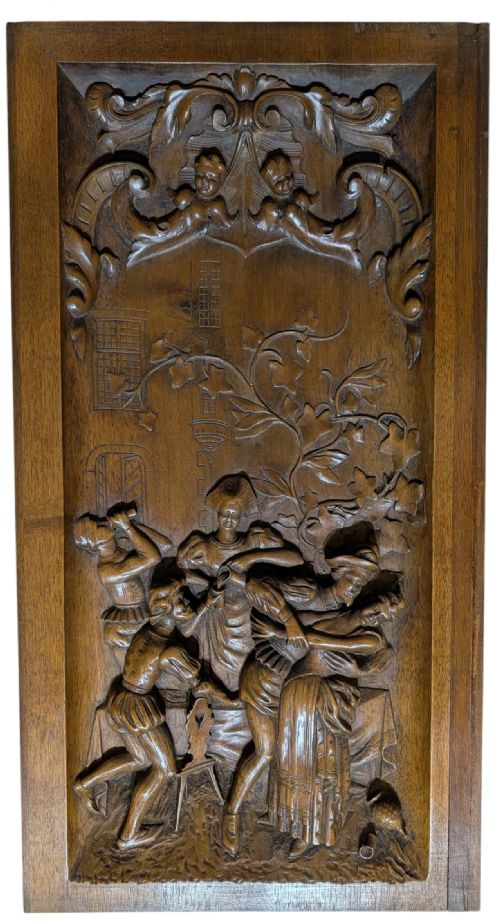
Architectural salvage wood panels encompass fragments of historic buildings, repurposed church fixtures, overmantels and decorative wall plaques spanning from the sixteenth century to the nineteenth century.
The selections available on this page lean heavily towards oak and pine carvings, frequently exhibiting Gothic Revival, Jacobean, Tudor and Baroque influences.
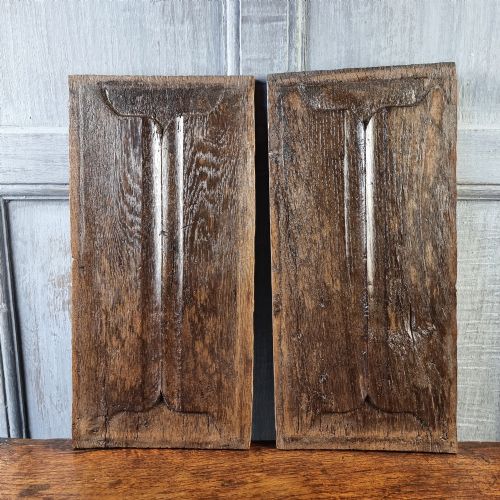
Buyers will encounter various forms ranging from simple linenfold and parchemin panels to large overdoor carvings, ceiling bosses and French boiserie wall sections.
Materials and Techniques
Craftsmen primarily utilised native hardwoods and softwoods such as oak, walnut, limewood and pine, shaping them with hand chisels and gouges to achieve deep relief.
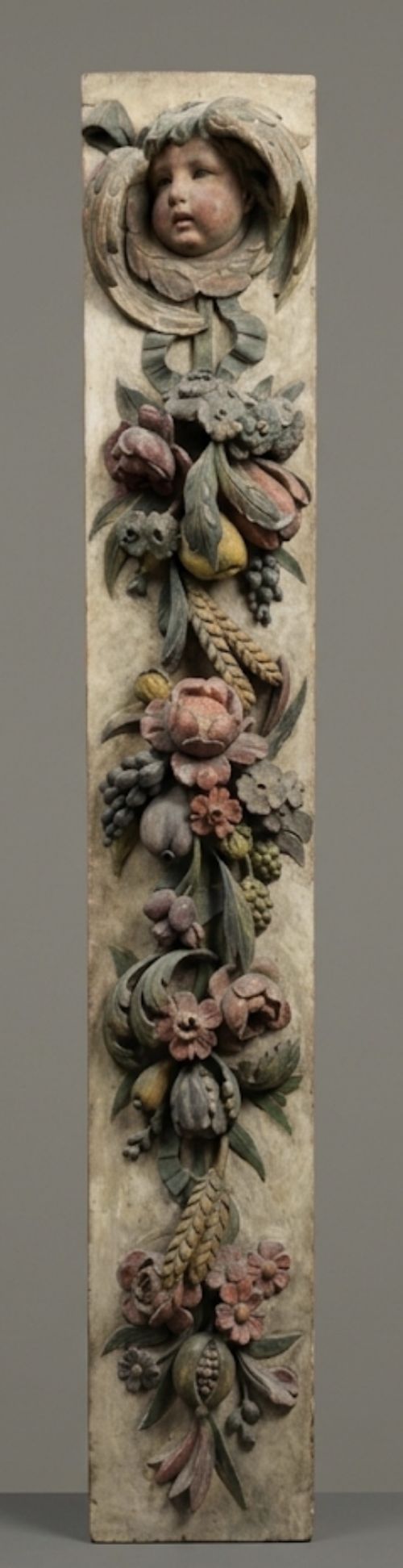
Surface treatments recorded in the evidence include historic polychrome paint, gesso, leathermaché and natural timber finishes that display centuries of wear.
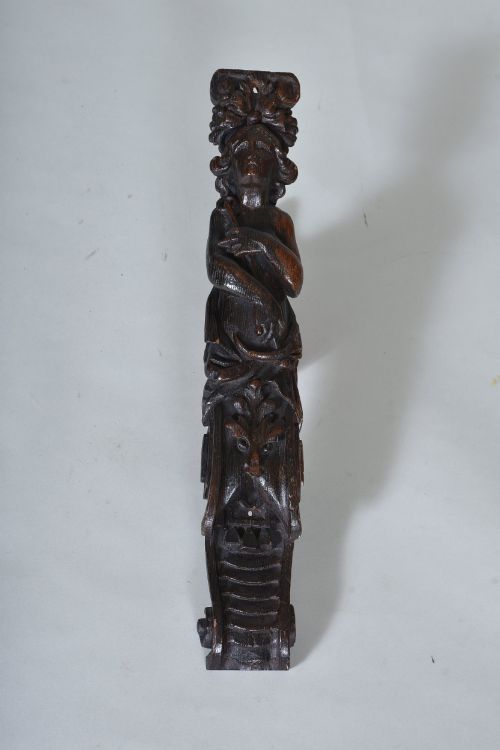
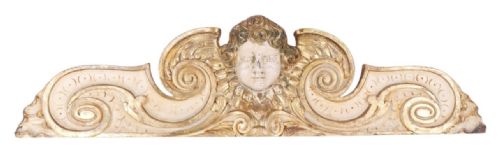
One piece captures the playful spirit of the era with carved wooden putti and leathermaché architectural decorations.
Evaluating the Carvings
Quality rests upon the crispness of the hand carving, the depth of the relief and the artistic execution shown in figural details like cherubs, angels and acanthus leaves.
Intact original surfaces, such as early polychrome paint or untouched historic oak patination, elevate pieces far above later alterations or stripped wood.
Edward Pearce·Thomas Chippendale
The Architectural Salvage Wood Panels Glossary
- Linenfold
- A style of wood panel moulding carved to resemble folded cloth. It is commonly found on sixteenth-century oak panels.
- Overmantel
- A decorative panel or framework placed directly above a fireplace mantel. These often feature large carved scenes or heraldic motifs.
- Boiserie
- French interior wood panelling, usually carved and painted in decorative schemes. Examples on this page include nineteenth-century pieces.
- Ceiling Boss
- A projecting block of carved wood placed at the intersection of ceiling ribs. They frequently display foliage or figural relief.
- Tracery
- Openwork intersecting ribbing derived from Gothic architecture. It appears on ecclesiastical panels and church screens.
Architectural Salvage Wood Panels: Frequently Asked Questions
How do I hang heavy wood panels on a wall?
Heavy carved oak and pine panels require secure mounting into wall studs using robust steel brackets or concealed French cleats that match the weight of the timber.
Lighter decorative plaques and boiserie sections can often be hung with traditional picture wire fixed firmly to the structural frame behind the panel.
Can I install these antique panels in a modern kitchen?
These historic wooden elements integrate well into modern spaces when mounted securely away from direct moisture, extreme heat sources and excessive steam.
Ensure the timber has time to acclimate to your home environment to prevent movement or splitting in the aged wood.
How do I clean historic painted wood panels?
Dust surfaces gently with a dry, soft bristle brush or a clean microfiber cloth to remove everyday accumulation without disturbing fragile paint or gesso.
Avoid using water, liquid cleaning products or harsh chemical polishes on antique timber and polychrome finishes.
How do I tell a sixteenth century panel from a nineteenth century copy?
Early sixteenth-century panels show distinct tool marks left by hand chisels, alongside the characteristic shrinkage and heavy oxidation expected in ancient oak.
Nineteenth-century Gothic Revival and Tudor style copies often display more uniform machine assistance, sharper tool geometry and different timber density.