


Architectural Salvage Stone
Architectural salvage stone pieces carry the heavy textures of past centuries into gardens and interiors, offering authentic masonry remnants for practical and decorative placement.
Architectural Salvage Stone
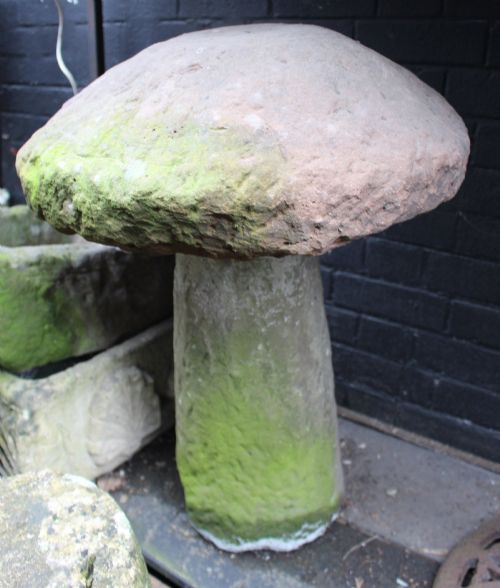
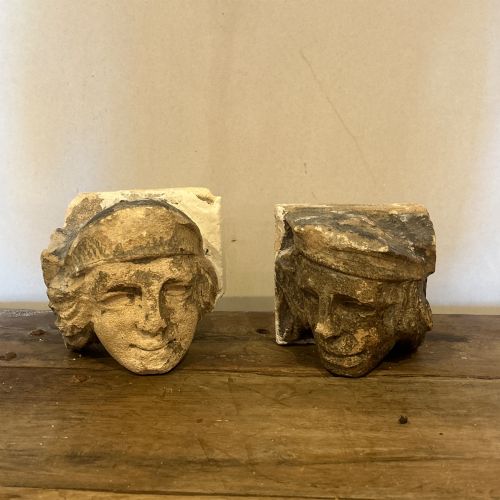
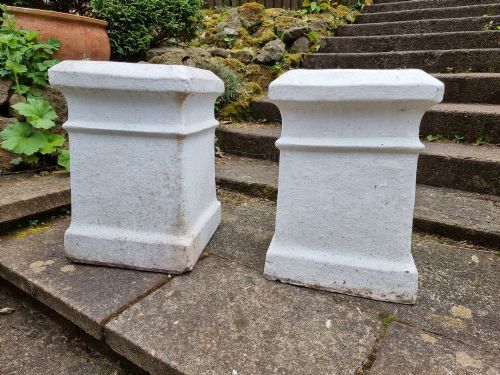
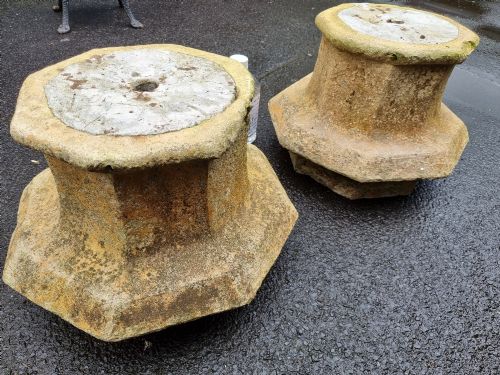
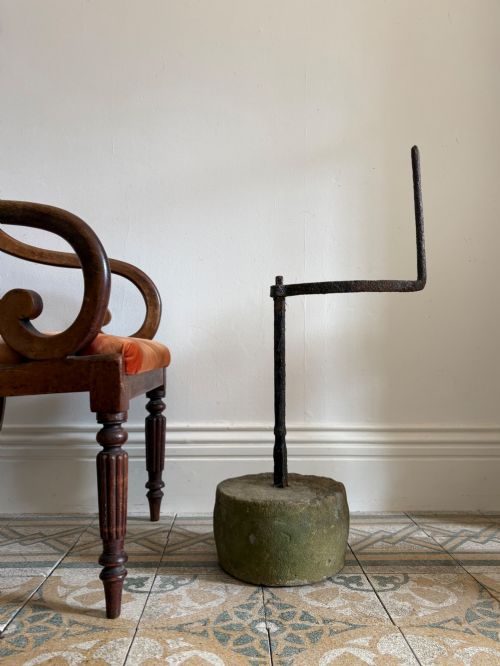
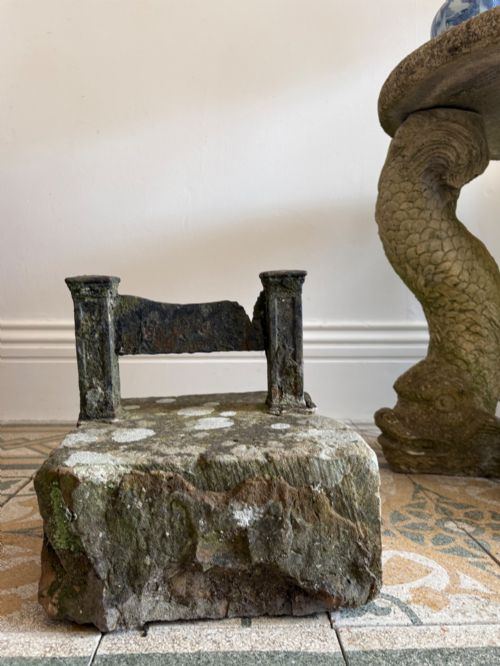
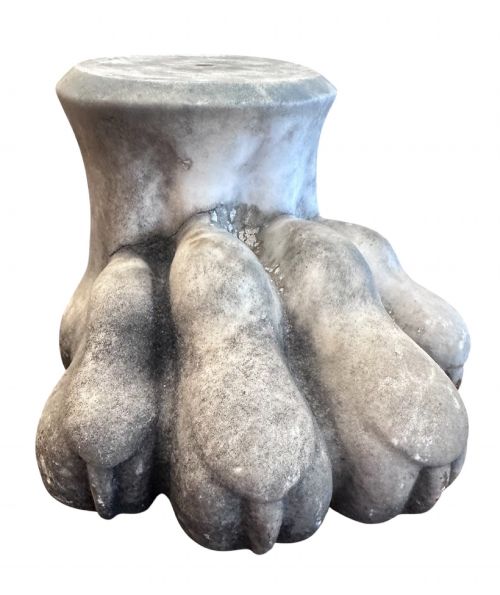
Architectural salvage stone encompasses structural fragments, garden ornaments, and reclaimed building components originating primarily from the eighteenth and nineteenth centuries. Buyers encounter heavy staddlestones, millstones, corbels, and garden plinths shaped from durable regional materials.
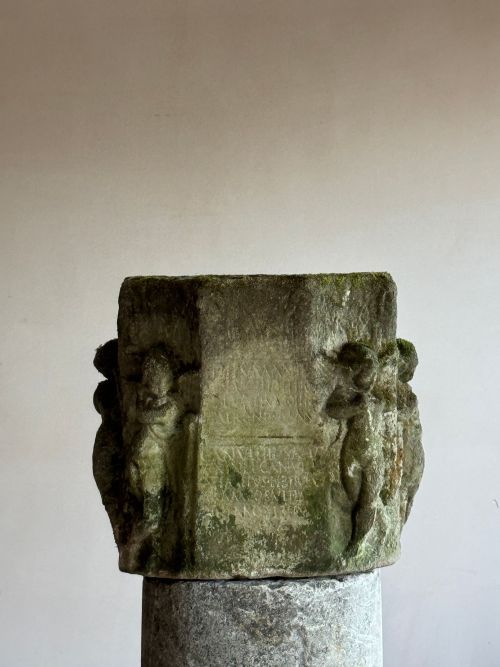
The selection frequently includes components rescued from ecclesiastical or domestic buildings, such as limestone capitals, sandstone pinnacles, and granite pillar caps. These items bring substantial historical presence to contemporary spaces through solid, weather-worn masonry.
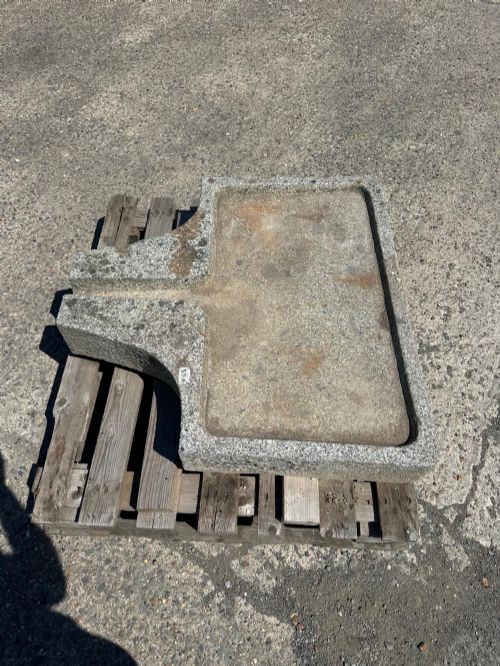
Items range from functional agricultural artefacts like presses and troughs to decorative architectural fragments including armorial plaques and carved marble surrounds. Each piece retains the distinct weathering and tooling marks of its original function and era.
Distinctions in quality
Quality rests in the crispness of the original hand carving, the integrity of the stone structure, and the provenance of the salvage. Pieces originating from notable Gothic or ecclesiastical structures carry greater historical weight than standard domestic elements.
The degree of weathering and the survival of original surface tooling distinguish superior examples. Substantial, uniform blocks with intact architectural profiles command greater interest than heavily fragmented or degraded pieces.
Architectural Salvage Stone Retail Price Guide 2026
Typical asking prices for architectural salvage stone among the pieces listed under this phrase on Sellingantiques today, from the lower quarter to the upper quarter. They describe what is for sale here now, not the wider market.
One listed planter incorporates stone salvaged directly from the Houses of Parliament after damage sustained during the Blitz in World War Two.
The Architectural Salvage Stone Glossary
- Corbel
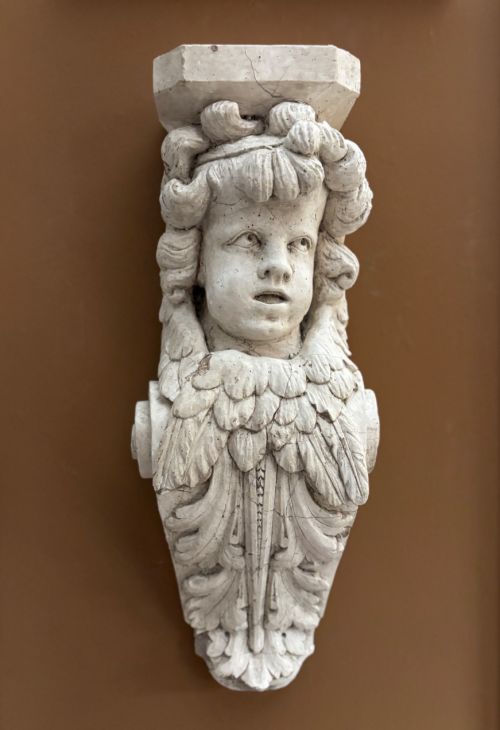
- A structural stone projection jutting from a wall to support a weight above. These often feature elaborate carvings such as putto or medieval motifs.
- Staddlestone
- A mushroom-shaped stone support originally used to elevate granaries and grain ricks off the damp ground. They consist of a base and a cap.
- Keystone
- The central wedge-shaped stone at the apex of an arch or vault. These frequently display dates, initials, or armorial carvings.
- Capital
- The uppermost member of a column or pilaster, often carved in orders such as Doric, Ionic, or Corinthian. They provide the transition to the load above.
- Millstone
- A heavy circular stone utilised for grinding grain, cider apples, or minerals. They often feature central holes and radial furrows.
Architectural Salvage Stone: Frequently Asked Questions
How do I secure heavy stone pieces in a garden?
Heavy stone items like staddlestones and millstones generally rely on their own substantial mass for stability. Proper site preparation involves creating a level, compacted base to prevent shifting.
For taller elements such as pinnacles or columns, professional installation with concealed dowels ensures structural security against wind and movement.
Can architectural salvage stone endure outdoor winter weather?
Most hard stones like granite, York stone, and dense sandstone tolerate external exposure well due to their low porosity. Porous materials like plaster or certain soft limestones require shelter from prolonged damp and freezing conditions to prevent spalling.
Placing items on gravel or stone footings prevents ground moisture absorption during colder months.
How do I clean historic stone safely?
Gentle washing with low-pressure water and a soft bristle brush removes accumulated dirt, moss, and surface debris without harming the patina. Aoid harsh chemical cleaners or abrasive power washing, which erode the historic stone surface and tooling marks.
Allowing natural weathering to persist often preserves the character and historical integrity of the piece.
How do I distinguish eighteenth-century stone from nineteenth-century revivals?
Eighteenth-century masonry typically displays irregular hand-tooled surfaces and tool marks consistent with manual quarrying and shaping methods. Nineteenth-century Gothic and Neoclassical revival pieces often exhibit more standardised geometry and machine assistance.
Documented provenance or specific architectural contexts help confirm exact dating when stylistic clues overlap.