

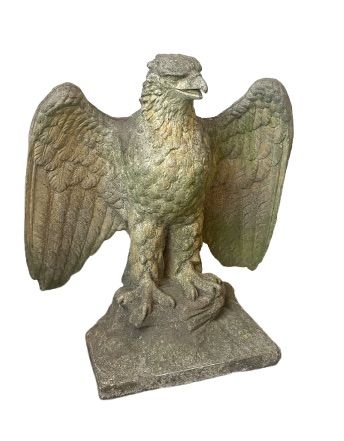

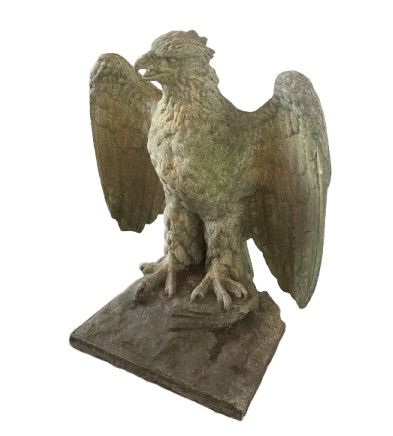
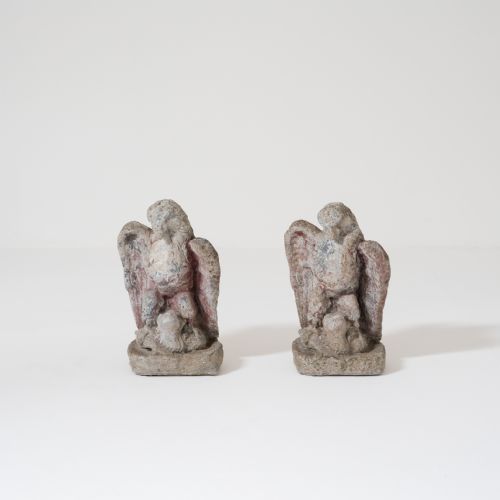


Stone Finial
These stone finials are solid architectural ornaments built to crown piers, gates, and rooftops with weight and presence.
Stone Finial
A stone finial is a decorative capping piece designed to terminate architectural points, gate piers, and garden walls. When you search for a stone finial, you encounter items shaped as eagles, lions, baskets, crowns, and pinnacles that once crowned chapels, minsters, and estate gates. These elements serve as the structural exclamation mark on masonry installations.
The selections span centuries of architectural salvage, ranging from pre-sixteenth century limestone pinnacles to Edwardian and mid-twentieth-century composition stone castings. You will find matched pairs of monumental eagles and pillar caps alongside single ornamental crowns and carved baskets.
Forms vary from traditional neoclassical and Georgian motifs to heavy Gothic revival details and rustic garden ornaments. Some pieces began life as functional architectural salvage from institutional and religious buildings before finding new roles in private grounds.
Construction and Materials
Masons shaped natural materials such as Yorkshire limestone, Cornish granite, and marble using hand tools to carve detailed textures like feathers, basket weave, and stone blocks. These traditional pieces rely on the natural grain and density of quarried stone for their longevity and structural integrity.
Later pieces utilise composition stone and composite stone cast in moulds to replicate the weight and appearance of carved masonry. Stoneware examples offer another durable alternative, fired to withstand exterior weathering while holding sharp ornamental lines.
Stone Finial Retail Price Guide 2026
Typical asking prices for stone finial among the pieces listed under this phrase on Sellingantiques today, from the lower quarter to the upper quarter. They describe what is for sale here now, not the wider market.
Some eagles arrived carrying the weight of centuries after escaping formal duties on Yorkshire minsters and Methodist chapels.
Judging Quality
Quality rests on the crispness of the original carving and the integrity of the material under weathering. Hand-carved limestone and granite display tool marks and depth that distinguish them from mass-produced casts, though high-grade composition stone retains sharp architectural detail.
Provenance and scale dictate the visual impact of a piece. Large pairs salvaged from significant ecclesiastical or institutional buildings carry historic weight, while well-proportioned symmetry in matched animal and floral forms determines decorative success.
The Stone Finial Glossary
- Pier finial
- A decorative ornament mounted on top of a brick or stone pillar to cap the structure. It gives a formal finish to gateposts and garden entrances.
- Architectural salvage
- Building elements rescued from structures undergoing alteration or demolition. These pieces retain original patination and historical context.
- Composition stone
- A manufactured material made from crushed stone and binders cast into moulds. It provides a durable alternative to carved quarried rock.
- Pinnacle
- An architectural member originating in Gothic design that tapens upward to a point. It adds vertical emphasis and weight to masonry buttresses.
- Pillar cap
- A flat or shaped stone placed on top of a pillar to shed water and protect the masonry below. They often feature decorative mouldings or carved details.
Stone Finial: Frequently Asked Questions
How do I care for exterior stone ornaments?
Exterior stone and composition finials require minimal intervention beyond occasional gentle washing with water to remove biological growth. Avoid harsh pressure washers that can pit soft limestone or erode composition stone surfaces.
Allow natural weathering and lichen to develop, as this patina enhances the appearance of salvaged stone. Ensure pieces are bedded on stable, level footings to prevent shifting during freeze-thaw cycles.
Are these finials suitable for garden display?
Most of these pieces are cast or carved from durable stone, granite, or stoneware designed to withstand permanent outdoor placement. Their weight allows them to stand securely on stone bases, lawn plinths, or brick gate piers without additional fixings.
Smaller items, such as certain interior furniture conversions, require shelter from frost and moisture. Check the material specification of each piece before exposing it to harsh winter conditions.
How do I tell composition stone from carved stone?
Carved stone displays individual tool marks, natural veining, and slight irregularities inherent to working with quarried blocks. Examining the surface under magnification reveals the crystalline structure of natural rock rather than bound aggregate.
Composition stone often shows uniform texture and may exhibit tiny surface voids from the moulding process. Edges on cast pieces can feel sharper or more regular than those shaped by hand chisels.