
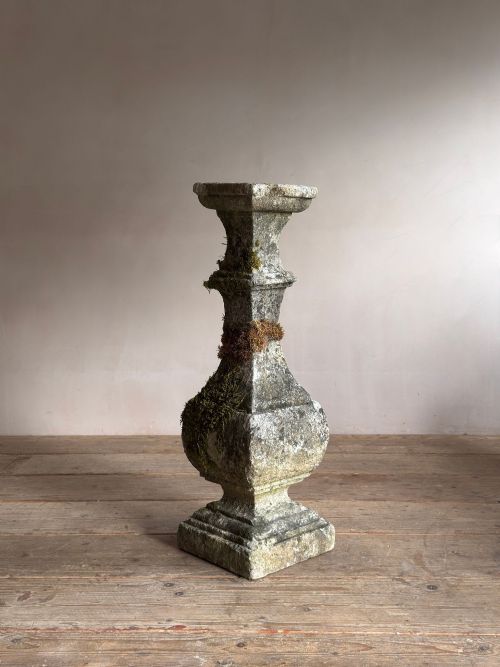

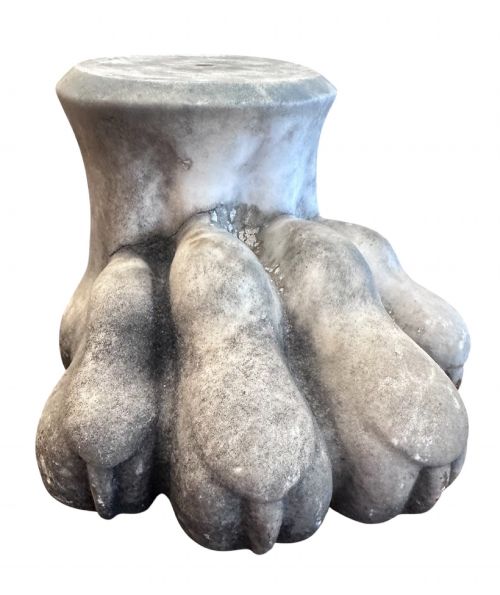
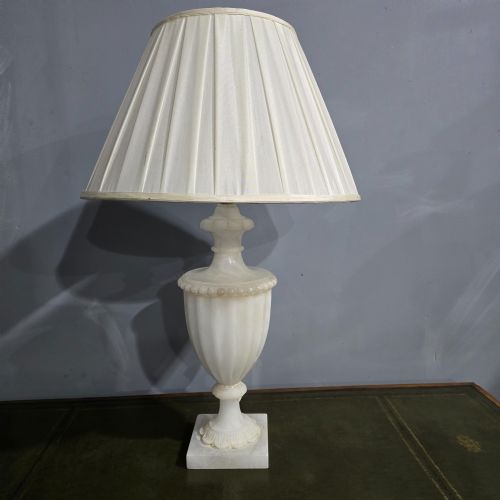
Carved Stone Base
A carved stone base anchors architecture, sculpture and lighting, bringing weighty geological presence and classical proportion into a room.
Carved Stone Base
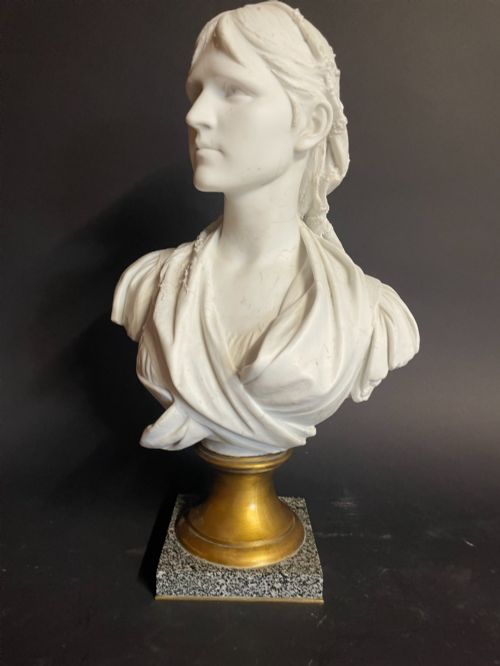
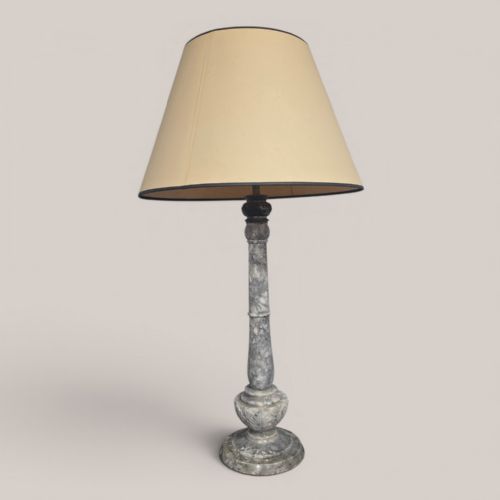
A carved stone base serves as the supporting foundation for columns, busts, lamps, and sculptures, ranging from rustic agricultural items to refined Neoclassical pedestals. When searching for a carved stone base, buyers encounter architectural elements, architectural salvage, and sculptural supports drawn from centuries of masonry traditions.
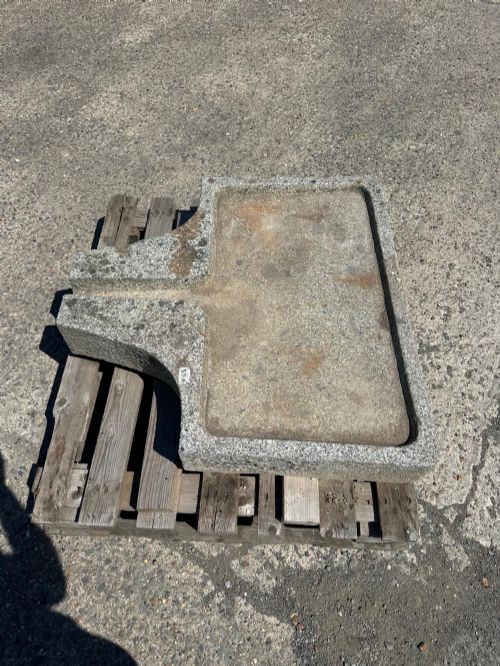
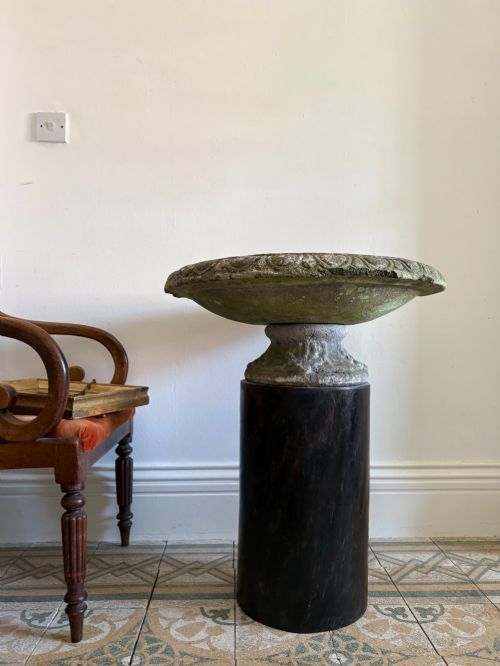
The selections on this page span from eighteenth-century agricultural staddlestones and millstone bases to nineteenth-century Italian marble blocks and twentieth-century cast stone birdbaths. These utilitarian and decorative supports emerge in various forms, including granite presses, limestone plinths, and architectural columns.
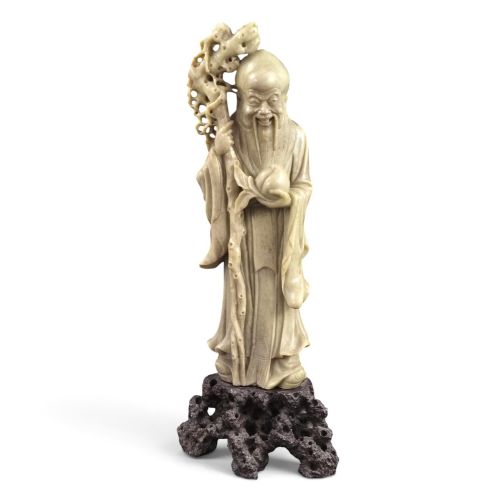
Geographic origins and stylistic influences vary widely across the inventory, encompassing Italian Grand Tour souvenirs, French alabaster components, and Chinese soapstone figures. Buyers most frequently meet pieces that combine functional masonry with ornamental carving, reflecting both vernacular utility and high academic design.
Materials and working methods
Masons utilised a broad spectrum of geological materials, predominantly working with marble, alabaster, limestone, granite, and sandstone. Softer stones like alabaster allowed for delicate figurative carving on lamps and busts, whilst hard granites and sandstones provided robust durability for agricultural staddlestones and millstone bases.
Techniques combined hand-chiseled architectural shaping with lathe-turning for cylindrical columns and tazze blocks. Stonemasons employed traditional chisels, mallets, and abrasive polishing compounds to achieve smooth finishes on Carrara marble and ornamental onyx components.
Listings feature structural components and decorative objects spanning the eighteenth to the twentieth centuries, utilising alabaster, marble, granite, and sandstone.
Separating the fine from the ordinary
Quality in a carved stone base rests upon the purity of the geological material and the crispness of the lapidary work. Finely figured alabaster, unblemished Carrara marble, and dense green jade exhibit superior visual depth compared to uniform or heavily pitted utilitarian stone.
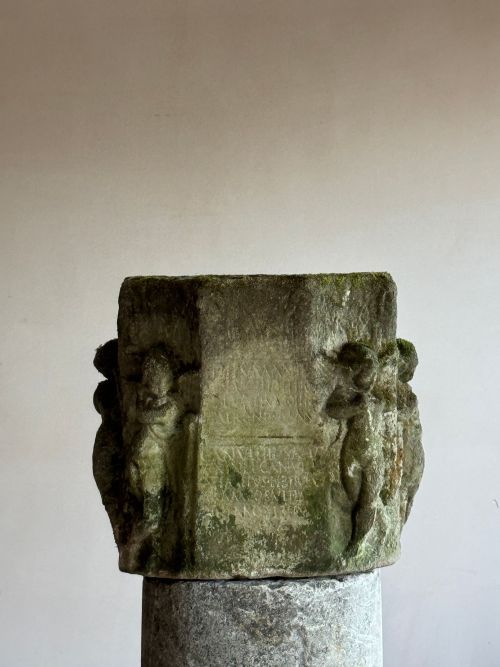
The execution of the carving dictates the distinction between standard architectural salvage and high sculptural art. Sharp undercutting, anatomical precision in figural supports, and balanced proportions in Neoclassical capitals separate master mason output from industrial or vernacular production.
The Carved Stone Base Glossary
- Staddlestone
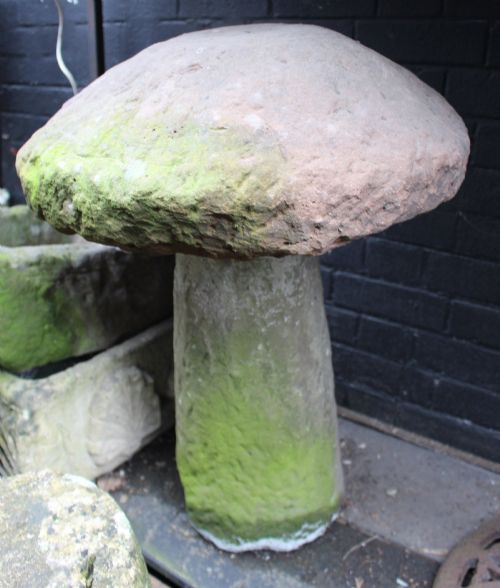
- A mushroom-shaped stone support formerly used to elevate granaries and hayricks above damp ground and vermin. These agricultural bases now frequently serve as garden ornaments.
- Tazza
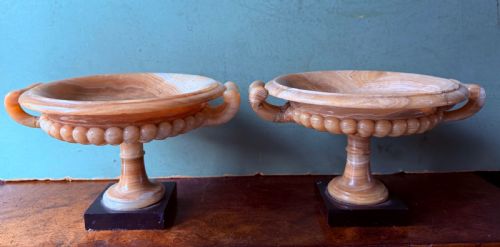
- A shallow saucer-like ornamental cup or vase, often mounted on a stem and a carved stone base. Grand Tour examples in alabaster and marble were popular nineteenth-century souvenirs.
- Neoclassical
- A style drawing on classical Greek and Roman antiquity, visible in architectural columns, statuary pedestals, and carved stone bases. It prioritises symmetry, proportion, and classical motifs.
- Alabaster
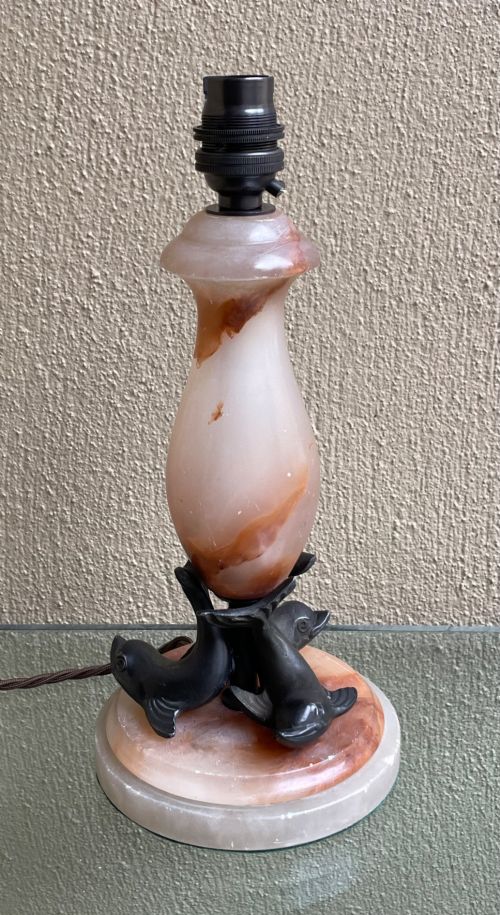
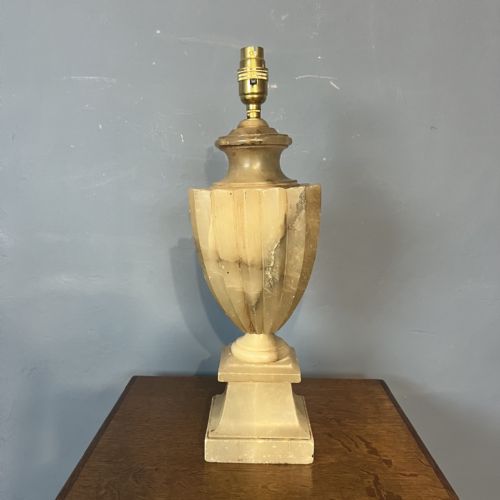
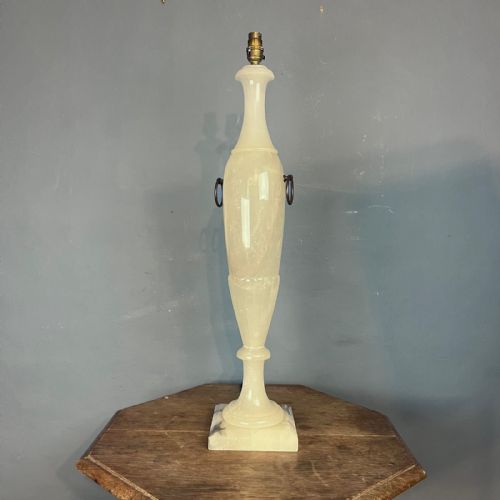
- A fine-grained, translucent stone utilised extensively for nineteenth-century sculpture and table lamps. Its softness permitted intricate carving of figurative details.
- Plinth
- A heavy block or base upon which a statue, column, or monument rests. Stoneware and marble versions provide architectural elevation.
Carved Stone Base: Frequently Asked Questions
What is a staddlestone used for?
Historic staddlestones functioned as load-bearing mushroom-shaped pillars that kept wooden granaries elevated and dry. Today, they are deployed in gardens as sculptural garden ornaments or rustic focal points.
Their distinctive cap and base profile makes them instantly recognizable agricultural antiques.
Are these bases suitable for outdoor use?
Suitability depends entirely on the geological material of the piece. Dense granite, sandstone, and weathered cast stone withstand outdoor weathering in gardens.
Softer materials like alabaster, onyx, and fine marbles are strictly interior decorative objects and must be protected from frost and moisture.
What defines Grand Tour items?
Grand Tour pieces were souvenirs acquired by wealthy travellers touring the cultural sites of Italy during the eighteenth and nineteenth centuries. They frequently utilised carved alabastro egiziano and marble to replicate classical antiquities.
These reductions and architectural fragments brought classical sculpture into European homes.