





Victorian Stone Plaque
These Victorian stone plaque pieces bring classical weight and mineral colour into a room.
Victorian Stone Plaque
A victorian stone plaque brings together carved reliefs, inlaid mineral panels and architectural fragments originating from the nineteenth century. These pieces reflect the tastes of the Grand Tour alongside British monumental masonry, spanning from the eighteen-thirties through to eighteen-eighty.
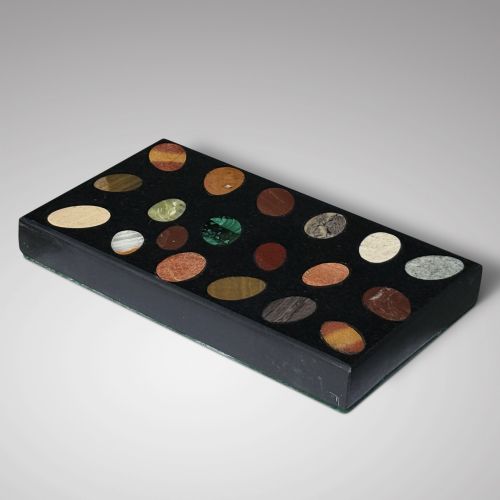
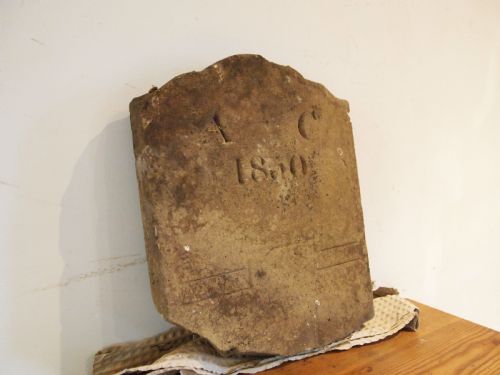
The objects on this page range from architectural salvage and headstones to desk paperweights, wall plaques, and mosaic panels. Visitors will frequently encounter specimens featuring inlaid semi-precious stones, Derbyshire Ashford marble, and hand-carved Welsh slate.
Makers and workshops of the period produced both decorative desk accessories and solemn memorials in sandstone, white marble, and black marble. Each item demonstrates the nineteenth-century fascination with classical antiquity and geological specimen collection.
Materials and Techniques
Artisans utilised hardstones, marbles, and slates, cutting them with precision saws and hand-polishing the surfaces to a high sheen. Pietra dura panels required microscopic accuracy to fit thin slices of malachite, agate, and various marbles into recessed stone bases.
Relief sculptures and architectural elements were hand-carved directly from blocks of white marble, York stone, and sandstone. Stonemasons inscribed memorial headstones and architectural salvage using chisels, while desk pieces often integrated brass mounts and alabaster.
Victorian Stone Plaque Retail Price Guide 2026
Typical asking prices for victorian stone plaque among the pieces listed under this phrase on Sellingantiques today, from the lower quarter to the upper quarter. They describe what is for sale here now, not the wider market.
The listings on this page span the nineteenth century, featuring materials such as malachite, agate, York stone, and Derbyshire Ashford marble.
Assessing Quality
The standard of a Victorian stone plaque rests upon the tightness of the stone joints in inlaid pietra dura work and the crispness of the hand-carving. Finer specimens display seamless integration of disparate coloured minerals without visible gaps or excessive filling.
Depth of relief and anatomical proportion separate superior figural carvings from simpler production pieces. The selection of materials also dictates standing, with rich malachite, agate, and Derbyshire Ashford marble elevating the piece above standard sandstones and plain slates.
The Victorian Stone Plaque Glossary
- Pietra dura
- A mosaic technique using cut and fitted polished coloured stones to create images. This method produced intricate floral and geometric specimen panels for desk pieces and paperweights.
- Grand Tour
- A cultural journey undertaken by wealthy young Europeans to view continental antiquities. The souvenirs brought back included stone sarcophagi, architectural models, and marble plaques.
- Ashford marble
- A Derbyshire limestone used for black marble inlay work. Artisans embedded coloured mineral specimens into its polished dark surface.
- Relief sculpture
- A sculptural technique where figures project from a flat background. Nineteenth-century examples often depicted classical nudes in white marble.
- Architectural salvage
- Building materials rescued from structures prior to demolition. This category includes York stone headstones and carved memorial fragments.
Victorian Stone Plaque: Frequently Asked Questions
What is a pietra dura plaque?
It is a decorative panel composed of finely cut and fitted pieces of coloured stone, marble, and mineral.
Craftsmen arranged these geological specimens into pictorial or geometric designs to adorn paperweights and desk pieces.
How do I care for a stone plaque?
Keep the surface clean using a soft, dry cloth to remove dust without abrasive cleaners.
Avoid placing polished marble and inlaid hardstone pieces in direct sunlight or areas with high moisture fluctuations.
What is Grand Tour style?
This style reflects the classical antiquities collected by travellers journeying through Italy and Egypt during the nineteenth century.
Objects often mimic ancient architectural forms, sarcophagi, and classical sculpture.
How are different marble types identified?
White marble provides a smooth, uniform surface typically seen in figural reliefs and memorials.
Black marble, including Ashford varieties, serves as a dark backdrop for colourful inlaid stones, while specimen marbles show varied geological strata.