


Architectural Landscape Painting
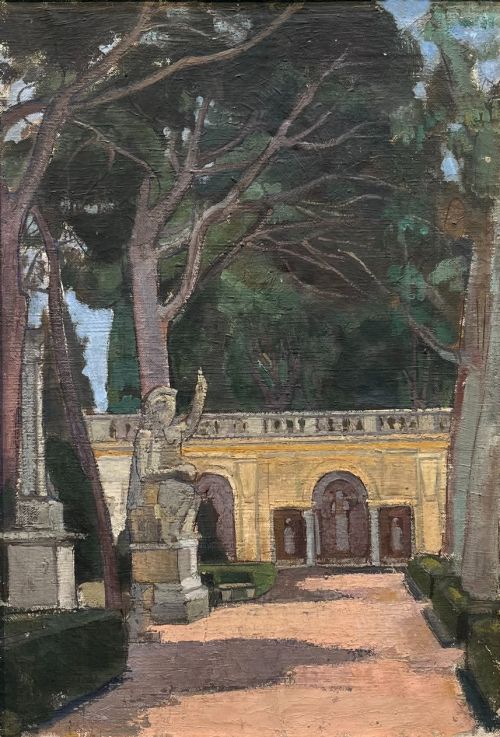
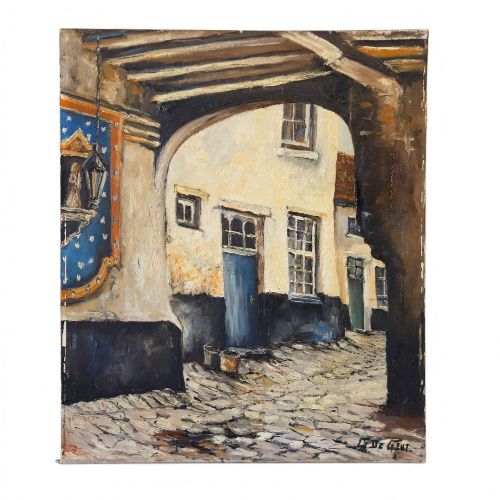
An architectural landscape painting captures built structures within natural settings, offering collectors a striking interplay of human engineering and scenery.

Identifying architectural landscape painting
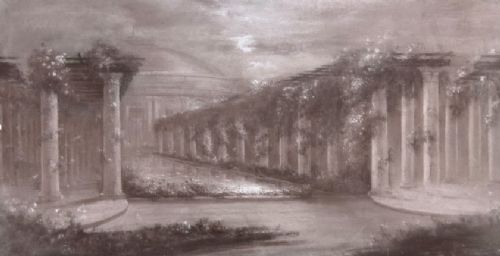
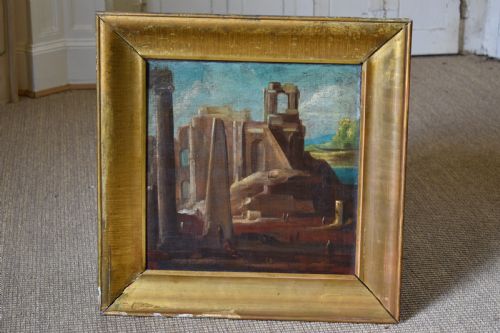
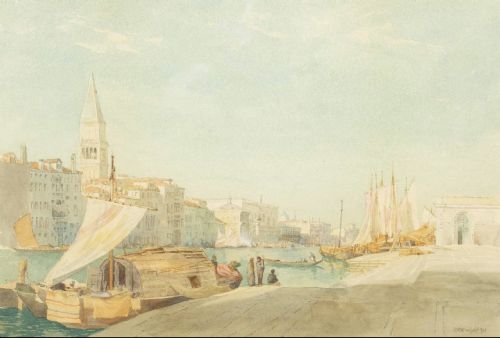
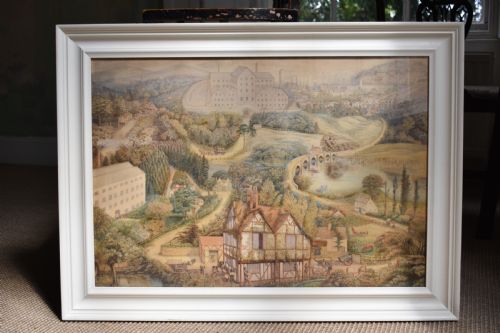
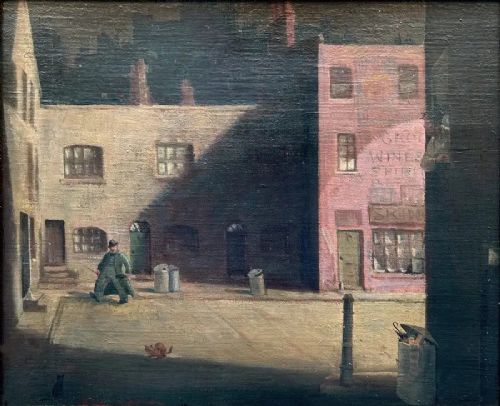
An architectural landscape painting brings together masonry, ruins, or townscapes with surrounding vistas, ranging from English castles to continental buildings. You encounter these works executed across various decades from the early twentieth century through to mid-century modern interpretations.
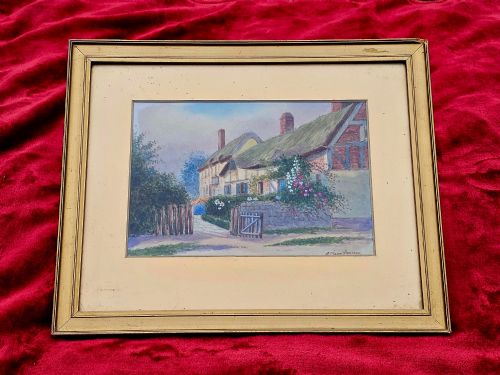
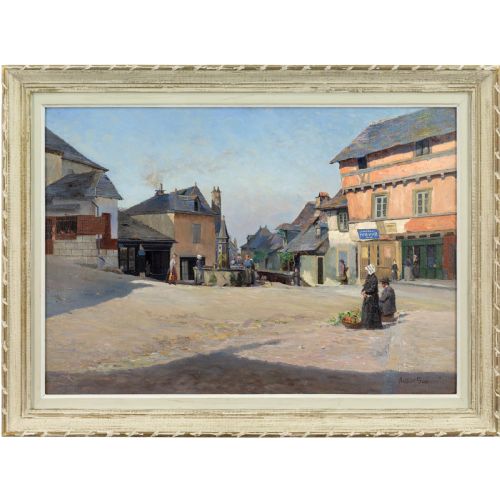
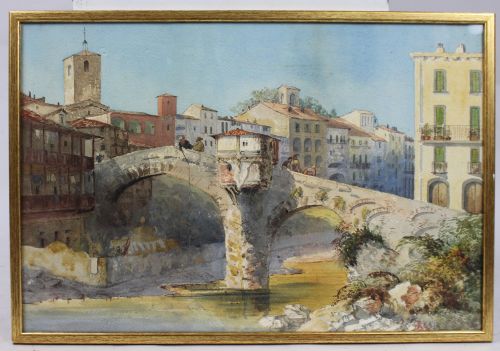
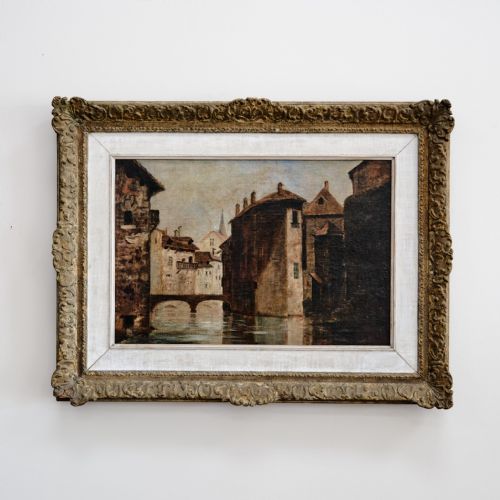
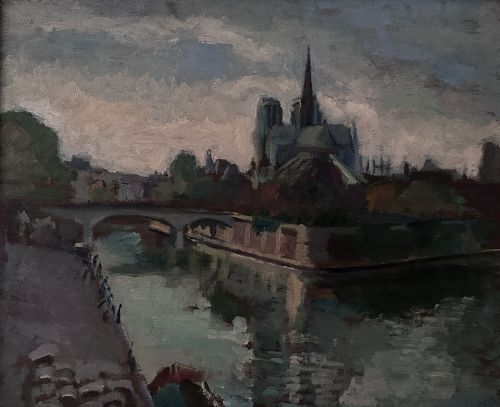
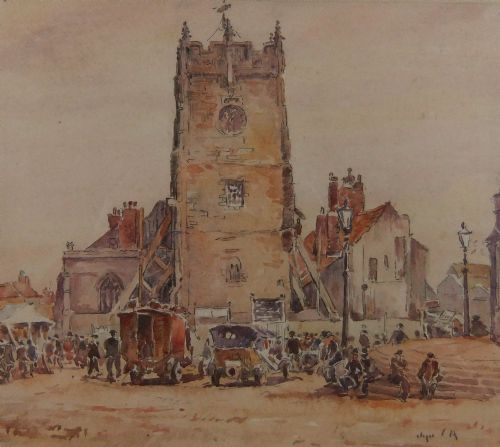
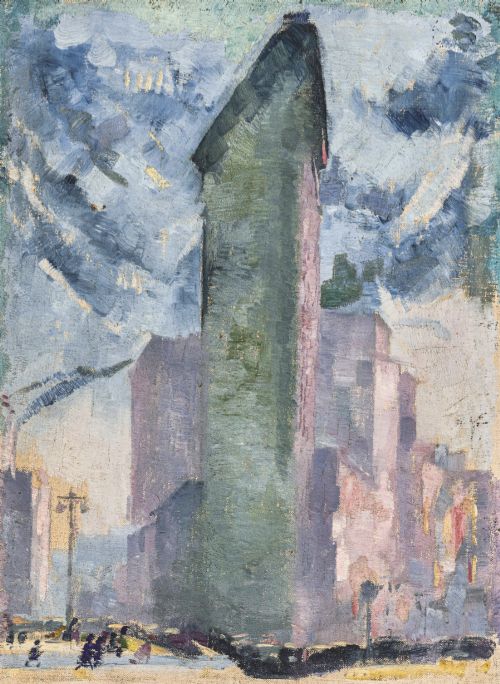
The compositions on this page include street scenes, cathedral studies, and defensive walls captured by named British artists. Works span mediums such as watercolour and oil, presented within traditional frames including gilt wood.
Collectors seek these pieces for their topographical record and painterly interpretation of historic sites. The selection balances delicate pencil and watercolour drawings with robust oil paintings on board and canvas.
Materials and methods
Artists build these works using oil on canvas or board, alongside pencil and watercolour on paper. Finished pieces frequently sit behind glass within wooden frames, occasionally featuring a gilded finish.
Techniques range from precise architectural drawing to loose impressionistic brushwork. Support structures utilise canvas stretched over wooden frames or heavier paper substrates suited to aqueous pigments.
Retail Price Guide 2026
Typical UK retail prices for architectural landscape painting, calculated from the Sellingantiques database of over a million retail prices indexed since 2003. This retail price guide relies exclusively on Sellingantiques data; no external sources or auction records are used, so the figures do not describe the wider market.
Materials recorded on this page include paper, canvas, wood, glass, and gilt finishes.
Judging quality and execution
Quality rests in the precision of perspective and the handling of light across stone surfaces. Stronger examples demonstrate confident draftsmanship that anchors structural elements within the wider environmental context.
The integration of the frame contributes to the overall integrity of the piece, particularly where period gilt wood enhances the visual weight of the composition. Lesser works lack depth in tonal variation, leaving buildings flat against their backgrounds.
The Architectural Landscape Painting Glossary
- Watercolour
- A paint consisting of pigment suspended in a water-based solution, typically applied to paper. This medium allows for luminous washes that suit atmospheric skies and weathered stone.
- Gilt wood
- Wood that has been treated with gold leaf or a gold-coloured metallic finish. Frames of this material are common on traditional fine art.
- Impressionism
- A style of painting focusing on light and its changing qualities rather than minute detail. Artists working in this manner use visible brushstrokes to capture a scene.
- Provenance
- The documented history of ownership for a piece of artwork. Clear provenance helps verify the origin and attribution of older works.
Frequently Asked Questions
What is an architectural landscape painting?
It is an artwork that depicts buildings, ruins, or towns as a primary element within a natural setting.
These pieces combine the exactness of structural drafting with the expressive qualities of landscape art.
How do I care for these paintings?
Keep works away from direct sunlight to prevent fading of watercolours and oils.
Maintain stable indoor humidity to protect wooden frames and paper substrates from warping.
Are these works framed?
Many arrive in period frames, including traditional wood and gilt finishes.
Framing helps protect the medium, especially works on paper placed behind glass.
How are different periods identified?
Dating relies on stylistic markers, artist records, and framing materials characteristic of specific decades.
Edwardian and mid-century pieces exhibit distinct shifts in palette and brushwork.