


Architectural Framed Mirror
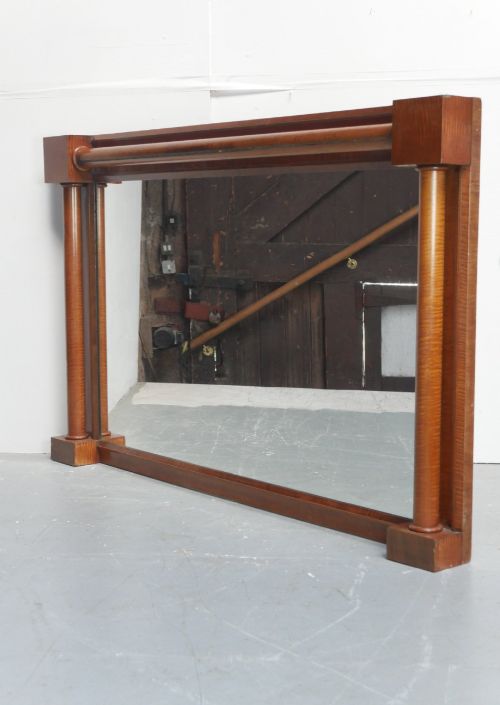
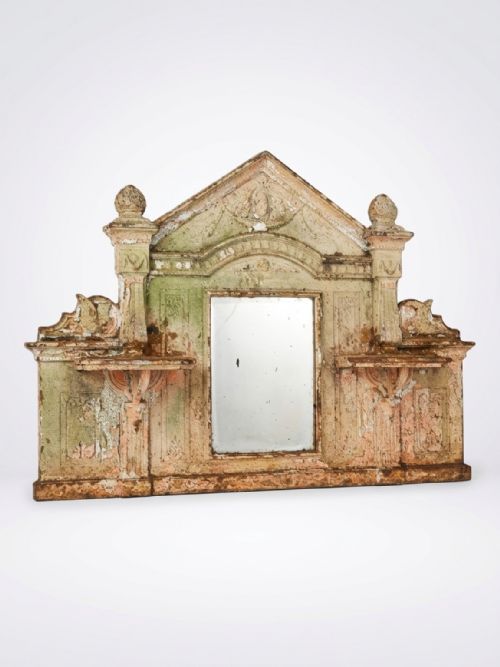
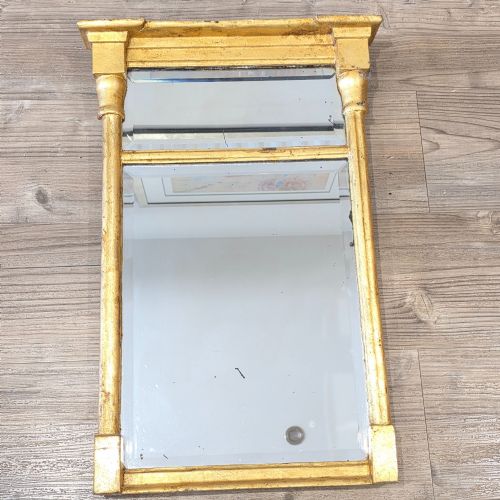
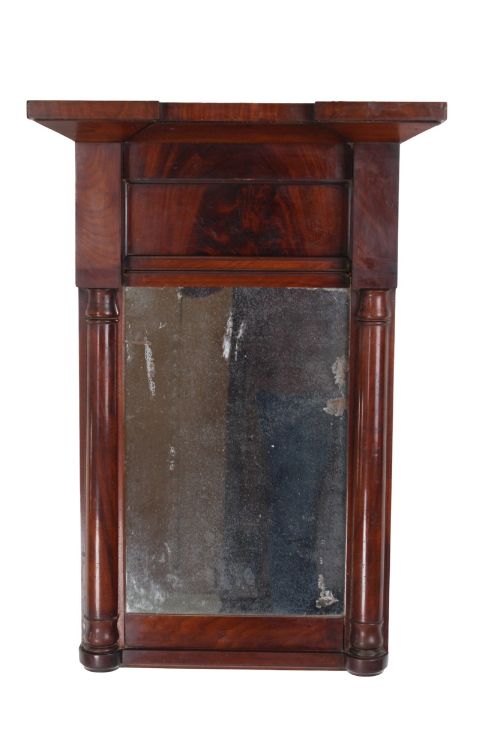
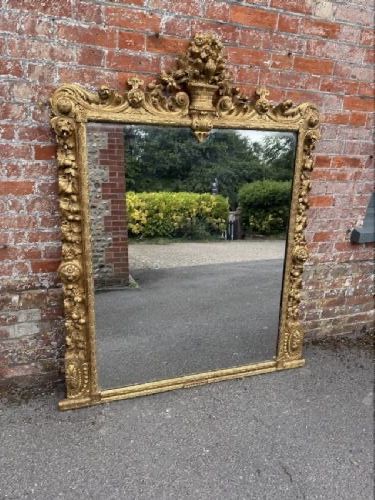
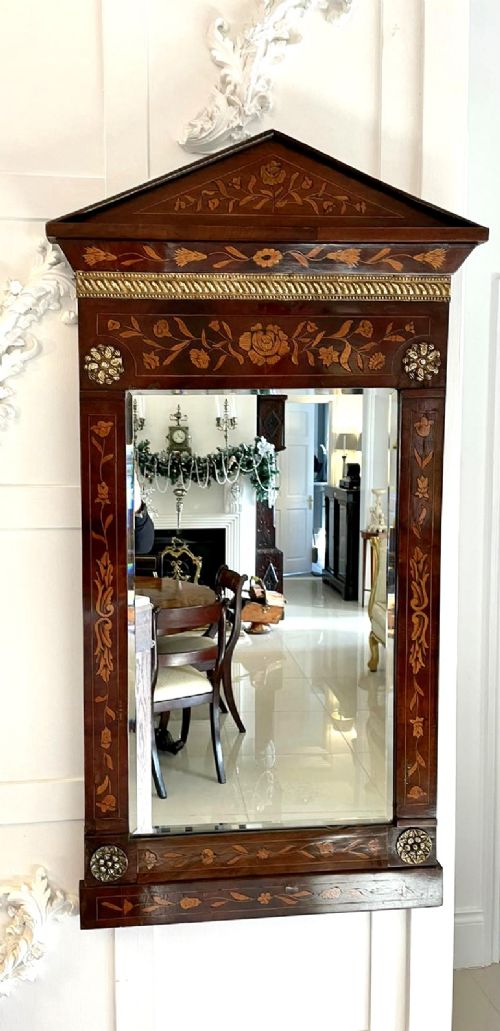
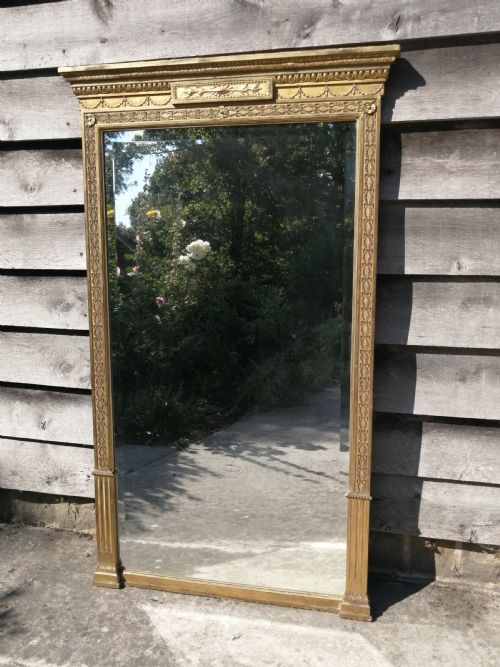
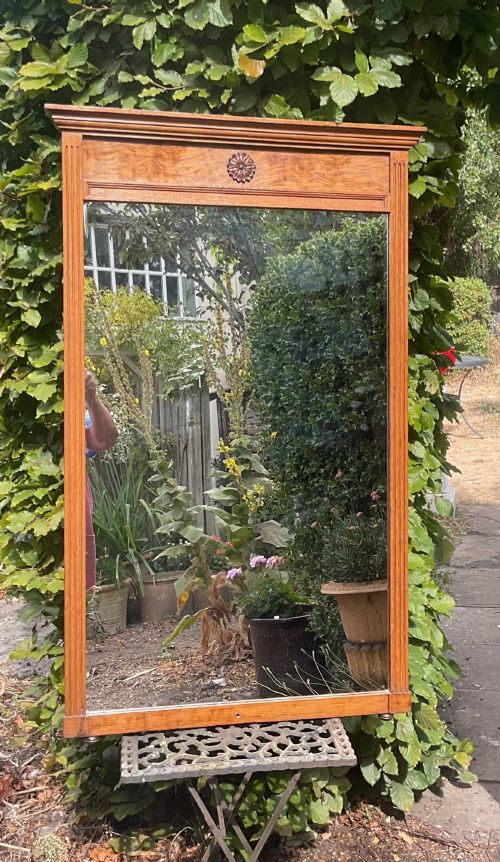
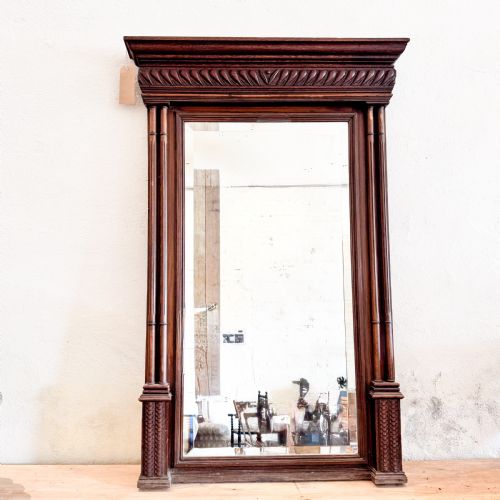
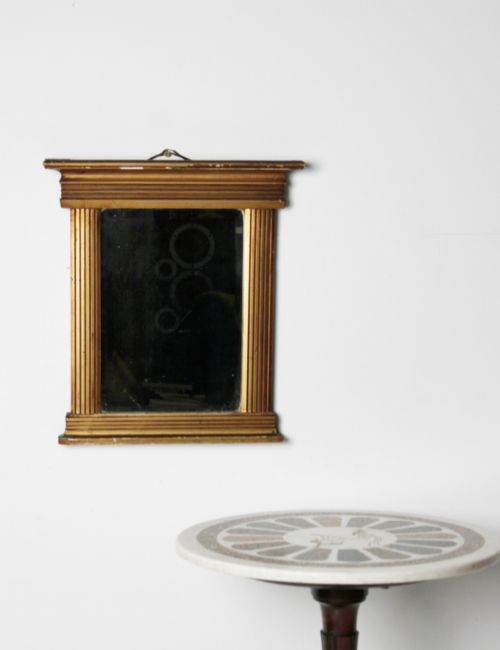
An architectural framed mirror brings structure and classical proportions to a room, drawing the eye with columns, pediments, and classical motifs.
Architectural Framed Mirror
An architectural framed mirror applies the structural vocabulary of classical buildings, such as pilasters, cornices, and pediments, to domestic looking glasses. When searching for an architectural framed mirror, buyers encounter grand overmantels, tall pier glasses designed for wall spaces between windows, and compact wall-hanging pieces.
The selections available range from 18th-century Georgian and Regency examples to robust Victorian iterations and Edwardian interpretations. Overmantel variations dominate the offerings, built to sit above fireplaces with substantial horizontal proportions.
How they were made
Carved timber frames form the structural backbone of these pieces, utilising foundational woods such as oak, mahogany, walnut, and pine. Artisans applied gesso over carved wooden carcases to build up crisp, sculptural surface details before applying gilding or paint.
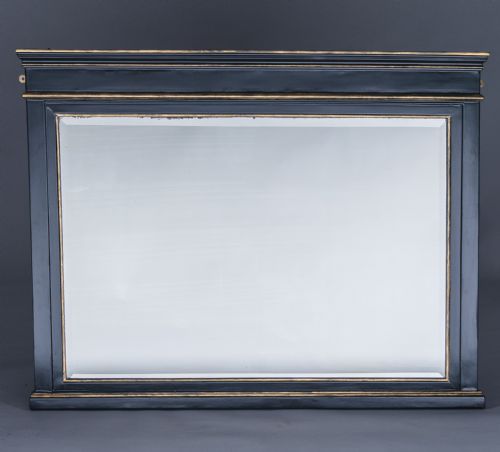
Giltwood and parcel gilt finishes involve laying thin sheets of gold leaf over preparation layers, whilst ebonised wood achieves a dense black finish imitating ebony. Plate glass is secured within the rebated frame, sometimes retaining its original silvering and optical imperfections.
Some overmantels are so heavy they require structural wall fixings sturdy enough to hold a small classical temple.
What varies in quality
The crispness of the carved ornament dictates much of the visual success, separating sharply defined classical mouldings and applied composition ornament from softer, less detailed casting work. Superior examples demonstrate careful joinery in the underlying timber frame and balanced proportions that respect classical architectural rules.
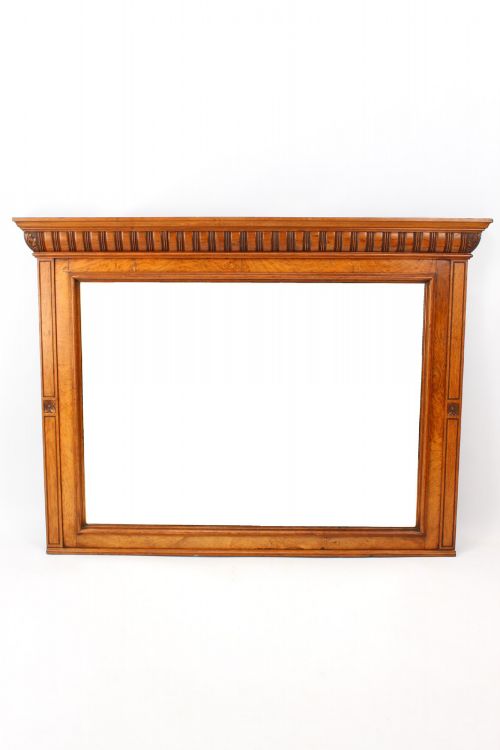
The retention of original surfaces, including undisturbed gilding layers and early or original mirror plates with authentic foxing, separates untouched survivals from heavily restored pieces. The quality of the timber selection, such as figured mahogany or blonde oak, also determines the standing of an individual mirror.
Nosotti's
The Architectural Framed Mirror Glossary
- Pier mirror
- A tall, narrow looking glass designed specifically to hang on the wall space between windows, often resting on a pier table. These tall formats frequently incorporate architectural side columns or pilasters.
- Overmantel mirror
- A wide horizontal mirror built to sit on the chimney breast directly above a fireplace surround. They often echo the architectural weight of the mantelpiece below.
- Gesso
- A plaster-like mixture applied to wood frames to provide a smooth surface for gilding or painting. It allows craftsmen to carve or stamp intricate low-relief decorative motifs.
- Parcel gilt
- A finishing technique where only specific raised portions of a wooden or gessoed frame are gilded with gold leaf, leaving the contrasting wood or paint visible underneath.
- Vitruvian scroll
- A classical running ornamental band composed of wave-like scrolls. It appears frequently on neoclassical frames and architectural mouldings.
Architectural Framed Mirror: Frequently Asked Questions
What is an architectural framed mirror?
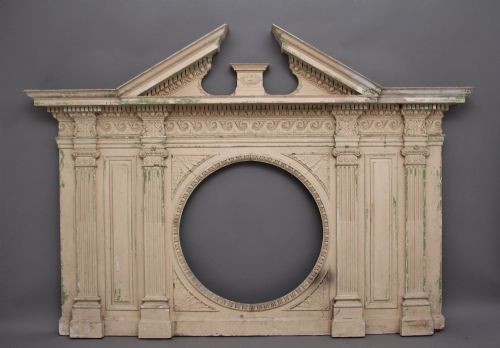
An architectural framed mirror is a looking glass whose wooden or gessoed frame borrows structural elements from classical buildings, such as pediments, columns, and friezes. These pieces translate stone facades and classical proportions into interior wall furniture.
They appear primarily as large overmantels designed for fireplaces or tall pier mirrors meant for wall spaces between windows.
Where were they originally hung?
These mirrors found their places in principal reception rooms, drawing rooms, and hallways of period houses. Overmantels anchored the central wall of a room above the fireplace hearth.
Pier mirrors filled narrow wall spaces, often positioned directly above matching console or pier tables to reflect light from adjacent windows.
How do I style one at home?
Mount an overmantel mirror securely directly above a fireplace mantelpiece to anchor the room's central focal point. The horizontal proportions naturally balance the hearth below and bounce daylight across the space.
Alternatively, hang a taller pier mirror on a blank wall to add verticality and the illusion of architectural depth in a hallway or living area.
How do I identify the period?
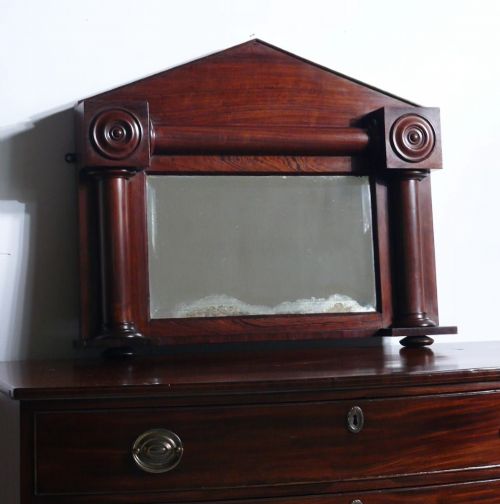
Period identification relies on observing the combination of framing materials, construction techniques, and stylistic vocabulary. Regency examples often display classical revival motifs like reeding and architectural pilasters, while Victorian pieces tend towards heavier moulded frames in walnut or ebonised wood.
Examining the backboards, fixings, and the nature of the mirror plate itself offers further clues to the manufacturing era.