


Architectural Engraving Print
These architectural engraving print examples capture grand monuments, ancient ruins and classical interiors through ink on paper, offering historical depth to study and display.
Architectural Engraving Print
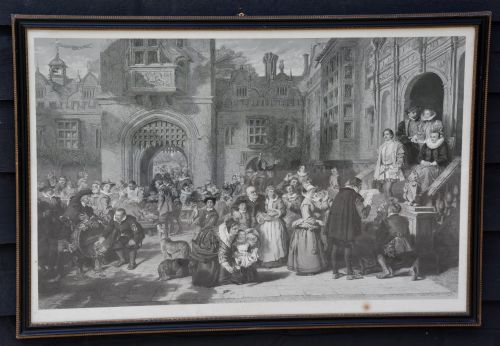
An architectural engraving print serves as a visual record of historic buildings, ancient antiquities, and cityscapes produced across several centuries. When exploring this selection, buyers encounter works ranging from 17th-century classical studies to Victorian perspectives of cathedrals and monuments.
The most common formats on this page include framed copperplate engravings and etchings depicting classical orders, temples, and grand European architecture. Many examples originate from the 18th century, reflecting the enthusiasm for the Grand Tour and architectural documentation.
Materials and production
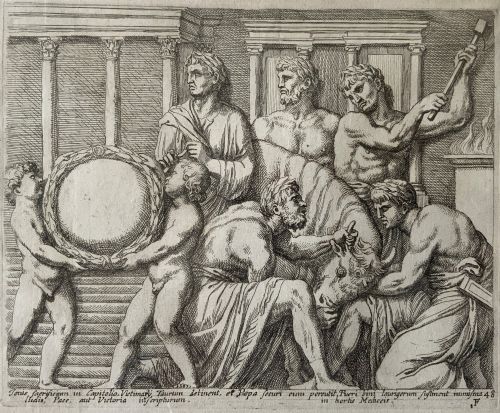
These works rely primarily on paper, ink, and metal plates utilised in traditional intaglio techniques such as engraving and etching. Master makers incised lines directly into copper plates before transferring the inked design under pressure onto paper.
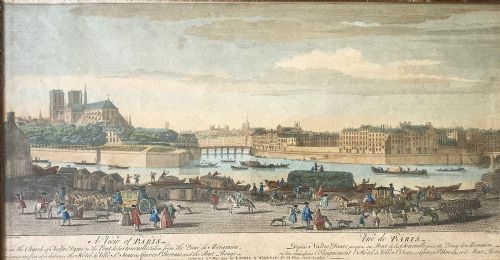
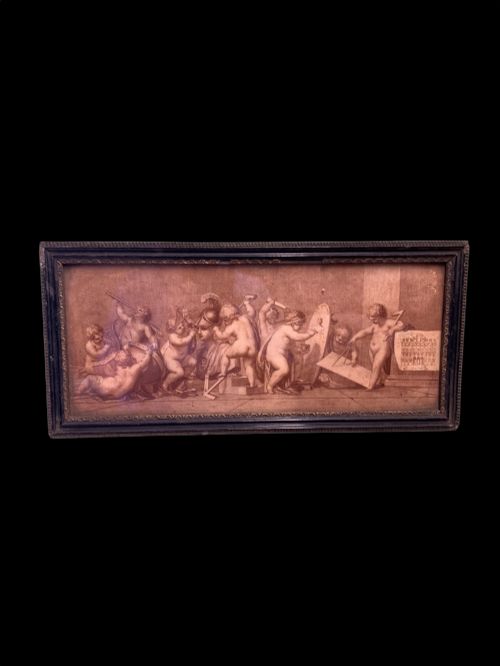
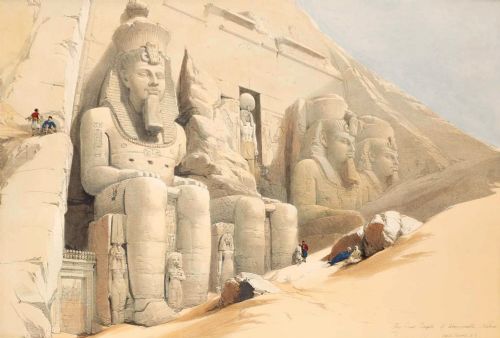
Many historical prints feature the addition of watercolour or hand colouring applied directly over the ink lines to accentuate architectural details and settings. Finished works frequently appear protected beneath glass within period wood frames, including gilt wood and original Hogarth moulding.
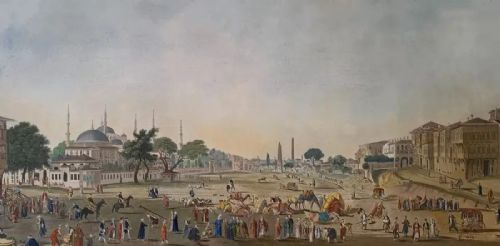
The inventory includes copper engravings, etchings, and lithographs depicting scenes from London, Paris, and Constantinople.
Assessing the works
Quality in these works rests upon the clarity of the impression left from the metal plate and the precision of the draughtsmanship. Early pulls from a plate yield sharp, crisp lines that reveal intricate stonework and lettering, whereas later impressions often appear softer and less defined.
The presence of original hand colouring and the condition of the paper sheet influence the character of the piece. Works that retain their full margins and authentic period framing carry greater visual weight and historical integrity.
François Perrier·Anton Ignaz Melling·Francesco Piranesi·Claes Jansz Visscher·Edgar J Maybery·Alessandro Mocchetti
The Architectural Engraving Print Glossary
- Engraving
- A printmaking technique where an artist cuts lines directly into a metal plate using a sharp tool called a burin. The resulting ink lines provide exceptional crispness and detail.
- Etching
- A process in which acid bites the lines into a metal plate that has been covered with a protective ground. This method allowed artists to draw freely rather than carve into the metal.
- Copperplate
- The flat sheet of copper used by printmakers to hold the incised design. Because copper is relatively soft, the number of sharp impressions pulled from the plate remains limited.
- Hand colouring
- The application of transparent watercolours by hand to a monochrome printed image. This practice was common in earlier centuries to bring vibrancy to architectural plates and maps.
- Grand Tour
- An extended journey through Europe undertaken by young upper-class men in the 18th and 19th centuries to study classical art and architecture, generating demand for souvenir prints.
Architectural Engraving Print: Frequently Asked Questions
How do I date an antique architectural engraving?
Dating relies on examining the paper characteristics, watermark evidence, plate marks, and typographic style used in the captions. Many prints include publication dates or reflect the specific costume and architectural trends of their era.
Comparing the paper weight and ink tone against known examples from periods like the 18th or 19th century helps confirm the age of the impression.
Are these prints original antiques or modern reproductions?
The selection consists of original historical prints produced during the periods stated in the listings, utilising traditional printmaking methods like copper engraving and lithography. Close inspection reveals the indentation of the plate mark on the paper and the distinct quality of historical ink.
Modern photographic reproductions lack these physical plate impressions and the characteristic texture of period paper stock.
How should I frame and display these paper works?
Protecting these pieces requires professional framing using acid-free mount boards and conservation-grade glass to filter ultraviolet light. Keeping prints away from direct sunlight prevents the fading of ink and hand-applied watercolour.
Maintaining stable humidity levels in the room preserves both the paper support and any historic wood framing.
What subjects are most common in architectural prints?
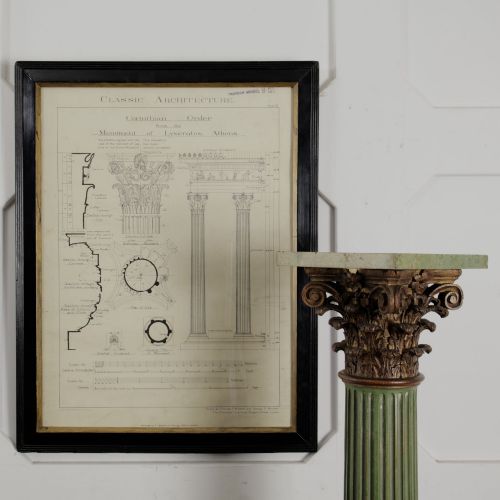
Common subjects include classical antiquities, Roman ruins, cathedrals, city views, and detailed studies of architectural orders like the Corinthian column. These themes reflect historical documentation and the aesthetic tastes of collectors on the Grand Tour.
Plates often record specific buildings, urban squares, and ancient excavations across Europe and the Middle East.