
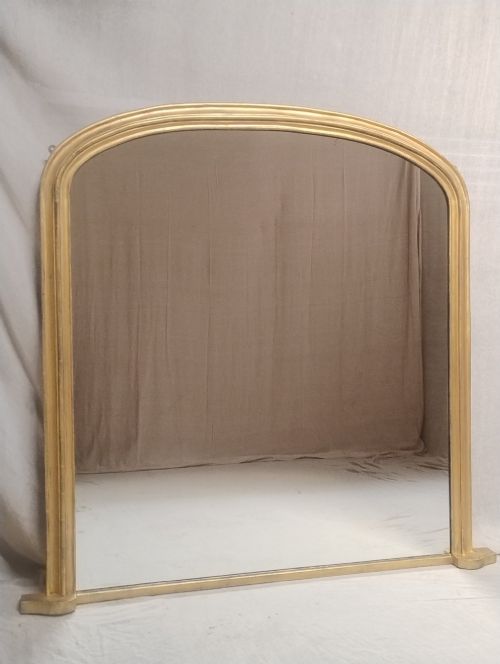
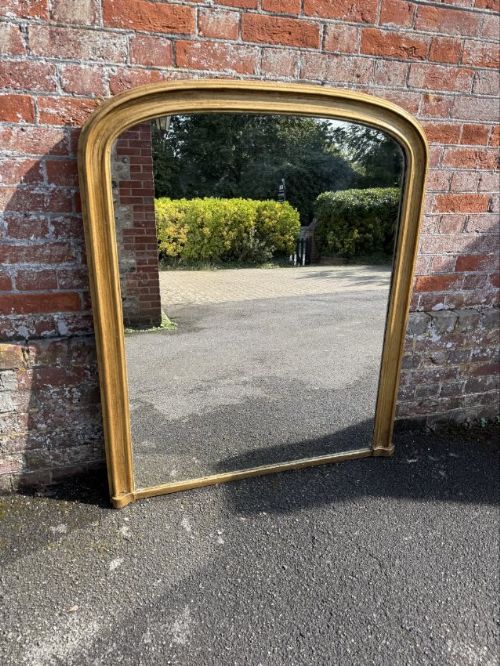
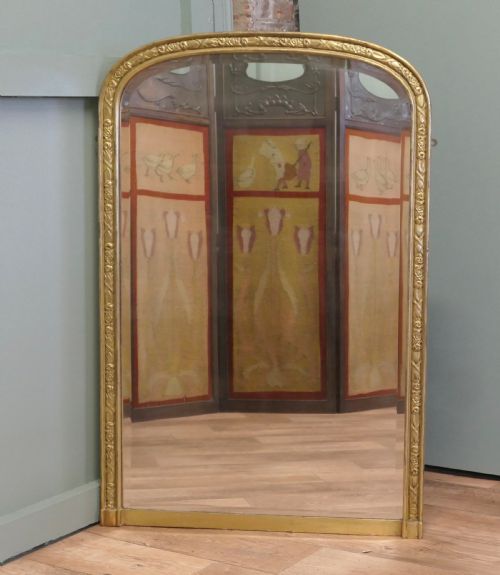

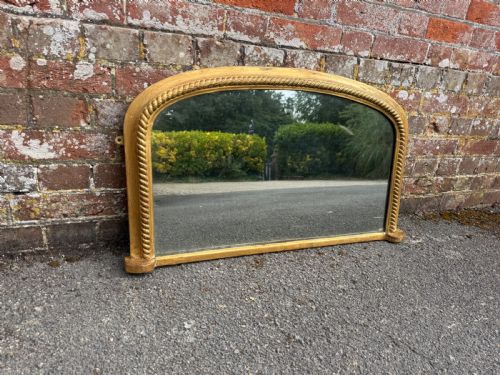
Arched Top Gilded Mirror
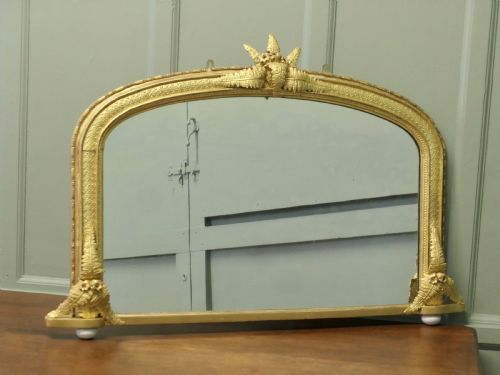
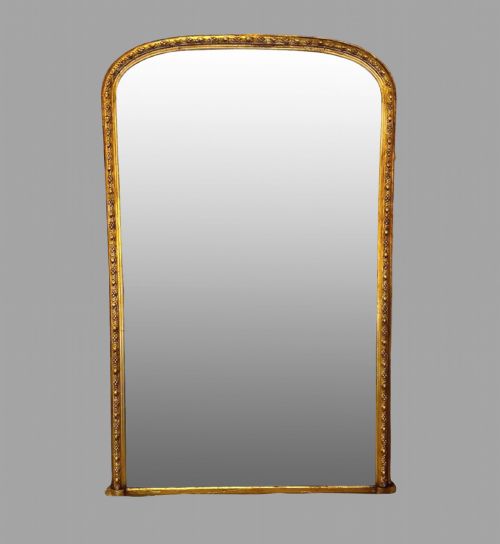
An arched top gilded mirror brings architectural presence and reflected light to a room, drawing the eye upwards with its curved profile and gold leaf finish.
Arched Top Gilded Mirror
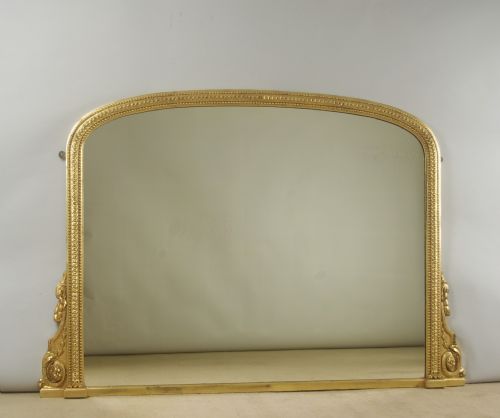
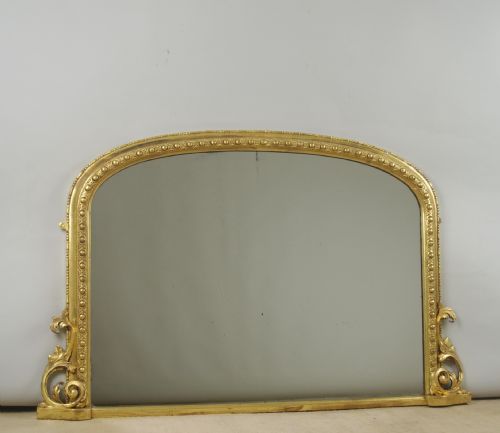
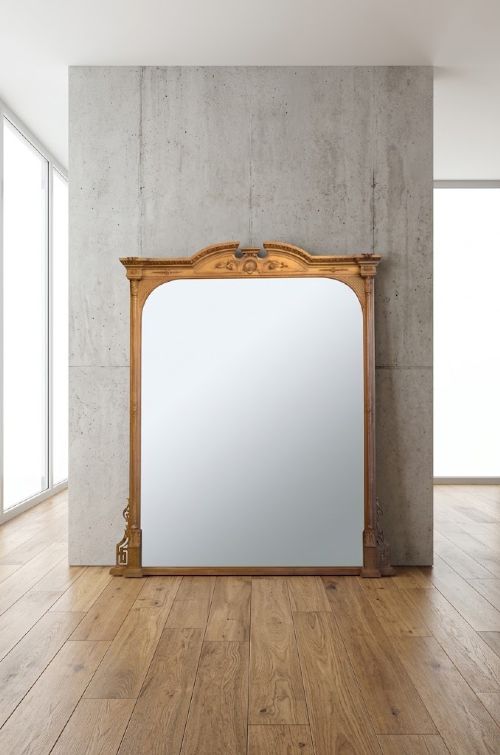
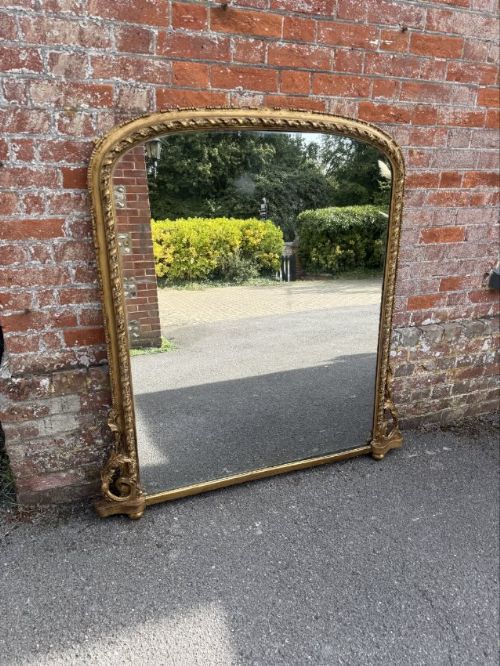
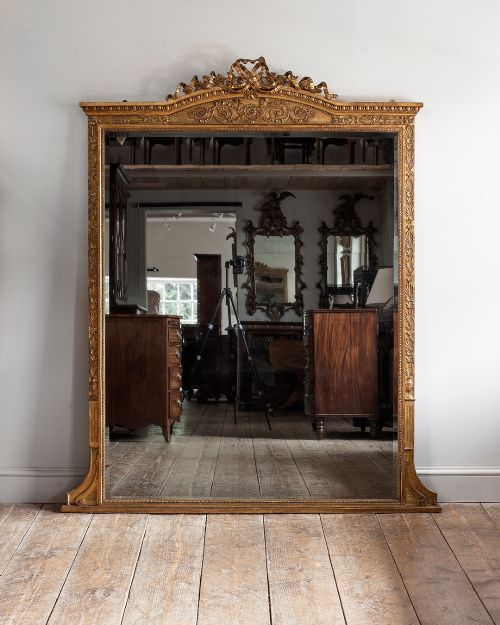
An arched top gilded mirror encompasses grand overmantels, tall wall hangings, and pier glasses designed to command a room. The most common version met on this page is the nineteenth-century English overmantel mirror featuring a carved wood and gesso frame with an arched or shaped top.
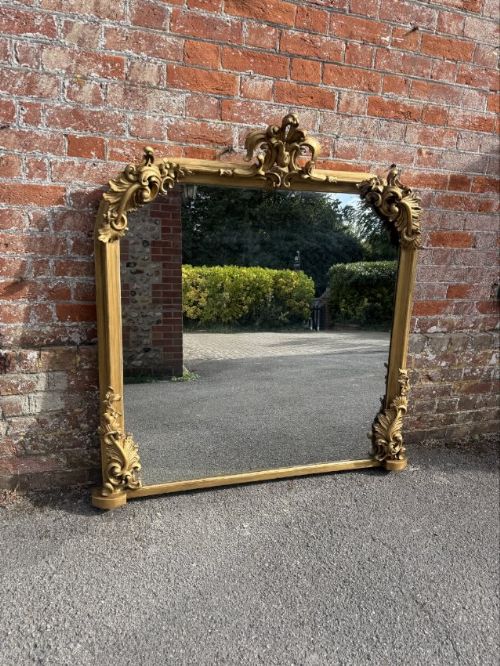
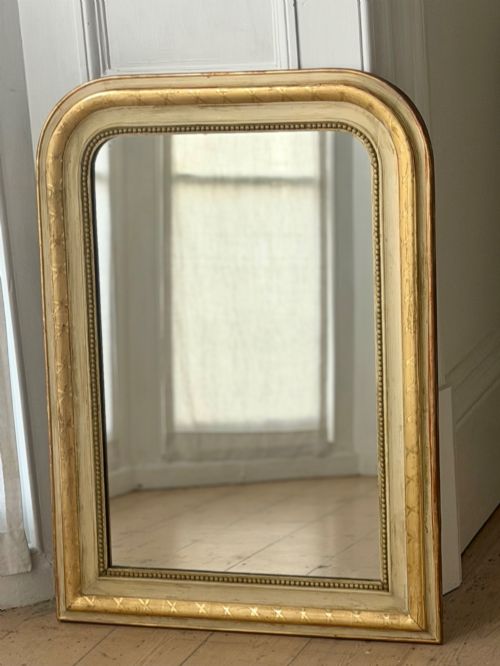
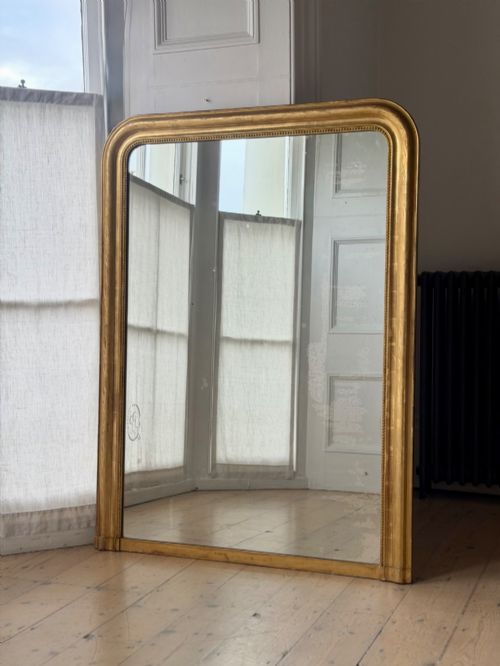
Makers and craftsmen produced these pieces across several distinct styles, including Victorian, Louis Philippe, French Rococo Revival, and Regency. Many examples reflect the aesthetic preferences of nineteenth-century domestic interiors, utilising generous proportions intended to sit above a fireplace or along a principal wall.
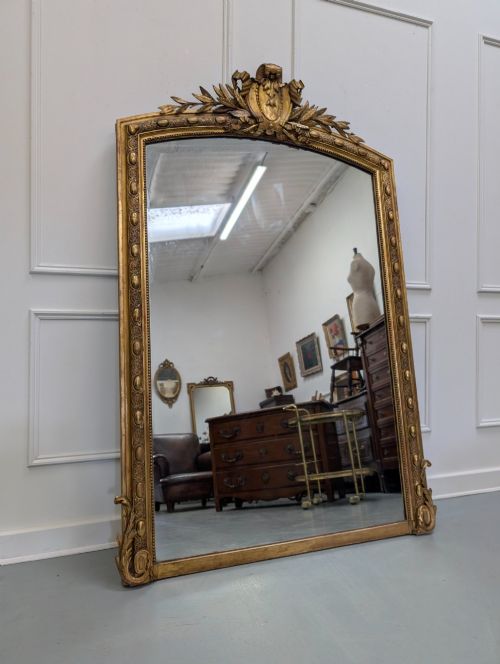
The form bridges utility and decoration, functioning simultaneously as a practical looking glass and a focal point within domestic spaces. Pieces range from restrained French wall mirrors to heavily decorated English overmantels incorporating rope twist moulding, ribbed frames, and central cartouches.
How they were made
Makers constructed the foundational frames primarily from wood, often applying a layer of gesso or composition to build up decorative moulding and crisp surface relief. This plaster-like substance allowed carvers to shape intricate details such as rope twists and cartouches before gilding.
The finishing process relied upon gold leaf or applied gilding laid over the prepared wooden base to achieve a brilliant metallic sheen. Historic pieces frequently utilise mercury glass or early mirror glass that exhibits natural foxing and age spots over time.
Listings feature pieces spanning the nineteenth century, including Victorian, Georgian, and Regency eras alongside French styles like Louis Philippe and Rococo.
What varies in quality
The depth and precision of the carved wood and gesso ornamentation separate standard production from superior examples. Finely executed frames maintain crisp lines in their architectural mouldings and decorative motifs without losing definition beneath layers of historic gilding.
Originality of components heavily influences the standing of a piece, particularly the retention of the original mirror glass and primary gilding surface. Subtleties in proportion, such as a neat size or a balanced central cartouche, distinguish pieces made for prominent settings.
The Arched Top Gilded Mirror Glossary
- Gesso
- A plaster mixture applied to wood frames to create a smooth surface for carving and gilding. It allows craftsmen to fashion intricate relief decoration.
- Giltwood
- Timber that has been coated with a thin layer of gold leaf or gold paint. This finish provides a warm reflective quality characteristic of period frames.
- Foxed glass
- Mirror glass that displays dark spots and speckling caused by the degradation of the reflective backing over decades. Collectors value authentic foxing as an indicator of age.
- Cartouche
- An ornamental tablet or panel frame, often resembling a scrolled scroll or shield, placed at the crest of a mirror. It serves as a focal point for the design.
Arched Top Gilded Mirror: Frequently Asked Questions
Where should I hang an arched top gilded mirror?
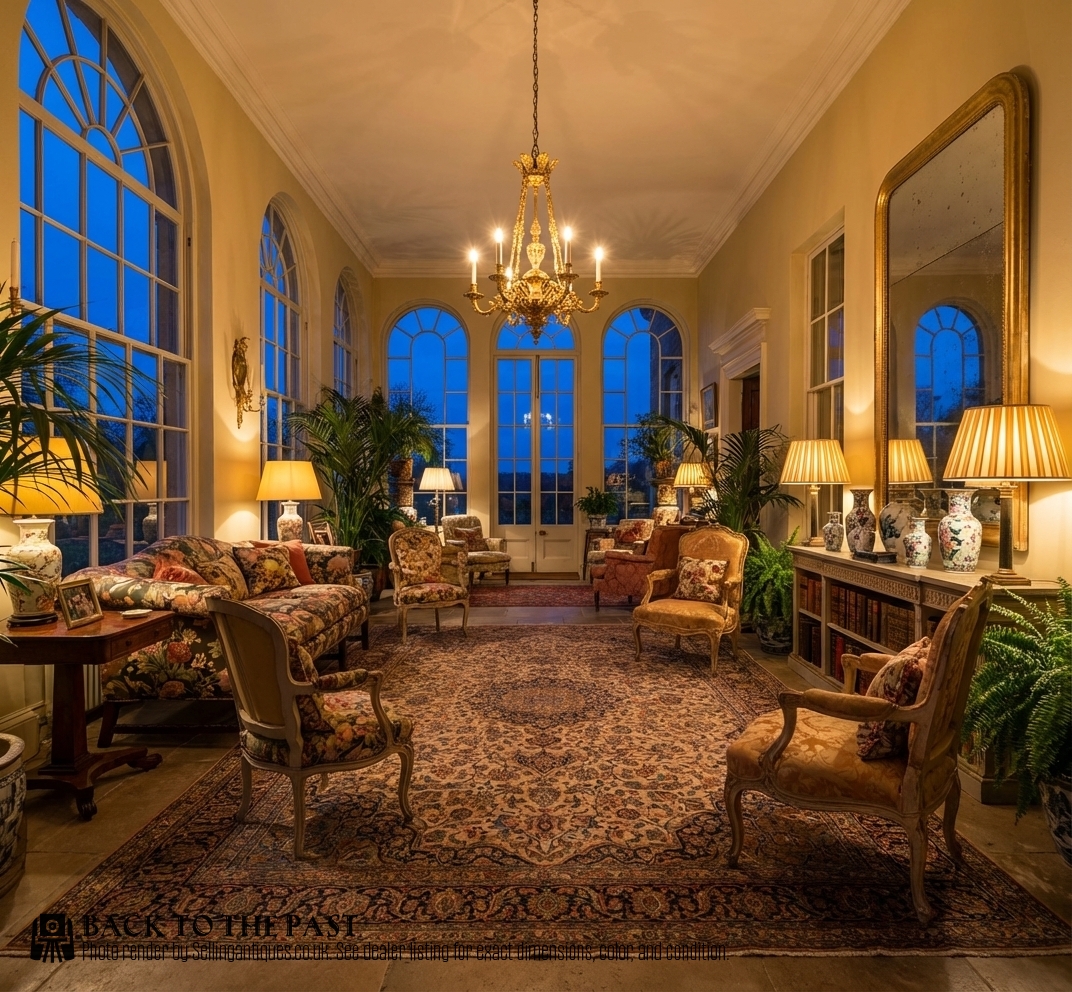
These mirrors traditionally sit above a fireplace mantelpiece where their height draws the eye upward and balances the hearth below. They also function effectively on principal living room walls to bounce natural light around the space.
Because many nineteenth-century examples arrive in generous dimensions, ensure the wall structure can support the weight of the wood and gesso frame before installation.
How do I identify a Victorian overmantel mirror?
Victorian examples frequently combine carved wood and gesso frames with arched or shaped tops, often measuring wide enough to span a standard fireplace. Look for characteristic Victorian design motifs such as rope twist borders, ribbed framing, and applied composition details.
English pieces from this era often show robust timber construction behind the gesso, distinguishing them from lighter continental wall mirrors.
What is the difference between an overmantel and a pier mirror?
Overmantel mirrors are proportioned to sit above mantelpieces and fireplaces, historically designed to reflect the warmth and light of the hearth. Pier mirrors were traditionally manufactured to fit the narrow wall space or pier between two windows.
While both utilise gilded frames and arched profiles, pier mirrors tend to be narrower and taller to match the architectural wall space between glazing.
How should I care for antique gilded surfaces?
Dust the frame gently with a soft, dry brush to prevent accumulation without disturbing the delicate gesso or gold leaf layers. Avoid using chemical cleaning sprays, abrasive cloths, or water directly on the gilded wood.
Maintain a stable room environment away from excessive moisture and direct sunlight to preserve the historic finish and prevent warping of the wooden structure.