




Arched Top Dressing Mirror
An arched top dressing mirror brings a curved crown to a dressing table or floor standing frame, offering a refined profile suited to period and modern interiors alike.
Arched Top Dressing Mirror
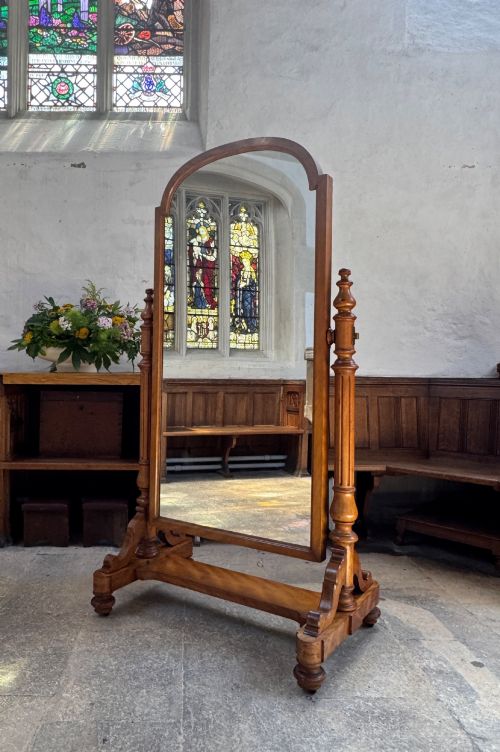
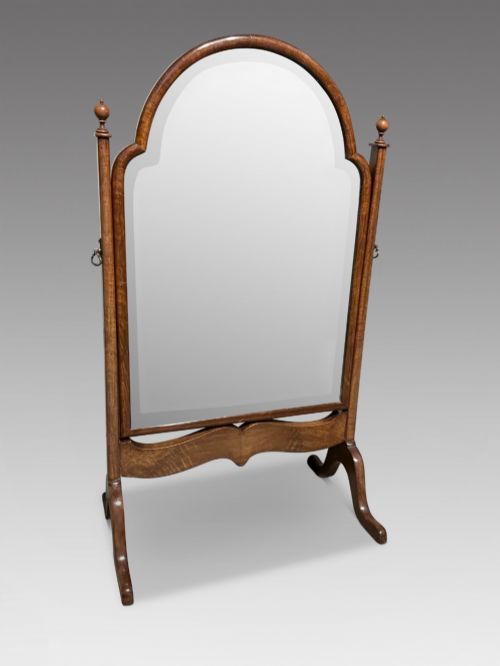
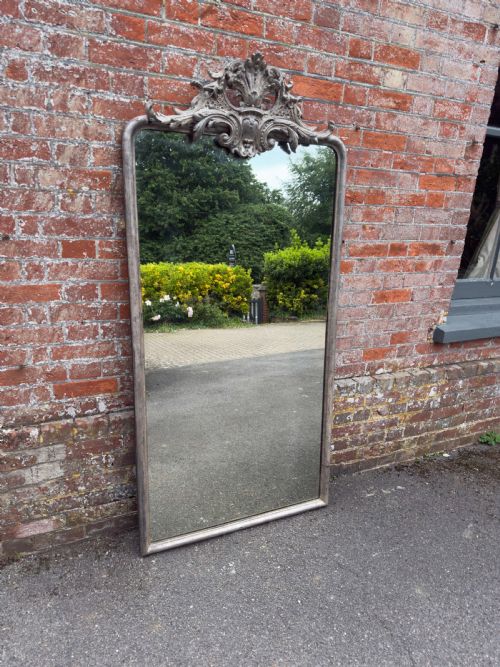
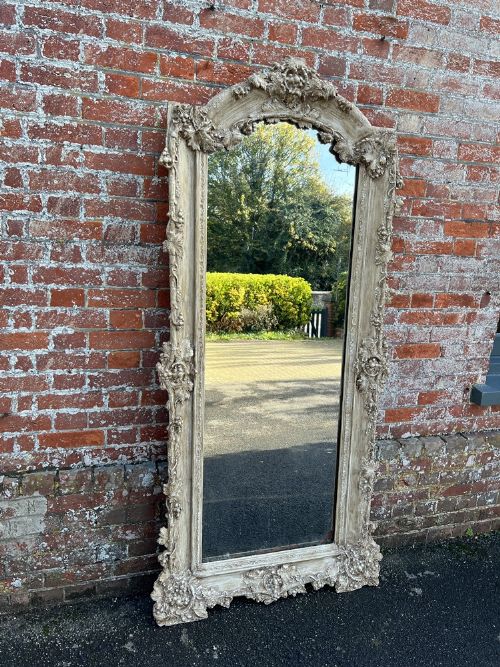
An arched top dressing mirror combines functional glass with a distinctive curved silhouette at the top edge, appearing across Victorian, Regency, and nineteenth century periods. These pieces take several forms, including tabletop dressing table mirrors, floor standing cheval mirrors, and larger wall mounted variations.
The most frequent examples on this page are nineteenth century French carved wood and gesso designs alongside Victorian satin birch and mahogany table pieces. Styles span from French Louis Philippe and Louis XIV to Queen Anne and twentieth century Art Deco adaptations.
Materials and Construction
Makers built these frames using solid woods such as mahogany, walnut, satin birch, and painted or carved timber. Gesso often provided the base for intricate surface ornamentation before the application of gold leaf, silver leaf, or paint.
Mirrors utilise glass set into standing frames, pier mounts, or dressing table supports, sometimes incorporating brass hardware and adjustable pivoting mechanisms for the glass plate.
A good glass still catches every expression just as it did when the room was lit by tallow candles.
Assessing Quality and Execution
Quality rests in the depth and crispness of the carved wood and gesso detailing around the arched crown. Superior examples display refined proportions and hand applied leaf or paint that adheres cleanly to the underlying timber.
The choice of primary wood, whether flame mahogany, satin birch, or walnut, dictates the visual weight of the frame. Sound structural joinery in the standing supports and pivoting arms marks the difference in everyday utility.
The Arched Top Dressing Mirror Glossary
- Cheval mirror
- A freestanding full length mirror suspended on a vertical frame with pivoting side pins. This design allows the glass to tilt to various angles.
- Gesso
- A plaster based mixture applied to wood surfaces to create a smooth or sculpted base for gilding and painting. It hardens to take fine decorative detail.
- Louis Philippe
- A French nineteenth century style characterised by understated elegance, simple curved lines, and gentle arched tops without excessive ornamentation.
- Pier mirror
- A tall mirror traditionally designed to hang on the wall between two windows, often above a low console table or pier table.
Arched Top Dressing Mirror: Frequently Asked Questions
What is an arched top dressing mirror?
An arched top dressing mirror is a looking glass featuring a curved upper frame, designed for personal grooming or decorative placement on a table, dresser, or floor stand.
These pieces reflect the stylistic preferences of periods ranging from the Regency era through the Victorian period and into the twentieth century.
How are these mirrors supported?
Smaller versions sit on boxes or bases intended for dressing tables, while larger cheval mirrors use vertical uprights and pivoting joints to stand independently on the floor.
Wall mounted variants hang securely from structural mouldings built into the back of the timber frame.
Which woods appear most often?
Frames commonly feature mahogany, walnut, and satin birch, frequently enhanced with carved gesso, paint, or gilded finishes.
Some pieces use simpler painted pine or softwood carcasses beneath decorative surface treatments.
How do I date a mirror?
Dating relies on combining the timber species, the style of the carved ornament, and the construction methods used in the frame and mirror back.
Victorian and nineteenth century French pieces exhibit distinct proportions and finishing techniques that set them apart from twentieth century revivals.