

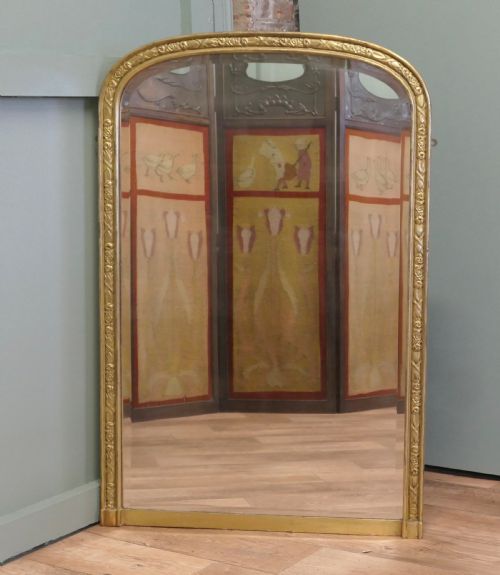

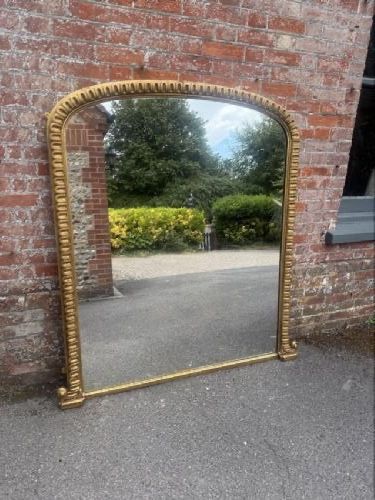
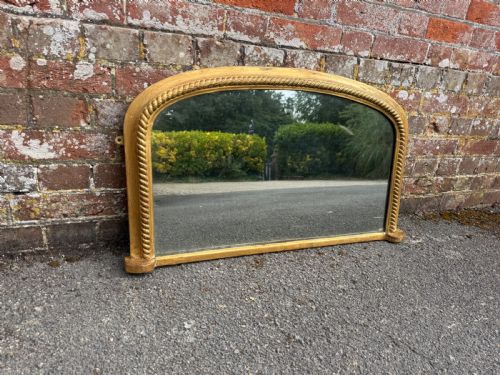
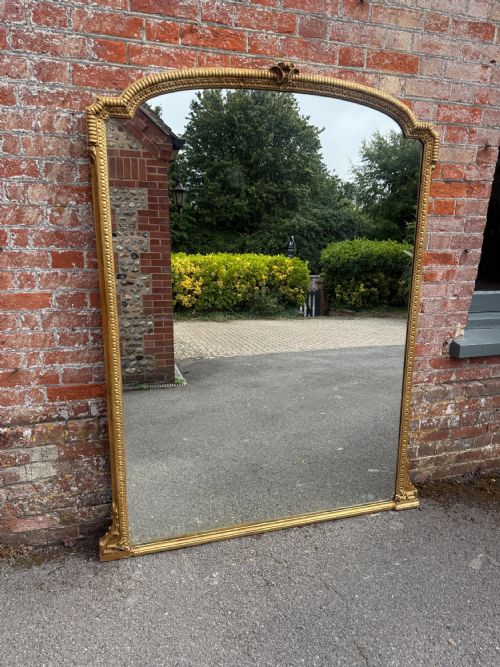

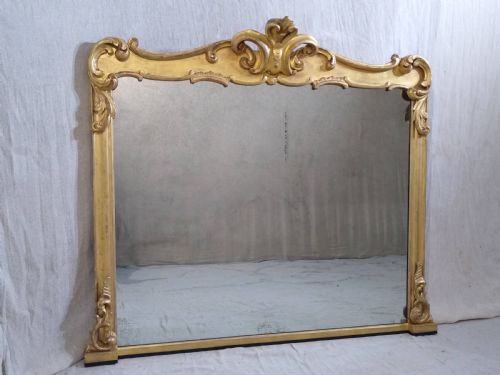
Arched Gilt Framed Mirror
An arched gilt framed mirror brings height, light and architectural focus to a room, drawing the eye upward with its curved top.
Arched Gilt Framed Mirror
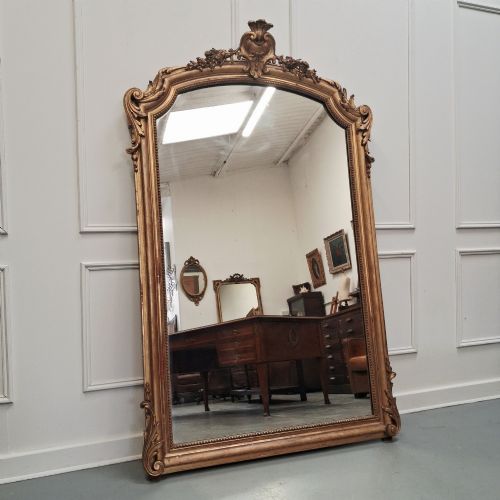
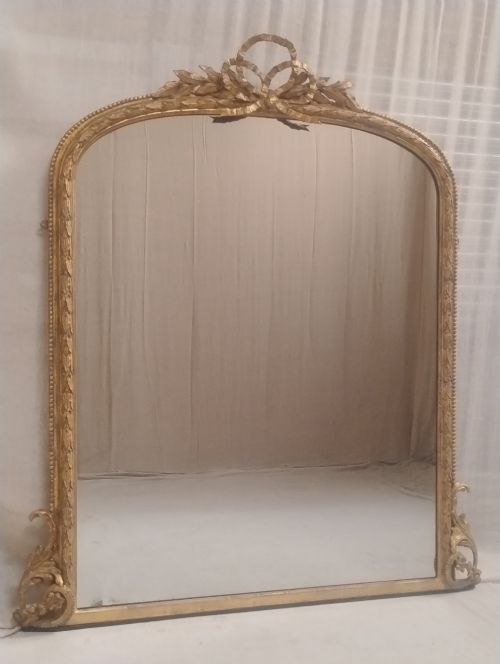
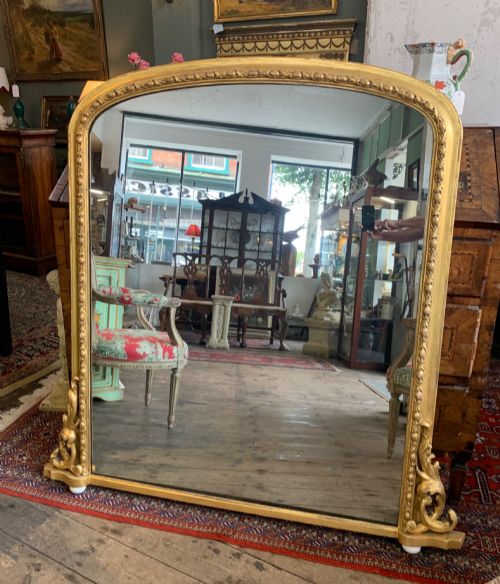
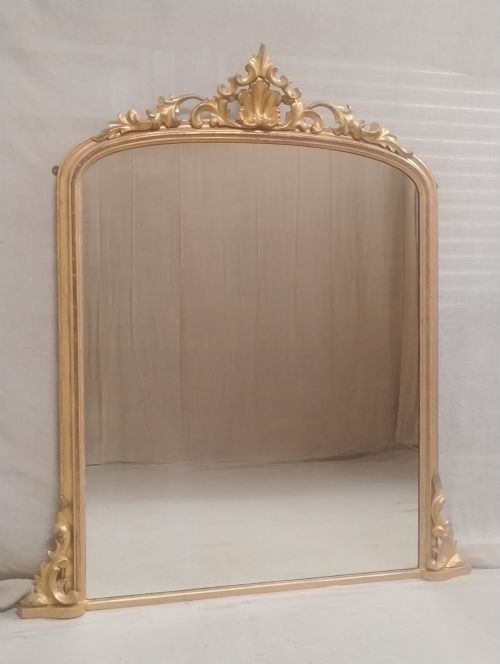
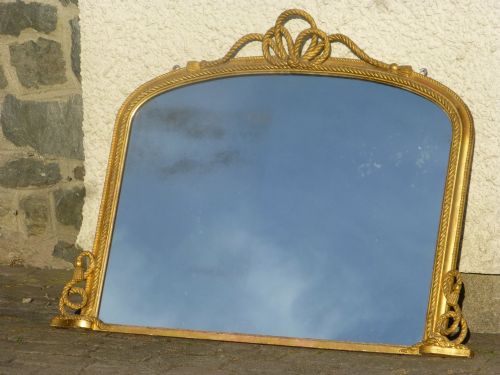
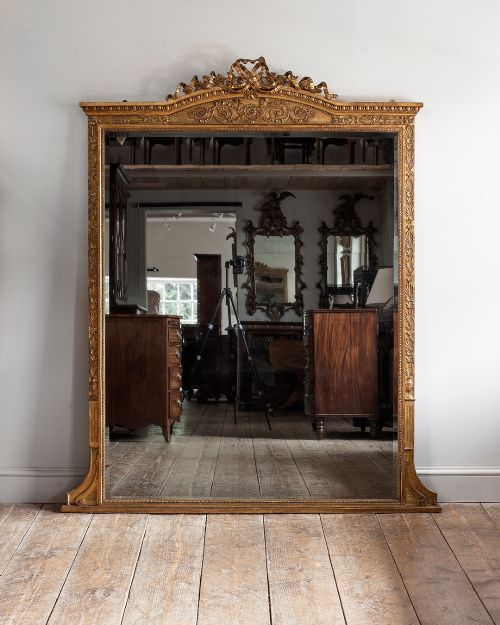
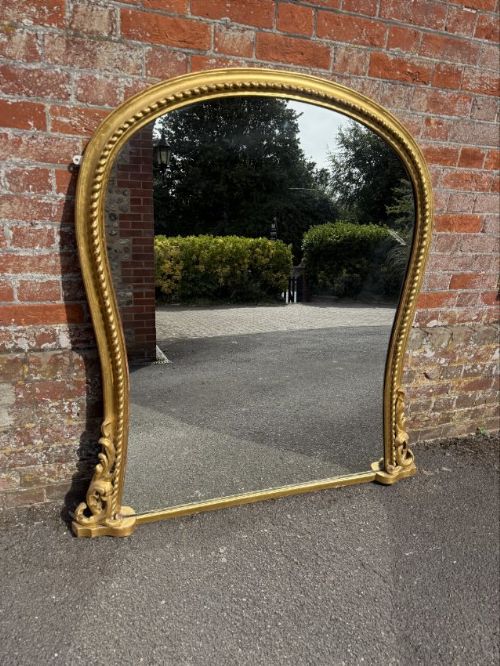
An arched gilt framed mirror typically takes the form of a large overmantel mirror designed to sit above a fireplace, or a tall wall-mounted pier mirror. These pieces emerge predominantly from the nineteenth century, spanning the Victorian and Edwardian eras alongside French Louis Philippe styles.
The English examples lean toward substantial proportions with architectural wooden frames, while French pieces often display softer contours and simpler arched profiles. Buyers encounter these mirrors in various formats, ranging from restrained nineteenth century designs to ornate Rococo revival forms.
The primary function remains bouncing natural light around a space while anchoring interior walls with period character. Most surviving examples reflect nineteenth century craftsmanship, combining timber carcase construction with decorative surface treatments.
Materials and construction
The construction relies on a wooden base or carcase overlaid with moulded gesso, which takes fine carved details such as rope twists, ribbons, beads, and tulip motifs. Artisans then apply gold leaf or liquid gilding over the prepared surface to achieve the characteristic metallic finish.
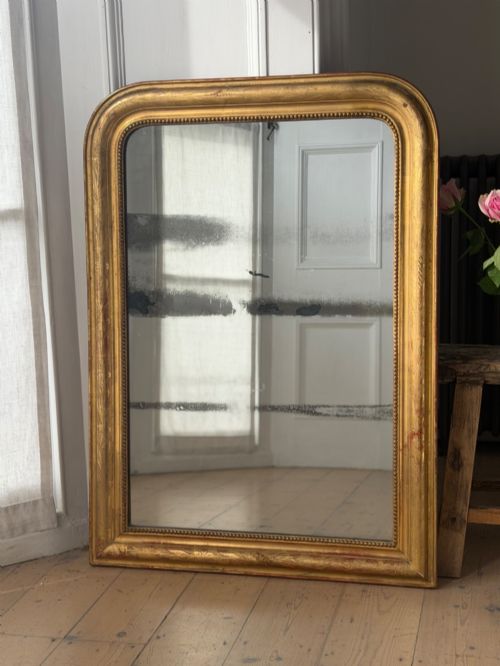
Mirror glass is fitted into the rebate behind the frame, sometimes retaining original mercury silvering that develops characteristic foxing over time. Plaster and wood components work together to build up the heavy relief mouldings typical of nineteenth century overmantels.
Materials recorded across the inventory include giltwood, gesso, gold leaf, mirror glass, plaster, and oak.
Judging quality
Quality rests in the crispness and depth of the gesso and wood carving, where deeply undercut rope twists and sharp leaf motifs separate superior work from softer, shallower press-moulded decorations. The integration of the arched frame joints and the weight of the timber carcase indicate the original maker's investment of time and materials.
The preservation of the original gold leaf surface rather than later painted overhauls determines historical integrity. Additionally, the clarity and age of the mirror plate, whether featuring mercury backing or early float glass, influence the overall character of the piece.
The Arched Gilt Framed Mirror Glossary
- Gesso
- A plaster-based mixture applied to wood frames to create a smooth surface for carving and gilding. This material allows artisans to produce intricate relief patterns that hold metallic leaf effectively.
- Overmantel
- A large mirror specifically proportioned to hang on the wall directly above a fireplace mantelpiece. These pieces often feature wide horizontal bases and arched tops to complement architectural chimney breasts.
- Foxing
- Small dark spots and gradual clouding that develop within the silvering of antique mirror glass over decades. This natural oxidation process is valued by collectors as proof of considerable age.
- Giltwood
- Timber that has been coated with thin sheets of gold leaf over a prepared bole and gesso ground. It provides a warm, reflective metallic sheen that does not tarnish like base metals.
- Pier mirror
- A tall vertical glass designed to hang on the narrow wall space between windows, known as a pier. These mirrors maximise available daylight in nineteenth century reception rooms.
Arched Gilt Framed Mirror: Frequently Asked Questions
Where should I hang an overmantel mirror?
These large mirrors traditionally mount directly above a fireplace mantelpiece, where they anchor the chimney breast and reflect light across the room.
They also work effectively as substantial wall mirrors in hallways or living spaces when hung at eye level to create a sense of expanded depth.
How do I identify a Victorian mirror?
Victorian examples often display heavy carved wood and gesso frames with robust architectural detailing, rope twists, or elaborate crestings.
Looking at the backboards, fixings, and the composition of the glass helps confirm the nineteenth century production period.
What is Louis Philippe style?
Louis Philippe mirrors originate from mid nineteenth century France and are distinguished by a subtle rounded or arched top coupled with clean, understated frame profiles.
They offer a more restrained aesthetic compared to ornate Rococo pieces while maintaining classic proportions.
Why does antique mirror glass look speckled?
The speckled appearance, known as foxing, occurs as moisture interacts with the back silvering over many decades of exposure.
Original mercury or early silver nitrate mirrors naturally develop this patina, which distinguishes period glass from modern reproductions.