






Antique Yurt Wall Hanging
An antique yurt wall hanging brings the bold geometric patterns and rich tribal textures of nomadic Central Asia straight into a modern interior.
Antique Yurt Wall Hanging
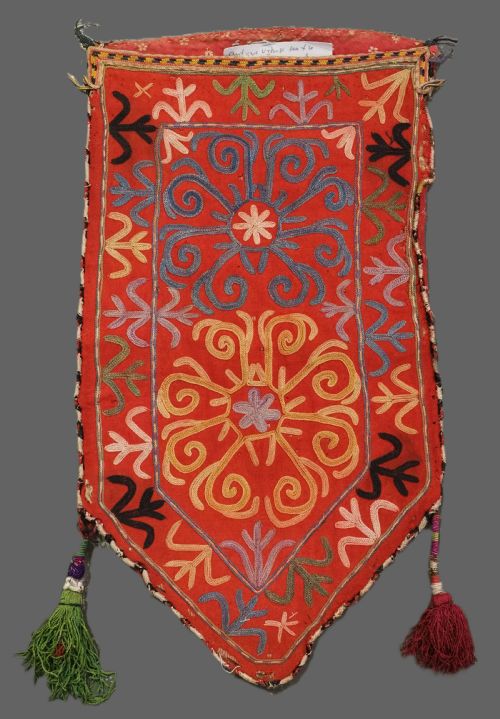
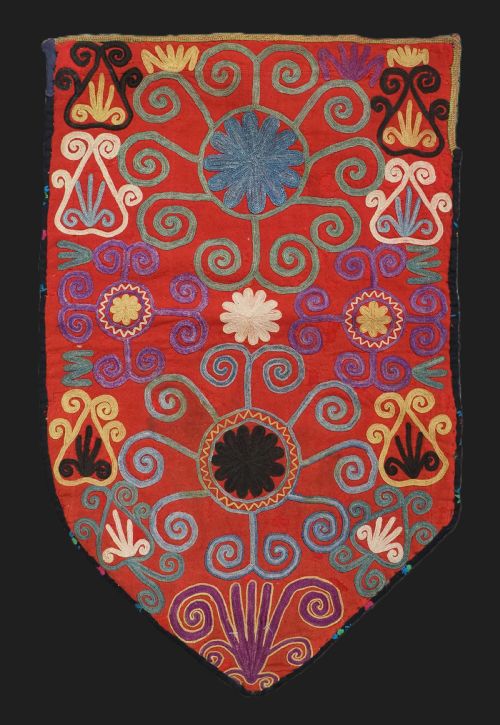
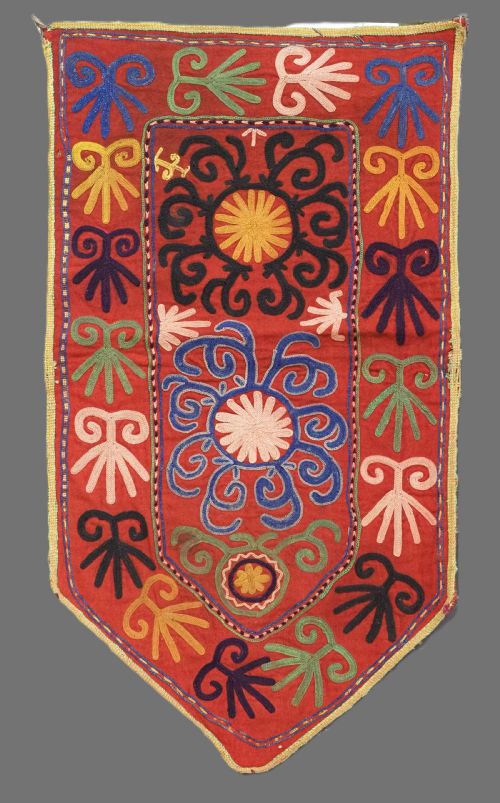
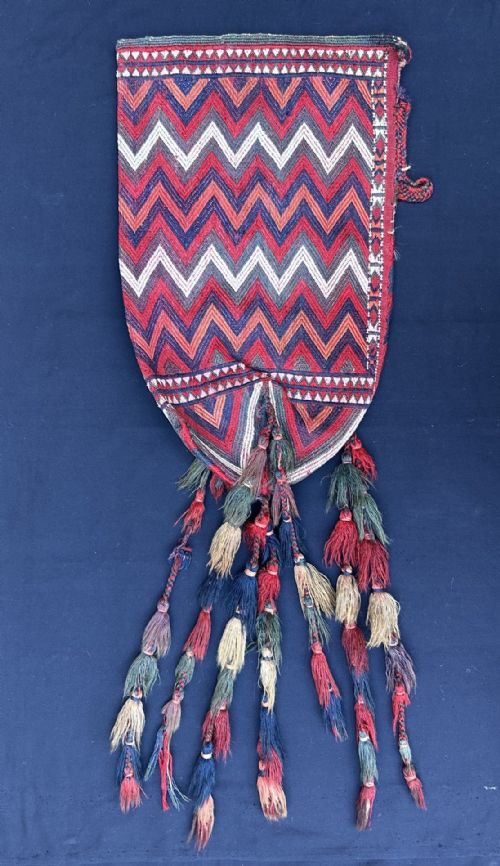
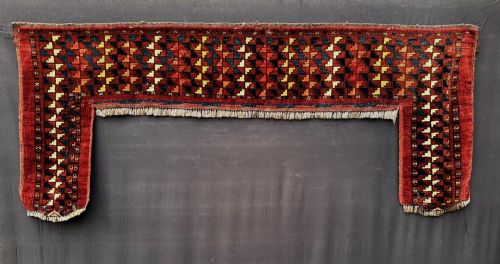
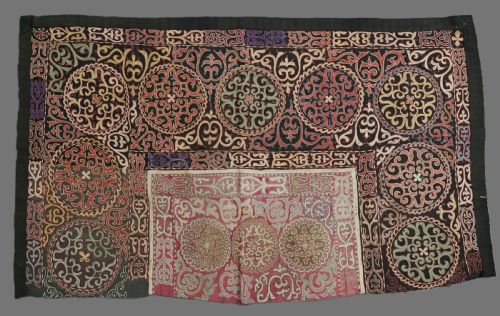
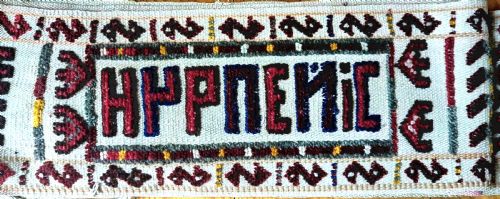
An antique yurt wall hanging encompasses a striking variety of tribal textiles originating from the nomadic cultures of Central Asia. When you search for an antique yurt wall hanging, you encounter specialised tent furnishings such as storage bags, door hangings, tent bands, and embroidered panels.
The most frequently encountered examples on this page include embroidered hanging bags, known as uut kap ilgich, alongside tent bands and felt adornments. Each object reflects the distinct visual vocabulary and utilitarian heritage of steppe dwelling communities.
What varies in quality
The distinction between average and exceptional pieces rests upon the precision of the needlework and the complexity of the tribal design. Finer examples display meticulous density in their silk embroidery and striking clarity in their traditional motifs.
Integrity of the textile fabric also governs overall standard, where intact borders, original horsehair tassels, and stable ground wool elevate a piece. Greater age combined with well-preserved natural dyes marks out the most desirable specimens.
Listings span the nineteenth and early twentieth centuries, featuring wool, cotton, silk, and felted wool across various tribal forms.
The Antique Yurt Wall Hanging Glossary
- Uut kap ilgich
- An embroidered hanging bag used in Central Asian tents for storage. These items typically feature vibrant silk work on wool grounds.
- Tgerich
- A piled tent band utilised within nomadic structures. Fragments of these long bands occasionally survive as textile art.
- Gapylyk
- A doorway hanging or tent entrance decoration produced by tribal weavers. These larger textiles framed the threshold of the yurt.
- Tush kyiz
- An embroidered wall hanging traditionally created in Kyrgyzstan to decorate the interior of a yurt. They are noted for large-scale floral and symbolic needlework.
Antique Yurt Wall Hanging: Frequently Asked Questions
How were yurt wall hangings used?
Nomadic families utilised these textiles to line the interiors of circular felt tents, providing insulation and decorative warmth. Items like storage bags and door hangings also helped organise domestic goods within the restricted space of the dwelling.
Over time, these functional objects became expressions of tribal identity and family status, often prepared as part of a bride's dowry. Today, they translate well to domestic interiors as statement wall art.
How do I hang a textile safely?
Mounting heavy wool and silk textiles requires careful weight distribution to prevent pulling or distortion of the historic fabric. Conservation-grade Velcro stitching or custom fabric sleeves provide secure suspension without piercing the material.
Keep hanging pieces away from direct sunlight to protect natural dyes from fading over the years. Gentle rotation and occasional inspection ensure the textile remains stable against a wall.
Which tribes made these pieces?
The pieces originate from various nomadic and semi-nomadic groups across Central Asia, including Uzbek, Turkmen, Kyrgyz, and Ersari communities. Each tribe maintained distinct weaving traditions, colour preferences, and geometric or floral motifs.
Sub-tribes such as the Yomut or Lakai developed highly specialised forms of embroidery and weaving. Recognising these origins helps identify the specific cultural context of an antique textile.
What materials are typical?
Makers relied on sheep wool, cotton, and felted wool as the primary structural foundations for these nomadic furnishings. Silk thread was frequently chosen for intricate surface embroidery, adding lustrous detail to the design.
Additional decorative elements included horsehair for tassels and occasional glass beads. Natural dye sources provided the rich red, indigo, and earth tones seen across the pieces.