



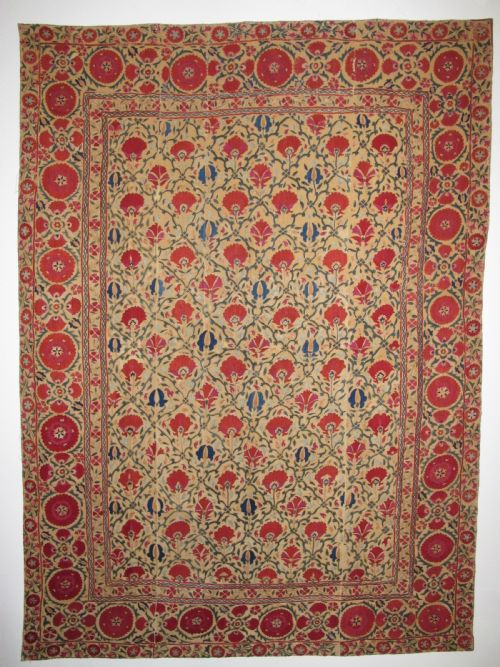
Ethnic Embroidered Panel
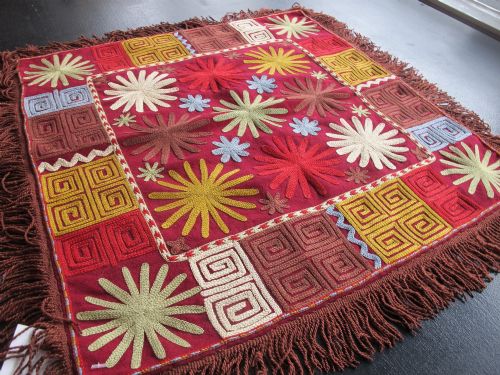
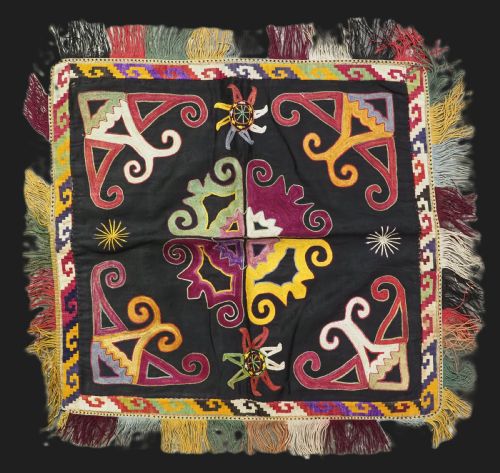
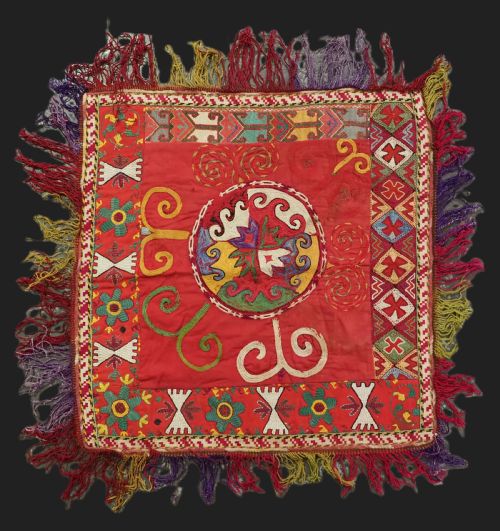
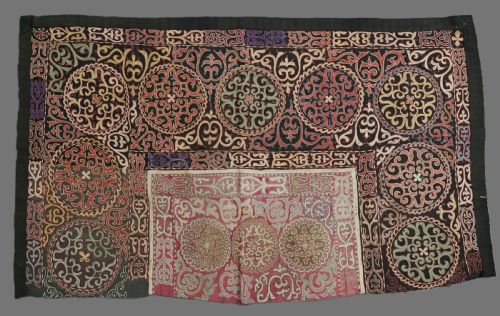
These ethnic embroidered panel works are textiles from Central Asian and Indian tribal traditions, offering rich colours and intricate needlework for display.
Ethnic Embroidered Panel
An ethnic embroidered panel brings vibrant Central Asian and Indian tribal traditions straight onto a wall, functioning as a striking focal point in a room. When you examine this selection, you encounter wall hangings, dowry embroideries, and decorative textiles created across the nineteenth and early twentieth centuries.
The objects stem predominantly from Uzbek, Lakai, Kyrgyz, and Banjara cultures, spanning regions from Shakrisabz to broader Central Asia. Typical forms include ilgich, torba ilgich, tush kyiz, prayer suzani, and nim suzani, serving originally as domestic or ceremonial furnishings.
The pieces you meet most frequently on this page date from the late nineteenth century up through the nineteen-twenties. They provide a direct tangible connection to nomadic and tribal needlework traditions of the era.
What varies in quality
The standard of an ethnic embroidered panel rests heavily on the density and precision of the needlework itself. Finer examples display meticulous stitch control and complex compositional arrangements that mark out superior artisan skill.
Material preservation also defines the tier of a piece, with intact grounds and vibrant, stable threads commanding greater attention. The intricacy of the tribal design and the clarity of regional motifs further distinguish the higher end of the selection.
Listings span the nineteenth and early twentieth centuries, centring heavily on works from eighteen-eighty through nineteen-twenty.
The Ethnic Embroidered Panel Glossary
- Ilgich
- A Central Asian hanging embroidery, often produced as part of a dowry. These pieces were traditionally utilised to decorate yurt or house interiors.
- Suzani
- A type of embroidered textile originating from Central Asia, usually worked in silk thread on a cotton or linen ground. They function primarily as wall hangings or decorative covers.
- Tush kyiz
- A large, elaborately embroidered wall hanging made by Kyrgyz nomadic women to commemorate the marriage of a son or daughter. They feature symbolic flora and fauna motifs.
- Torba
- A traditional bag or hanging panel associated with Turkmen and Uzbek tribal groups. They often display geometric patterns worked in wool or silk.
- Banjara
- A nomadic community from India known for distinctive textile traditions involving vibrant embroidery, mirrors, and beadwork. Their work holds a prominent place in tribal craft history.
Ethnic Embroidered Panel: Frequently Asked Questions
How do I hang an ethnic embroidered panel safely?
Mount the textile using a non-damaging method that distributes the weight evenly across the top edge. A sleeve can be gently stitched to the reverse to slide a slim wooden rod through for support.
Keep the piece away from direct sunlight to protect the natural silk and cotton threads from fading over time. Ensure the wall surface behind the textile remains dry and well-ventilated.
What is the difference between a suzani and an ilgich?
A suzani is typically a large embroidered wall hanging or cover featuring bold floral and botanical layouts. They were worked collectively by women in domestic workshops.
An ilgich is specifically associated with dowry production and tribal contexts such as the Lakai Uzbeks, often displaying distinct geometric and amuletic motifs. Both share similar silk-on-cotton techniques but serve different traditional roles.
How should I clean my antique textile?
Avoid washing antique embroidered panels at home, as water can cause natural dyes to bleed and fragile historical threads to disintegrate. Surface dust should be removed only by very gentle, low-suction vacuuming through a protective mesh screen.
Consult a professional textile conservator if deeper cleaning becomes necessary. Mechanical agitation and chemical detergents will ruin the historic fibres.
How do I identify a Kyrgyz tush kyiz?
A Kyrgyz tush kyiz is distinguished by its large scale and dense symbolic embroidery commemorating a wedding. They frequently incorporate felted elements alongside cross-stitch and satin-stitch needlework.
Look for traditional motifs representing regional flora, fauna, and domestic life unique to Kyrgyz nomadic culture. These elements separate them from Uzbek suzanis or tribal ilgich panels.