



Antique Yomut Rug
An antique yomut rug brings the rich nomadic heritage of the Trans-Caspian steppes into a home through distinctive geometric guls and deep red tones.
Antique Yomut Rug
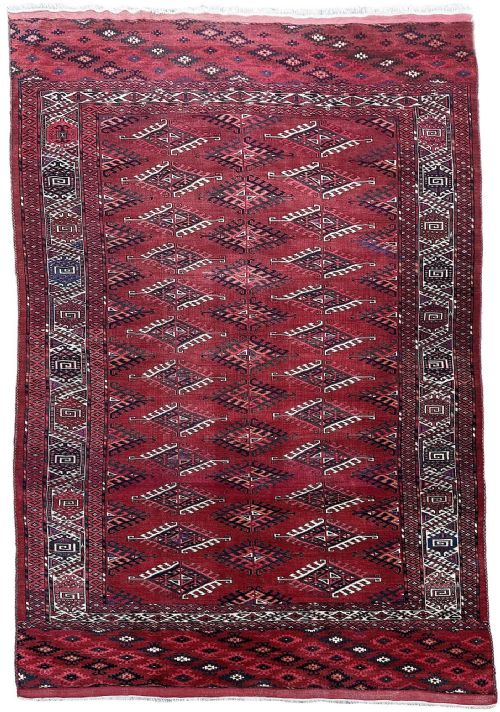
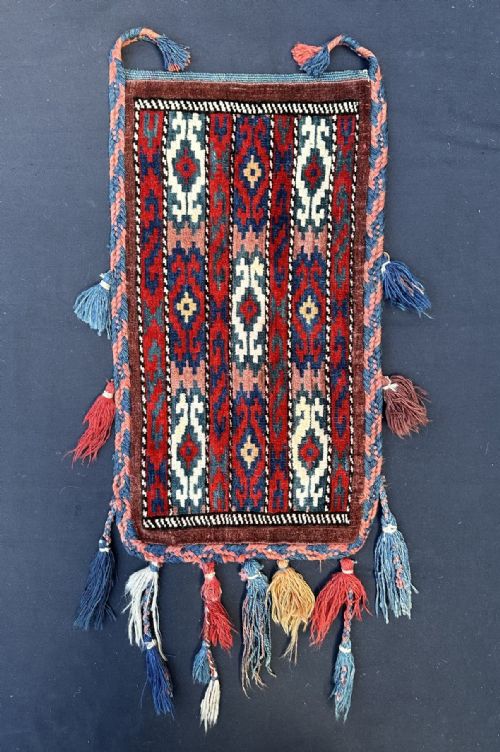
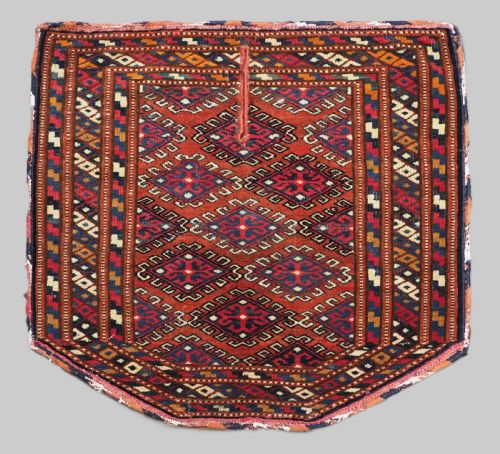
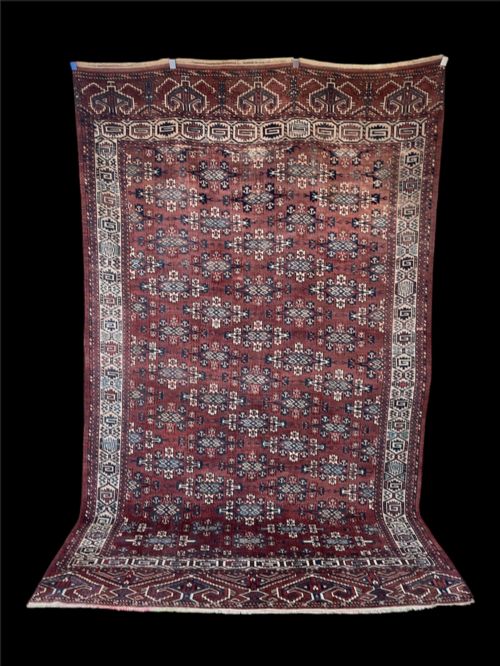
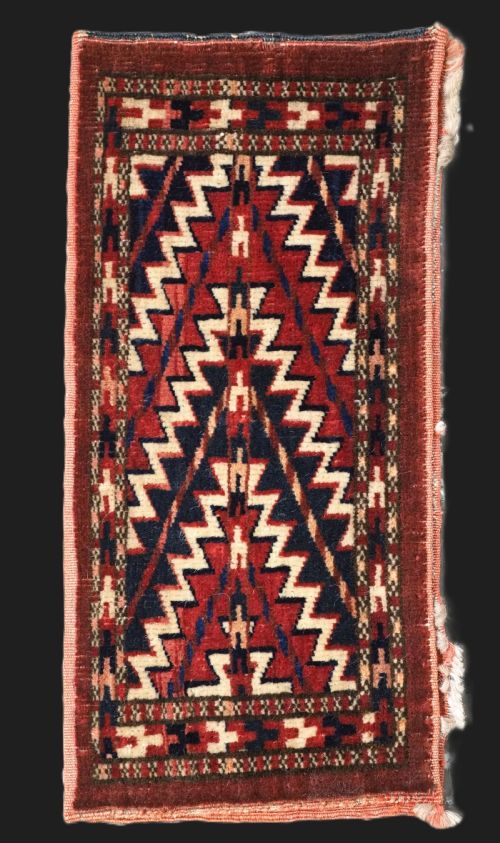
Collectors seeking an antique yomut rug explore tribal textiles originating from the nomadic weavers of the Trans-Caspian steppes and Central Asia. These works encompass large main carpets, smaller scatter rugs, and utilitarian forms like tent-bands, torbas, and chuvals.
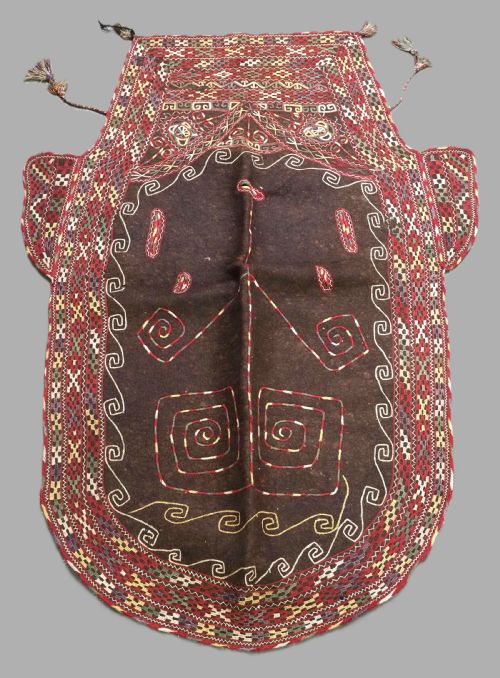
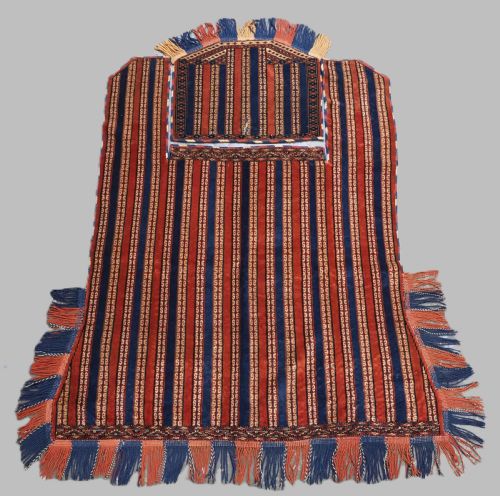
The pieces available on this page date predominantly from the nineteenth and early twentieth centuries, spanning periods from the eighteen-sixties through to nineteen-thirty. Alongside floor rugs, buyers frequently encounter ceremonial horse covers, asmalyks, spindle-bags, and tent-door hangings known as ensis.
The tribal identity is defined by Turkmen traditions, specifically reflecting the aesthetic vocabulary of the Yomut tribe. These textiles served both daily domestic functions within tribal life and important ceremonial roles during weddings and communal gatherings.
Materials and construction methods
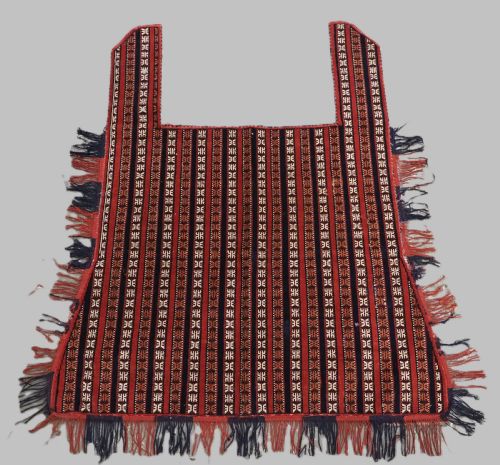
Weavers utilised natural materials, relying primarily on hand-spun wool for the pile and foundation, supplemented by cotton thread and occasionally silk thread for specific structural or decorative details. Felted wool also appears in specialised ceremonial items such as horse blankets.
Natural dyes produced the characteristic palette of soft reds, deep blues, and warm earth tones found across these nomad-made textiles. Construction techniques range from dense pile knotting to flatweave structures like soumak and banded kilim formats.
Antique Yomut Rug Retail Price Guide 2026
Typical asking prices for yomut rug among the pieces listed under this phrase on Sellingantiques today, from the lower quarter to the upper quarter. They describe what is for sale here now, not the wider market.
Current listings feature pieces spanning the late nineteenth century through to nineteen-thirty, utilising hand-spun wool, cotton, and natural dyes.
Factors influencing quality and desirability
The distinction between standard examples and the finest pieces rests upon the crispness of the tribal motifs, the depth and nuance of the natural dye palette, and the overall integrity of the weave. Format rarity also plays a significant role, with specialised ceremonial items and complete storage bags commanding particular attention from seasoned collectors.
Condition and completeness heavily influence desirability, particularly when original flatweave backs, long kilim ends, or intact side cords survive alongside the main textile face. Finer knot density and balanced proportions within major gul designs separate everyday utility pieces from master-weaver productions.
The Antique Yomut Rug Glossary
- Gul
- A primary octagonal medallion or motif repeated across Turkmen carpets, symbolising tribal identity and lineage. Each sub-tribe utilised distinct geometric variants.
- Asmalyk
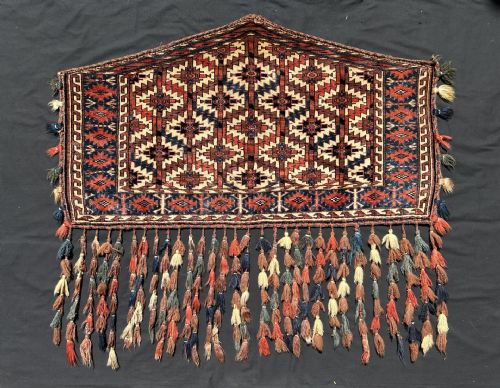
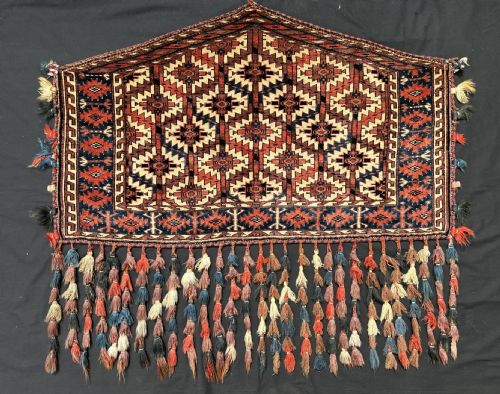
- A pentagonal trapping traditionally hung on the flanks of a camel during Yomut wedding processions. These decorative pieces display intricate tribal symbolism.
- Chuval
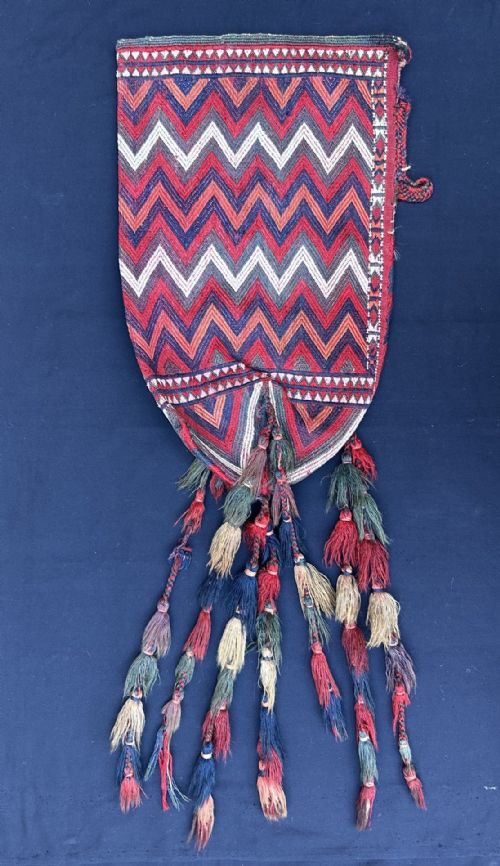
- A large tent storage bag used by nomadic families for domestic belongings. They feature expressive field designs and terminate in flatweave backs.
- Ensi
- A tribal rug functioning as a tent door hanging, distinguished by a candelabra or cross-quartered field layout. They mark the threshold of the nomadic dwelling.
- Torba
- A smaller utility storage bag used within the yurt for personal possessions. They often showcase principal gul patterns executed in rich wool pile.
- Soumak
- A wrap-weft flatweave technique producing a sturdy textile without a cut pile surface. This method creates crisp geometric lines and textured surfaces.
Antique Yomut Rug: Frequently Asked Questions
How were these rugs used?
Nomadic families utilised these woven textiles for diverse domestic and ceremonial purposes inside and outside the yurt. Larger carpets served as floor coverings, while smaller bags stored household provisions.
Specialised pieces like asmalyks and horse blankets fulfilled ceremonial functions during tribal weddings and festive processions across the steppes.
How do I care for an antique rug?
Gentle vacuuming without a rotating beater bar prevents dust accumulation while protecting the delicate wool pile and flatweave ends. Professional textile conservation cleaning ensures natural fibres retain their strength.
Keep the textile away from direct sunlight to preserve the organic dye colours over decades of display.
How can I tell the age?
Dating relies on assessing the wool quality, the chemical composition of natural dyes, and the structural characteristics of the weave foundation. Nineteenth-century examples typically display softer hand-spun wool and more nuanced colour fading.
Structural formats, design asymmetry, and the presence of natural wear patterns further guide collectors in determining the period of origin.