


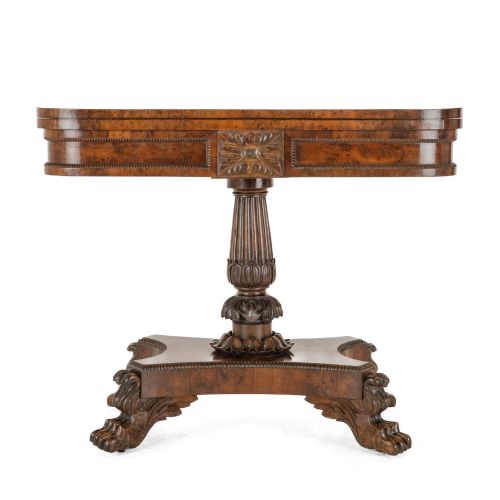

Antique Yew Table
An antique yew table offers rich, figured grain and deep honey warmth, grounding a room with centuries of English cabinet-making heritage.
Antique Yew Table
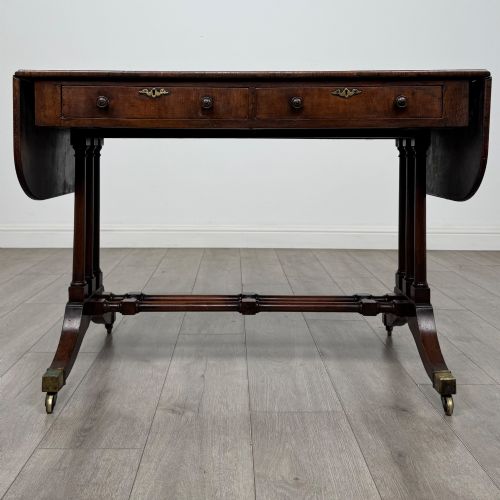
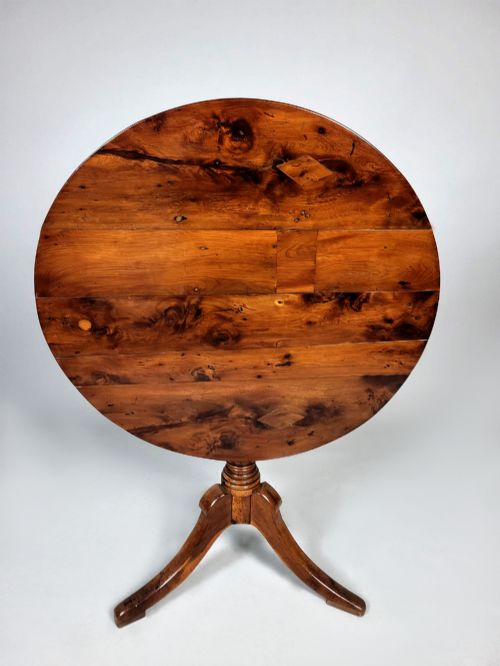
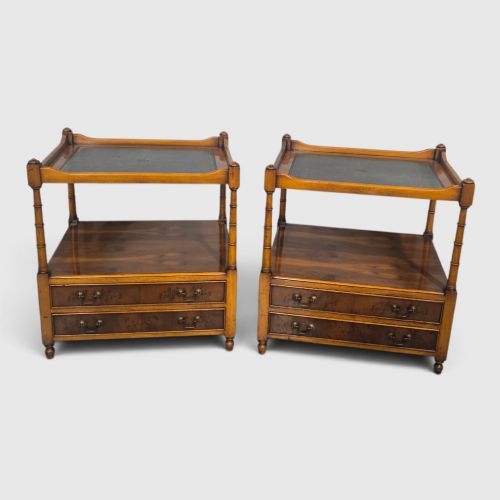
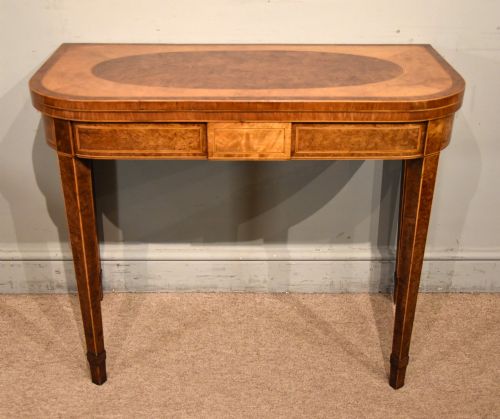
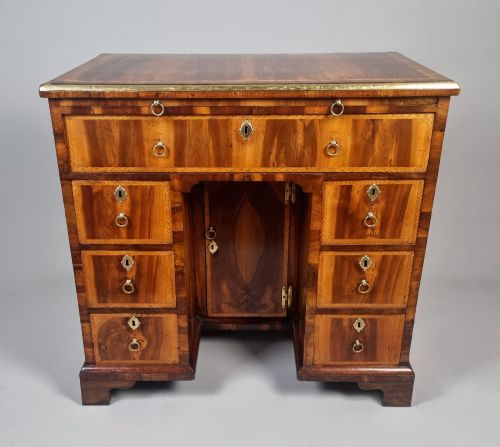
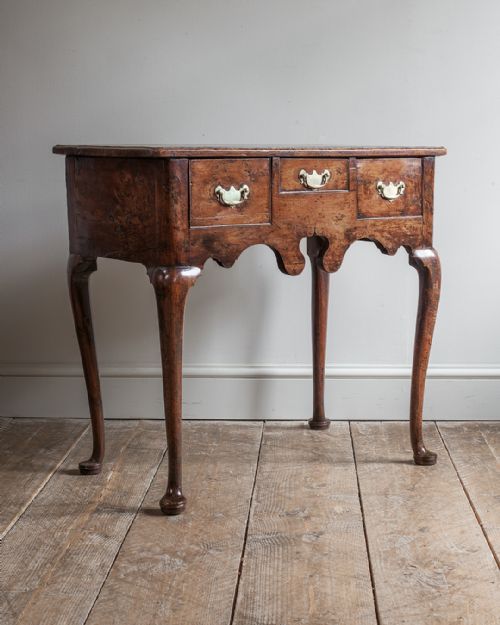
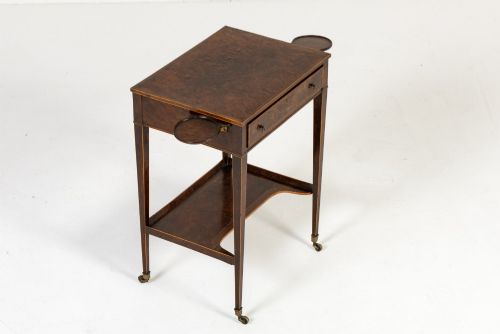
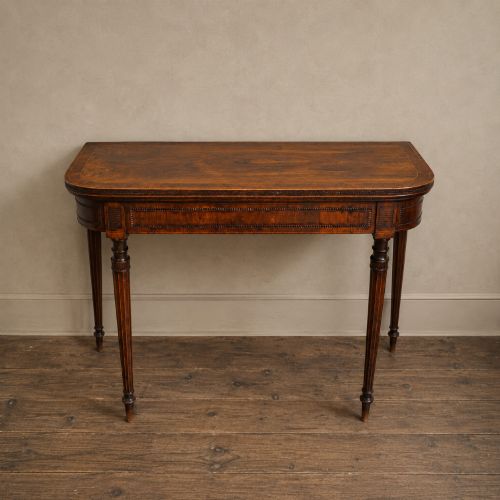
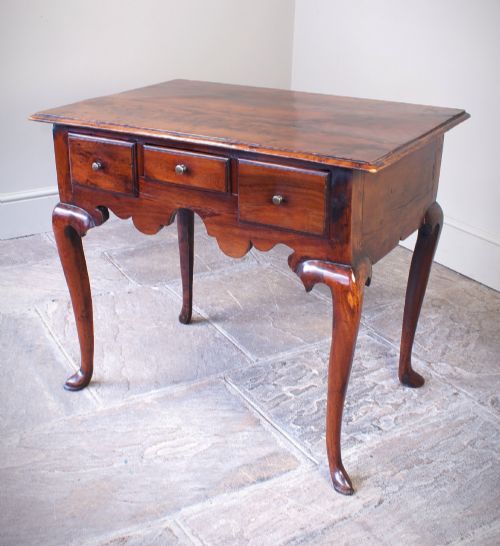
The antique yew table appears in forms ranging from compact wine tables and tripod occasional pieces to substantial Georgian card tables, lowboys, and centre tables.
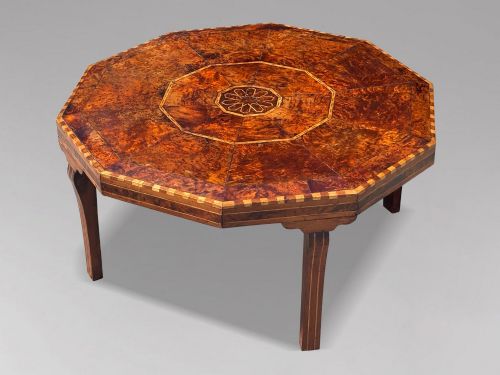
Makers utilised solid yew timber as well as striking burr yew veneers, frequently pairing the wood with elm, oak, or mahogany across the eighteenth and nineteenth centuries.
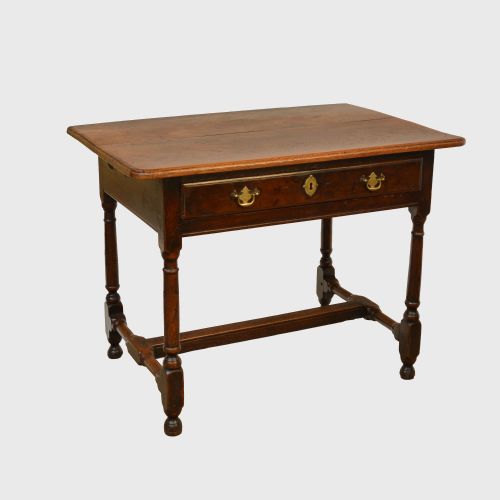
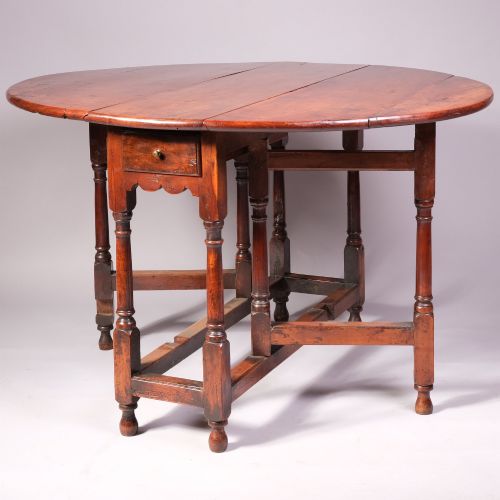
Buyers will encounter formal George III and Regency designs alongside rustic English country pieces, gateleg tables, and later revival styles.
Materials and Technique
Cabinet-makers selected yew for its dense, highly figured grain, often slicing it into thin burr veneers or oyster veneers to display the swirling patterns across table tops.
Primary timber frames of oak, elm, or mahogany provide structural stability, while brass castors, hinges, and original brasses finish the construction of finer folding card tables and writing desks.
Antique Yew Table Retail Price Guide 2026
Typical asking prices for yew table among the pieces listed under this phrase on Sellingantiques today, from the lower quarter to the upper quarter. They describe what is for sale here now, not the wider market.
Yew trees were historically planted in churchyards to supply archers with durable wood for longbows before finding their way into parlours as fine furniture.
Grading Quality
Quality rests upon the drama of the burr yew figuring, the crispness of crossbanding, and the integrity of the underlying cabinet work rather than mere age alone.
Pieces retaining original brass fittings, undisturbed patination, and uncompromised timber surfaces command greater regard from collectors than heavily restored examples.
Egan Workshop·George Bullock
The Antique Yew Table Glossary
- Burr yew
- A growth deformity in the tree producing tightly clustered, swirling eyes and knots in the wood grain that cabinet-makers slice into decorative veneers.
- Crossbanding
- A narrow strip of veneer laid perpendicularly around the border of a table top to frame the central grain.
- Lowboy
- A small seventeenth or eighteenth century dressing table or side table featuring a low set of drawers.
- Tripod table
- A small occasional or wine table supported by a single central pillar resting on three spreading legs.
- Oyster veneer
- Circular slices cut transversely from small branches or roots, resembling the shape and pattern of oyster shells.
Antique Yew Table: Frequently Asked Questions
How do I care for an antique yew table?
Keep the timber away from direct heat sources and strong sunlight to prevent the yew veneers from drying out or splitting over time.
Apply a traditional beeswax polish occasionally and buff gently with a soft cloth to maintain the natural lustre of the wood.
Are these tables made of solid yew?
Many smaller forms like wine tables and side tables utilise solid yew timber, particularly in earlier country pieces.
Larger surfaces such as card tables and coffee tables are more commonly constructed with decorative burr yew veneers laid over secondary woods like oak or mahogany.
How do I distinguish George III yew tables from later revivals?
Look closely at the construction methods, secondary timbers, and handling of the drawer linings, which reveal eighteenth-century workshop practices.
Nineteenth-century Regency revival pieces often display machine-sawn components and brighter, more uniform factory finishes.
Where were most antique yew tables made?
The majority originate from English workshops, where yew grew widely in woodland regions and country estates.
Irish makers also produced notable exhibition-quality pieces, particularly utilising Killarney marquetry inlay.