

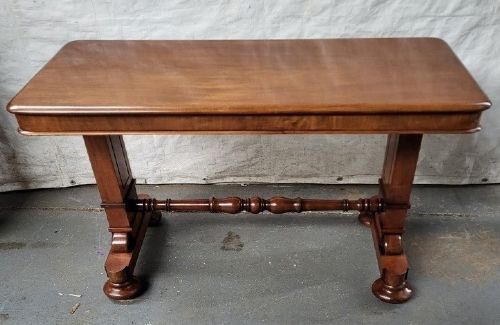
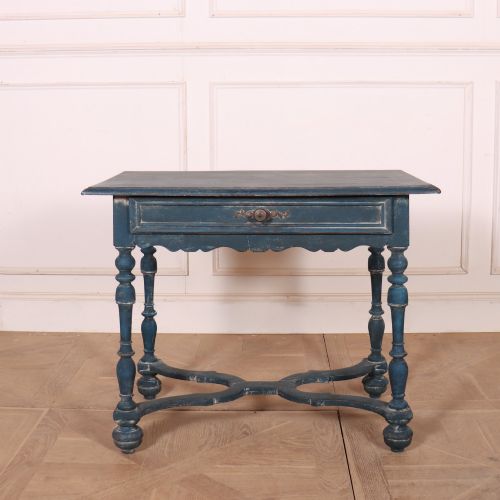
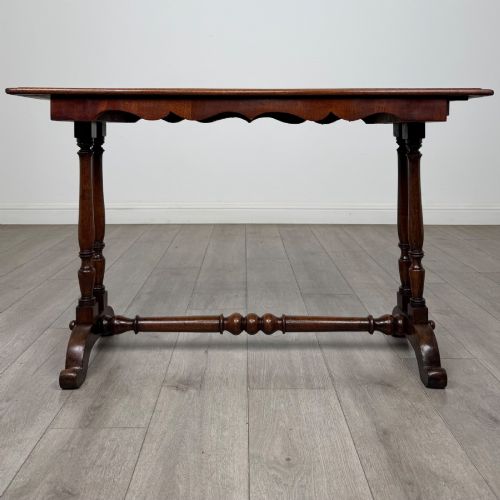
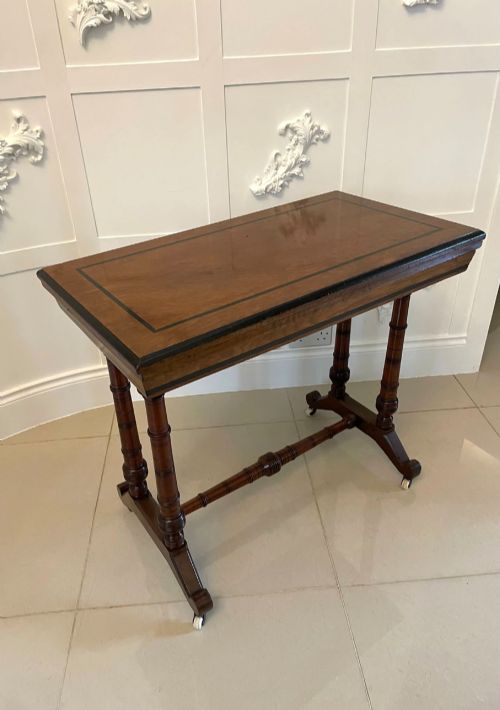
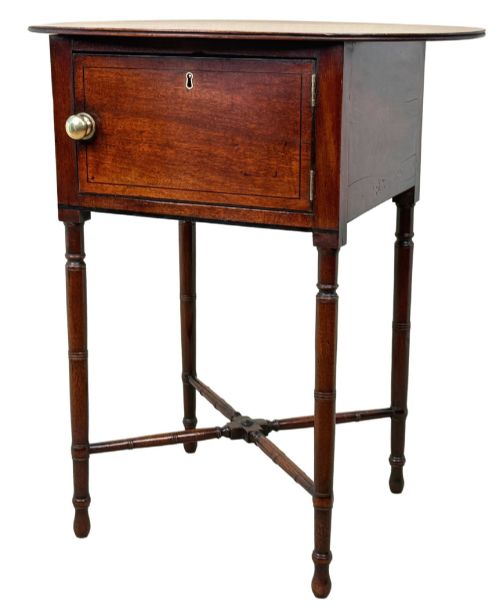
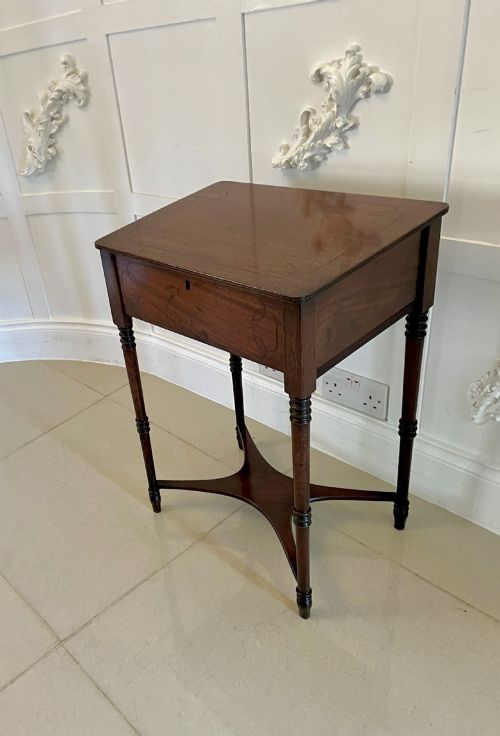
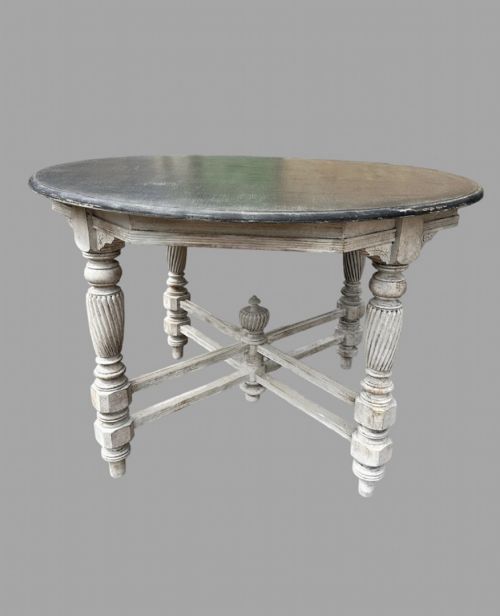
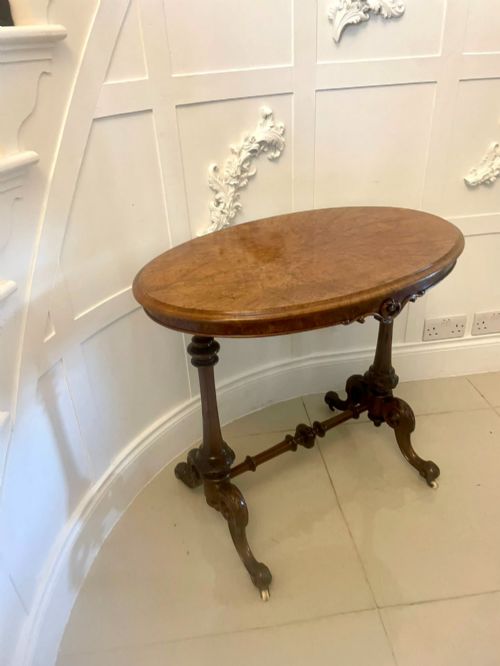

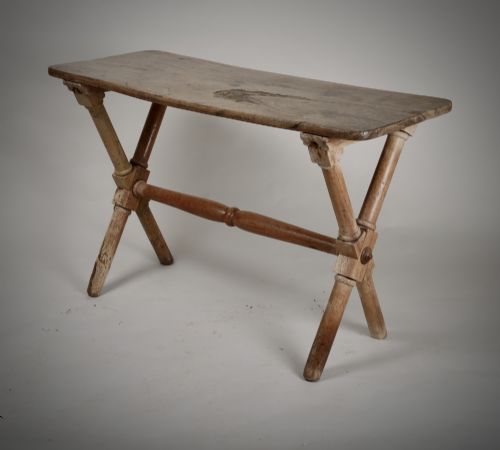
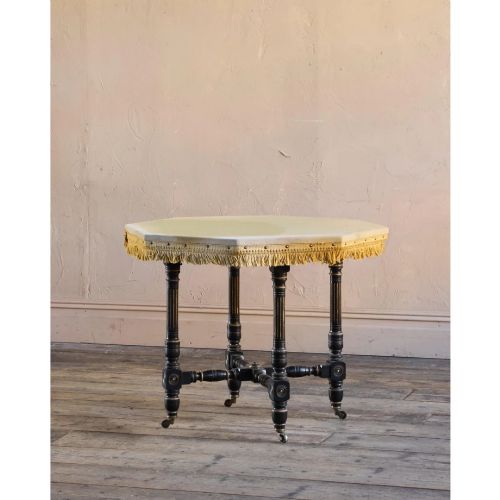
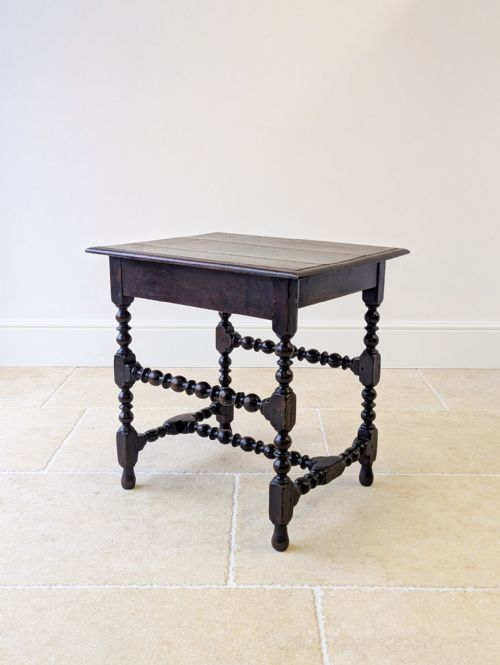
Turned Stretcher Side Table
A turned stretcher side table brings structural rhythm and robust timber to a room, offering practical surface space rooted in centuries of furniture design.
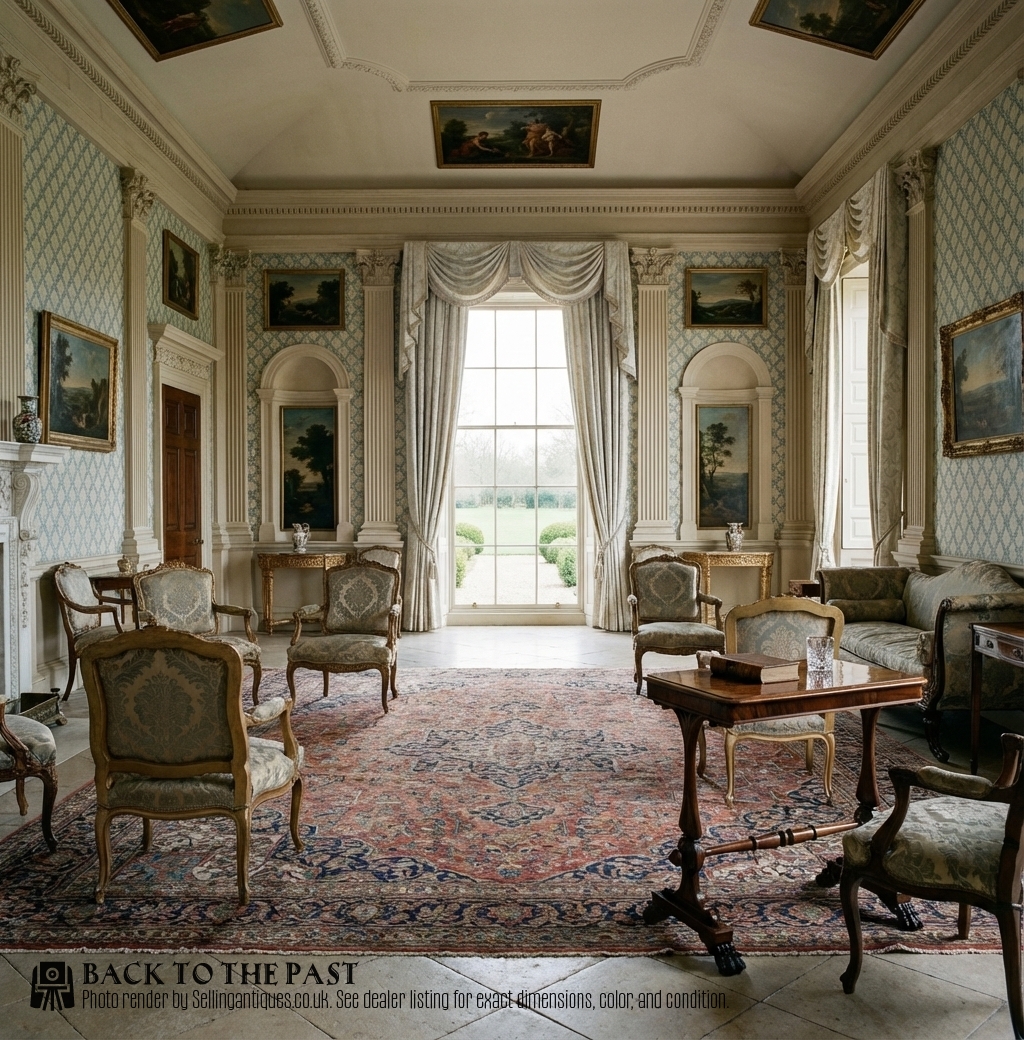
Turned Stretcher Side Table
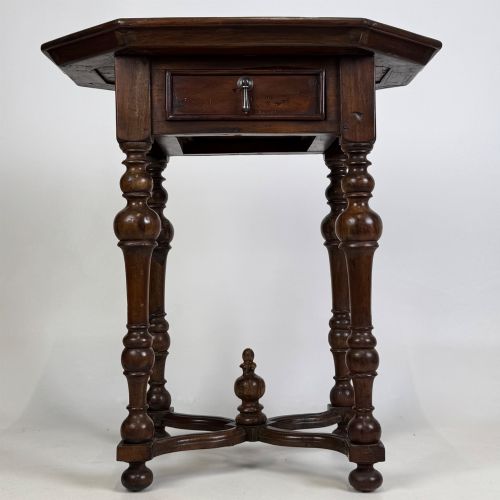
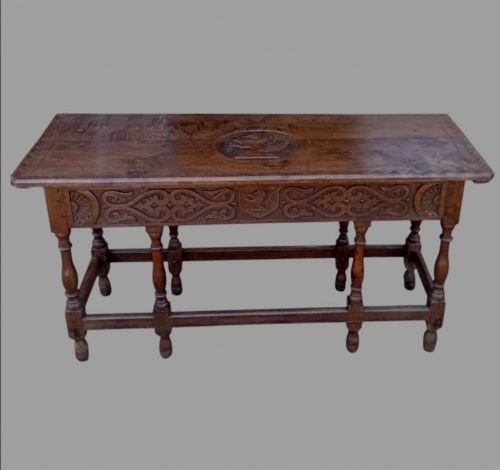
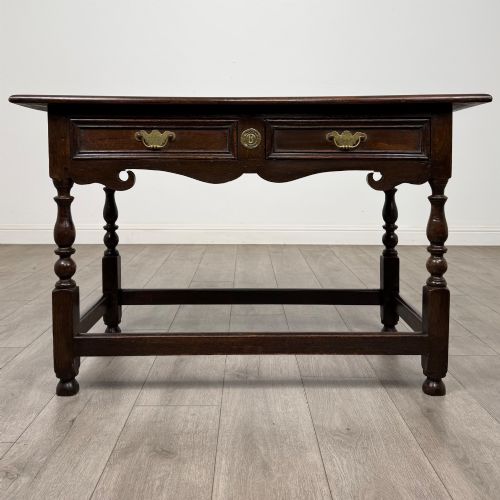
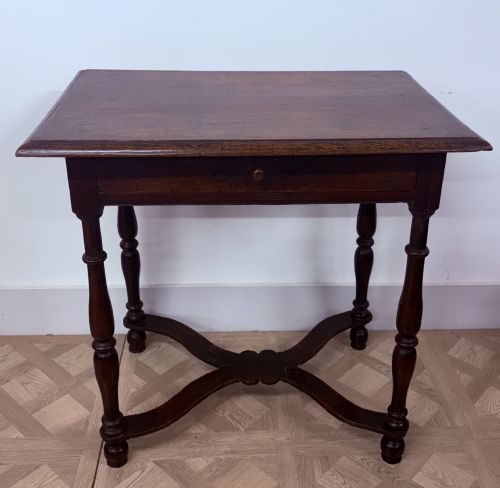
A turned stretcher side table serves as a functional surface defined by its lower bracing connecting the legs, appearing primarily in oak, walnut, and mahogany. These pieces span centuries of craftsmanship, connecting early regional workshops to later revival periods through shared architectural forms.
Buyers encountering this category frequently meet oak examples from the seventeenth and eighteenth centuries, alongside mahogany and walnut iterations from the Georgian and Victorian eras. The core utility remains consistent across these periods, functioning as side tables, tavern tables, or occasional tables with or without drawers.
Materials and construction methods
Cabinetmakers utilised solid native timbers such as oak, elm, walnut, and fruitwood, often selecting denser woods to withstand the structural demands of stretchers. Joinery relied on traditional mortise and tenon joints to secure the framework, ensuring the under-framing braced the uprights effectively.
The characteristic turned components, including bobbin, barley twist, and spool variations, were shaped on lathes before being integrated into the leg and stretcher assemblies. Secondary woods appeared in drawer linings and internal framing, while surface finishes relied on traditional wax or oil applications that developed patination over time.
Turned Stretcher Side Table Retail Price Guide 2026
Typical asking prices for turned stretcher side table among the pieces listed under this phrase on Sellingantiques today, from the lower quarter to the upper quarter. They describe what is for sale here now, not the wider market.
Early turners utilised simple lathe setups powered by foot treadles, occasionally leaving chatter marks that confirm hand-carved origins.
Factors influencing quality
Quality rests in the harmony of proportion between the top and the supporting turned frame, alongside the crispness and depth of the lathe work on the stretchers. Superior examples display thoughtful timber selection, such as figured walnut or quarter-sawn oak, where the grain enhances the architectural lines.
Integrity of construction separates finer pieces, particularly where stretchers meet the legs with tight joinery and minimal structural movement. The depth of the surface finish and the preservation of original timber surfaces contribute significantly to the standing of an individual table.
Hindley & Sons·Gillows
The Turned Stretcher Side Table Glossary
- Stretcher
- A horizontal timber connecting the legs of a table to provide structural stability. These components often feature decorative turning.
- Bobbin-turned
- A style of woodturning characterised by a series of rounded, spool-like shapes resembling bobbins on a thread. This technique is prominent on seventeenth-century frames.
- Lowboy
- A small seventeenth or eighteenth-century table with one or more drawers and long legs, frequently supported by stretchers. They served various domestic functions including dressing or writing.
- Quarter-sawn
- A method of milling logs radially to the growth rings, producing stable boards with distinctive medullary ray figuring. This cut appears frequently in better oak furniture.
- Barley twist
- A helical turning technique resembling a twisted rope, carved or lathed into table legs and stretchers. It gained popularity during the seventeenth century and later revival periods.
Turned Stretcher Side Table: Frequently Asked Questions
What is a turned stretcher?
A turned stretcher is a horizontal wooden brace running between the legs near the floor, shaped on a lathe into decorative profiles like bobbins or twists. It strengthens the table frame while adding visual detail.
Historically, these stretchers kept table legs from bowing outward under heavy loads and protected them from damp rushes or stone floors.
How do I date an oak table?
Dating relies on examining construction marks, timber species, joint types, and the style of the turning on the legs and stretchers. Early pieces often show hand-riven timber and pegged mortise joints.
Later revival pieces replicate these seventeenth-century forms but usually exhibit machine precision, different secondary woods, or cleaner interior surfaces within any drawers.
Where should I place this table?
These tables suit hallways, living rooms, or dining spaces where their sturdy frames and compact proportions provide useful surface space. Their finished backs and sides allow them to stand freely away from walls.
Pairing an oak or walnut piece with complementary seating creates a practical spot for lamps, books, or decorative objects without dominating the room.
Are these tables sturdy?
The interconnected leg and stretcher design creates an inherently rigid structural framework capable of supporting daily use. The low bracing distributes weight effectively across the entire base.
Careful placement away from extreme temperature fluctuations preserves the integrity of the joints and keeps the timber stable over time.