



Traditional Wood Wine Table
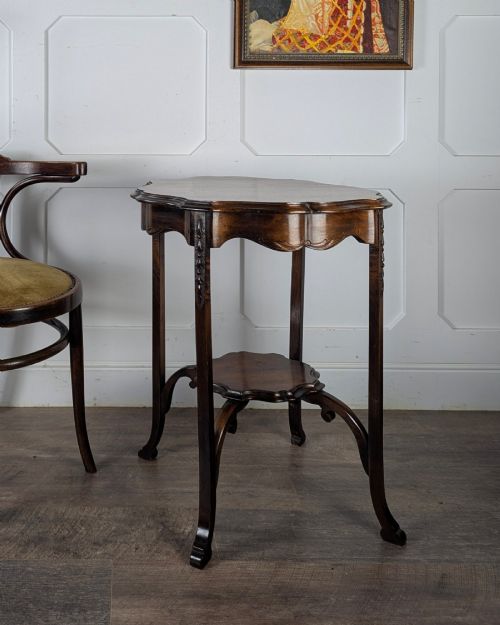
These traditional wood wine tables bring compact utility and period character to a room, offering a stable surface designed to hold glasses or small lamps beside a chair.
Traditional Wood Wine Table
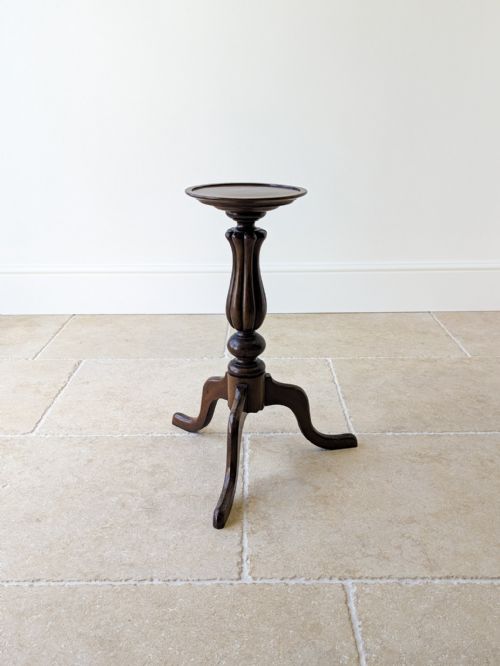
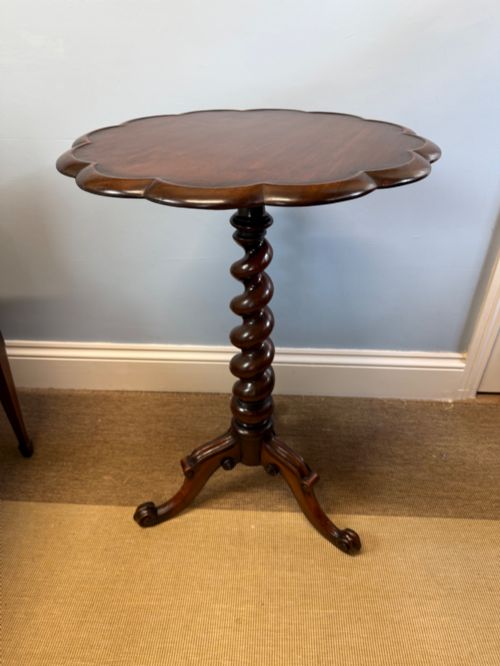
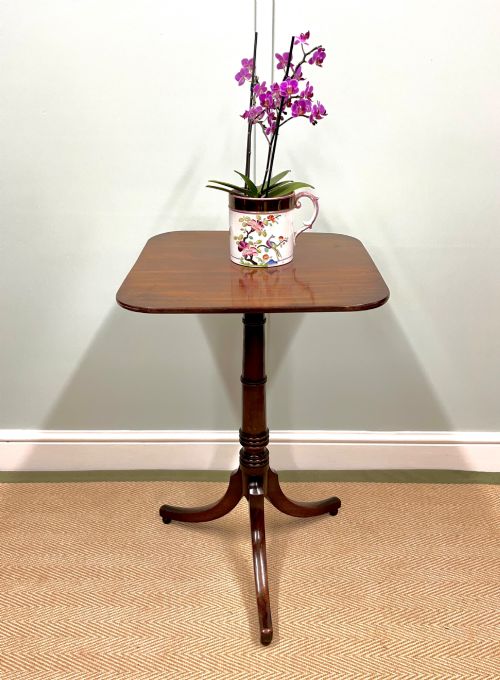
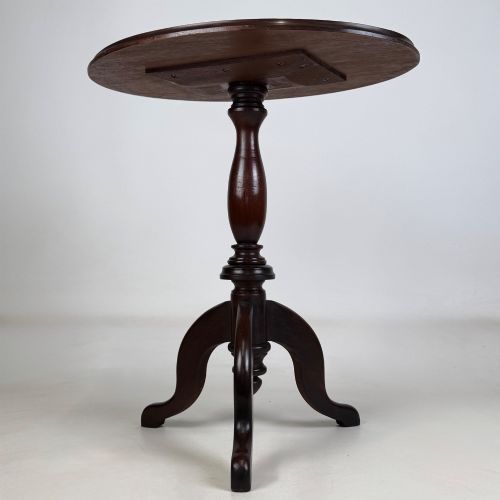
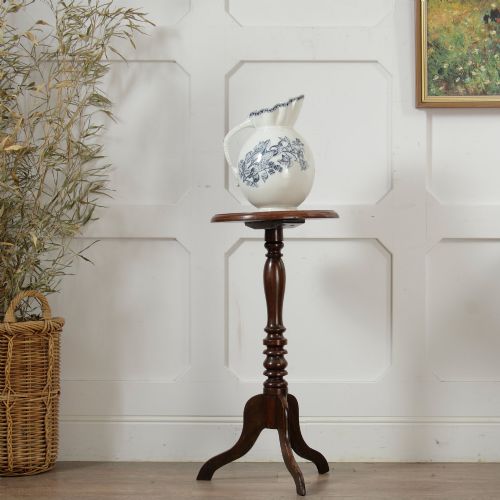
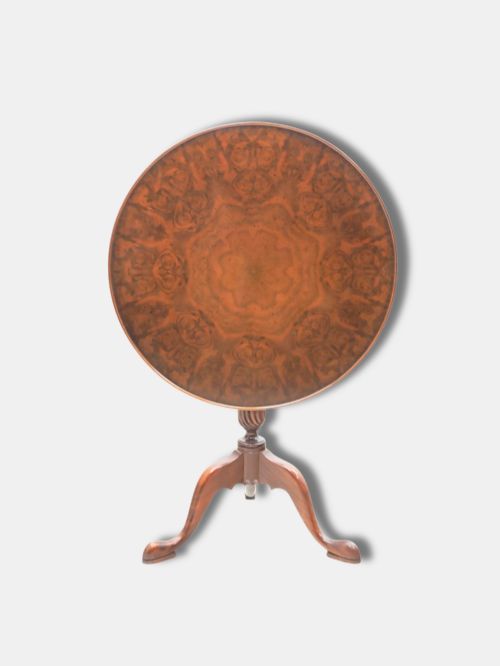
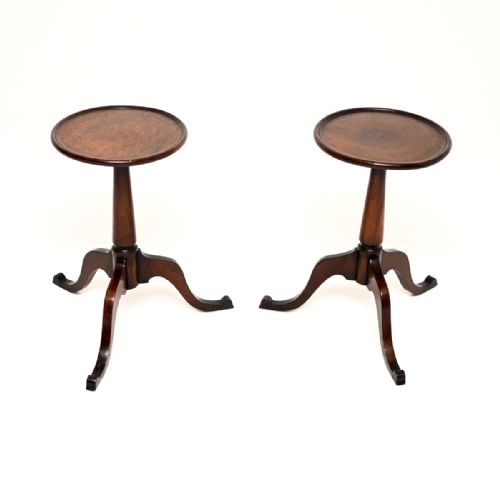
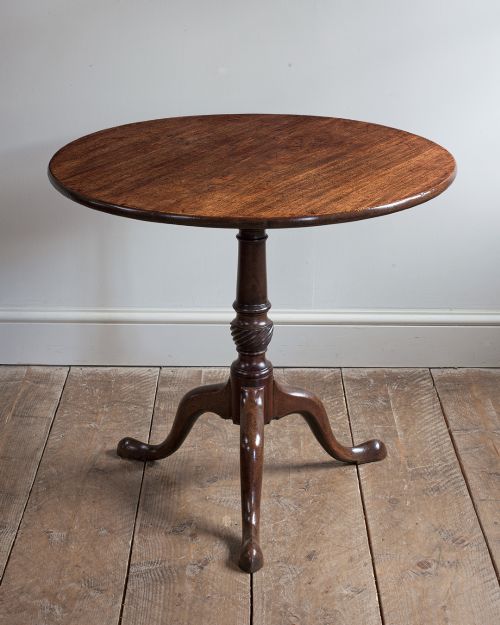
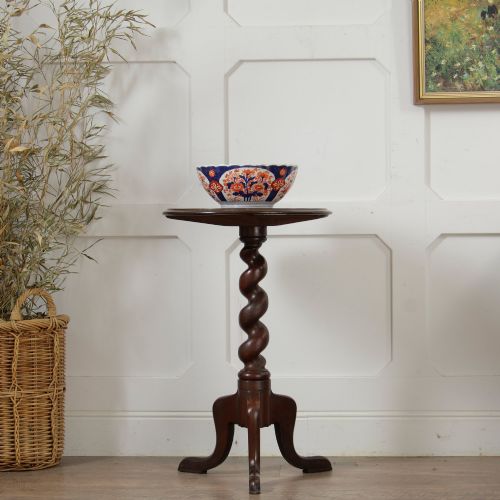
A traditional wood wine table serves as a portable and compact surface, often built with a central pedestal and tripod legs. The pieces found here span multiple periods, ranging from 18th-century Georgian examples to Victorian and Edwardian interpretations.
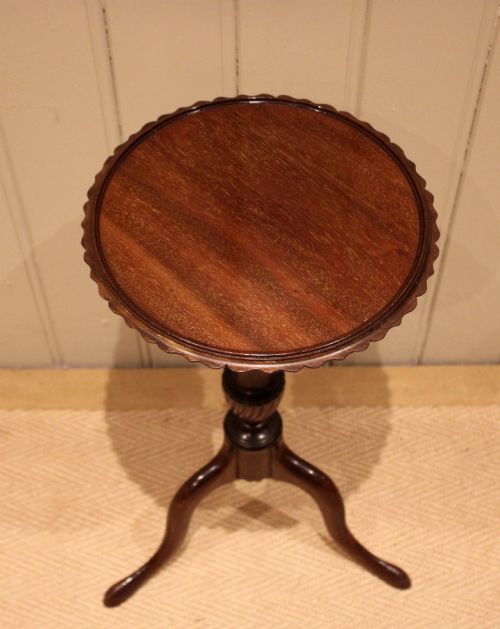
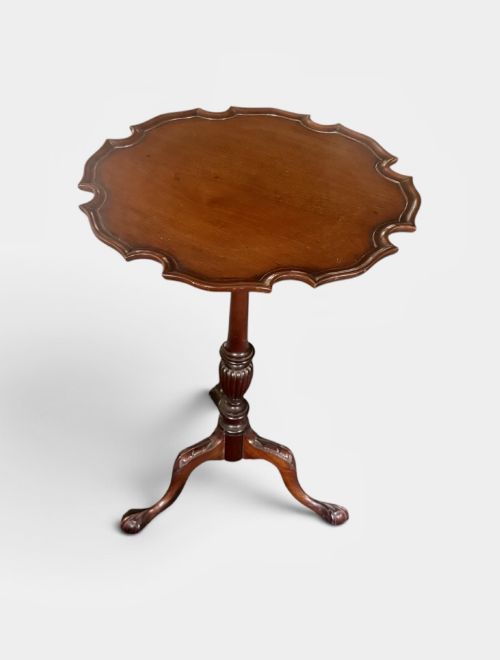
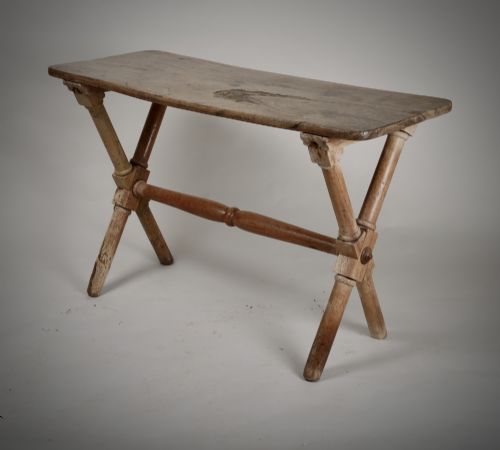
Mahogany forms the majority of the choices, though walnut, oak, elm, and ash appear across various regional styles and revival designs. Forms include tilt-top mechanisms, pie crust rims, and serpentine gallery edges intended to secure glassware.
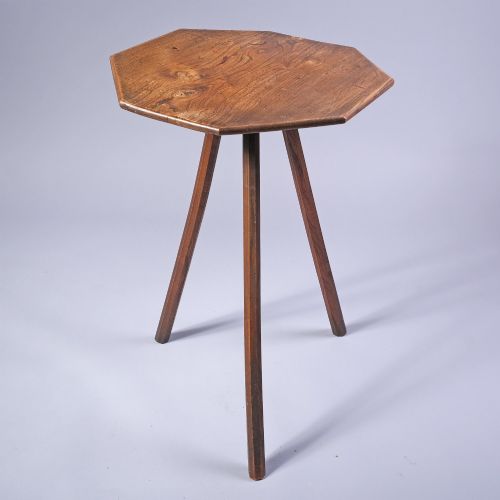
Buyers also encounter related formats such as occasional tables, kettle stands, and tavern tables. These variations provide a focused selection for placing beside seating areas or within smaller spaces.
Assessing Quality
Distinctions in quality rest upon the crispness of the timber carving and the stability of the central pedestal joint. Superior examples demonstrate thoughtful grain selection, particularly in mahogany or burr walnut tops, paired with balanced proportions across the tripod base.
Execution of secondary details, such as the shaping of a gallery rim or the seating of a tilt-top mechanism, separates standard utilitarian pieces from finer decorative iterations. The integrity of the original wood surfaces and the retention of period turning further distinguish the range.
Traditional Wood Wine Table Retail Price Guide 2026
Typical asking prices for traditional wood wine table among the pieces listed under this phrase on Sellingantiques today, from the lower quarter to the upper quarter. They describe what is for sale here now, not the wider market.
Some tilt-top tables were stored vertically against parlour walls like paintings when the floor needed to be cleared for evening dancing.
The Traditional Wood Wine Table Glossary
- Tripod table
- A small standalone table supported by a central pillar and three legs. This construction prevents wobbling on uneven historic floors.
- Tilt-top mechanism
- A hinge beneath the table surface allowing the top to pivot vertically. This allowed the table to be stored flat against a wall when not in use.
- Pie crust rim
- A raised, decoratively carved edge shaped around the perimeter of a tabletop. It prevents items from sliding off the surface.
- Serpentine gallery
- An undulating, raised wooden border fitted to the edge of a table. It provides both a decorative outline and practical containment for small objects.
- Treen
- Small handmade wooden domestic objects and utensils. Examples include turned wooden bottle stands and decanter coasters.
Traditional Wood Wine Table: Frequently Asked Questions
What is a traditional wood wine table used for?
These tables provide a small, movable surface designed originally to hold wine glasses or bottles near seating areas. Today they function well as compact lamp tables or display surfaces in tighter spaces.
Their lightweight construction allows them to be repositioned easily around a room as needed for daily use.
How do I identify a Georgian wine table?
Georgian pieces typically display restrained classical proportions, featuring fine mahogany timbers and precise turning on the central pillar. Look for traditional tripod bases and subtle details like pie crust edges.
Later revival pieces often imitate these characteristics, so examining the wood ageing and construction methods helps clarify the period.
Where should I place a tripod table?
A tripod table fits comfortably beside an armchair, sofa, or in an empty corner that requires a small accent piece. Their compact footprints make them ideal for narrow spaces where larger furniture would crowd the room.
Keep them away from direct heat sources to protect the solid wood and veneer surfaces.
What woods are common in these tables?
Mahogany is the primary material seen across these listings, prized for its strength and rich grain. Walnut, oak, elm, and ash also appear frequently in various regional and period styles.
Each timber brings a distinct colour and texture, influencing the overall character of the piece.