



Antique Yellow Pottery
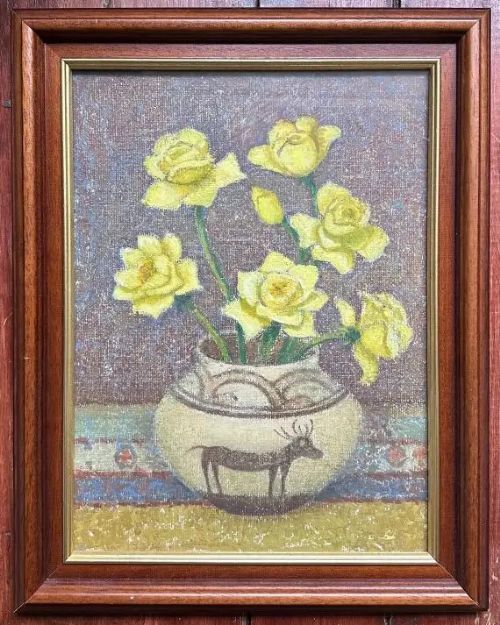
Antique yellow pottery brings warmth and character to a room through centuries of glazed earthenware and vibrant ceramic forms.
Antique Yellow Pottery
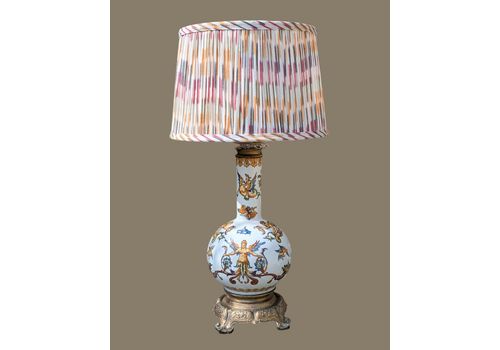
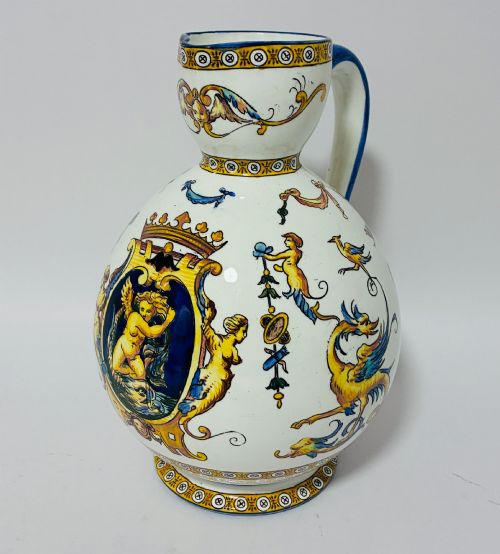
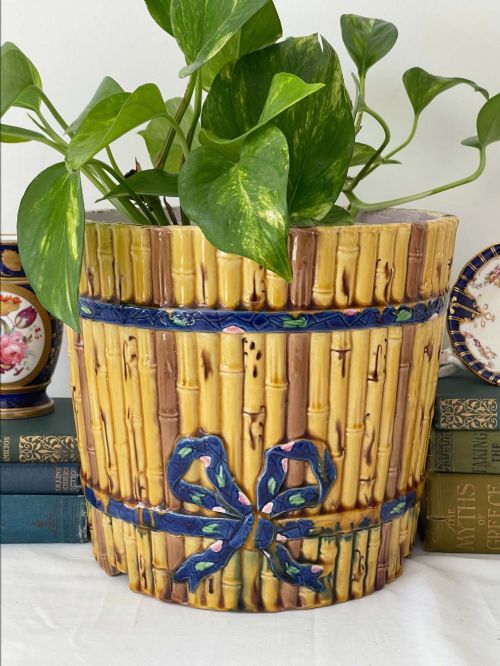
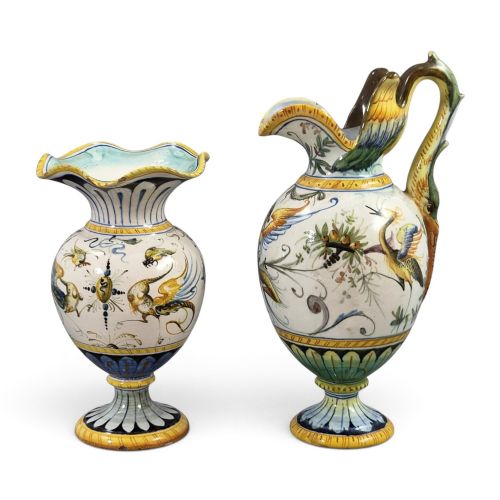
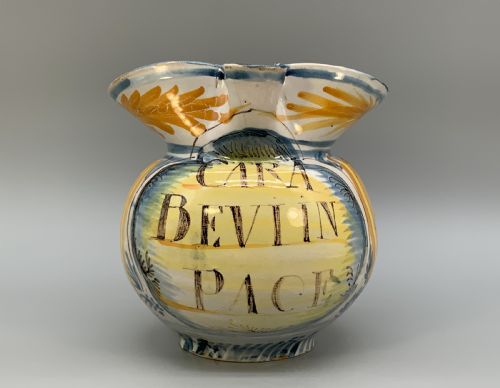
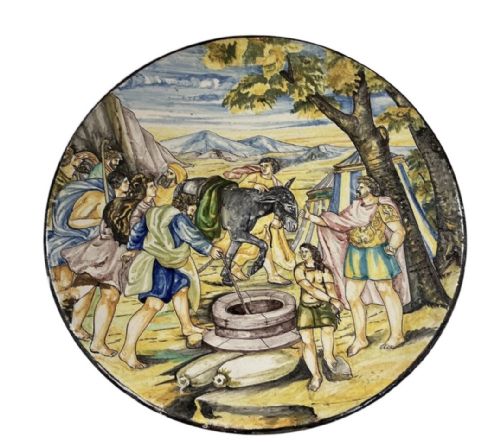
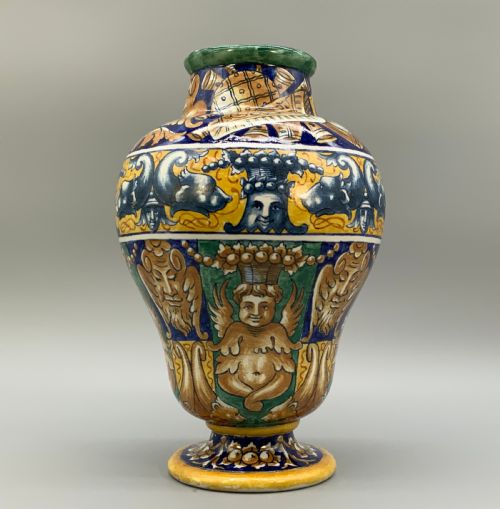
When you search for antique yellow pottery, you encounter a diverse range of vessels, chargers, and figures spanning from the seventeenth century through to the art deco period. These items include apothecary jars, majolica ewers, confit pots, and tableware originating from British, French, Italian, and Dutch potteries.
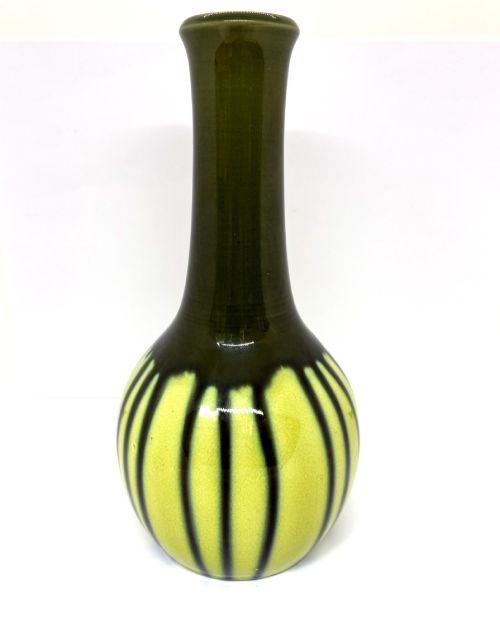
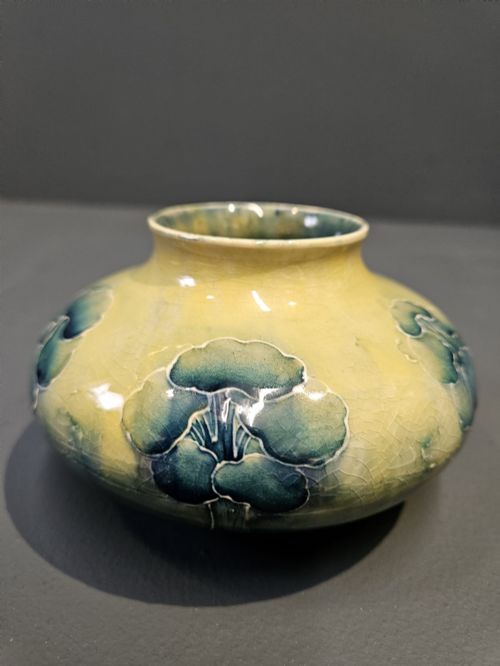
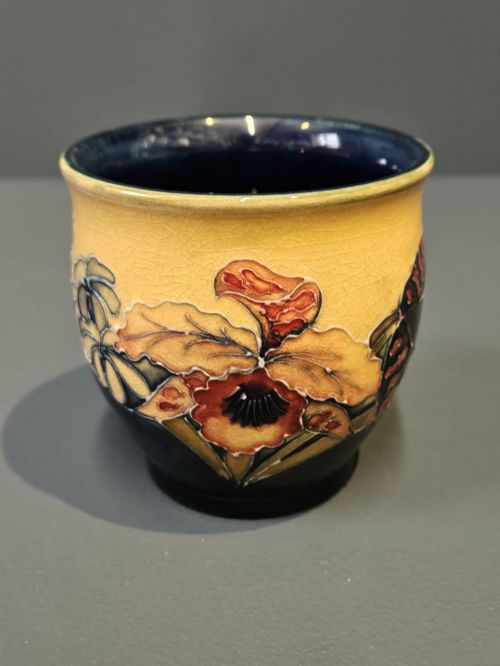
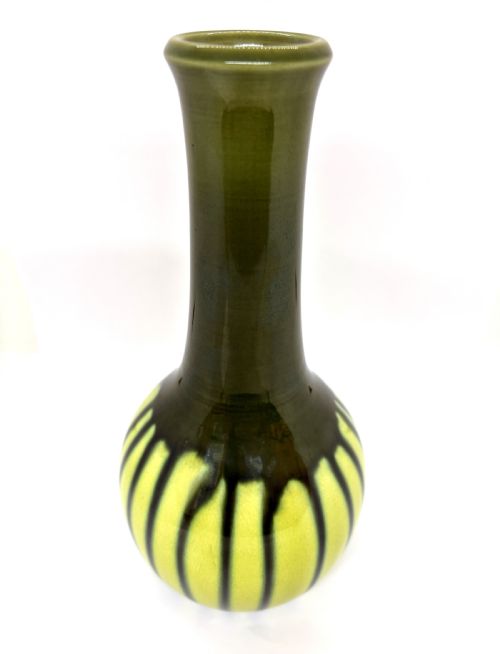
The pieces on this page most commonly appear in nineteenth-century earthenware and tin-glazed formats, often combining bright yellow grounds with polychrome painted decoration or tactile drip glazes. Collectors find everything from Staffordshire figures and Moorcroft vases to pharmacy wet drug jars and commemorative plaques.
How they were made
Potters shaped local clays into utilitarian and decorative forms on the wheel or pressed them into moulds before applying foundational tin, lead, or salt glazes. The distinct yellow coloration typically relies on careful firing temperatures and mineral oxides integrated into the liquid glaze or painted directly onto the clay body.
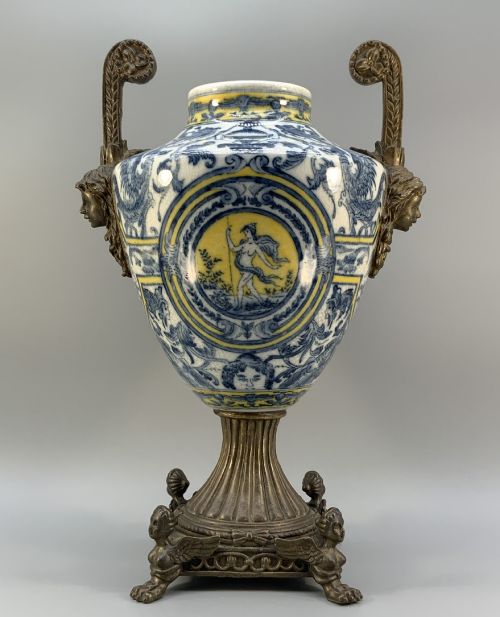
Makers often enhanced their ceramic bodies with hand-painted enamel designs, slip trailing, or intricate relief mouldings, sometimes incorporating bronze mounts or specialised patent finishes like those seen on Doulton Lambeth and Majolica wares.
Antique Yellow Pottery Retail Price Guide 2026
Typical asking prices for yellow pottery among the pieces listed under this phrase on Sellingantiques today, from the lower quarter to the upper quarter. They describe what is for sale here now, not the wider market.
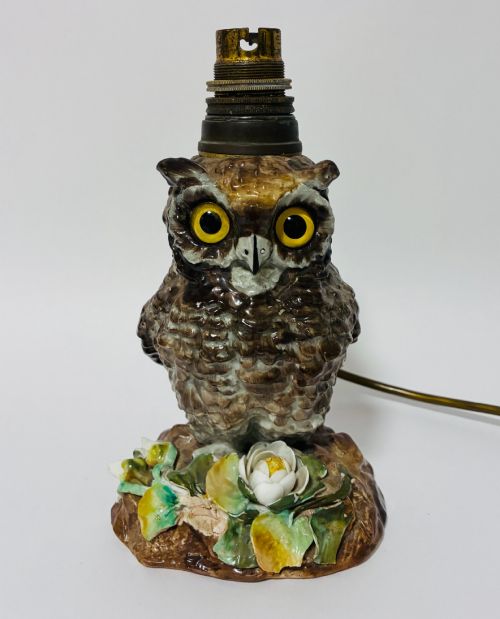
A cheerful ceramic owl sits quietly on a Victorian lamp base, keeping watch over centuries of domestic jugs, plaques, and teapots.
What varies in quality
Quality rests in the crispness of the moulded relief and the depth of the glaze application, where artist-painted details and even tin coverage elevate a piece far above standard utilitarian output. Superior items display deliberate control over pigment distribution, particularly in how the yellow ground interacts with secondary manganese or polychrome accents.
The reputation of the workshop and the sophistication of the revival style also dictate standing, as works bearing clear historical nods from notable potteries command greater interest among serious collectors of historic ceramics.
Moorcroft·Cantagalli Florence·Burmantoft's Pottery·Doulton Lambeth·Enoch Wood And Sons·Clarice Cliff·Rozenburg·Phillips And Bagster
The Antique Yellow Pottery Glossary
- Majolica
- A type of earthenware coated with an opaque tin glaze and painted with metallic oxide colours, widely produced in Italy and later Britain during the nineteenth century.
- Faience
- Tin-glazed earthenware originating in France and the Netherlands, known for its smooth white or tinted ground beneath painted decoration.
- Albarello
- A cylindrical earthenware jar used by apothecaries to store drugs and ointments, frequently decorated with polychrome pigments.
- Confit pot
- A traditional French glazed earthenware vessel originally utilised for preserving meats, possessing characteristic side handles and dip glazes.
- Slip
- A liquid mixture of clay and water applied to ceramic bodies for decorative surface effects before firing.
Antique Yellow Pottery: Frequently Asked Questions
What is yellow pottery?
Yellow pottery encompasses historic ceramic vessels, jars, and plates finished with bright yellow glazes, ranging from rustic kitchenware to highly ornate majolica display pieces.
These items draw their colour from specific mineral oxides fired within earthenware, stoneware, or porcelain bodies across various European and Asian traditions.
How were apothecary jars used?
Apothecary jars and albarellos held dried herbs, ointments, and liquid medicines in historic pharmacies and dispensaries.
Their wide mouths allowed easy access for practitioners, while glazed ceramic bodies protected sensitive contents from moisture and light.
How do I display antique pottery?
Display these ceramics on sturdy shelves, mantels, or within cabinets away from direct, harsh sunlight and high traffic areas.
Grouping items by period or pairing large chargers with smaller pitchers creates visual balance while protecting stable glaze surfaces from knocks.
How do I date antique ceramics?
Dating involves examining the potting technique, glaze composition, base marks, and stylistic clues typical of periods like the Victorian era or Art Nouveau.
Registry stamps, painted artist ciphers, and characteristic wear patterns on the unglazed foot rim also provide reliable chronological markers.