

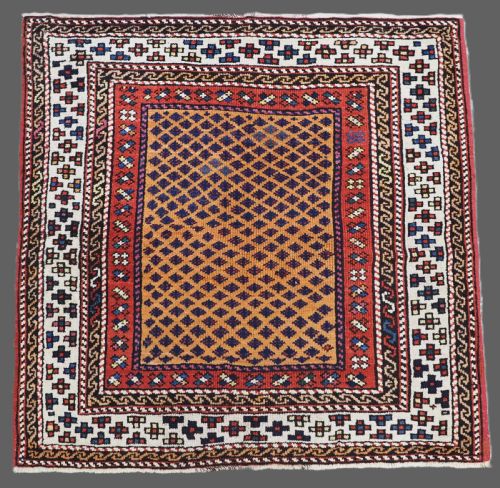


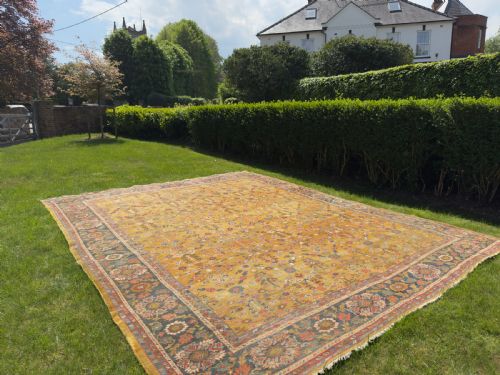
Antique Yellow Area Carpet
An antique yellow area carpet brings warm illumination to a room through centuries of woven tradition.
Antique Yellow Area Carpet
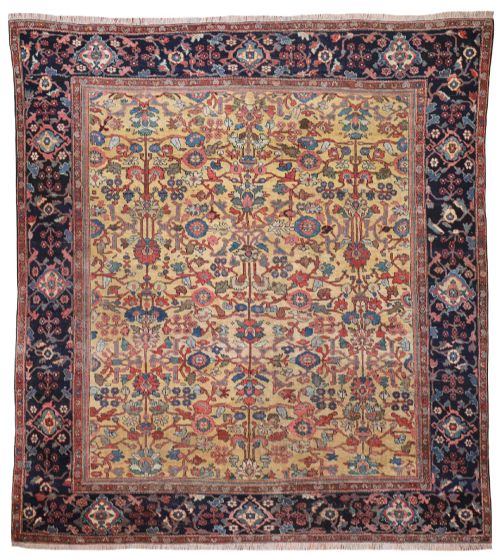
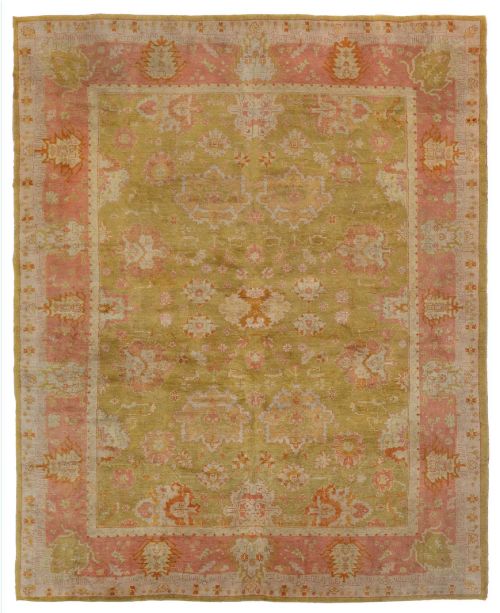
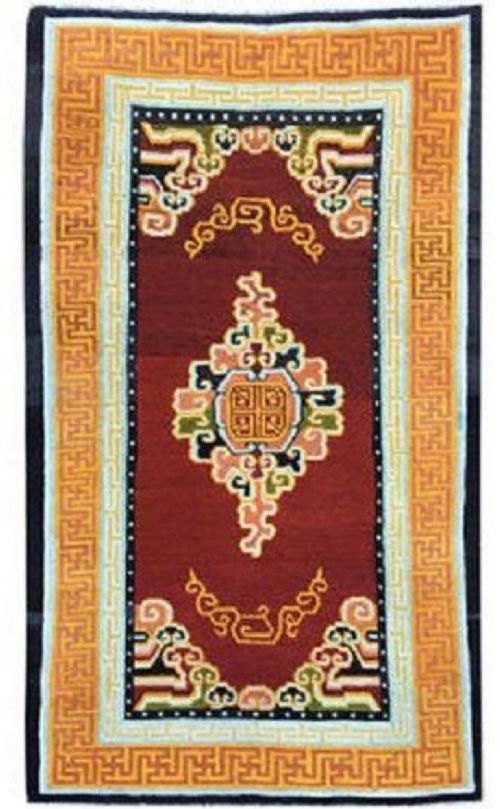
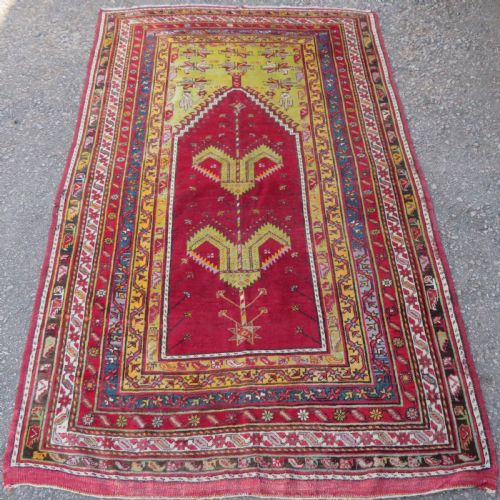
An antique yellow area carpet is a floor covering originating from varied weaving traditions across Turkey, the Caucasus, Persia, India, and Eastern Europe. These floor coverings arrive in forms ranging from small prayer mats and seating rugs to large room-sized carpets.
Buyers searching for an antique yellow area carpet frequently encounter pieces woven with wool or cotton foundations and piles. The selection includes specific regional styles such as Oushak, Bidjar, Caucasian, and Bessarabian work.
The aesthetic appeal rests in the varied tones of yellow grounds, which range from deep golden fields to soft lemon shades. These textiles serve both functional floor covering purposes and decorative textile display.
How they were made
Weavers constructed these carpets using natural wool and cotton materials for both the foundation warps and wefts and the surface pile. Artisans knotted or flattened these fibres by hand utilising traditional regional techniques passed through generations.
Dyers achieved the characteristic yellow ground colours using natural dye sources applied to wool yarns before the weaving process began. Structural integrity relied on tight knotting or flatweave construction methods particular to specific workshops and nomadic tribes.
Antique Yellow Area Carpet Retail Price Guide 2026
Typical asking prices for yellow area carpet among the pieces listed under this phrase on Sellingantiques today, from the lower quarter to the upper quarter. They describe what is for sale here now, not the wider market.
Listings feature wool and cotton materials spanning the eighteenth century through the twentieth century across multiple weaving regions.
What varies in quality
Quality differences emerge in the fineness of the weave and the precision of the geometric or floral design execution. Tighter knot counts and more complex lattice or medallion patterns distinguish finer examples from simpler village work.
The stability of the wool and cotton materials along with the preservation of the original yellow ground colour dictates the overall integrity of the textile. Pieces retaining clear coloration and sturdy pile demonstrate superior preservation through time.
Gavin Morton
The Antique Yellow Area Carpet Glossary
- Ground
- The main background colour field of a carpet upon which medallions, lattice designs, or shrub motifs sit. This forms the primary visual plane of the textile.
- Kilim
- A flatwoven carpet or rug produced without a pile by tightly interweaving warp and weft strands. These textiles often display sharp geometric patterns.
- Prayer rug
- A small rug featuring a mihrab or niche design historically used for daily prayers. The niche points toward Mecca during use.
- Soumak
- A type of-brocade-faced flatwoven rug created by wrapping supplementaryweft threads over the warp structures. This technique yields a textured surface resembling braids.
- Warp
- The vertical threads stretched lengthwise on a loom that form the structural foundation of the woven carpet. Wefts and knots are built upon these underlying strands.
Antique Yellow Area Carpet: Frequently Asked Questions
Can these carpets handle daily foot traffic?
Sturdy wool carpets tolerate moderate walking when placed over a suitable cushioned underlay. Lighter flatweaves and delicate mats suit low-traffic areas or wall display.
Rotating the textile periodically ensures even wear distribution across the surface over the years. Placing them away from direct sunlight protects the yellow dyes.
How do I identify regional styles?
Regional attribution relies on characteristic motifs such as lattice designs, specific prayer niches, and border arrangements. Examining the knotting style and material palette reveals workshop origins.
Caucasian pieces often display crisp geometric structures, while Turkish Oushak carpets favour softer floral curves. Comparing structural evidence helps separate overlapping regional traditions.
What underlay should I use?
A breathable mesh underlay prevents slipping and cushions the textile against hard flooring surfaces. This extra layer reduces friction between the wool pile and the floorboards.
Choose materials designed specifically for antique rugs to avoid chemical interactions with natural fibres. Proper underlay support extends the functional lifespan of the weave.