






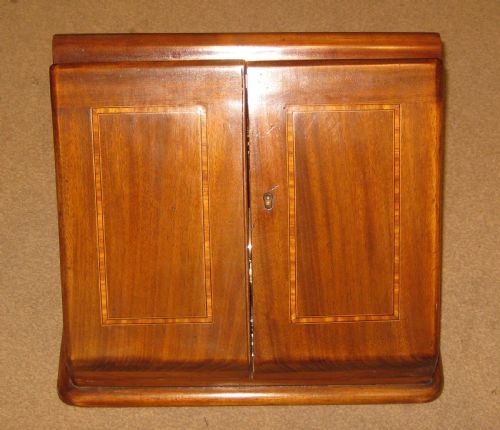


Antique Writing Compendium
These antique writing compendium pieces offer clever fitted storage for letters and papers, combining craftsmanship and practical utility.
Antique Writing Compendium
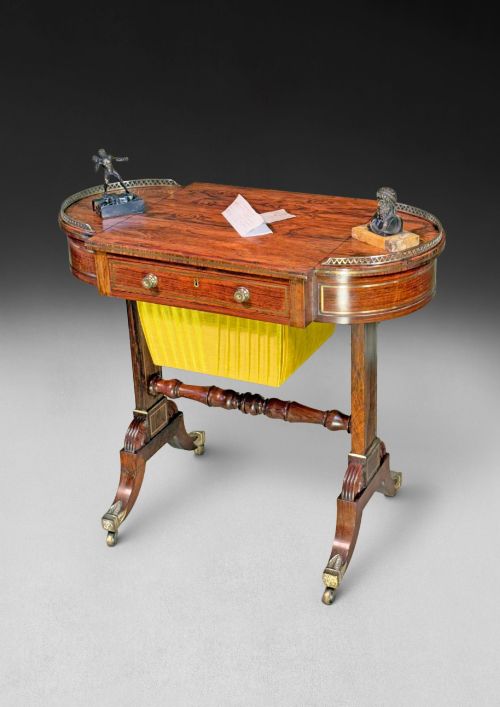
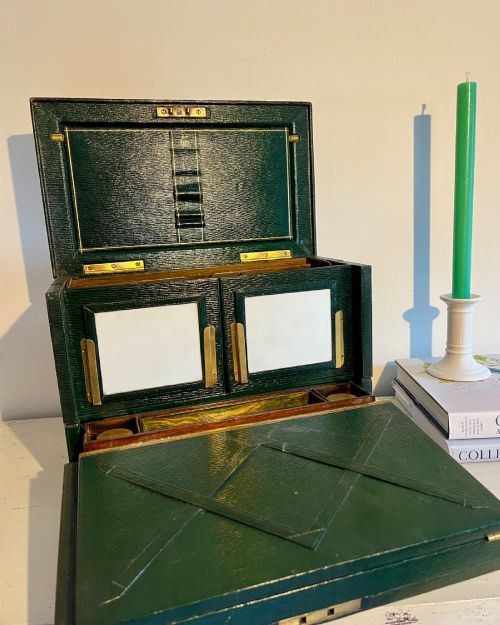
An antique writing compendium brings together stationery storage, writing surfaces and desk accessories in a single portable or desk-top form. These objects reflect the formal correspondence habits of the nineteenth and early twentieth centuries.
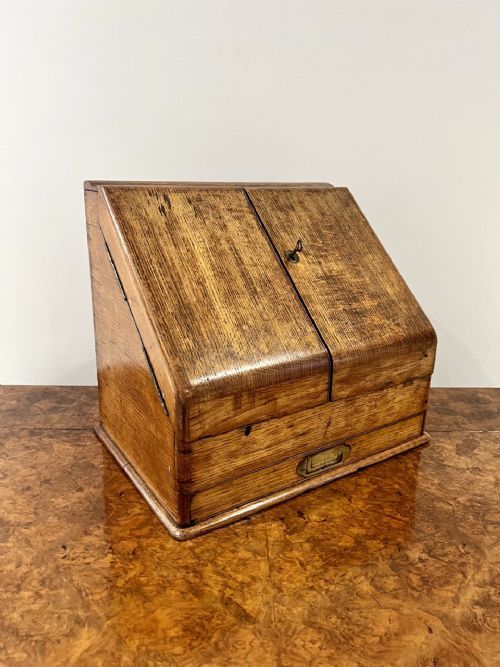
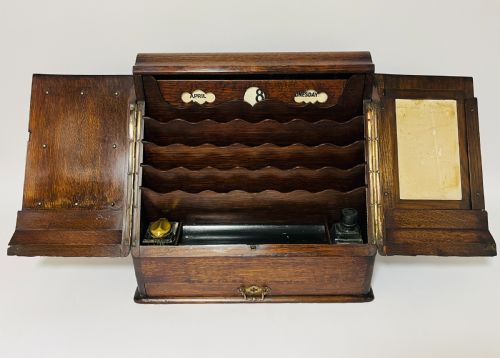
The selections on this page span the Victorian and Edwardian periods, including styles such as Victorian Gothic Revival. Common forms range from stationery cabinets and drop-front boxes to metamorphic writing desks and folding campaign compendium tables.
Makers and retailers such as J.C. Vickery of London and Houghton and Gunn appear in the record. Materials vary from dense exotic timbers like coromandel and mahogany to oak, walnut and papier mache.
How they were made
Cabinet makers utilised dense exotic hardwoods including coromandel and satinwood alongside traditional timbers like mahogany, walnut and oak. Surfaces frequently show intricate inlay work, brass mounts and leather detailing.
Interior fittings combine glass inkwells, silver plate mounts, and fitted compartments for stamps, pens and stationery. Folding mechanisms and drop-front panels required precise carpentry to ensure smooth daily operation.
Antique Writing Compendium Retail Price Guide 2026
Typical asking prices for writing compendium among the pieces listed under this phrase on Sellingantiques today, from the lower quarter to the upper quarter. They describe what is for sale here now, not the wider market.
The listings on this page span the Victorian and Edwardian eras, featuring materials from brass and glass to coromandel wood.
What varies in quality
Quality rests upon the selection of timbers and the precision of the internal mechanism rather than mere surface decoration. Compendiums featuring exotic coromandel or elaborate metamorphic actions represent the higher tier of production.
The integration of branded hardware, original glass inkwells and intact leather writing slopes elevates an example above simpler utilitarian boxes. Finer pieces demonstrate seamless joinery where drop-fronts and folding leaves align precisely.
Houghton and Gunn
The Antique Writing Compendium Glossary
- Compendium
- A multi-purpose box or cabinet designed to hold stationery, writing materials and small personal items. These pieces consolidate desk accessories into an organised desktop footprint.
- Coromandel Wood
- A dense, heavily figured dark timber from Asia utilised for luxury Victorian cabinet work. It provides a striking striped grain pattern.
- Metamorphic
- A descriptive term for furniture that transforms from one form into another, such as a desk shifting into a compact cabinet. This engineering allows dual functions in limited space.
- Stationery Cabinet
- A desktop cabinet designed specifically to hold envelopes, paper and correspondence accessories. They often feature drop-fronts or vertical letter slots.
- Campaign Desk
- Portable campaign furniture built for travel, featuring folding frames and robust construction. These pieces were designed to pack down easily for transport.
Antique Writing Compendium: Frequently Asked Questions
What is an antique writing compendium?
An antique writing compendium is a desktop cabinet, box or folding table designed to hold writing paper, envelopes and desk accessories.
These pieces emerged to keep correspondence organised and portable before modern office furniture became standard.
How do I date a compendium?
Dating relies on timber choices, brass hardware styles and registration marks stamped into the metal fittings.
Victorian pieces often use coromandel and heavy brass, while Edwardian examples show lighter satinwood and simpler internal layouts.
Were these items used for travel?
Certain compendiums were built as folding campaign desks intended for military or civilian travel.
Most stationery cabinets and drop-front boxes, however, remained stationary on a study or drawing room desk.
How should I care for timber surfaces?
Protect antique wood from direct sunlight and dramatic humidity changes to prevent timber splitting.
Apply microcrystalline wax occasionally to nourish the grain and maintain the natural lustre of mahogany or coromandel.