





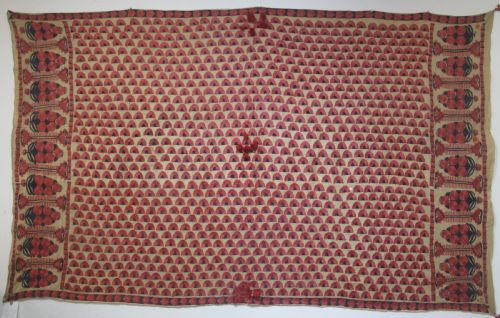
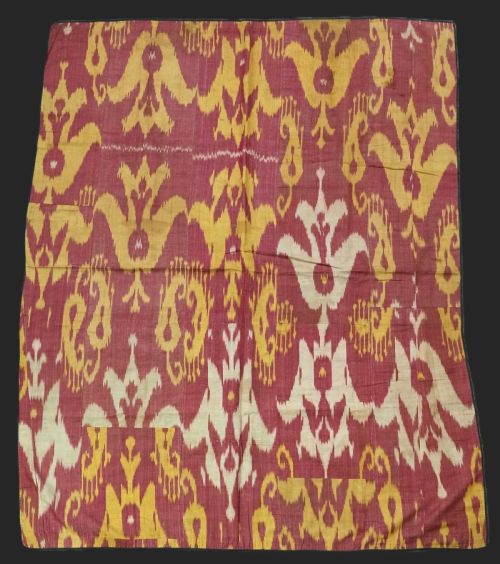


Antique Woven Silk
Antique woven silk brings centuries of textile artistry into a room through wall hangings, rugs, and panels.
Antique Woven Silk
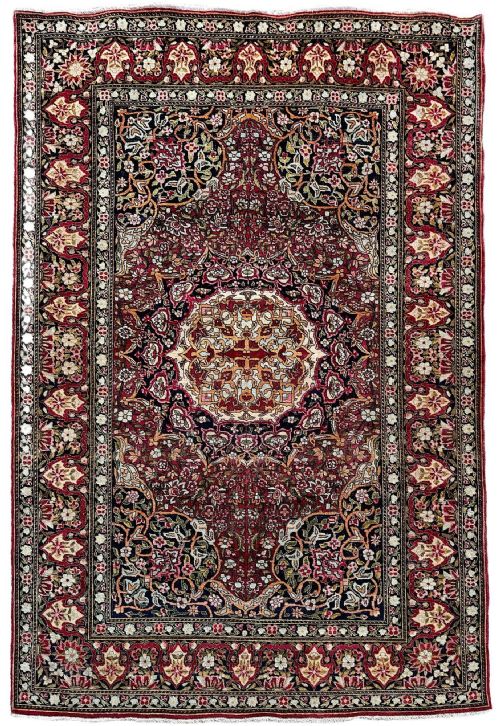
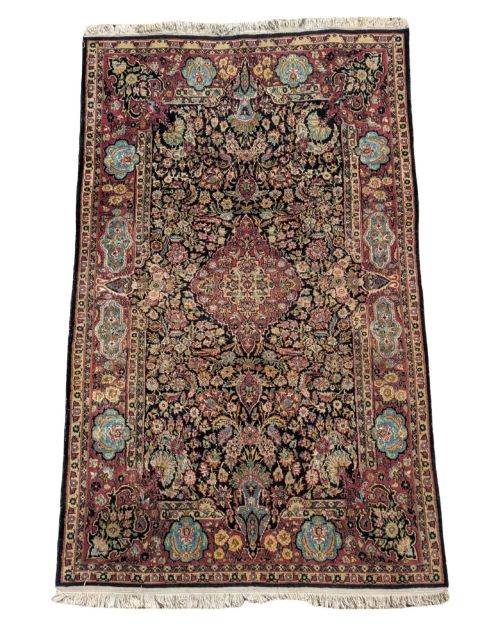
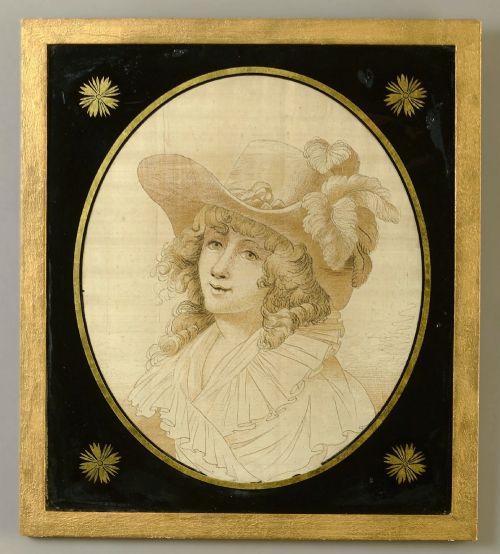
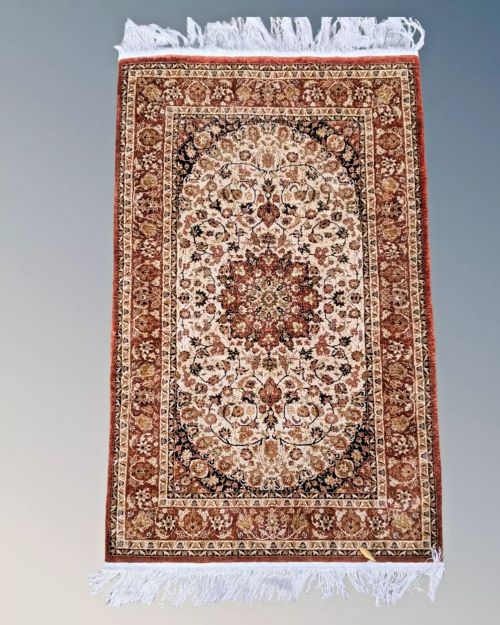
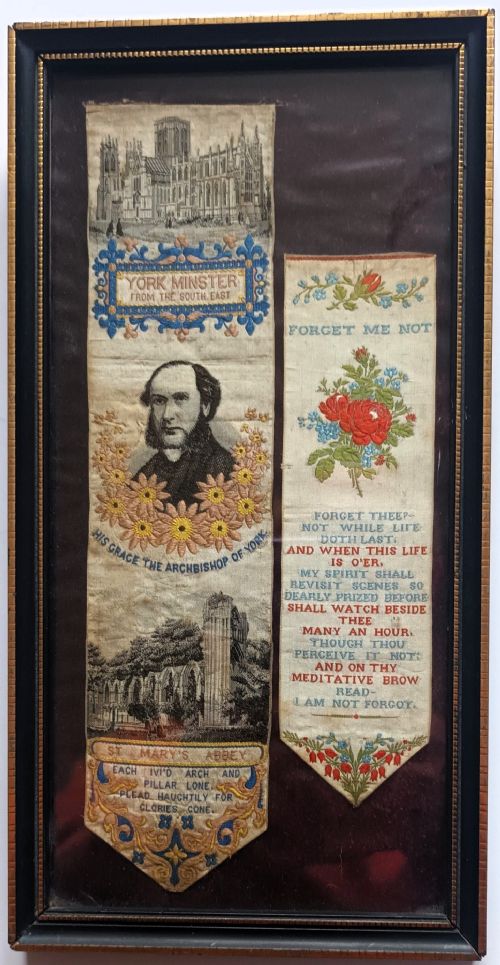
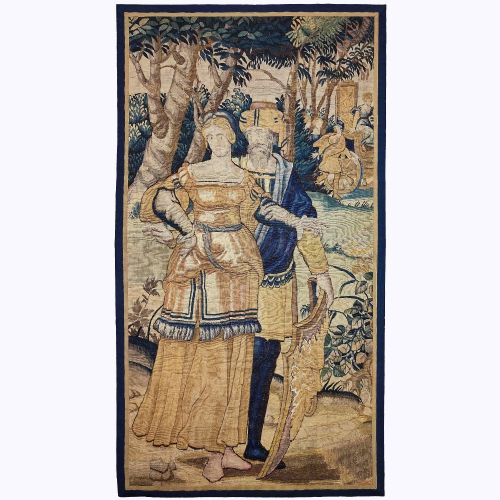
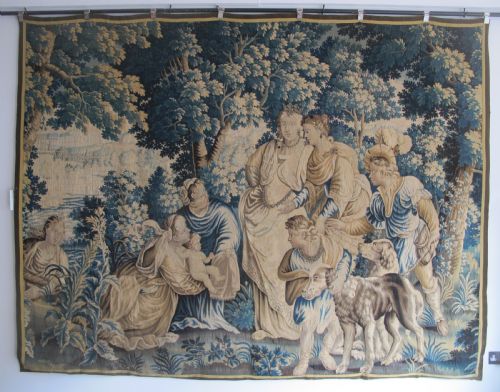
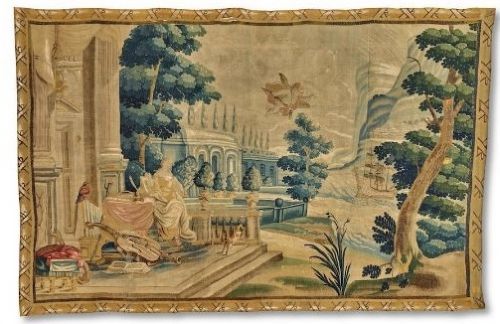
When you search for antique woven silk, you encounter a diverse range of historic textiles spanning several centuries and distinct regional traditions. These pieces include large Flemish verdure wall tapestries, Persian prayer rugs with silk highlights, and framed English bookmarkers from the Victorian era.
The selection here encompasses everything from substantial 17th century mythological tapestries to smaller Uzbek ikat panels, French lampas lengths, and mounted jajim fragments. Rugs and carpets from origins such as Isfahan, Tabriz, and Qum appear frequently alongside European cushions and wall hangings.
Buyers meet works executed across the seventeenth, eighteenth, and nineteenth centuries, reflecting both nomadic tribal weaving and formal European court aesthetics. Each format serves a different interior role, from floor coverings to decorative panels framed for display.
Determinants of quality
Quality in these textiles depends heavily on the density of the weave, the complexity of the design, and the retention of original structural integrity across panels or carpets. Finer knot counts in Persian rugs and meticulous detail in Flemish verdure tapestries separate exceptional examples from standard production.
The preservation of natural pile, vibrant dye colours, and original borders without extensive later restoration elevates a piece within its category. Greater precision in pictorial storytelling, such as mythological scenes or portraiture, marks out the superior workshops of the seventeenth and eighteenth centuries.
Antique Woven Silk Retail Price Guide 2026
Typical asking prices for woven silk among the pieces listed under this phrase on Sellingantiques today, from the lower quarter to the upper quarter. They describe what is for sale here now, not the wider market.
Listings feature 17th, 18th, and 19th century woven textiles, spanning European tapestries, Persian carpets, and Central Asian tribal torbas.
Stevens of Coventry
The Antique Woven Silk Glossary
- Lampas
- A complex woven textile structure featuring a pattern formed by supplementary wefts bound by a main warp. This technique allows for rich, multi-coloured patterns on historic French fabrics.
- Verdure tapestry
- A European wall hanging dominated by botanical or landscape motifs, particularly foliage, trees, and small animals. These seventeenth and eighteenth century panels frequently depict wooded river valleys.
- Torba
- A small Turkmen tent bag or storage face featuring tribal guls and geometric patterns. These nomadic weavings often incorporate wool and cotton alongside crimson silk highlights.
- Ciséle velvet
- A velvet fabric where the pile is cut to different heights or left uncut to create a patterned relief effect. This luxurious material appears on eighteenth century pilaster hangings and cushions.
- Jajim
- A flat-woven nomadic textile traditionally produced in narrow strips and joined together. These utility cloths display bold stripes and geometric patterns.
Antique Woven Silk: Frequently Asked Questions
How do I hang a heavy tapestry?
Large wall hangings require even distribution of weight across a sturdy wooden batten or hidden iron rod. Professional framers or conservators can attach a strong linen sleeve to the reverse edge.
Avoid direct nail or staple attachment through the textile itself, as this damages the historical fibres. Ensure the hanging location remains away from direct sunlight to protect the natural silk dyes.
Are silk prayer rugs meant for the floor?
Historic prayer rugs often feature delicate silk highlights and fine knotting unsuited for heavy foot traffic. Many collectors prefer to mount these fragile pieces on walls or display them as protected floor accents.
Placing them in low-traffic areas helps preserve the pile and structural integrity of the foundation. Regular gentle rotation prevents uneven wear from furniture placement.
How can I tell the period of a Flemish tapestry?
Stylistic indicators such as border designs, colour palettes, and the complexity of the verdure landscape help narrow down the date of production. Seventeenth century examples often feature heavier architectural borders and distinct mythological figures.
Expert attribution also relies on weave density, wool quality, and any surviving weaver marks or town stamps. Comparing pieces to documented museum archives provides further clarity on origins like Audenarde.