





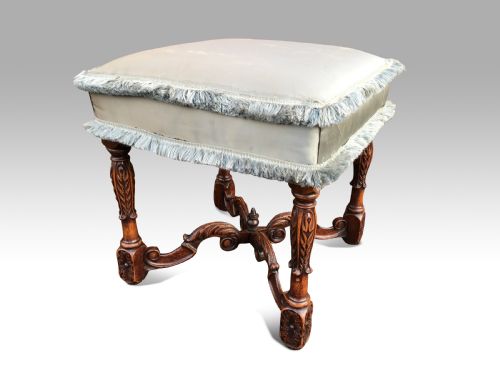


French 18th Century Silk
French 18th century silk textiles and upholstered seating bring tactile elegance and historic depth to interiors.
French 18th Century Silk
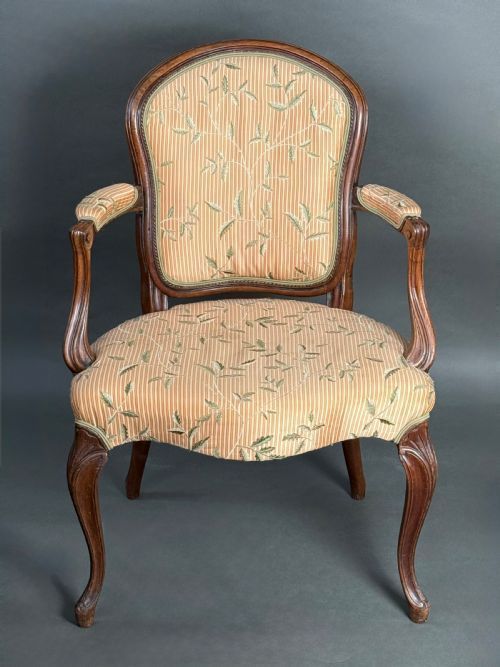
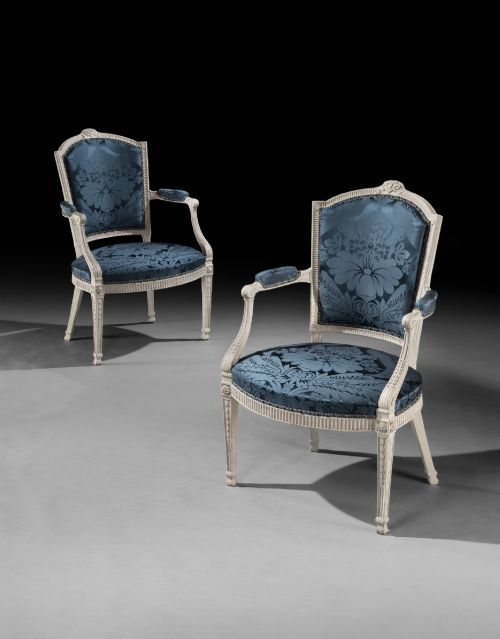
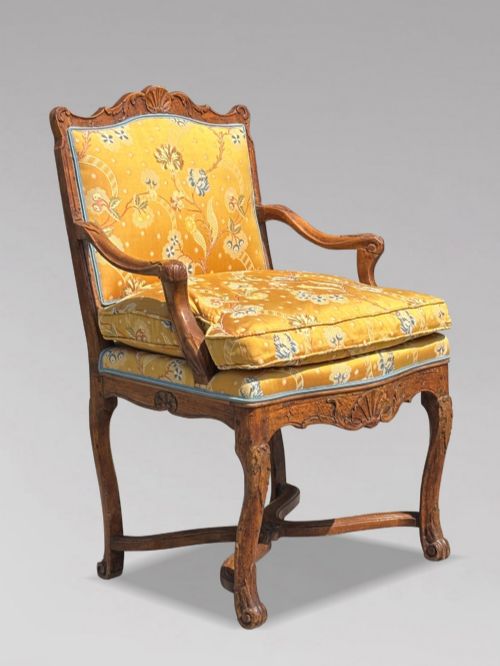
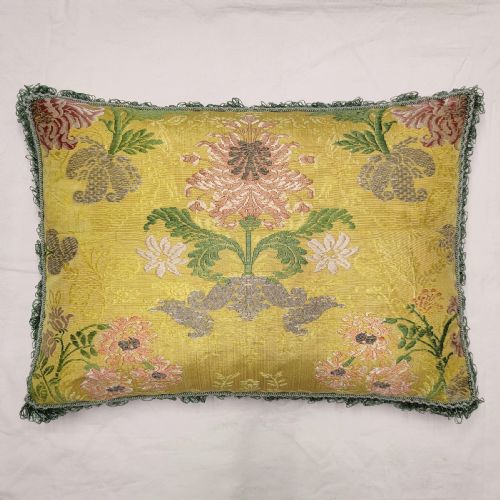
When buyers search for French 18th century silk, they encounter a range of textiles and upholstered seating from the period alongside later interpretations. The pieces span wall hangings, cushions, decorative panels, and seating frames upholstered in period fabrics.
Armchairs, canapes, and sofas provide the primary structural forms supporting these historic textiles. Wall hangings and shorter lengths of fabric appear frequently alongside framed decorative objects such as fans.
The materials reflect the tastes of French Rococo and Louis styles, executed across walnut, giltwood, and painted timber frames. Fabric types range from standard silk damask to specialised weaves like bizarre silk and ciselé silk velvet.
Materials and Construction
The physical construction combines delicate textile weaving with robust timber framing in walnut, giltwood, and painted timber. Upholstered pieces utilise traditional stuffing techniques secured with brass tacks upon carved wooden frames.
Textiles involve complex weaving methods, producing elaborate patterns in silk damask, lampas, and ciselé silk velvet. Hand-painted details appear on silk fan leaves and decorative panels framed for display.
French 18th Century Silk Retail Price Guide 2026
Typical asking prices for french 18th century silk among the pieces listed under this phrase on Sellingantiques today, from the lower quarter to the upper quarter. They describe what is for sale here now, not the wider market.
Bizarre silk designs earned their modern name from textile historians perplexed by their delightfully eccentric, alien-looking asymmetrical patterns.
Distinctions in Quality
Quality rests upon the preservation of the delicate silk fibres and the precision of the underlying woodwork. Intricate weaves such as bizarre silk lampas and ciselé velvet demand superior skill compared to standard silk damask.
The relationship between the textile and its support determines overall excellence, particularly where original upholstery survives on walnut or giltwood frames. Condition of the silk surface and integrity of the timber dictate the upper tier of pieces.
The French 18th Century Silk Glossary
- Damask Fabric
- A reversible figured fabric woven on a loom, featuring patterns created by contrasting warp and weft threads. This material appears frequently in upholstery and wall hangings.
- Ciséle Silk Velvet
- A velvet fabric where the pile is cut in relief against an uncut or lower background, creating a textured pattern. This technique produces rich wall hangings.
- Giltwood
- Timber carved and coated with a thin layer of gold leaf. This finish frames many formal chairs, sofas, and mirrors of the period.
- Lampas
- A complex woven textile incorporating pattern wefts that create rich designs against a ground weave. It forms the basis of several significant historic lengths seen here.
French 18th Century Silk: Frequently Asked Questions
How do I care for antique silk?
Antique silk requires protection from direct sunlight and fluctuating humidity to prevent the fibres from becoming brittle. Gentle dusting with a soft brush helps maintain textile wall hangings and cushions.
Professional conservation methods should be employed for fragile panels or historic upholstery. Avoid harsh cleaning agents entirely.
Are these textiles original to the eighteenth century?
The selection includes genuine eighteenth-century textiles alongside later pieces created in the eighteenth-century style. Examination of the weave structure and material helps determine the exact period.
Listings provide specific dates ranging from the seventeenth through to the twentieth centuries to guide identification.
How were silk wall hangings used?
Silk wall hangings decorated formal rooms in grand residences, providing insulation, colour, and texture to stone or wood-panelled walls. They were often suspended from wooden battens or mounted within architectural frames.
Smaller lengths and panels served as decorative accents or borders within elite interiors.
What is the difference between damask and lampas?
Damask is a single-warp and single-weft fabric where the pattern reverses on the opposite side. It relies on contrasting satin and sateen weaves for its design.
Lampas utilises supplementary weft threads to introduce multiple colours and complex textures to the face of the fabric. Both techniques produced luxurious furnishings for the period.