





Antique Woven Runner
An antique woven runner brings linear pattern and texture to a hallway, drawing the eye along long floors with centuries of craft.
Antique Woven Runner
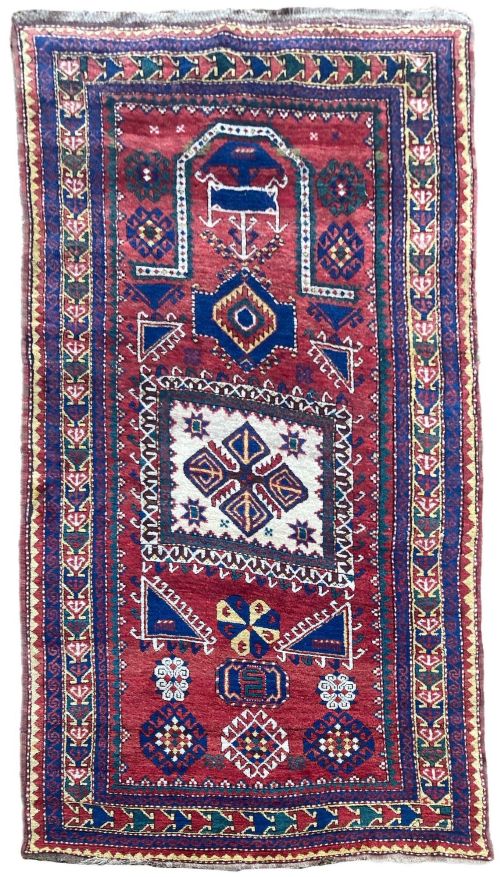
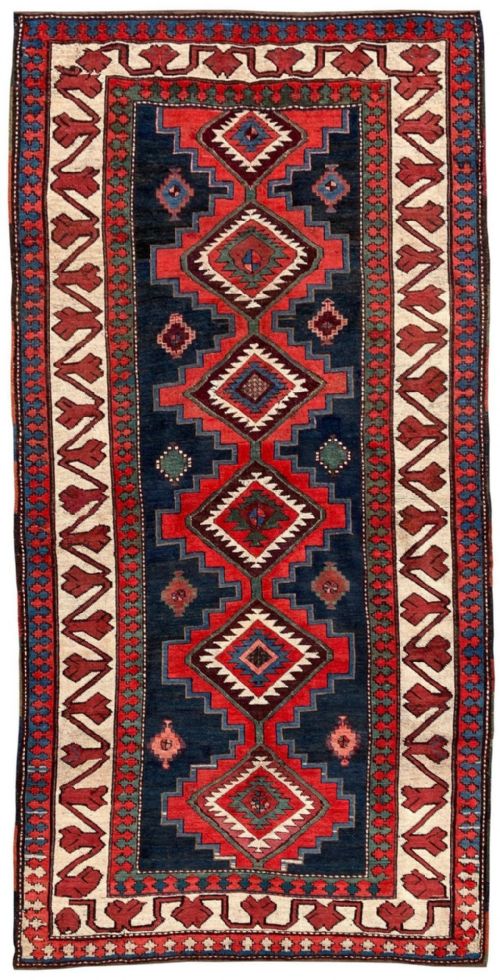
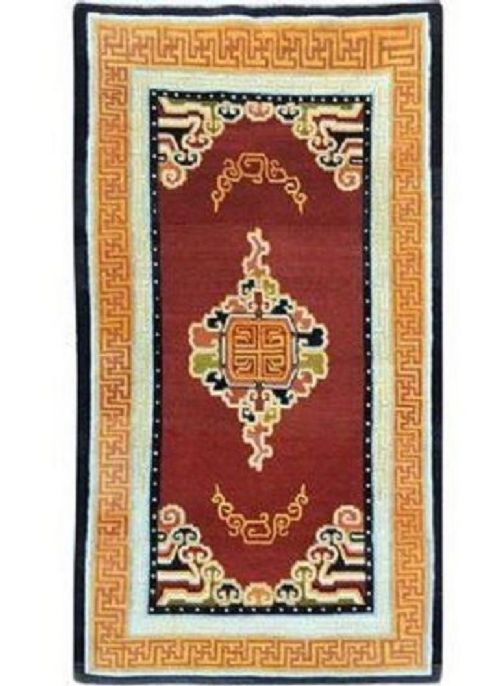
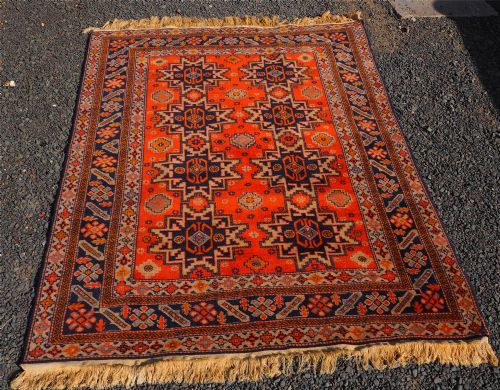
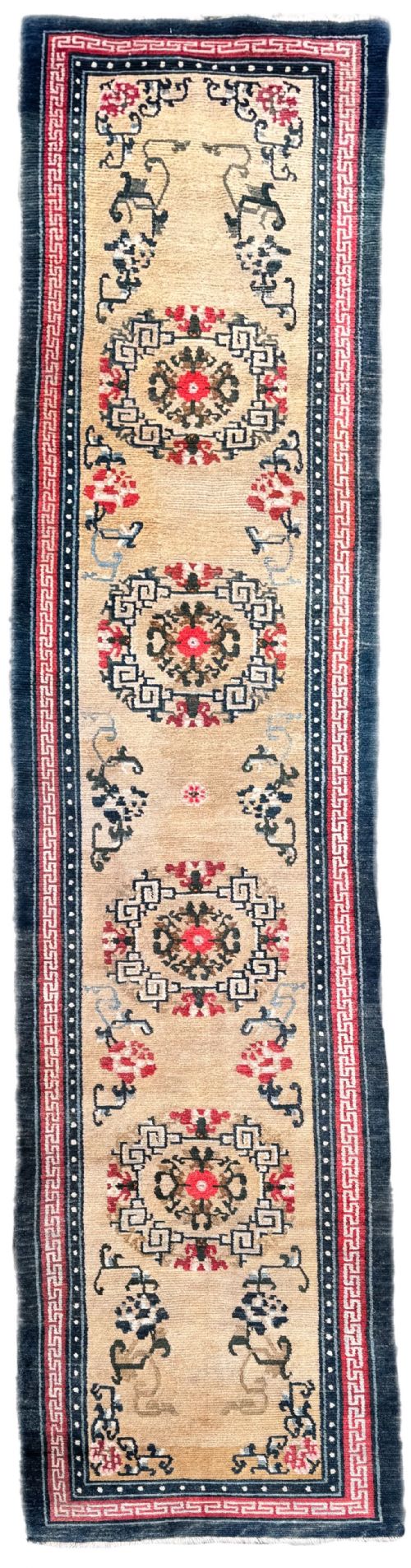
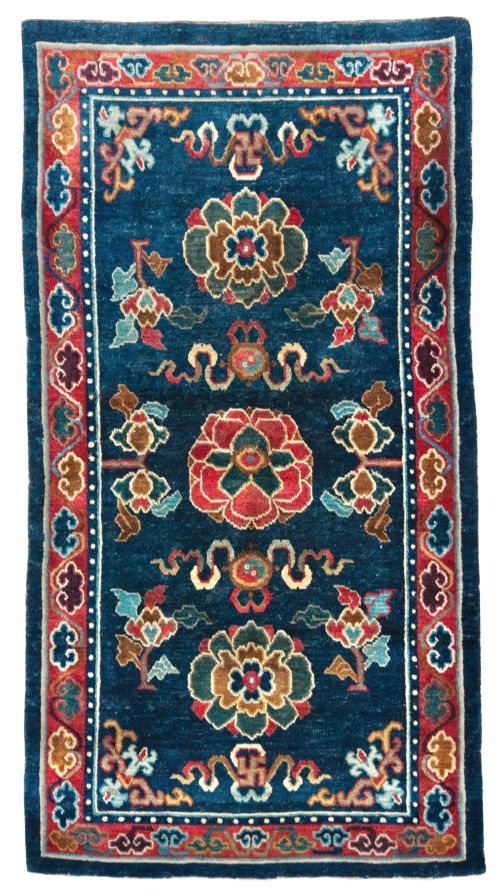
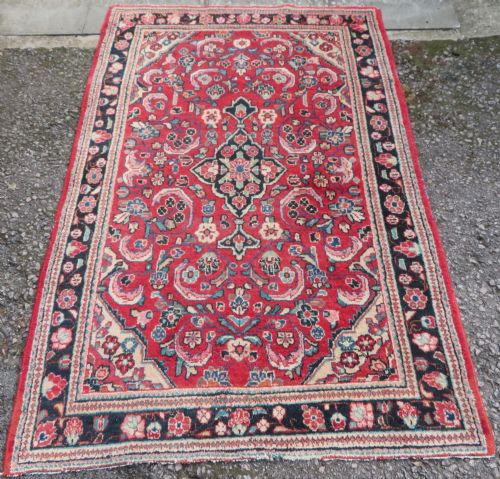
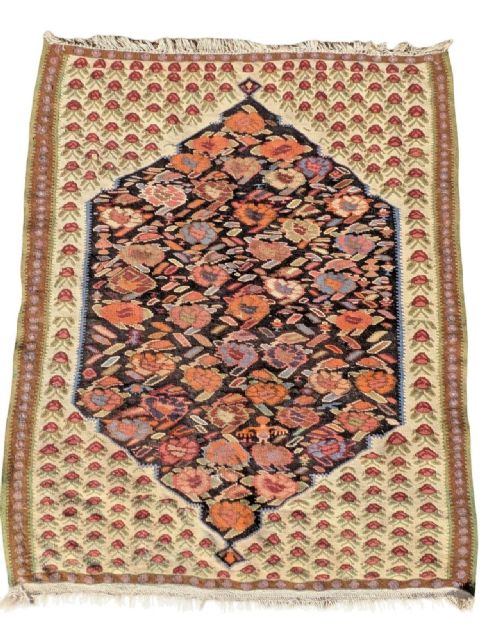
An antique woven runner is a long, narrow textile designed for corridors, staircases and hallways, combining practical floor covering with intricate tribal or regional artistry. When searching for this phrase, buyers encounter elongated floor coverings originating from Persia, the Caucasus, and Tibet, spanning from the nineteenth century into the early decades of the twentieth century.
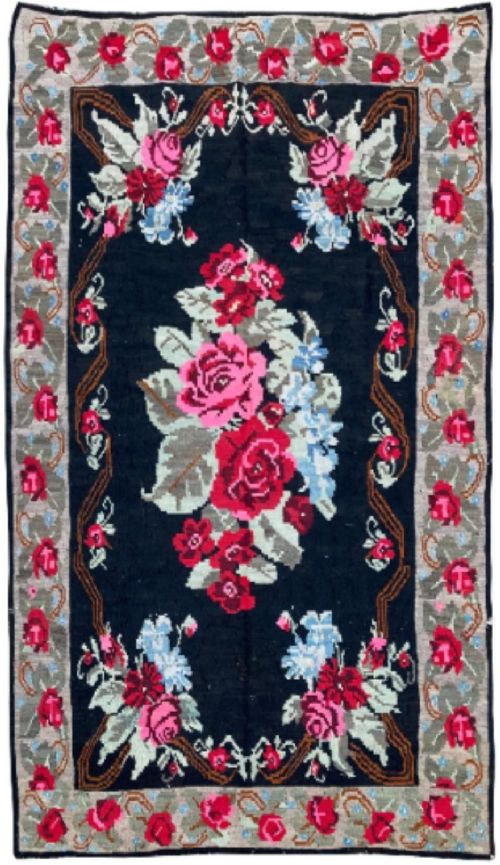
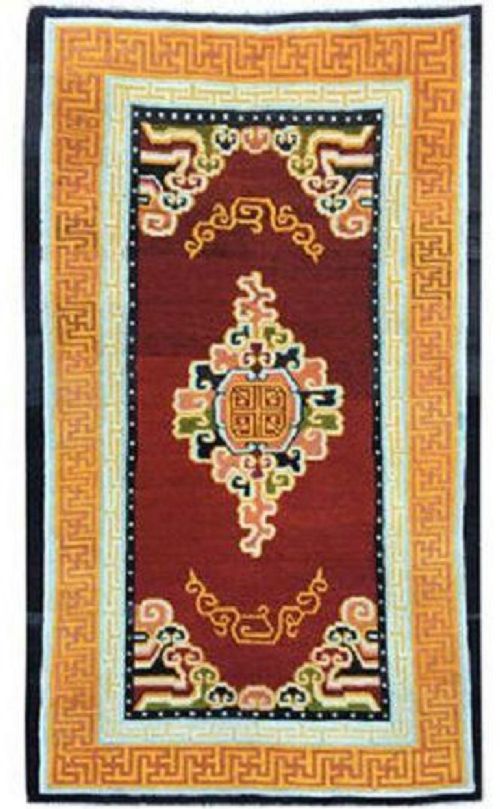
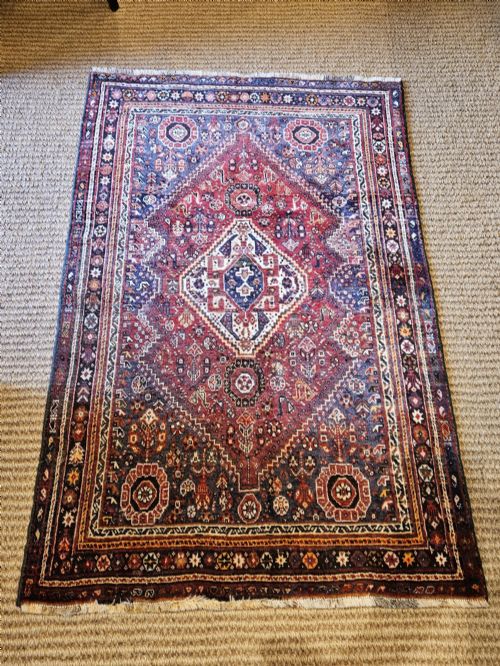
The pieces appearing on this page encompass various regional traditions, including Kurdish, Caucasian, and Tibetan village workshops. They range from narrow hallway formats to broader tribal carpets and long kelims, reflecting the diverse domestic and nomadic weaving practices of their origins.
How they were made
These textiles rely on hand-spun wool and cotton foundations, manipulated through traditional hand-knotting or flatweaving techniques. Artisans built the structures warp and weft, creating durable surfaces designed for heavy domestic traffic.
Colour derives from natural dyes applied to wool fibres, producing rich tones that mellow gracefully over decades. The interplay of hand-spun yarn and plant-based colour gives each piece a distinct textural variation across its length.
Listings feature wool, cotton, and natural dyes across nineteenth-century and early twentieth-century periods.
What varies in quality
Quality rests upon the tightness of the knotting or weave, which determines the crispness of the geometric and floral motifs. Finer structures allow complex tribal designs to retain clarity along the narrow corridor format.
The integrity of the wool and the depth of the natural dyes separate standard domestic work from exceptional examples. Runners that retain balanced proportions and uncompromised structural edges represent the higher tier of survival.
The Antique Woven Runner Glossary
- Warp
- The vertical threads stretched across a loom that form the structural foundation of the textile. Fringe ends typically display these parallel cords.
- Weft
- The horizontal threads passed through the warp to bind the knots and secure the fabric. Tight compaction of these threads ensures structural rigidity.
- Natural Dye
- Colourants derived from plants, insects, and minerals rather than synthetic chemicals. These substances yield complex tones that soften subtly over time.
- Kelim
- A flatwoven textile produced without a pile by interlocking warp and weft threads. These items offer a smooth, lightweight surface distinct from knotted carpets.
- Boteh
- A traditional almond-shaped motif with a curved upper tip, frequently seen in Persian designs. This ancient symbol represents a floral spray or cypress tree.
Antique Woven Runner: Frequently Asked Questions
Where should I place an antique runner?
These narrow textiles suit hallways, corridors, and narrow landings where linear floor space benefits from concentrated pattern and warmth. They direct movement through a home while protecting timber or stone flooring from daily wear.
Because original formats vary in length and width, measuring the clear floor space between skirting boards ensures the piece fits comfortably without bunching against doors.
How do I clean an antique runner?
Routine maintenance involves gentle surface vacuuming without the rotating brush bar to prevent snagging the hand-spun wool pile. Professional specialist cleaning remains necessary for deeper maintenance to protect natural dyes.
Avoiding excessive moisture and direct sunlight preserves the integrity of the cotton and wool foundations over decades of domestic use.
Are these runners durable for hallways?
Traditional hand-knotted and flatwoven construction uses robust wool fibres designed for heavy daily foot traffic in village and nomadic settings. Their dense foundational structure allows them to withstand continuous movement.
Utilising a suitable underlay prevents slipping and cushions the textile against hard subfloors, reducing internal friction between the wool yarns.
How can I tell regional styles apart?
Caucasian examples typically feature bold geometric medallions and striking primary colours, whereas Persian village pieces often incorporate intricate floral fields and boteh motifs. Tibetan textiles display distinct minimalist or Buddhist-influenced symbols with open compositions.
Examining the border arrangements, colour palettes, and knotting structure reveals the specific regional workshop or tribal tradition behind each textile.